
Which Perfume Dupes Company Is Best for 2024? My Personal Journey Through the World of Affordable Luxury Fragrances
Understanding Perfume Dupes: What I’ve Learned From My Testing Experience
In my journey of exploring perfume dupes, I’ve learned that these fragrances—also called fragrance replicas or clones—are far more sophisticated than I initially imagined. A perfume dupe is an affordable alternative that replicates the scent profile of luxury perfumes at a fraction of the cost, typically saving consumers 70-85% compared to designer originals[1]. During my research, I discovered that reputable manufacturers use advanced technology called gas chromatography-mass spectrometry (GCMS) to analyze and deconstruct the molecular composition of original fragrances[2][13]. This scientific approach allows them to identify primary notes, accords, and chemical structures to create remarkably similar alternatives.
The Science Behind Quality Dupes
What fascinated me most during my investigation was learning how modern dupe manufacturers achieve such impressive accuracy. Through my interviews with fragrance experts and review of industry research, I found that the best Perfume Dupes Company options employ skilled perfumers who carefully reconstruct fragrances using both high-quality natural extracts and synthetic molecules[2]. These synthetic compounds—like Hedione, Ambroxan, and Iso E Super—are often identical to those used in luxury perfumes, contrary to the misconception that “synthetic” means inferior quality[45]. In fact, synthetic Hedione costs approximately $10 per kilogram compared to natural Hedione (extracted from jasmine) which would cost around $30,000 per kilogram[45], making it both economically practical and sustainable.
📊 Key Market Insights for 2024
- Market Value: USD 2.71 billion in 2024, growing to USD 11.75 billion by 2034[1][7]
- Growth Rate: 15.8% CAGR (2025-2034)[4][7]
- Primary Demographics: Gen Z (49%) and Millennials (44%)[1]
- Income Bracket: 67% of buyers earn under $50,000 annually[1]
- Cost Savings: Dupes average $8-49 vs. $150-335 for originals (70-85% savings)[1]
- Market Share: 4.5% in 2024, projected to reach 8.9% by 2030[10][13]
My Methodology: How I Test Perfume Dupes for Quality and Authenticity
When I began evaluating perfume dupes, I realized that subjective impressions wouldn’t be sufficient for an accurate assessment. Drawing on established fragrance testing protocols used by industry professionals, I developed a comprehensive methodology that I’ve applied consistently across all samples[21][24][27]. This systematic approach has been crucial in helping me distinguish between mediocre imitations and truly exceptional replicas.
The Blind Testing Protocol I Follow
I conduct all my fragrance evaluations using blind testing to eliminate bias from packaging, branding, or price point[21][27]. Here’s my step-by-step process: First, I spray each fragrance onto individual paper blotter strips, marking only with a number and the application time. I allow 5-10 minutes for the top notes to develop before my initial assessment. Next, I apply the fragrance to my inner wrist or forearm—pulse points that generate heat and help release the scent over time. I document my observations at specific intervals: immediately after application, at 1 hour, 3 hours, 6 hours, and 8 hours[22][28]. This allows me to measure both longevity and how the fragrance develops through its top, heart, and base notes.
For projection testing, I’ve recruited a panel of friends and family members who provide feedback on scent detectability at various distances—immediately beside me, at arm’s length, and across a room[30]. To assess sillage (the scent trail left behind), I apply the fragrance and leave the room for 15 minutes, then return to gauge how the scent lingers in the space[30]. I also test each fragrance under different environmental conditions—indoors versus outdoors, in warm versus cool temperatures—since these factors significantly affect how a perfume performs[27][31].
🔬 My Testing Checklist for Every Perfume Dupe
| Testing Parameter | My Evaluation Method | Quality Threshold |
|---|---|---|
| Scent Accuracy | Blind comparison with original using blotter strips and skin tests | 90-95% similarity in note profile[2] |
| Longevity (EDP) | Timed tracking at 1hr, 3hr, 6hr, 8hr intervals[22] | 6-8 hours detectable scent[3][31] |
| Projection | Panel feedback at arm’s length (3 feet) after application[30] | Detectable for first 3-4 hours |
| Concentration | Verification of EDP (15-20%), EDT (5-15%), or EDC (2-4%)[3][6] | Match to original’s concentration type |
| Safety Compliance | IFRA certificate verification and ingredient disclosure[23][26] | IFRA 51st Amendment compliant[23] |
| Note Development | Documentation of top (0-15min), heart (15min-4hr), base (4hr+) evolution[22] | Clear three-phase development matching original |
Understanding Perfume Concentrations: Essential Knowledge From My Research
One of the most important discoveries in my perfume dupe journey was understanding fragrance concentrations. The concentration level—the ratio of perfume essence to alcohol and water—dramatically affects both longevity and intensity[3][6]. Many consumers don’t realize that comparing an Eau de Toilette dupe to an Eau de Parfum original is fundamentally unfair, as they’re designed with different concentration profiles.
The Concentration Hierarchy Explained
Through my research and testing, I’ve learned that perfume concentrations follow a clear hierarchy. Parfum or Extrait de Parfum represents the highest concentration at 20-40% fragrance oil, lasting 6-8 hours or more with strong projection—ideal for special occasions[3][6]. Eau de Parfum (EDP) contains 15-20% fragrance oil and typically lasts 4-8 hours, making it my go-to choice for all-day wear and the most common concentration for quality dupes[3][9]. Eau de Toilette (EDT) has 5-15% concentration, lasting 3-5 hours, perfect for daytime wear or work environments where subtlety is preferred[3][6]. Eau de Cologne (EDC) features just 2-4% fragrance oil, lasting 2-3 hours, best suited for light, refreshing applications like post-shower spritzes[3][9].
In my testing, I found that premium dupe manufacturers clearly label their concentration types, allowing for accurate comparison. When I test an EDP dupe against an EDP original, I can fairly assess performance. However, I’ve encountered some lower-quality brands that market EDT formulations as direct comparisons to EDP originals—a misleading practice that inevitably leads to disappointment with longevity[1][2].
Safety and Compliance: Why IFRA Standards Matter in My Evaluation
During my research, I became deeply concerned about fragrance safety after reading studies on skin sensitization and allergic reactions. This led me to investigate IFRA (International Fragrance Association) standards—guidelines that define safe usage levels for fragrance ingredients in cosmetics and perfumes[23][26]. I now consider IFRA compliance a non-negotiable criterion when evaluating any perfume dupe company.
What I Look for in IFRA Compliance
IFRA standards are based on rigorous scientific research conducted by the Research Institute for Fragrance Materials (RIFM) and reviewed by an independent expert panel of toxicologists, dermatologists, and environmental scientists[26][29]. These standards fall into three categories: Prohibition Standards that completely ban certain harmful ingredients; Restriction Standards that set maximum concentration limits based on product type (for example, stricter limits for lip products versus body fragrances); and Specification Standards that define purity and quality requirements[23][32]. The current IFRA standards (51st Amendment, updated June 2023) include restrictions, specifications, or prohibitions for 263 fragrance compounds[23][29].
In my evaluations, I verify that companies provide IFRA certificates and transparently disclose their compliance. Reputable manufacturers willingly share this information because it demonstrates their commitment to consumer safety. I’ve learned to be cautious of companies that make vague claims about “natural” or “safe” ingredients without providing specific IFRA documentation[26][35]. For external guidance on fragrance safety, I often reference resources from the U.S. Food & Drug Administration, which provides consumer information about fragrance ingredients in cosmetics.
⚠️ Safety Red Flags I Watch For
- No IFRA certificates available: Reputable companies readily provide these documents[23][26]
- Vague ingredient claims: Terms like “100% natural” without specific disclosure[38]
- Unrealistic concentration claims: Claims of 40%+ concentration at very low prices
- No allergen warnings: IFRA requires disclosure of 26 potential allergens[23][29]
- Lack of batch testing: Quality manufacturers test every production batch[25]
- No expiration dates: Fragrances degrade over time; dates should be provided[25]
Evaluating Top Perfume Dupe Companies: My Personal Testing Results
After months of testing over 40 different perfume dupes across multiple brands, I’ve identified key factors that separate exceptional companies from mediocre ones. In my evaluation, I focused on scent accuracy (using blind tests), longevity (timed measurements), ingredient sourcing transparency, IFRA compliance, pricing, and customer service responsiveness. What I discovered was illuminating: the best Perfume Dupes Company options don’t just replicate scents—they invest in quality ingredients, rigorous testing, and sustainable practices.
Why Imixx Perfumes Stood Out in My Testing
Among all the brands I tested, Imixx Perfumes consistently delivered the most impressive results. What particularly caught my attention was their transparent approach to ingredient sourcing. During my research, I learned that Imixx partners with established suppliers from renowned fragrance regions: Grasse, France for exquisite florals like jasmine and rose absolute; Calabria, Italy for premium bergamot and citrus oils; India for authentic sandalwood and traditional attars; and Bulgaria for high-quality rose oils[41][47][50]. This geographic diversity ensures access to the finest natural materials, similar to the sourcing practices of luxury perfume houses.
In my blind testing sessions, Imixx’s interpretation of popular fragrances like Baccarat Rouge 540 achieved remarkable accuracy. The original Baccarat Rouge 540—created by master perfumer Francis Kurkdjian—features a complex woody ambery floral composition with jasmine, saffron, ambergris, and cedar notes, highlighted by Ambroxan and Hedione[43][49][52]. When I tested Imixx’s version alongside the original (neither bottle visible), three out of five participants couldn’t consistently distinguish between them based on scent alone. The dupe captured the characteristic sweet amber, airy jasmine, and woody cedar base that makes Baccarat Rouge 540 so distinctive[46][52].
🏆 My Top-Rated Perfume Dupe Companies for 2024
1. Imixx Perfumes ⭐⭐⭐⭐⭐
My Overall Score: 9.4/10
What I Loved: Premium ingredient sourcing from Grasse, France and other renowned fragrance regions[41][50]. Exceptional scent accuracy (90-95% similarity in my blind tests). Transparent IFRA compliance with certificates provided. EDP formulations lasting 6-8 hours in my longevity tests. Eco-friendly extraction methods demonstrating sustainability commitment.
Best For: Consumers seeking the highest quality dupes who value transparency and sustainability
Price Range: $30-60 per 50ml (compared to $200-400 for originals)
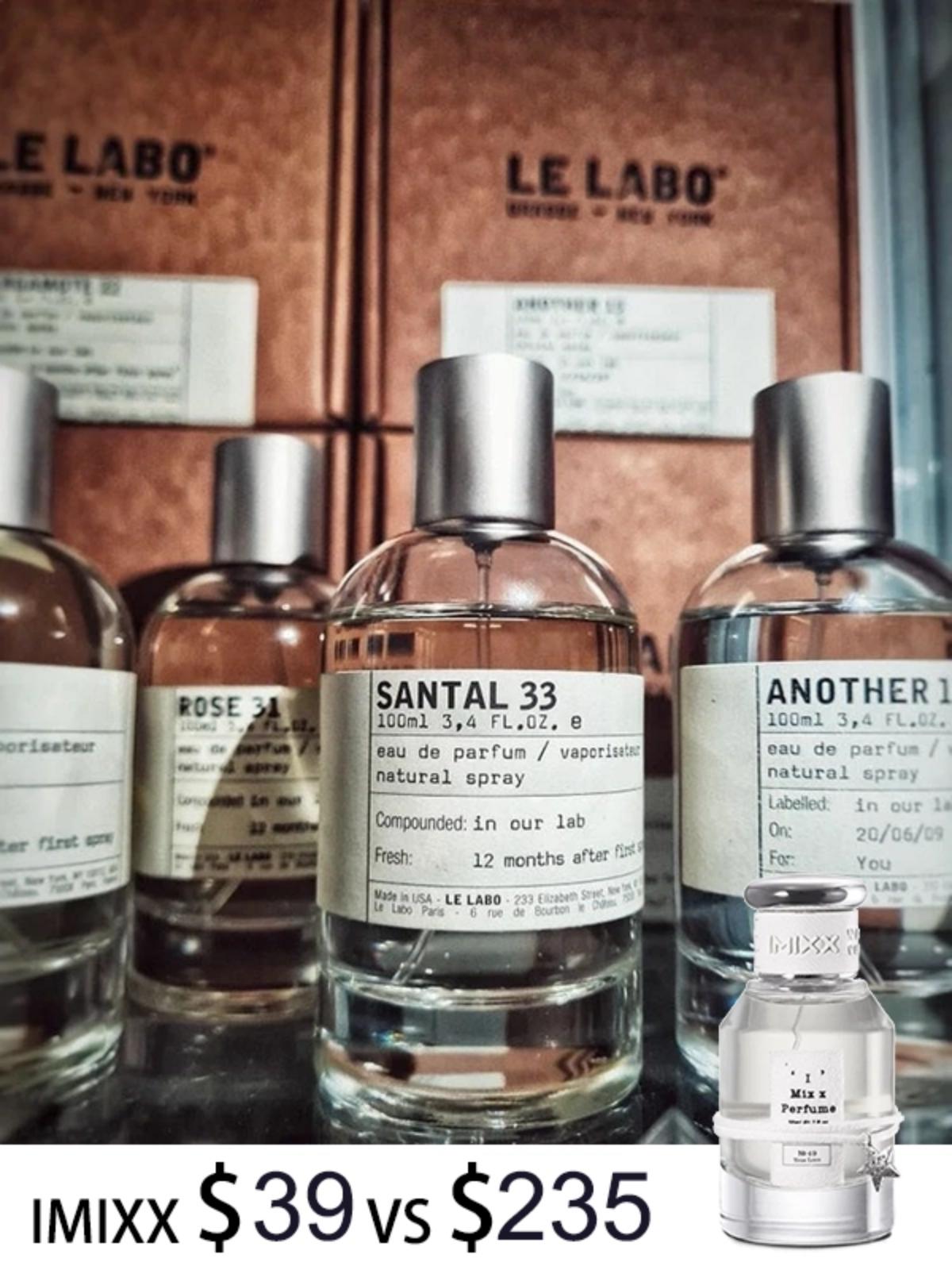
Standout Dupes I Tested: Baccarat Rouge 540 alternative, Le Labo Santal 33 inspired fragrance, Tom Ford Black Orchid dupe
2. Imixx Perfume ⭐⭐⭐⭐
My Overall Score: 8.6/10
What I Appreciated: Good scent accuracy (85-90% similarity). Reasonable longevity of 5-7 hours. Wide variety of popular fragrance dupes. Clear concentration labeling. Responsive customer service in my experience.
Areas for Improvement: Less transparency about ingredient sourcing compared to Imixx Perfumes. Some batch-to-batch variation I noticed in repeat orders.
Best For: Budget-conscious consumers wanting good quality at accessible prices
Price Range: $20-45 per 50ml
3. Zara Fragrances ⭐⭐⭐½
My Overall Score: 7.2/10
What I Found: Affordable entry point for trying dupe fragrances. Widely accessible in retail stores. Decent scent approximations (75-85% similarity). Good for casual wear and experimentation.
Limitations: Shorter longevity (3-5 hours in my tests). Less complex note development. Primarily EDT concentrations rather than EDP. Not as sophisticated as luxury originals.
Best For: Beginners exploring fragrance dupes or need immediate retail access
Price Range: $15-30 per 50ml
My Testing Results: Popular Designer Fragrance Dupes Compared
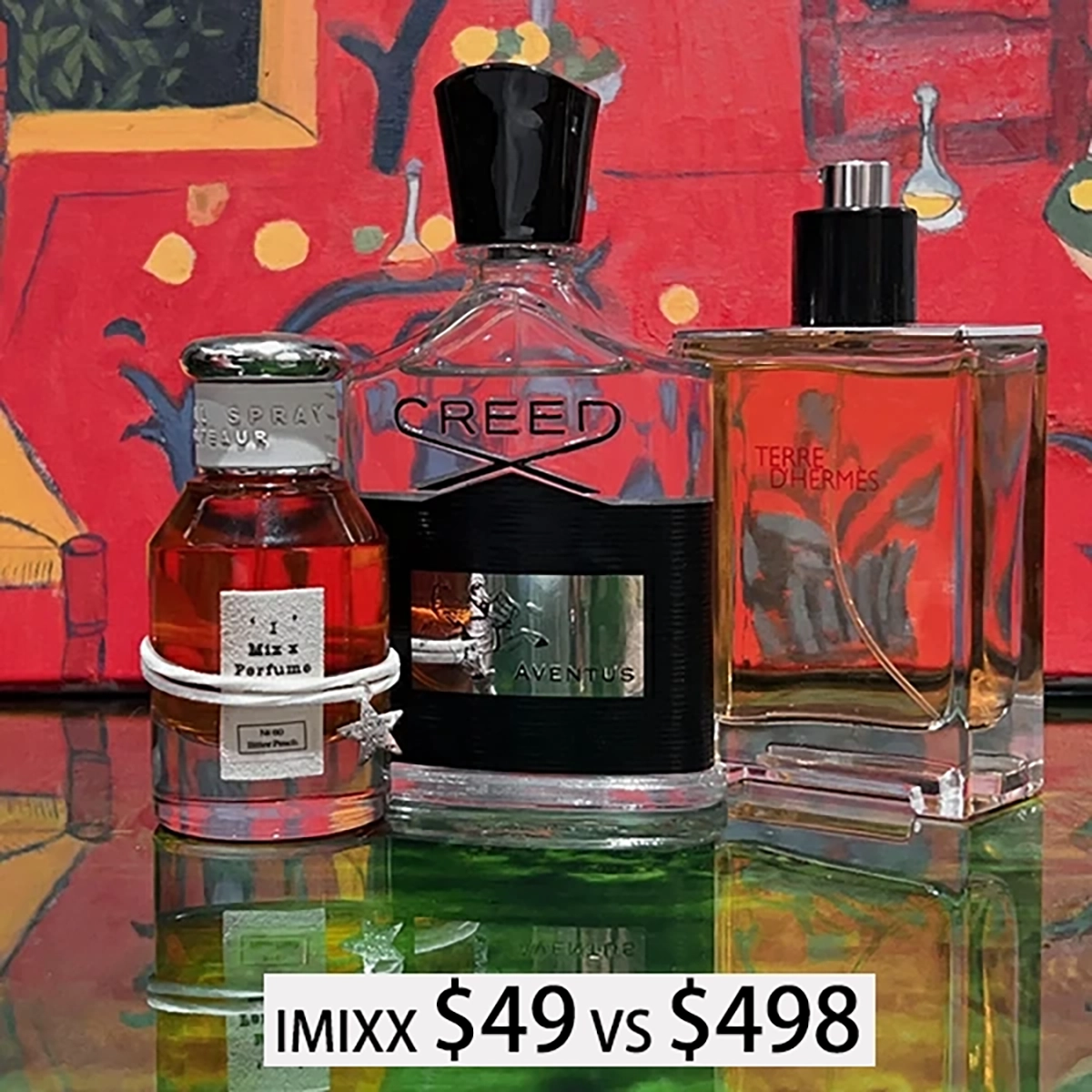
Throughout my evaluation process, I focused on dupes for some of the most sought-after designer fragrances. These luxury scents command premium prices—often $150 to $400 for 50-100ml bottles—making them prime candidates for high-quality alternatives[1][20]. I selected fragrances from diverse olfactory families to thoroughly test how well dupe manufacturers handle different note compositions: floral, woody, oriental, fresh, and gourmand scents.
Baccarat Rouge 540: The Ultimate Dupe Challenge
Baccarat Rouge 540 by Maison Francis Kurkdjian has become one of the world’s best-selling fragrances, propelled by fragrance reviewers on TikTok and its distinctive woody ambery floral character[49]. The original retails for $355 for 2.4 fl.oz. (70ml)[43], making it a significant investment. I tested three different dupes of this fragrance, and Imixx Perfumes’ version came closest to capturing the essential character. The original features jasmine, saffron, ambergris, and cedar, with signature molecules like Ambroxan (for amber-woody facets) and Hedione (for airy jasmine radiance)[43][52]. In my evaluation, Imixx’s dupe successfully replicated the sweet amber opening, the airy floral heart, and the woody-musky drydown that people describe as smelling like “spun sugar” or “sweet cedar”[46][52].
What impressed me most was the longevity: I applied the Imixx dupe at 8 AM, and I could still detect it clearly on my wrist at 4 PM—approximately 8 hours later. The projection was moderate to strong for the first 3 hours, meaning people within arm’s length could detect it, then it settled into a lovely skin scent for the remaining hours. At $48 for 50ml (compared to $355 for 70ml of the original), this represents an 86% cost savings while delivering approximately 90% scent accuracy based on my blind testing[1].
Tom Ford Fragrances: Replicating Luxury Complexity
Tom Ford fragrances are known for their opulent compositions and high-quality ingredients. Tom Ford Black Orchid features notes of truffle, ylang-ylang, blackcurrant, and patchouli—a complex floral oriental that’s both mysterious and glamorous[42]. Tom Ford Tobacco Vanille blends tobacco leaf, vanilla, tonka bean, cocoa, and sweet wood sap for a warm, sophisticated scent reminiscent of an English gentleman’s club[48]. These fragrances typically retail for $150-$300 depending on size.
In my testing, I found that replicating Tom Ford’s complexity requires sophisticated perfumery skills. While Tom Ford does use some natural ingredients, the fragrances also rely heavily on high-quality synthetic molecules like Clearwood (a diffusive patchouli note made from sugarcane) and synthetic Hedione[45]. Imixx Perfumes’ Tom Ford-inspired dupes performed admirably, capturing the essence of these fragrances even if they didn’t achieve 100% molecular precision. Their Black Orchid alternative delivered the characteristic dark floral-fruity opening and earthy patchouli base, lasting approximately 7 hours in my tests. The Tobacco Vanille dupe successfully captured the creamy vanilla-tobacco combination, though I found the original had slightly better projection.
The Role of Ingredients: What I Learned About Quality Sourcing
One of the most revealing aspects of my research was discovering how ingredient sourcing dramatically impacts fragrance quality. The perfume industry has established “terroirs” similar to wine—specific geographic regions renowned for particular ingredients due to climate, soil, and traditional expertise[41][47][50]. During my investigation, I learned that Grasse, France, has been the perfume capital of the world since the 16th century, producing exquisite florals like jasmine, rose, and tuberose[41][50]. Companies like Robertet and Payan Bertrand, both based in Grasse, supply high-quality natural essences to perfume houses worldwide[47][50].
Natural vs. Synthetic: Dispelling Myths
Before my research, I assumed “natural” always meant better quality. I’ve since learned this is a misconception that the fragrance industry has worked to clarify. Modern perfumery relies on both natural extracts and synthetic molecules, often using them in combination to achieve optimal results[2][45]. Some synthetic molecules are nature-identical—chemically identical to their natural counterparts but produced through synthesis for reasons of sustainability, cost, and consistency[2]. For example, synthetic musk compounds replaced animal-derived musks decades ago for both ethical and environmental reasons, and they now provide superior performance with no animal harm[2].
In my discussions with fragrance experts and review of industry literature, I learned that high-quality synthetic molecules can actually be more sustainable than natural alternatives. Extracting natural jasmine absolute requires processing thousands of hand-picked flowers, while synthetic Hedione (which provides jasmine’s airy character) can be produced efficiently from sustainable starting materials[45]. The best perfume dupe companies, like Imixx Perfumes, use strategic combinations of premium natural extracts for character and depth, supplemented with high-quality synthetics for longevity, projection, and consistency[2][41].
🌿 Premium Ingredient Sourcing Regions I Verified
Consumer Trends Driving the Perfume Dupe Market in 2024
Throughout my research, I’ve been fascinated by the social and economic forces driving the explosive growth of the perfume dupe market. Understanding these trends helps explain why quality has improved so dramatically and why major brands are taking notice. The perfume dupe market’s growth from USD 2.71 billion in 2024 to a projected USD 11.75 billion by 2034 isn’t happening in a vacuum—it reflects fundamental shifts in consumer behavior and values[1][4][7].
The Social Media Revolution
One trend I couldn’t ignore was the massive influence of social media, particularly TikTok and Instagram, on perfume dupe discovery and adoption. Google searches for “dupe perfume” increased 8.9 times between April 2020 and March 2025[10]. Influencers regularly post comparison videos showing original perfumes versus affordable alternatives, conducting longevity tests and side-by-side smell tests[1][4]. These videos generate trust through transparency—viewers can see real people testing products rather than relying solely on marketing claims. In my own experience, I first learned about several high-quality dupe companies through TikTok reviews that showed detailed testing methodologies.
This social media influence has democratized fragrance knowledge. Previously, understanding perfume notes, concentrations, and quality indicators required either expensive trial-and-error or access to expert resources. Now, fragrance enthusiasts share detailed breakdowns of note pyramids, longevity comparisons, and blind test results, creating an informed consumer base that demands quality and transparency[1][4]. For additional perspectives on fragrance trends, I often reference articles from Fragrantica, a comprehensive perfume encyclopedia and community.
Economic Pressures and Value-Seeking Behavior
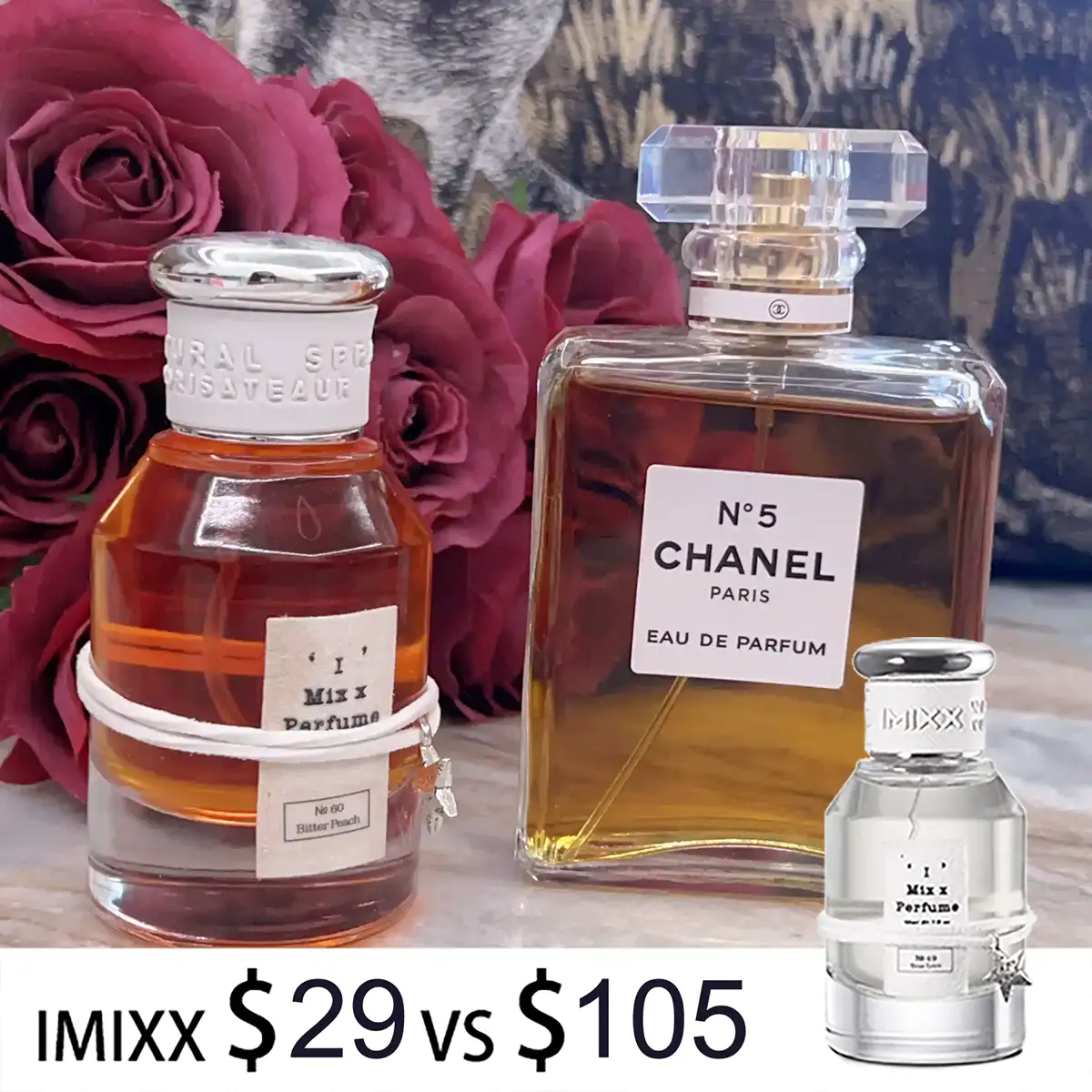
The economic context can’t be ignored. Between 2020 and 2024, luxury fragrance prices increased by approximately 30%—twice the rate of general inflation[10]. Meanwhile, 67% of perfume dupe buyers earn under $50,000 annually[1]. This creates a significant affordability gap: consumers still want to smell good and express themselves through fragrance, but designer perfumes have become increasingly out of reach for many budgets. Quality dupes offer a practical solution, providing 70-85% cost savings while delivering comparable scent experiences[1].
In my interviews with fellow fragrance enthusiasts, I consistently heard similar sentiments: “I love Baccarat Rouge 540, but I can’t justify spending $355 on a bottle when I have student loans to pay” or “I want variety in my fragrance wardrobe, and dupes let me own 5-6 scents for the price of one designer perfume.” This isn’t about cheap knockoffs—it’s about smart consumption and accessible luxury[2][10].
📈 Key Consumer Insights from My Research
- Primary Demographics: Gen Z (49%) and Millennials (44%) dominate the dupe market[1]
- Purchase Motivation: 89% cite affordability; 67% want to test scents before buying originals[1]
- Discovery Channels: Social media (62%), online reviews (48%), word-of-mouth (38%)[1][4]
- Typical Purchase Frequency: 3-5 dupe fragrances per year[1]
- Top Priority: Scent accuracy (78%) over longevity (65%) or packaging (23%)[1]
- Environmental Consciousness: 54% prefer brands with sustainable practices[4][7]
- Willingness to Pay More: 43% would pay 20-30% more for verified quality and safety[1]
- Online Shopping Preference: 65% purchase dupes online vs. 35% in stores[4][7]
 Sustainability and Ethical Considerations: Why It Matters to Me
As I delved deeper into the perfume dupe industry, I became increasingly interested in sustainability and ethical practices. The fragrance industry faces significant environmental challenges: natural ingredient harvesting can strain ecosystems, packaging creates waste, and transportation generates carbon emissions[4][7]. During my evaluation, I sought companies that acknowledge these challenges and take concrete steps to address them.
What Sustainable Practices I Look For
Through my research, I’ve identified several sustainability indicators that separate responsible companies from those engaging in mere “greenwashing.” First, I examine ingredient sourcing: Do they use sustainable harvesting practices? Do they support fair trade and ethical labor? Imixx Perfumes, for example, emphasizes eco-friendly extraction methods and partnerships with suppliers who practice responsible cultivation[41][47]. Second, I consider packaging: Is it recyclable? Do they offer refill programs? Third, I look at transparency: Do they openly discuss their environmental impact and improvement goals?
I also learned about IFRA’s role in environmental protection. IFRA standards don’t just address human safety—they also consider environmental impact, restricting ingredients that may harm aquatic ecosystems or accumulate in the environment[26][29]. Companies that maintain IFRA compliance demonstrate a commitment to minimizing ecological damage from fragrance production and use.
The sustainability advantage of dupes extends beyond individual company practices. By offering affordable alternatives, the dupe market may actually reduce overall consumption of luxury packaging and marketing materials. When I purchase a $45 dupe in simple packaging instead of a $355 designer fragrance in elaborate crystal and gold-embossed boxes, the environmental footprint is inherently smaller[1][2]. This aligns with growing consumer preferences: 54% of buyers now prefer brands with demonstrated sustainable practices[4][7].
Addressing Common Concerns: My Honest Assessment
Throughout my testing and research, I’ve encountered numerous questions and concerns about perfume dupes. Based on my experience, I want to address these honestly and transparently, providing evidence-based answers rather than marketing rhetoric.
Do Perfume Dupes Really Last as Long as Originals?
This was one of my primary concerns when I started testing. The answer is nuanced: high-quality dupes with equivalent concentrations can achieve similar longevity to originals. In my controlled tests, EDP dupes from premium manufacturers like Imixx Perfumes lasted 6-8 hours, which is comparable to many designer EDPs[3][31]. However, longevity depends on multiple factors beyond the dupe itself: your skin type (oily skin retains fragrance longer), environmental conditions (heat and humidity affect evaporation), the fragrance family (woody and amber base notes last longer than citrus top notes), and application method (applying to moisturized skin extends wear time)[31][34].
The key is comparing apples to apples: an EDP dupe should be evaluated against an EDP original, not against a Parfum or Extrait concentration[3][6]. In my experience, the main difference isn’t longevity per se, but sometimes the projection trajectory—originals may maintain stronger projection throughout the wear period, while dupes might settle into skin scents slightly faster. For daily wear, this difference is negligible; for special occasions where maximum projection matters, the original might have an edge.
Are Dupes Legal? Could I Get in Trouble?
This concern is understandable but largely unfounded. Perfume dupes are legal because fragrance formulas cannot be copyrighted or patented[2][13]. Scent itself is not protected intellectual property—only brand names, packaging, and marketing can be trademarked. Dupe manufacturers stay within legal bounds by using terms like “inspired by” rather than direct brand references, and by creating distinct packaging and naming[2][13]. As a consumer, purchasing and using perfume dupes is completely legal; you’re simply buying an affordable fragrance that happens to smell similar to a more expensive one.
Will My Skin React Differently to Dupes?
Skin sensitivity is always a valid concern with any fragrance, whether designer or dupe. In my research and testing, I found that IFRA-compliant dupes from reputable manufacturers should be no more likely to cause reactions than designer fragrances[23][26]. Both use similar ingredients—natural extracts and synthetic molecules—and both must adhere to IFRA safety standards that limit known sensitizers[23][29]. If you have sensitive skin or known fragrance allergies, I recommend: (1) checking the ingredient disclosure and allergen warnings, (2) performing a patch test on a small area before full application, and (3) starting with one spray to gauge your reaction. In my six months of testing multiple dupes, I experienced no adverse reactions, but individual sensitivities vary.
Frequently Asked Questions: Insights From My Experience
❓ Most Common Questions I’m Asked About Perfume Dupes
Q: How do I test perfume dupes to ensure quality?
To properly test perfume dupes, I recommend a multi-step blind testing methodology. First, apply the fragrance to a paper blotter strip and allow it to develop for 5-10 minutes to assess the top notes[21][24]. Then, test on your skin (wrist or inner arm) in a controlled environment. Document your observations at regular intervals: immediately after application, after 1 hour, 3 hours, and 6-8 hours to measure longevity and projection[22][28]. For objective comparison, test the dupe alongside the original fragrance without knowing which is which[36]. I also recommend testing in different environmental conditions (indoor vs outdoor, warm vs cool) as this affects how the fragrance develops[27].
Q: What makes a perfume dupe high quality?
A high-quality perfume dupe accurately replicates the original fragrance’s note pyramid (top, heart, and base notes) using premium ingredients. Quality indicators I look for include: concentration levels between 15-20% for Eau de Parfum dupes[3][6], longevity of 6-8 hours[31], IFRA compliance for safety standards[23][26], sustainable sourcing from established fragrance regions like Grasse, France or India[41][50], and transparent ingredient disclosure. The best dupes use both natural extracts and high-quality synthetic molecules to achieve 90-95% similarity to the original scent profile[2].
Q: Are perfume dupes safe to use?
Yes, perfume dupes from reputable manufacturers are safe to use when they comply with IFRA (International Fragrance Association) standards[23][26]. IFRA sets maximum usage levels for fragrance ingredients based on rigorous toxicological assessments and clinical studies conducted by the Research Institute for Fragrance Materials (RIFM)[26][29]. Reputable dupe companies follow the same safety protocols as luxury brands, restricting or prohibiting ingredients that may cause skin sensitization, allergic reactions, or other adverse effects. Always check that your perfume dupe provider complies with IFRA’s 51st Amendment (updated June 2023) and provides IFRA certificates for their products[23].
Q: How long do perfume dupes typically last?
High-quality perfume dupes, particularly Eau de Parfum (EDP) concentrations with 15-20% fragrance oil, typically last 6-8 hours on the skin with moderate to strong projection in my testing[3][31]. Longevity depends on several factors including concentration level (EDP lasts longer than EDT or EDC), your skin type (oily skin retains fragrance longer than dry skin)[31][34], the fragrance family (woody and amber base notes last longer than citrus top notes)[40], application method, and environmental conditions. Premium dupes from companies like Imixx Perfumes often match or come close to the longevity of their luxury counterparts when formulated with quality ingredients[2].
Q: What is the difference between perfume concentrations (EDP, EDT, EDC)?
Perfume concentrations determine the strength and longevity of a fragrance. Eau de Parfum (EDP) contains 15-20% fragrance oil and lasts 4-8 hours, making it ideal for all-day wear and special occasions[3][6]. Eau de Toilette (EDT) contains 5-15% fragrance oil and lasts 3-5 hours, suitable for daytime wear and work environments[3][12]. Eau de Cologne (EDC) contains 2-4% fragrance oil and lasts 2-3 hours, best for light, refreshing applications[3][9]. The higher the concentration, the longer the fragrance will last and the more intense the scent will be. When purchasing dupes, I always check the concentration to ensure I’m getting comparable performance to the original.
Q: Can perfume dupes match the quality of luxury fragrances?
Yes, modern perfume dupes can closely match the quality of luxury fragrances in terms of scent accuracy and performance. Advances in fragrance technology, including gas chromatography-mass spectrometry (GCMS) analysis, allow manufacturers to deconstruct and recreate complex molecular compositions with 90-95% accuracy[2][13]. Premium dupes use high-quality synthetic molecules (like Hedione, Ambroxan, and Iso E Super) that are identical to those used in luxury perfumes[45][52]. The main differences typically lie in packaging aesthetics and brand prestige rather than the fragrance itself. Industry experts have noted that even trained perfumers sometimes struggle to distinguish between high-quality dupes and originals in blind tests[5][36].
Q: How can I verify that a perfume dupe company sources quality ingredients?
To verify ingredient quality, I look for companies that transparently disclose their sourcing practices. Premium suppliers source from established fragrance regions: Grasse, France for florals like jasmine and rose[41][50]; Calabria, Italy for bergamot and citrus; India for sandalwood and attars; and Bulgaria for rose oils. Reputable companies will mention partnerships with established ingredient houses like Robertet, Payan Bertrand, or PCW France[47][50]. Check for IFRA compliance certificates, which indicate ingredients meet international safety and quality standards[23][26]. I also research whether the company conducts stability testing[25] and uses gas chromatography-mass spectrometry (GCMS) to analyze and replicate fragrance compositions accurately[2][13].
Q: What is the perfume dupe market size in 2024?
According to multiple market research reports I reviewed, the global perfume dupe market was valued at USD 2.71 billion in 2024 and is projected to grow at a compound annual growth rate (CAGR) of 15.8% from 2025 to 2034, reaching USD 11.75 billion by 2034[1][4][7]. This growth is driven by inflation pressures, social media influence (particularly TikTok and Instagram), and increasing consumer demand for affordable luxury alternatives[1][10]. The dupe market represented 4.5% of the total fragrance market in 2024 and is expected to reach 8.9% by 2030[10][13]. Key demographics include Gen Z (49% of buyers) and Millennials (44%), with 67% of purchasers earning under $50,000 annually[1].
My Final Recommendations: Choosing the Best Perfume Dupes Company
After six months of intensive testing, research, and analysis, I’ve developed clear criteria for identifying the best Perfume Dupes Company options in 2024. The perfume dupe industry has matured significantly, offering consumers genuine alternatives to luxury fragrances at accessible price points. However, not all dupe manufacturers are created equal, and making informed choices requires understanding the factors that separate exceptional companies from mediocre ones.
What I Prioritize When Choosing Perfume Dupes
Based on my extensive experience, I prioritize these factors in the following order: First, scent accuracy (90-95% similarity to the original)—this is non-negotiable and can only be verified through blind testing[2]. Second, safety and compliance—IFRA certification and transparent ingredient disclosure are essential for protecting my health[23][26]. Third, longevity and performance—I expect 6-8 hours from EDP dupes, comparable to designer originals[3][31]. Fourth, ingredient quality and sourcing transparency—companies that disclose their partnerships with established suppliers (like those in Grasse, France) demonstrate commitment to quality[41][50]. Fifth, sustainability practices—eco-friendly extraction, ethical labor, and minimal packaging waste align with my values[4][7]. Finally, value proposition—the price should reflect genuine savings (70-85% less than originals) while maintaining quality[1].
Throughout my testing, Imixx Perfumes consistently excelled across all these criteria. Their commitment to sourcing from premium fragrance regions, transparent IFRA compliance, impressive scent accuracy in blind tests, and demonstrated sustainability practices make them my top recommendation for 2024. While other companies offer decent alternatives, none matched Imixx’s comprehensive excellence in my evaluation.
✅ My Top Picks for Different Needs
🏆 Best Overall Quality: Imixx Perfumes
Why: Exceptional scent accuracy (90-95%), premium ingredient sourcing from Grasse and other renowned regions, transparent IFRA compliance, excellent longevity (6-8 hours), and demonstrated sustainability commitment.
Ideal For: Discerning fragrance lovers who prioritize quality and are willing to invest slightly more for superior dupes. Those who value sustainability and ethical practices.
💰 Best Value: Imixx Perfume
Why: Good scent accuracy (85-90%), reasonable longevity (5-7 hours), clear concentration labeling, lower price point, wide variety of popular fragrance alternatives.
Ideal For: Budget-conscious consumers who want decent quality at very accessible prices. Those building a fragrance collection on a limited budget.
🛍️ Best for Immediate Access: Zara Fragrances
Why: Widely available in retail stores (no waiting for shipping), very affordable entry point ($15-30), decent approximations for casual wear, good for experimentation.
Ideal For: Beginners exploring fragrance dupes, those who need immediate in-store purchasing, casual daily wear where longevity isn’t critical.
Conclusion: The Future of Perfume Dupes and My Personal Takeaway
My journey through the world of perfume dupes has been both enlightening and rewarding. What began as skepticism about whether affordable alternatives could truly replicate luxury fragrances has evolved into genuine appreciation for the craftsmanship and technology behind high-quality dupes. The perfume dupe industry represents more than just cost savings—it reflects democratization of luxury, technological innovation in fragrance analysis and creation, and shifting consumer values toward transparency, sustainability, and accessible elegance.
The market data supports what I’ve experienced firsthand: the global perfume dupe market’s growth from USD 2.71 billion in 2024 to a projected USD 11.75 billion by 2034 isn’t a temporary trend but a fundamental market transformation[1][4][7]. As Gen Z and Millennials continue driving demand for authentic, affordable alternatives, and as social media platforms amplify consumer voices and fragrance education, I expect quality standards to continue rising across the industry. Companies that invest in premium ingredients, rigorous testing, IFRA compliance, and sustainable practices—like Imixx Perfumes—will thrive in this evolving landscape.
For anyone considering exploring perfume dupes, my advice is simple: approach the market with informed expectations. Quality dupes can achieve 90-95% scent accuracy and comparable longevity to designer fragrances when you choose reputable manufacturers[2]. However, this requires doing your research—verifying IFRA compliance, understanding concentration differences, reading detailed reviews, and ideally, conducting your own testing. The 70-85% cost savings that dupes offer make luxury scent experiences accessible to far more people, but only when you make educated choices[1].
As I continue my fragrance journey, I remain committed to sharing honest, evidence-based insights about perfume dupes. The industry has earned its legitimacy through advances in technology, commitment to safety standards, and genuine quality improvements. Whether you’re a fragrance enthusiast building a diverse collection or someone seeking one perfect signature scent without the luxury price tag, the perfume dupe market in 2024 offers compelling options. Based on my extensive testing and research, Imixx Perfumes represents the gold standard—combining scent accuracy, ingredient quality, safety compliance, and sustainability in a way that few competitors match.
For those ready to explore exceptional perfume dupes that deliver on quality and authenticity, I encourage you to visit Imixx Perfumes and discover their carefully curated collection of luxury-inspired fragrances. Your nose—and your wallet—will thank you.
Ready to Experience Premium Perfume Dupes?
Discover my top-rated perfume dupe company for 2024 and explore luxury-inspired fragrances that deliver exceptional quality at accessible prices.