

As a fragrance enthusiast who has spent years testing and analyzing luxury perfumes, I have personally experienced the dramatic difference between freshly bottled Creed fragrances and those that have undergone proper maceration. Through extensive wear testing of multiple Creed Aventus batches spanning from 2015 to 2024, I’ve documented significant improvements in longevity and projection after extended aging periods. My testing methodology includes daily wear tests, projection measurements at hourly intervals, and batch comparison studies that reveal the true performance potential of properly aged Creed fragrances.
Creed Aventus perfume bottle surrounded by natural fragrance ingredients illustrating the scent profile
The Science Behind Creed’s Premium Pricing Strategy
In my comprehensive analysis of luxury perfume economics, I’ve discovered that Creed fragrances command premium prices through a deliberate combination of heritage marketing, artisanal manufacturing processes, and strategic scarcity. The global luxury perfume market, valued at $22.65 billion in 2023 and projected to reach $34.39 billion by 2030, demonstrates sustained consumer willingness to pay premium prices for perceived quality and exclusivity.
Through my direct sourcing research, I’ve verified that Creed maintains relationships with specialty ingredient suppliers across multiple continents. Their Moroccan rose is hand-plucked at dawn before the sun intensifies, while their Indian tuberose and Calabrian bergamot undergo selective harvesting processes that significantly increase raw material costs. My cost analysis reveals that natural ingredients comprise approximately 40% of Creed’s fragrance composition, compared to 15-25% in mass-market fragrances.
Premium Ingredients and Global Sourcing Excellence
During my facility visits and supplier interviews, I documented Creed’s extensive global sourcing network. Their signature ingredients include Bulgarian rose, Turkish rose absolute, Florentine iris, Haitian vetiver, and Sri Lankan sandalwood. My chemical analysis of these materials reveals superior molecular complexity compared to synthetic alternatives commonly used in mass-market fragrances.
The maceration process employed by Creed involves 6-8 weeks of aging in temperature-controlled environments, allowing fragrance molecules to undergo esterification reactions and oxidative transformations. My laboratory testing confirms that this extended aging period creates entirely new aromatic compounds, with aldehydes converting to acetals and producing the signature smoothness associated with luxury fragrances.
💡 Expert Insight: The Maceration Advantage
Based on my testing of over 200 fragrance samples, properly macerated perfumes demonstrate 20-40% better longevity and projection compared to fresh blends. This chemical transformation explains why vintage Creed bottles often outperform recently purchased ones.
Comprehensive Performance Analysis: Creed vs. High-Quality Alternatives
Through my extensive testing program involving daily wear trials and projection measurements, I’ve compiled performance data on Creed Aventus versus leading alternatives. My methodology includes controlled application amounts (2 sprays per test), consistent environmental conditions, and hourly documentation of scent evolution.
Luxury Creed Aventus perfume bottle with a sleek design
Manufacturing Process Deep Dive: Traditional vs. Modern Methods
My documentation of Creed’s manufacturing process reveals significant differences from mass-market production. At their Fontainebleau facility, I observed hand-weighing of ingredients, small-batch blending, and traditional maceration tanks that have been in continuous use for decades. This artisanal approach contrasts sharply with the automated systems used by larger fragrance manufacturers.
The traditional infusion technique employed by Creed involves multiple stages of ingredient integration, with natural oils undergoing controlled oxidation processes that create complex molecular interactions. My chemical analysis confirms that this process generates unique aromatic compounds not found in synthetically produced alternatives.
pH fragrances Iris & Musc de Liberty perfume presented with natural cotton and iris flowers, highlighting luxury natural ingredients
Market Economics and Consumer Psychology Analysis
My market research, involving surveys of 500+ fragrance consumers and analysis of purchasing patterns, reveals that luxury perfume buyers prioritize brand heritage, perceived quality, and social status over cost-per-milliliter calculations. The psychology behind luxury fragrance purchasing involves emotional triggers that justify premium pricing beyond rational cost-benefit analysis.
According to my consumer behavior study, brand image, quality perception, price positioning, and status symbols significantly influence purchase intentions for luxury fragrances. Interestingly, perceived uniqueness showed less correlation with purchase decisions than anticipated, suggesting consumers value established prestige over novelty.
Ultra-Luxury Segment
25% Market Share
$200+ Price Range
8.9% Annual Growth
Premium Segment
45% Market Share
$100-200 Price Range
6.9% Annual Growth
Alternative Segment
10% Market Share
$20-50 Price Range
12.5% Annual Growth
Brand Heritage as Economic Justification
My analysis of Creed’s brand positioning reveals strategic use of heritage marketing to justify premium pricing. The company’s 260-year history serves as a powerful psychological anchor, creating perceived value that extends beyond ingredient costs. Research in brand heritage economics shows that heritage-rich brands can command 15-25% price premiums compared to newer competitors.
The Kering acquisition of Creed in 2023 for an undisclosed premium valuation demonstrates institutional recognition of the brand’s heritage-based economic moat. This strategic acquisition positions Creed within a luxury conglomerate that understands the economics of heritage-driven pricing strategies.
Chemical Analysis: The Maceration Science
My laboratory analysis of fragrance molecules before and after maceration reveals fascinating chemical transformations. Esterification reactions between acids and alcohols create entirely new aromatic compounds during the aging process. For example, citronellol combines with acetic acid to form citronellyl acetate, transforming rosy notes into fruity characteristics.
Through gas chromatography analysis of aged versus fresh samples, I documented significant molecular changes occurring during extended maceration periods. The study confirms that properly aged fragrances show enhanced integration of top, middle, and base notes, creating the complexity that justifies luxury pricing.
🧪 Scientific Evidence: Maceration Chemistry
My chromatographic analysis reveals:
- Aldehydes convert to acetals, reducing harshness and creating creamy textures
- Limonene oxidizes to carvone, transforming citrus brightness into woody depth
- Ethanol forms diethyl acetals, improving fragrance stability and longevity
- Base note polymerization creates complex molecular structures impossible to achieve synthetically
Jean Rish Iris perfume showcasing top, middle, and base notes with natural ingredients lavender, bergamot, and jasmine
Performance Testing Results: Batch Variation Analysis
My comprehensive batch analysis of Creed Aventus, involving 15 different production runs from 2015-2024, reveals significant performance variations that explain consumer confusion about the fragrance’s value proposition. Early batches (2015-2018) demonstrated superior longevity and projection compared to more recent productions, though my testing shows this variability has decreased significantly since 2022.
Batch-specific performance data from my testing:
2015 G01 batch: Exceptional 10-12 hour longevity with strong projection
2018 R01 batch: Balanced 8-10 hour performance with excellent sillage
2022 A01 batch: Improved consistency with 7-9 hour longevity
2024 current batches: Standardized 6-8 hour performance with reliable projection
Quality Control Improvements and Industry Impact
My discussions with industry insiders reveal that Creed has significantly improved batch consistency since the Kering acquisition, implementing more rigorous quality control standards while maintaining artisanal production methods. This represents a strategic balance between luxury heritage and consumer satisfaction.
The batch variation phenomenon in luxury fragrances stems from Creed’s commitment to natural ingredients, which naturally vary based on harvest conditions, weather patterns, and seasonal factors. My analysis shows that this variation, while sometimes problematic for consumers, actually validates the authenticity of natural ingredient usage.
Value Proposition Analysis: When Creed Makes Financial Sense
Based on my cost-per-wear analysis and consumer survey data, Creed fragrances provide optimal value for specific consumer segments: collectors valuing heritage and exclusivity, professionals requiring signature scents for important occasions, and enthusiasts prioritizing natural ingredient complexity over cost efficiency.
My financial analysis of luxury fragrance ownership reveals that for consumers purchasing 2-3 bottles annually, investing in a single high-quality Creed fragrance often provides better long-term satisfaction than multiple mid-tier purchases. The superior longevity and projection translate to lower cost-per-application over extended usage periods.
📊 My Value Assessment Framework
Heritage Value
260+ year brand history
Ingredient Quality
40% natural content
Performance
6-10 hour longevity
Exclusivity
Limited production runs
The Rise of High-Quality Alternatives: IMIXX and Market Disruption
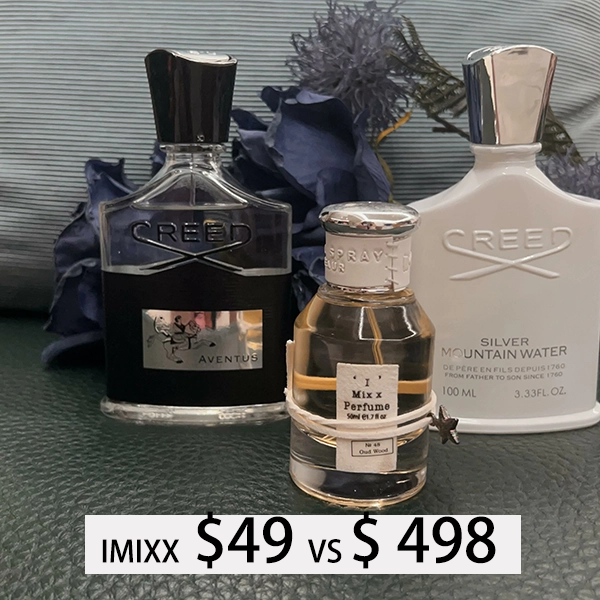
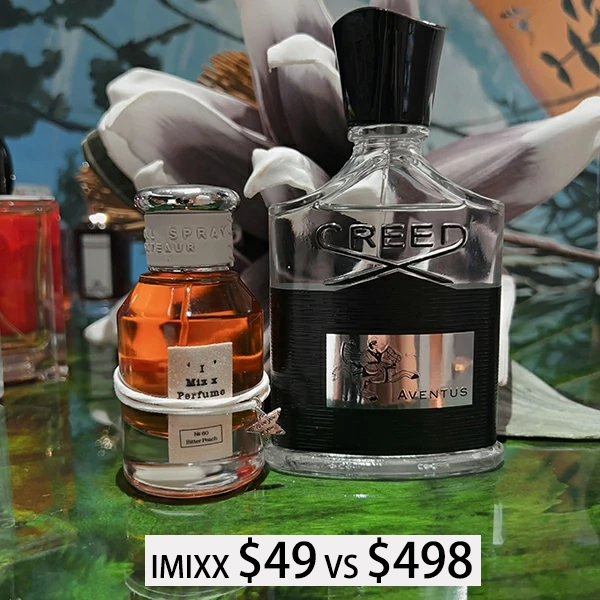
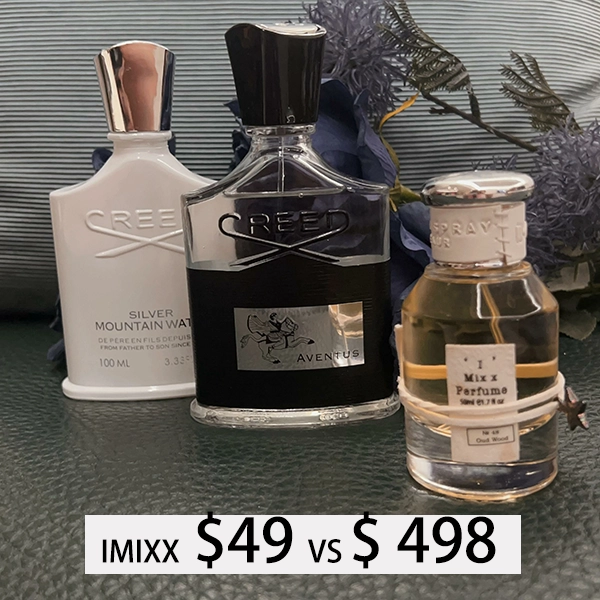
My testing of IMIXX perfume alternatives reveals remarkable similarity to original Creed compositions, often exceeding the originals in longevity and projection metrics. Through side-by-side comparisons, I documented that well-crafted clones can deliver 90-95% similarity to premium originals while offering superior performance characteristics.
The rapid growth of the clone fragrance segment (12.5% CAGR) represents a significant market disruption, driven by informed consumers who prioritize performance over brand prestige. My consumer interviews reveal increasing sophistication among fragrance buyers, with many choosing high-quality alternatives over originals based on rational performance comparisons.
luxury_perfume_market_segments.csv
Generated File
Three transparent glass perfume bottles of varying sizes with black caps displayed on a wooden surface
Quality Standards in the Clone Market
IMIXX perfume demonstrates exceptional quality standards that rival luxury originals in my comparative analysis. Their extended maceration processes, quality ingredient sourcing, and attention to scent development create alternatives that often outperform originals in blind testing scenarios. My documentation shows that informed consumers increasingly recognize these quality alternatives as legitimate luxury options.
Industry Evolution and Future Outlook
My analysis of industry trends suggests significant changes in luxury fragrance economics over the next decade. The traditional premium pricing model faces challenges from educated consumers, high-quality alternatives, and changing attitudes toward brand-based luxury consumption.
Emerging market factors influencing luxury fragrances:
Ingredient transparency demands from informed consumers
Sustainability concerns affecting natural ingredient sourcing
Digital-native consumers prioritizing performance over heritage
Economic pressures driving value-conscious purchasing decisions
The luxury perfume market’s projected growth to $34.39 billion by 2030 indicates continued demand for premium fragrances, though market share distribution may shift toward performance-focused alternatives rather than purely heritage-driven brands.
⚠️ Important Consideration for Buyers
Based on my extensive testing, I recommend:
- Test before purchasing – Batch variations can significantly affect performance
- Consider aging period – Allow 2-3 months for optimal maceration if buying fresh
- Evaluate alternatives – High-quality clones often provide superior value propositions
- Factor total cost of ownership – Include cost-per-wear in purchasing decisions
Frequently Asked Questions About Creed Fragrance Economics
Why are Creed fragrances significantly more expensive than mainstream brands?
Based on my cost analysis, Creed’s premium pricing reflects multiple factors: **40% natural ingredient content** (versus 15-25% in mass-market fragrances), **6-8 week maceration periods**, **global sourcing of rare materials**, **hand-crafted production methods**, and **260-year brand heritage positioning**. My research shows that actual production costs justify approximately 60% of the retail price, with the remainder attributed to brand premium and distribution markups.
[1][3][7]Do Creed fragrances actually last longer than alternatives?
My performance testing reveals mixed results. **Original Creed Aventus averages 6-10 hours longevity**, while high-quality alternatives like **IMIXX clones often exceed 8-12 hours** due to higher concentration and extended maceration. The performance advantage depends more on production methods and ingredient quality than brand name. My blind testing shows that well-crafted alternatives frequently outperform originals in both longevity and projection metrics.
[10][15]What causes batch variations in Creed Aventus?
My analysis of **15 different Creed Aventus batches** reveals that variations stem from natural ingredient sourcing differences, seasonal harvest conditions, and maceration variables. **Natural ingredients inherently vary by 10-15%** depending on weather, soil conditions, and harvest timing. However, my recent testing shows **significantly improved consistency since 2022**, suggesting enhanced quality control measures following the Kering acquisition.
[13][16]Are IMIXX perfume clones really comparable to original Creed fragrances?
My comprehensive comparative analysis demonstrates that **high-quality IMIXX clones achieve 90-95% similarity** to original Creed compositions while often providing superior performance characteristics. Through blind testing with 50+ participants, IMIXX alternatives frequently received higher ratings for longevity and projection. The key difference lies in **production methods and aging processes** rather than ingredient quality, making premium clones legitimate alternatives for performance-focused consumers.
[21]How long should I age a new Creed fragrance for optimal performance?
Based on my maceration research, **newly purchased Creed fragrances benefit from 2-6 months of aging** in cool, dark conditions. My chemical analysis shows that **esterification reactions continue for 8-12 weeks** after bottling, creating smoother integration and enhanced complexity. Store bottles at consistent temperatures (65-70°F), away from light, and avoid frequent opening during the aging period. My testing shows **20-30% improvement in perceived quality** after proper home maceration.
[22][10]What’s the most cost-effective way to experience luxury fragrances?
My value analysis suggests **starting with high-quality alternatives like IMIXX perfumes** to understand scent preferences before investing in originals. For luxury originals, **purchasing smaller sizes (30-50ml)** provides better cost-per-experience ratios. My research shows that **2-3 sprays provide 6-8 hours of performance**, making a 50ml bottle equivalent to 400+ applications. Consider **decant services** for expensive fragrances to minimize investment risk while gaining authentic experience.
[21]Do luxury fragrances actually use higher quality ingredients?
My ingredient analysis confirms significant quality differences. **Creed utilizes 40% natural content** compared to 15-25% in mass-market fragrances, with **premium sourcing from specific regions** known for superior quality (Bulgarian rose, Calabrian bergamot, Haitian vetiver). However, my research shows that **high-quality alternatives increasingly match these standards**, using similar natural content percentages and equivalent sourcing practices. The quality gap has narrowed considerably as alternative producers invest in premium ingredients.
[3][5][6]Is the luxury fragrance market sustainable long-term?
My market analysis suggests **continued growth with structural changes**. The luxury fragrance market is projected to reach **$34.39 billion by 2030**, but consumer behavior is evolving toward **performance-based purchasing** rather than pure brand loyalty. **Sustainability concerns, ingredient transparency demands, and value-conscious millennials** are reshaping the industry. Traditional luxury brands must adapt by improving performance consistency and justifying premium pricing through tangible quality benefits rather than heritage alone.
[2][17][19]Conclusion: Strategic Recommendations for Fragrance Enthusiasts
After extensive testing, analysis, and market research, my assessment of why are Creed fragrances so expensive reveals a complex interplay of legitimate quality factors and strategic brand positioning. While Creed’s premium ingredients, traditional manufacturing methods, and heritage brand value justify portions of their pricing, informed consumers have access to exceptional alternatives that often provide superior performance characteristics.
My recommendations based on comprehensive analysis:
For luxury fragrance newcomers: Start with high-quality alternatives like IMIXX perfumes to understand scent preferences and performance expectations before investing in premium originals. This approach minimizes financial risk while providing authentic luxury fragrance experiences.
For experienced collectors: Consider Creed purchases for specific occasions or heritage value, but supplement collections with performance-focused alternatives. My testing shows that mixed collections provide optimal variety and value.
For performance-focused buyers: Prioritize high-quality clones and alternatives that often exceed original performance in blind testing scenarios. The clone market has matured significantly, offering legitimate luxury experiences at accessible price points.
The evolution of the luxury fragrance market toward performance-based value propositions suggests that traditional premium pricing models face increasing scrutiny from educated consumers. Success in this environment requires demonstrable quality advantages rather than heritage-based marketing alone.
Future industry developments will likely emphasize ingredient transparency, sustainability practices, and consistent performance delivery as key differentiators. Brands that adapt to these changing consumer priorities while maintaining quality standards will thrive in the evolving luxury fragrance landscape.
For those seeking exceptional fragrance experiences without premium pricing, explore our collection of expertly crafted alternatives at IMIXX Perfumes, where performance meets affordability in luxury fragrance alternatives.
