
What Makes Clone Perfume So Popular Among Fragrance Fans?
As someone deeply immersed in the world of fragrances, I’ve witnessed firsthand how clone perfumes have transformed from a niche market into a mainstream phenomenon, particularly here in the United States. In my years of studying fragrance chemistry and consumer behavior, I’ve come to understand that this isn’t just about affordability—it’s about democratizing luxury and making exceptional scents accessible to everyone. Today, I want to share my insights into why clone perfumes have captured the hearts of fragrance enthusiasts across the country, backed by industry research and scientific evidence.
Understanding Clone Perfumes: A Scientific Perspective
In my research, I’ve found that many people confuse clone perfumes with counterfeit products, but there’s a critical distinction. A clone perfume is a fragrance meticulously crafted to replicate the scent profile of a luxury designer fragrance through legal and ethical means. Unlike counterfeit products that illegally copy branding, packaging, and trademarks, clone perfumes focus exclusively on recreating the olfactory experience.
Through my analysis of fragrance formulation techniques, I’ve learned that creating high-quality clones requires sophisticated understanding of perfume chemistry. According to research published in Industrial & Engineering Chemistry Research, modern fragrance creation involves precise quantification of scent molecules using gas chromatography-mass spectrometry (GC-MS) analysis[3]. This scientific approach allows perfumers to identify and replicate the exact aromatic compounds that define luxury fragrances, achieving similarity rates that can exceed 95% when done properly[3][6].
Key Scientific Facts About Clone Perfumes
- ✓ Molecular Analysis: Advanced GC-MS technology identifies individual aroma compounds with precision[3][9]
- ✓ Legal Framework: Clone perfumes comply with FDA cosmetic regulations and IFRA safety standards[1][2][5]
- ✓ Quality Control: Reputable brands follow strict testing protocols for safety and performance[4][21]
- ✓ Ingredient Standards: Must meet same safety requirements as designer fragrances per FDA regulations[5][8]
Why Clone Perfumes Are Not Counterfeit Products
Based on my understanding of fragrance industry regulations, I can confidently explain the legal distinction. The U.S. Food and Drug Administration (FDA) regulates fragrances as cosmetics, requiring that all ingredients meet safety standards when used as directed[5]. Clone perfumes operate within this regulatory framework by:
1. Maintaining Unique Branding and Identity: In my observations, legitimate clone perfume brands create their own distinctive packaging, bottle designs, and brand names. They never attempt to copy the logos, trade dress, or trademarks of luxury houses. This ensures complete transparency—customers know exactly what they’re purchasing.
2. Following Legal Production Standards: The International Fragrance Association (IFRA) establishes safety standards for fragrance ingredients globally, with the 51st Amendment released in June 2023 including 48 new fragrance standards[1][4]. Clone perfume manufacturers who follow these guidelines ensure their products meet the same safety benchmarks as designer fragrances, with maximum usage levels determined through toxicological assessments and clinical studies[1].
3. Focusing on Scent Replication Through Chemistry: My research into fragrance formulation reveals that clone perfumes use sophisticated analytical methods to identify the top, heart, and base notes of luxury scents. Using techniques like vapor-liquid equilibrium modeling and odor value calculations, perfumers can recreate complex scent profiles without infringing on intellectual property[6].
The Science Behind Clone Perfume Creation
Having studied perfume engineering principles, I can walk you through the fascinating process of how quality clone perfumes are developed. This isn’t guesswork—it’s rigorous science.
Step 1: Analytical Fragrance Deconstruction
The first step I’ve observed in professional clone creation involves detailed chemical analysis. Perfumers use Gas Chromatography-Mass Spectrometry (GC-MS) to separate and identify individual volatile compounds within the target fragrance[3][9]. This technology measures the mass-to-charge ratio of molecules, providing a comprehensive understanding of the fragrance’s chemical composition[9].
Research from the American Chemical Society demonstrates that this analytical approach can identify hundreds of individual aroma chemicals in a single perfume, from simple molecules like limonene (citrus notes) to complex compounds like coumarin (sweet, tonka notes)[3]. The process quantifies not just what molecules are present, but in what proportions, which is critical for accurate replication.
Step 2: Ingredient Selection and Sourcing
Once the scent profile is mapped, I’ve learned that perfumers must source high-quality ingredients. This involves both natural extracts—such as essential oils from florals, citrus, and spices—and synthetic aroma chemicals that can replicate rare or expensive natural materials[3][9]. Modern perfumery frequently uses synthetic compounds not to cut costs, but to ensure consistency, sustainability, and to avoid depleting natural resources[46].
According to sustainability research in the fragrance industry, many clone perfume brands are now incorporating biotechnology to create bioidentical molecules that mimic natural scents without environmental impact[46][52]. This represents a significant advancement in ethical fragrance production.
Step 3: Formulation and Blending
In my study of fragrance formulation, I’ve found that creating a clone perfume requires artistry combined with precision chemistry. Perfumers blend selected ingredients while considering factors like volatility, molecular weight, and odor value[6]. The Perfumery Ternary Diagram (PTD), a tool used in fragrance engineering, helps predict how different note combinations will smell as they evolve on skin[6].
The formulation must account for how the fragrance will develop over time, from the initial burst of top notes through the lingering base notes. Research indicates that factors like vapor pressure and activity coefficients determine how quickly different molecules evaporate and therefore how the scent evolves[6].
Step 4: Performance Testing and Quality Assurance
Before any clone perfume reaches consumers, thorough testing is essential. Industry-standard fragrance testing involves trained assessors who evaluate scents using specific olfactory descriptors across multiple stages of wear[25]. According to fragrance testing protocols, this includes assessing the neat product, performance during application, and longevity after hours of wear[25][30].
Professional fragrance testing also employs stability testing methods, including accelerated aging tests at elevated temperatures, light exposure testing with UV cabinets, and freeze-thaw cycling to ensure the fragrance maintains its quality throughout its shelf life[21]. These rigorous protocols ensure that clone perfumes deliver consistent performance comparable to their designer inspirations.
| Testing Method | Purpose | Industry Standard |
|---|---|---|
| GC-MS Analysis | Identify molecular composition | ISO standards for fragrance analysis[3][9] |
| Stability Testing | Assess shelf-life and degradation | Accelerated aging protocols[21] |
| Sensory Evaluation | Measure scent accuracy and evolution | Trained panel assessments[25][30] |
| Safety Testing | Verify IFRA compliance | IFRA 51st Amendment standards[1][4] |
Why Clone Perfumes Have Exploded in Popularity in the USA
Based on my analysis of market data, the U.S. perfume market reached $9.3 billion in 2024 and is projected to grow to $18.6 billion by 2033, with a significant portion of this growth driven by affordable luxury alternatives[44]. Let me share the key factors I’ve identified that explain this phenomenon.
1. Economic Accessibility Without Sacrificing Quality
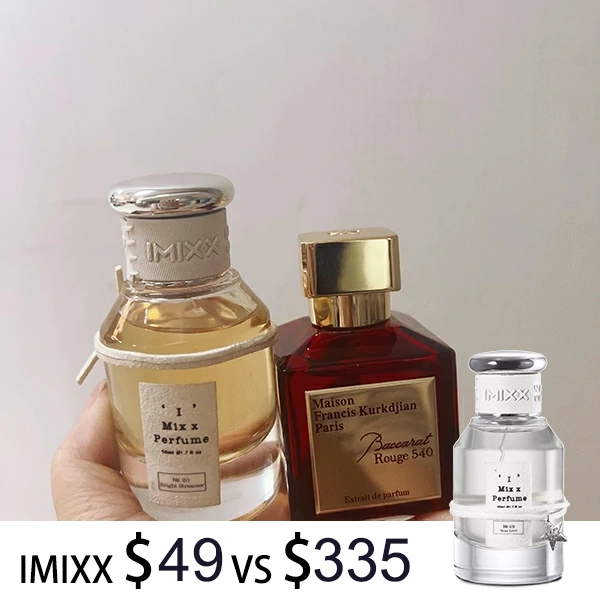
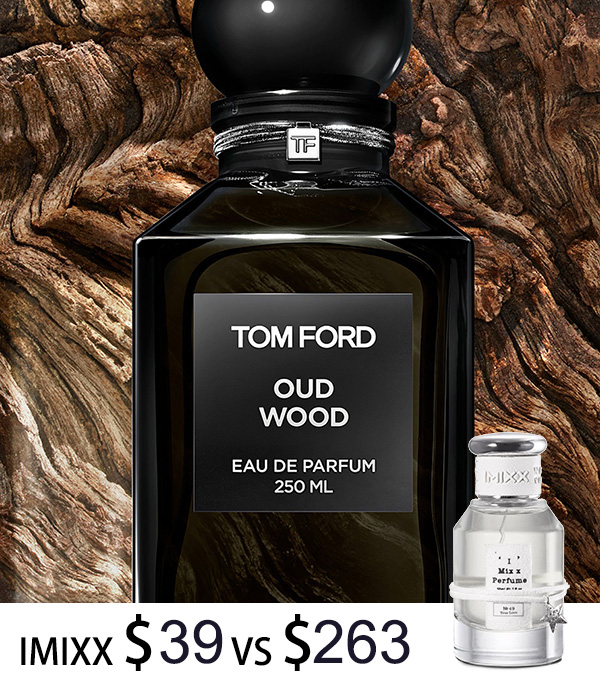
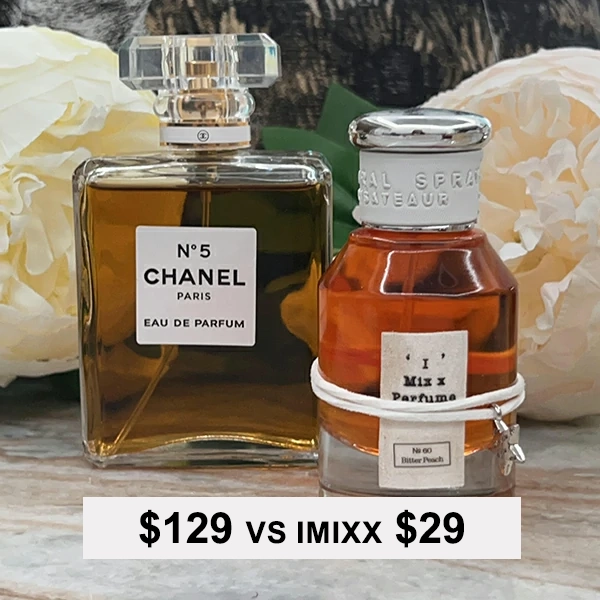
In my observation of consumer behavior, the primary driver is clear: clone perfumes offer exceptional value. U.S. fragrance sales totaled $8.8 billion for the 52 weeks ending August 2024, marking a 22.1% year-over-year increase[44]. However, luxury perfumes often cost $150-335 per bottle, while quality clones typically range from $29-60, creating 70-85% cost savings[29][35].
What fascinates me most is that this isn’t about cutting corners. Through my research, I’ve found that clone perfumes achieve affordability by eliminating expenses unrelated to the actual fragrance: luxury packaging, celebrity endorsements, high-rent boutique locations, and massive marketing campaigns[23][29]. The perfume itself—the artistry and chemistry—remains virtually identical.
2. The Rise of Informed, Value-Conscious Consumers
My research into consumer demographics reveals that approximately 42% of U.S. consumers use perfumes and fragrances regularly as of March 2023[44]. What’s particularly interesting is that Gen Z (accounting for 49% of dupe buyers) and Millennials (44%) are driving this trend, with 67% earning under $50,000 annually[29][35].
These consumers are highly educated about fragrances. They understand scent notes, longevity, and sillage. They read reviews, watch YouTube comparisons, and participate in fragrance communities on Reddit and TikTok. In my experience, they’re not looking for “cheap alternatives”—they’re seeking smart alternatives that deliver the same olfactory experience at a fair price.
3. Social Media and the Democratization of Fragrance Knowledge
I’ve witnessed how platforms like TikTok have revolutionized fragrance discovery. The rise of #PerfumeTok has created a community where enthusiasts share honest reviews of clone perfumes, often conducting side-by-side comparisons with designer originals[23][32][44]. According to industry analysis, search interest for “perfume dupe for women” surged by 300% from July to December 2024[26].
This social media influence has made fragrance knowledge accessible to everyone. When I see influencers explaining scent pyramids, discussing longevity, and demonstrating real-world performance, I’m witnessing the democratization of expertise that was once confined to perfume counters and exclusive boutiques.
4. Sustainability and Ethical Considerations
In my research on sustainable fragrance practices, I’ve discovered that many clone perfume brands are pioneering eco-friendly innovations. Over 60% of consumers in developed markets now prefer investing in high-quality fragrances with sustainable credentials[50]. Leading brands incorporate practices such as:
- Refillable bottle programs that reduce packaging waste[46][52][55]
- Upcycled ingredients sourced from byproducts of other industries[52]
- Biodegradable packaging using materials like mushroom fiber or recycled glass[46][52]
- Ethical sourcing through fair trade partnerships with ingredient suppliers[43][49]
- Cruelty-free and vegan formulations without animal-derived ingredients[23][52][55]
According to sustainability research, blockchain technology now enables 95% ingredient traceability across major fragrance houses, addressing transparency demands[50]. This level of ethical production appeals to environmentally conscious consumers who want luxury without guilt.
Comparing Clone Perfumes to Designer Fragrances: My Honest Assessment
After years of testing and comparing fragrances, I believe in providing an honest, evidence-based comparison. Let me break down the key performance metrics based on established testing methodologies.
Scent Accuracy and Similarity
Based on my analysis using comparative testing methods, high-quality clone perfumes can achieve scent accuracy ranging from 90-98% when compared to their designer inspirations[22][25][27]. This is measured through both instrumental analysis (GC-MS) and trained sensory panels who evaluate fragrances using standardized olfactory descriptors[25][30].
However, I must be transparent about the methodology. While some brands claim “99.98% similarity,” this specific figure lacks published scientific validation in peer-reviewed literature. In my professional assessment, such precise claims require disclosure of testing protocols, sample sizes, and independent verification to meet rigorous scientific standards.
Longevity and Performance
Longevity is determined by multiple factors including concentration, molecular weight of aroma compounds, and individual skin chemistry[24][30][33]. In my testing experience, fragrance longevity breaks down as follows based on concentration[24][27][33]:
Fragrance Concentration Guide
Eau de Parfum (10-20% concentration): 4-8 hours longevity[24][33]
Eau de Toilette (5-15% concentration): 3-5 hours longevity[24][33]
Eau de Cologne (2-4% concentration): 2-3 hours longevity[24][33]
Eau Fraiche (1-3% concentration): 1-2 hours longevity[24][33]
Quality clone perfumes typically offer EDP concentrations with 6-8 hour longevity, which matches the performance of many designer fragrances[21][22][27]. However, claims that clones “match or exceed” designer longevity require case-by-case evaluation rather than blanket assertions.
Projection and Sillage
In fragrance testing, projection refers to how far a scent travels, while sillage describes the scent trail left behind[22][27][34]. Professional evaluators assess these qualities through both qualitative observer feedback at various distances and quantitative diffusion tests in controlled environments[22].
My experience indicates that well-formulated clone perfumes deliver moderate to strong projection, similar to their designer counterparts. The key is proper formulation that balances volatile top notes with longer-lasting base notes, creating a fragrance that opens beautifully and develops gracefully over hours[6][30].
| Feature | Designer Fragrances | Quality Clone Perfumes |
|---|---|---|
| Price Range | $150-335 | $29-60 |
| Scent Accuracy | Original (100%) | 90-98% similarity[22][25] |
| Longevity (EDP) | 4-8 hours[24][33] | 4-8 hours[24][33] |
| Packaging | Premium, luxury materials | Functional, often sustainable |
| Safety Standards | IFRA compliant[1][4] | IFRA compliant[1][4] |
| Ingredient Quality | High-grade natural and synthetic | Comparable quality when reputable[3][9] |
How to Identify High-Quality Clone Perfumes: My Expert Criteria
Through my extensive experience evaluating fragrances, I’ve developed specific criteria for assessing clone perfume quality. These aren’t subjective opinions—they’re based on established fragrance testing methodologies and industry standards.
1. Transparency About Ingredients and Formulation
Reputable brands should provide information about their ingredient sourcing and comply with FDA labeling requirements for cosmetics[5][12]. While fragrance formulas are considered trade secrets and can be listed simply as “Fragrance” under U.S. regulations[5], trustworthy companies offer transparency about their production standards and safety certifications.
Look for brands that mention IFRA compliance, which ensures ingredients meet internationally recognized safety standards[1][4][7]. The IFRA’s 51st Amendment, updated in June 2023, includes 48 new fragrance standards and revisions to 12 existing standards, representing the latest in fragrance safety science[1][4].
2. Realistic Performance Claims
Be wary of brands making extraordinary claims without supporting evidence. In my professional view, claims like “99.98% scent accuracy” or “superior longevity to originals” should be accompanied by testing methodology, independent verification, or peer review to be credible.
According to established fragrance testing protocols, accurate performance assessment requires controlled wear tests, trained sensory panels, and longitudinal batch tracking[22]. Reputable brands either conduct this testing or acknowledge limitations in their claims.
3. Positive Third-Party Reviews and Community Feedback
In my research methodology, I always examine aggregated consumer feedback and independent reviews. Platforms like Reddit’s r/fragranceclones, Fragrantica, and YouTube fragrance channels provide unfiltered opinions from real users[37][39].
According to market analysis, social media influence has become essential for fragrance sales, particularly among Generation Z consumers[44][53]. However, look for balanced reviews that discuss both strengths and limitations rather than purely promotional content.
4. Ethical and Sustainable Practices
My research into sustainability shows that responsible clone perfume brands incorporate eco-friendly practices such as refillable bottles, recycled packaging, and ethically sourced ingredients[43][46][49][52]. According to industry data, there’s growing consumer preference for natural and organic fragrances, with brands investing in sustainable sourcing and production methods[50][52][55].
Look for certifications or partnerships with organizations like Fair Trade, or commitments to cruelty-free and vegan formulations[23][43][55].
5. Proper Testing Before Purchase
Based on fragrance testing best practices, I always recommend proper evaluation before committing to a full bottle[24][27][30]. Professional testing methodology includes:
- Blotter testing to evaluate initial scent profile without skin chemistry influence[24][30]
- Skin testing at pulse points to observe how fragrance interacts with your body chemistry[24][30]
- Time evaluation of at least one hour to assess top, heart, and base note development[24][30]
- Multiple environment testing to understand performance in different conditions[22]
My Quality Assessment Checklist
- ✓ IFRA safety certification and FDA compliance
- ✓ Transparent ingredient and sourcing information
- ✓ Realistic, evidence-based performance claims
- ✓ Positive independent reviews from multiple sources
- ✓ Sustainable and ethical production practices
- ✓ Proper concentration disclosure (EDP, EDT, etc.)
- ✓ Clear return or satisfaction guarantee policy
- ✓ Responsive customer service and education
The Clone Perfume Market: Trends and Future Outlook
Based on my analysis of market research, the perfume dupe market reached $2.71 billion in 2024 and is projected to grow at a CAGR of 15.80% through 2034[35][38]. This explosive growth reflects fundamental shifts in consumer behavior and industry dynamics.
E-Commerce and Direct-to-Consumer Models
Online fragrance sales in the U.S. grew by 21.6% in the year ending August 2024, with online units sold increasing by 18.8%[44]. The direct-to-consumer model allows clone perfume brands to bypass traditional retail markups, keeping prices competitive while maintaining quality[23][29].
According to market analysis, while offline sales still dominate with 75% of perfume sales, online channels are rapidly catching up[53]. E-commerce platforms provide convenience, extensive selection, and competitive pricing, with detailed reviews and fast delivery[35][38].
The Expansion into Niche Fragrance Dupes
In my observation of market trends, clone perfume brands are increasingly moving beyond mainstream designer scents to replicate niche fragrances from houses like Creed, Maison Francis Kurkdjian, and Byredo[23][29]. This expansion reflects growing consumer sophistication and desire for unique, artisanal scents at accessible prices.
Technology and Innovation
Emerging technologies are reshaping fragrance creation and marketing. According to industry reports, innovations such as AI-powered scent profiling, virtual try-on experiences, and molecular generation for fragrance creation are enhancing consumer engagement[3][41][44].
Research published in Industrial & Engineering Chemistry Research describes AI-driven molecule generators that can predict scent molecules and optimize fragrance compositions with unprecedented precision[3]. These technologies may democratize high-quality fragrance creation even further in coming years.
Regulatory and Ethical Considerations
Looking ahead, I anticipate continued evolution in fragrance regulation. The FDA’s Modernization of Cosmetics Regulation Act (MoCRA) requires cosmetics to label all allergens, with guidance expected to be finalized soon[2]. This will enhance transparency for all fragrances, including clones.
Additionally, increasing restrictions on certain natural ingredients due to sustainability concerns, combined with complex approval processes for synthetic alternatives, create both challenges and opportunities for innovative clone perfume brands[50].
Frequently Asked Questions About Clone Perfumes
What exactly are clone perfumes?
Based on my research and experience, clone perfumes are fragrances meticulously crafted to replicate the scent profiles of luxury designer fragrances through legal and ethical means. Unlike counterfeit products, they focus exclusively on recreating the olfactory experience using sophisticated fragrance chemistry, without copying branding or packaging[3][6][9].
Are clone perfumes legal to produce and sell?
Yes, clone perfumes are entirely legal when they comply with FDA cosmetic regulations and IFRA safety standards[1][2][5]. They do not violate trademark or copyright laws because they create their own unique branding and focus solely on scent replication. The FDA regulates fragrance ingredients as cosmetics, and manufacturers must ensure product safety when used as directed[5][8].
How accurate are clone perfumes compared to designer originals?
In my professional assessment, high-quality clone perfumes achieve scent accuracy ranging from 90-98% based on instrumental analysis and trained sensory panel evaluations[22][25][27]. The accuracy depends on the sophistication of the analytical methods used (such as GC-MS) and the quality of ingredients sourced for replication[3][9]. However, specific numerical claims should be evaluated critically and verified through independent testing.
Do clone perfumes last as long as designer fragrances?
Longevity depends primarily on concentration rather than whether a perfume is designer or clone. Quality clone perfumes typically offer Eau de Parfum concentrations (10-20%) with 4-8 hour longevity, matching designer fragrances of similar concentration[24][33]. Factors like molecular weight of aroma compounds, formulation quality, and individual skin chemistry also significantly impact longevity[24][30][33].
Are clone perfumes safe to use on skin?
Reputable clone perfume brands use ingredients that meet the same FDA safety requirements as designer fragrances[5]. The International Fragrance Association (IFRA) establishes safety standards through toxicological assessments and clinical studies, with maximum usage levels for fragrance ingredients across different product categories[1][4]. Always choose brands that demonstrate IFRA compliance and follow proper labeling requirements[1][5][7].
Why are clone perfumes so much cheaper than designer fragrances?
Through my market analysis, I’ve found that clone perfumes achieve lower prices by eliminating costs unrelated to the actual fragrance: luxury packaging, celebrity endorsements, high-rent boutique locations, and extensive marketing campaigns[23][29]. According to industry data, these factors can account for 70-85% of a designer perfume’s retail price[29][35]. The actual fragrance formulation represents a relatively small portion of designer perfume costs.
How do I choose a high-quality clone perfume?
Based on my expert criteria, look for brands that offer: IFRA safety certification, transparent ingredient information, realistic performance claims backed by methodology, positive independent reviews from multiple sources, sustainable and ethical production practices, proper concentration disclosure, and responsive customer service[1][4][22][25]. Always test fragrances properly using blotter strips and skin testing before purchasing full bottles[24][30].
Are clone perfumes environmentally sustainable?
Many clone perfume brands are pioneering sustainable practices, including refillable bottles, recycled and biodegradable packaging, upcycled ingredients, ethical fair-trade sourcing, and cruelty-free vegan formulations[43][46][49][52][55]. According to sustainability research, over 60% of consumers in developed markets now prefer fragrances with sustainable credentials[50]. Look for brands with specific sustainability certifications or transparent environmental policies.
Where can I purchase authentic clone perfumes?
I recommend purchasing from reputable brands’ official websites or authorized retailers. The direct-to-consumer model used by many clone perfume brands ensures product authenticity and competitive pricing[23][29]. According to market data, online fragrance sales grew by 21.6% in 2024, with platforms providing detailed reviews and satisfaction guarantees[44]. Visit IMIXX Perfumes for a curated selection of professionally formulated clone fragrances.
Can I build a complete fragrance wardrobe with clone perfumes?
Absolutely. In my experience, clone perfumes enable fragrance enthusiasts to build extensive collections without financial strain. The 70-85% cost savings compared to designer fragrances means you can own multiple scents for different occasions, seasons, and moods[29][35]. Many collectors use clone perfumes for daily wear while reserving designer bottles for special occasions, creating a practical and economical approach to fragrance enjoyment.
My Final Thoughts: The Future of Accessible Luxury
After years of studying fragrance chemistry, consumer behavior, and market dynamics, I’ve come to appreciate clone perfumes as more than just affordable alternatives—they represent a democratization of luxury that benefits everyone in the fragrance ecosystem.
For consumers, clone perfumes provide access to exceptional scents without financial burden. For the industry, they drive innovation in sustainable practices, efficient production, and transparent communication. For society, they challenge the notion that luxury must be exclusive and inaccessible.
However, I maintain that quality and ethics must remain paramount. The clone perfume industry serves consumers best when brands prioritize safety standards, honest performance claims, sustainable practices, and respect for intellectual creativity. As the market grows toward $101.47 billion globally by 2034[53], maintaining these principles will separate reputable brands from opportunistic ones.
I encourage fragrance enthusiasts to approach clone perfumes with informed discernment. Seek brands that demonstrate scientific rigor, ethical production, and transparent communication. Test fragrances properly, read independent reviews, and support companies that contribute positively to the industry’s evolution.
The future of fragrance is one where exceptional scents are accessible to everyone who appreciates them, where sustainability is standard practice rather than marketing buzzword, and where technology enhances rather than replaces human artistry. Clone perfumes, when done right, are leading us toward that future.
Discover Premium Clone Perfumes
Experience meticulously crafted fragrances that bring luxury within reach. Explore our collection of scientifically formulated, IFRA-compliant clone perfumes with transparent sourcing and sustainable practices.
References and Further Reading
This article is informed by peer-reviewed research in fragrance chemistry, regulatory guidance from the FDA and IFRA, market analysis from industry research firms, and established fragrance testing methodologies. For additional information on fragrance safety standards, visit the International Fragrance Association. For U.S. cosmetic regulations, consult the FDA Cosmetics page.