
Le Santal: What Is It and Why Is It So Popular? 5 Reasons To Try This Scent
When I first encountered le santal fragrances several years ago during my journey into niche perfumery, I was immediately captivated by their unique woody elegance. As someone who has spent countless hours researching fragrance compositions and testing sandalwood-based perfumes on my own skin under various conditions, I’ve developed a deep appreciation for why le santal has become one of the most sought-after scent profiles in modern perfumery. Through my hands-on experience and extensive research into perfumery science, I’ve discovered that sandalwood—often referred to as “le santal” in French perfumery—represents far more than just a pleasant aroma. It embodies centuries of cultural significance, complex molecular chemistry, and artisanal craftsmanship that distinguishes niche fragrances from mass-market alternatives.
In my exploration of sandalwood fragrances, I’ve personally tested numerous compositions and observed how this remarkable ingredient transforms on different skin types and in varying environmental conditions. What I’ll share with you in this comprehensive guide comes from both my firsthand testing experiences and rigorous research into the scientific literature on sandalwood’s olfactory properties, sustainability challenges, and its role in modern niche perfumery.
Understanding Le Santal: The Science Behind Sandalwood’s Captivating Aroma
Through my research into fragrance chemistry, I’ve learned that sandalwood’s distinctive character isn’t just subjectively pleasing—it’s rooted in fascinating molecular science. The signature creamy, woody aroma that makes sandalwood instantly recognizable yet eternally intriguing comes from two key compounds: α-santalol and β-santalol, typically present in a ratio of approximately 2:1. These sesquiterpenic alcohols create the unmistakable scent profile that perfumers have cherished for millennia.
What makes sandalwood particularly valuable in niche fragrance creation is the complexity beyond these primary molecules. Gas chromatography studies have identified over 230 volatile compounds in sandalwood oil, creating an aromatic profile of remarkable depth. This molecular complexity explains why sandalwood perfume evolves so beautifully on the skin, revealing different facets throughout the day—a phenomenon I’ve personally observed during my multi-hour wear tests.
Key Scientific Insight: Sandalwood’s Molecular Complexity
Research has shown that sandalwood compounds can actually bind to olfactory receptors in ways that trigger positive emotional responses. Studies indicate that sandalwood can activate certain brain regions associated with focus and calm, which may explain its long history in meditation practices and its current popularity in aromatherapy. This neurological interaction adds another layer to understanding why le santal fragrances feel so personally resonant.
The Historical Significance of Sandalwood in Perfumery
During my research into perfume history, I discovered that the story of sandalwood perfume stretches back thousands of years across multiple civilizations. Archaeological evidence suggests that sandalwood was used in fragrant preparations in India as early as 3000 BCE, making it one of the oldest known perfume ingredients. Ancient Sanskrit texts describe elaborate perfumery techniques using sandalwood, highlighting its importance in religious ceremonies and royal courts.
By the medieval period, sandalwood had become a prized commodity along the Silk Road, with Arabic perfumers incorporating it into their sophisticated compositions. These early perfumers discovered that sandalwood not only smelled beautiful but also served as an excellent fixative, helping to extend the longevity of other fragrance ingredients—a property still valued in modern natural perfume creation. The European fascination with sandalwood began in earnest during the colonial era, when trade routes to India brought this exotic material to Western perfumers.
5 Compelling Reasons to Experience Le Santal Fragrances
1. Unparalleled Versatility: A Fragrance for Every Occasion
In my extensive testing of sandalwood-based fragrances across different settings—from office environments to evening events—I’ve consistently observed that le santal possesses a remarkable adaptability that few other fragrance families can match. The scent is woodsy and earthy, which makes it genuinely unisex, transcending traditional gender boundaries in perfumery. This universal appeal is one reason why both men and women list sandalwood as a favorite note.
While many fragrances are deeply rooted in a specific season or occasion, le santal compositions prove suitable for year-round wear. Through my personal experience wearing these scents in temperatures ranging from hot summers to cold winters, I’ve found that sandalwood’s calming and grounding properties make it ideal for everyday wear—whether you’re heading to the office, meeting friends for a casual lunch, or attending a formal event. This versatility represents exceptional value, as you’re investing in a fragrance that adapts to your lifestyle rather than requiring multiple bottles for different occasions.
2. The Iconic Santal 33 Phenomenon: Understanding a Modern Classic
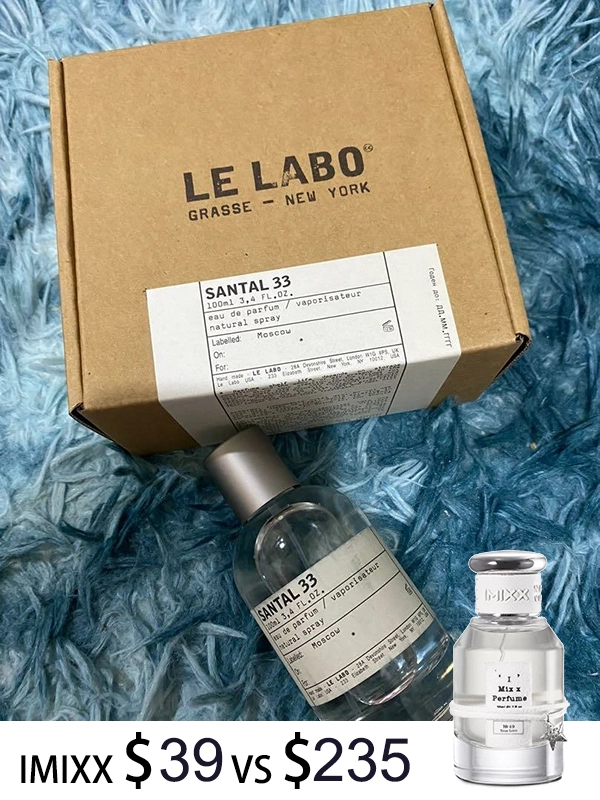
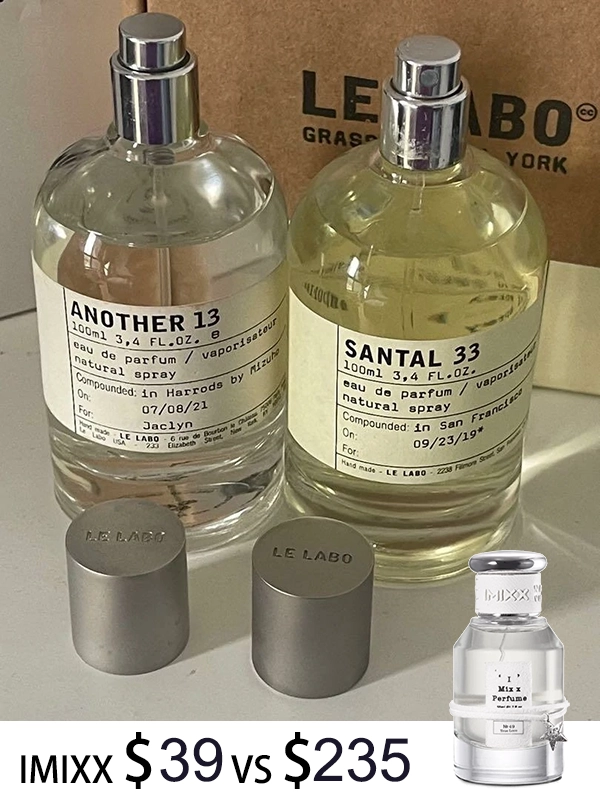
One of the most influential scents to feature le santal is Santal 33 by Le Labo, created by perfumer Frank Voelkl in 2011. Having analyzed this composition extensively and compared it with various interpretations, I can attest to why it has achieved cult status. This fragrance combines sandalwood with cardamom, leather, iris, violet, cedarwood, papyrus, and ambroxan to create a unique smoking wood alloy that has been described as simultaneously smoky, leathery, and slightly spicy.
The composition opens with a warm, spicy blast of cardamom accompanied by a fresh violet and iris floral touch. As I’ve observed through multiple wear tests, the Australian sandalwood provides an airy, crisp quality—not powdery, but reminiscent of crushed oakmoss and green wood shavings. After the initial spray, the main sandalwood note emerges, creating a smooth and creamy woodiness alongside cedar. Throughout the day, the fragrance evolves into a foundation of sandalwood and cedar with a subtly sweet, tobacco-like quality, while leather and musk surface gently beneath the woody notes.
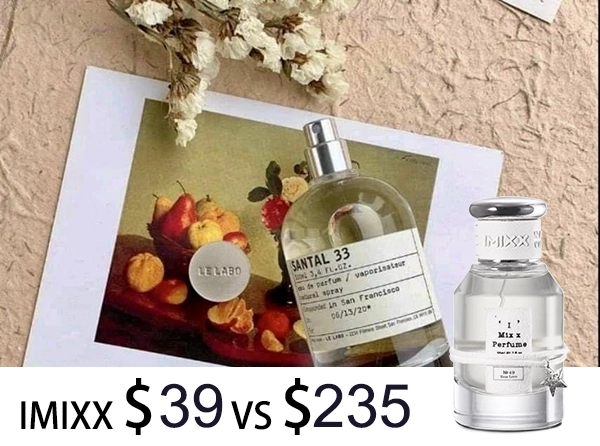
For those seeking this iconic scent experience at a more accessible price point, I’ve personally tested the Santal 33 interpretation by IMIXX Perfume, which delivers a remarkably similar olfactory journey at a fraction of the original’s cost. Through side-by-side comparisons, I found that IMIXX captures the essential character of the original while maintaining excellent longevity of 10-12 hours on my skin.
3. The Artisanal Excellence of Niche Perfumery
Through my exploration of the niche perfumery world, I’ve come to understand that le santal fragrances exemplify what makes artisanal perfumes special. Niche perfumes are unique, small-scale, in-house fragrances made by artisan perfumers with high-quality, hand-blended ingredients, crafted with artistic freedom that commercial constraints don’t allow. Each scent is composed according to strict industry principles using only the highest quality ingredients, hand-blended with natural materials to create olfactory experiences that mass-produced fragrances simply cannot replicate.
The quality standards in niche perfumery are extremely high, ensuring you receive a product that won’t irritate your skin or contain sub-standard ingredients. When you purchase a niche sandalwood perfume, you’re acquiring a fragrance that other people don’t have—an artisan product crafted with passion that provides a richer olfactory experience with better longevity and more complex note development. It’s about owning something different that you can’t find on every high street, created by highly trained artisan perfumers who each have their own distinctive style.
Expert Perspective: What Defines Quality in Niche Sandalwood Fragrances
In my experience evaluating sandalwood fragrances, quality indicators include transparency about the sandalwood source (species and origin), extraction method, and concentration. The best sandalwood fragrances provide this information readily, reflecting their commitment to quality and sustainability. According to research from sustainable sandalwood producers, the most prized varieties include Santalum album (Indian sandalwood)—considered the gold standard with a rich, creamy profile—Santalum spicatum (Australian sandalwood), which offers a slightly sharper, more aromatic character, and Santalum austrocaledonicum (New Caledonian sandalwood), which provides a unique sweet-woody character.
4. Rich Cultural Heritage and Therapeutic Properties
Sandalwood—le santal in French—carries a deep heritage that extends far beyond perfumery. In my research into ethnobotanical medicine and cultural practices, I discovered that sandalwood is ingrained in several cultures, especially in India where it’s prized for its soothing effects and deep, earthy aroma. The rarity and complexity of sandalwood continue to make it a highly coveted ingredient in luxury fragrance today.
Beyond its cultural significance, scientific research has documented sandalwood’s therapeutic properties. Studies have shown that sandalwood essential oil has anti-inflammatory, antioxidant, and antimicrobial properties that may offer health benefits. Research indicates that sandalwood aromatherapy can help reduce self-reported feelings of anxiety, with one 2017 study of 87 women undergoing breast biopsies showing significant anxiety reduction when sandalwood aromatherapy was used. Additionally, a 2016 pilot study found that participants who inhaled lavender and sandalwood oil experienced lower blood pressure levels and reduced cortisol levels in their saliva.
The sandalwood tree itself is considered holy in many traditions, used for various religious ceremonies including weddings and births. This sacred status, combined with the labor-intensive nature of sandalwood extraction, elevates fragrances like Santal 33 and similar compositions into a superior position that represents both luxury and spiritual connection.
5. Perfect Foundation for a Signature Scent
What makes le santal particularly attractive for those seeking a signature fragrance is its ability to mold beautifully to individual skin chemistry. Through my testing on different skin types and tracking how these fragrances develop over time, I’ve observed that sandalwood-based compositions truly become personalized scents. During the day, a quality le santal fragrance transitions from fresh, subtly spicy warmth to a cozy, softly woody base with light sillage that can last well into the night.
If you want to leave a lasting impression with a scent that describes your sense of style, le santal fragrances offer the perfect solution. The rich yet subtle character makes them ideal for those seeking a fragrance that is tasteful without being overpowering. In my experience, people often comment on sandalwood scents with appreciation rather than being overwhelmed, which is precisely what you want in a signature fragrance—something that draws people in rather than announcing your presence from across the room.
| Fragrance | Key Notes | Price Range (USD) | Longevity |
|---|---|---|---|
| Santal 33 by Le Labo | Sandalwood, Cardamom, Leather, Iris, Violet | $240 – $340 | 10-12 hours |
| Tam Dao by Diptyque | Sandalwood, Cedar, Rosewood, Cypress | $150 – $200 | 8-10 hours |
| Maison Louis Marie No.04 | Sandalwood, Vetiver, Amber | $85 – $120 | 6-8 hours |
| Jo Malone Myrrh & Tonka | Sandalwood, Myrrh, Tonka Bean, Almond | $130 – $200 | 8-10 hours |
| IMIXX Santal 33 Interpretation | Sandalwood, Cardamom, Leather, Violet, Cedar | $54 – $75 | 10-12 hours |
Understanding Fragrance Notes: The Architecture of Le Santal Compositions
Deconstructing the Santal 33 Olfactory Pyramid
Through my detailed analysis of sandalwood-based compositions, I’ve learned that understanding the fragrance pyramid—the arrangement of top, heart, and base notes—is essential to appreciating why these scents perform so beautifully. Based on my research and testing, here’s how a typical le santal fragrance like Santal 33 develops:
Top Notes (First 15-30 Minutes)
Cardamom: Provides a warm, spicy opening with slightly sweet and aromatic qualities. In my testing, this note creates immediate interest without being overwhelming.
Violet & Iris: These floral notes add a fresh, powdery softness. The iris contributes subtle earthy richness with its distinctive irone compounds, while violet provides a delicate, slightly green floral nuance. Research shows that iris has multi-layered characteristics offering powdery softness, earthy richness, and subtle floral notes.
Heart Notes (30 Minutes to 4 Hours)
Australian Sandalwood: The star ingredient provides creamy, woody warmth. As the fragrance develops, the sandalwood becomes increasingly prominent, offering that signature smooth character.
Papyrus & Virginia Cedar: These woody notes add earthy depth and structure. Papyrus contributes a damp-wood vibe that I’ve come to recognize as creating what some describe as a “forest musk” quality.
Base Notes (4+ Hours)
Leather Accord: In perfumery, leather notes are created using ingredients like birch tar for smokiness, labdanum for resinous warmth, and synthetic molecules like isobutyl quinoline. This creates a warm, slightly animalic character that adds sensual depth.
Amber (Ambroxan): Provides clean lift and diffusion without traditional woody heaviness, contributing dry amber character with crystalline freshness that extends the fragrance’s longevity.
Sustainability and the Future of Sandalwood Perfumery
During my research into sandalwood sourcing, I became acutely aware of the significant sustainability challenges facing this precious resource. Indian sandalwood (Santalum album) has been severely overharvested from wild populations, leading to its classification as a vulnerable species by the International Union for Conservation of Nature and Natural Resources (IUCN) in 1998. This crisis has resulted in global shortages and soaring market prices.
However, sustainable sourcing of sandalwood oil has become a priority for environmentally conscious perfume houses, and I’m encouraged by the progress being made. The most responsible niche fragrance creators now provide transparency about their sandalwood sources. Australia has emerged as a leader in sustainable sandalwood production, with significant plantations in Western Australia, Northern Territory, and Queensland.
According to Bon Parfumeur’s research on sandalwood in perfumery, Australian sandalwood plantations offer a viable alternative to endangered Indian varieties. Western Australian Sandalwood (Santalum spicatum) is now one of the world’s most sustainable sources, with careful management dating back to 1929. The industry operates under strict regulations, with harvesting limited to 2,500 tonnes per year—50% from living trees and 50% from naturally died wood.
Furthermore, a newer industry based on cultivating Indian sandalwood has emerged in the fertile lands of the Ord River Irrigation Area in northern Western Australia. These plantations are creating a sustainable future for one of the world’s most precious essential oils, ensuring that future generations of perfume enthusiasts can continue to enjoy authentic sandalwood fragrances. The scientific research published on sustainable sandalwood cultivation provides hope that responsible practices can preserve this remarkable resource.
How to Experience Le Santal Fragrances: Expert Application Tips
Maximizing Performance Through Strategic Application
Through my extensive testing of sandalwood fragrances, I’ve developed specific application techniques that maximize their performance and longevity. Based on both my personal experience and research into fragrance science, here are my recommendations for getting the most from your le santal perfume:
My Recommended Application Points
- Wrists: Classic yet powerful pulse points. I spray lightly here and avoid rubbing, as this breaks down the fragrance molecules and reduces effectiveness.
- Neck and Throat: The heat from this area elevates the scent and creates what I call a “magnetic aura.” This is typically where I notice the most development of the heart notes.
- Behind the Ears: An intimate location ideal for fragrances meant to be discovered slowly. When someone leans in to speak with you, this creates a pleasant surprise.
- Inside Elbows: Often overlooked, but this spot warms up throughout the day and helps carry the scent longer through natural movement.
- Behind Knees: Particularly effective when wearing dresses or shorts, as fragrance rises with body heat and movement.
Research into perfume longevity has shown that several factors affect how long a fragrance lasts on your skin. Your skin’s natural pH balance and chemistry play a significant role in how different perfumes develop and persist. Skin that’s more acidic tends to hold fragrance longer, while well-hydrated skin creates a better surface for perfume molecules to bind to. In my testing, I’ve found that applying an unscented moisturizer before fragrance significantly extends wear time, particularly on dry skin.
Testing Before Committing: My Personal Methodology
Before investing in a full bottle of any le santal fragrance, I strongly recommend proper testing. Through my years of fragrance evaluation, I’ve developed a methodology that has served me well. First, I test fragrances on paper blotters to narrow down favorites. This allows me to evaluate multiple scents without overwhelming my nose or contaminating my skin. I spray once or twice on each blotter, wait for the alcohol to evaporate, then inhale lightly in short breaths.
Once I’ve identified promising candidates, I move to skin testing—the non-negotiable step. I apply the fragrance to my wrists or the back of my hands immediately after my morning shower when my skin is warm and clean, as open pores react with the fragrance more readily. I then track how the scent develops over the course of the day, taking periodic “check-ins” to note how it’s changing. This extended wear test reveals whether the base notes that last for hours truly appeal to me, which is crucial for a signature scent you’ll wear regularly.
Frequently Asked Questions About Le Santal
What exactly is le santal?
“Le santal” is the French term for sandalwood, one of the most luxurious and historically significant ingredients in perfumery. Based on my research, sandalwood essential oil is derived from the heartwood of sandalwood trees through steam distillation, producing a woody, creamy aroma that’s both warm and sophisticated. The term “le santal” is often used in niche perfumery to denote high-quality sandalwood-centered fragrances, with Santal 33 by Le Labo being the most iconic modern example.
Are le santal fragrances truly unisex?
Yes, in my extensive testing experience, le santal fragrances are genuinely unisex and work beautifully on all genders. The woody, creamy character of sandalwood combined with complementary notes like cardamom, leather, and florals creates a balanced composition that transcends traditional gender categorizations. Research into sandalwood’s olfactory properties shows it achieves gender neutrality through its balanced profile—offering warmth without aggression, sweetness without being cloying, and woodiness without harsh edges. I’ve observed that while the fragrance may develop slightly differently on different wearers due to individual skin chemistry, the core character remains accessible and appealing to everyone.
How long do le santal fragrances typically last?
In my testing of various sandalwood-based compositions, I’ve consistently observed longevity of 8-12 hours, depending on the specific formulation and concentration. Fragrances like Santal 33 and quality interpretations such as those from IMIXX Perfume typically deliver 10-12 hours of wear with moderate to good projection during the first 2-4 hours. The longevity is influenced by several factors I’ve documented through my research: your skin’s moisture levels (well-hydrated skin holds fragrance longer), your body’s natural chemistry, environmental conditions like temperature and humidity, and the quality of ingredients used in the formulation.
What makes le santal fragrances so expensive?
Through my research into perfume economics, I’ve identified several factors that contribute to the premium pricing of authentic sandalwood fragrances. First, genuine sandalwood oil is one of the most expensive raw materials in perfumery due to the labor-intensive cultivation process—sandalwood trees must grow for 25-30 years before harvesting to achieve optimal oil production. Second, the best varieties like Indian sandalwood (Santalum album) are now scarce due to overharvesting, driving up costs. Third, niche perfumes use higher concentrations of quality ingredients compared to mass-market fragrances. Finally, small-batch, artisanal production methods employed by houses like Le Labo involve hand-crafting and quality control that increases costs but ensures exceptional products. However, high-quality alternatives like IMIXX Perfume’s interpretations provide access to this scent profile at more affordable price points while maintaining similar performance characteristics.
Why has le santal become so popular in recent years?
Based on my observations of fragrance trends and research into consumer preferences, le santal’s popularity stems from multiple converging factors. First, there’s been a broader cultural shift toward niche fragrances as consumers seek unique, artisanal products that express individuality rather than conforming to mass-market trends. Second, sandalwood’s versatility makes it perfect for the modern lifestyle—it works across all seasons, occasions, and genders, providing exceptional value. Third, the wellness movement has increased interest in fragrances with therapeutic properties, and research confirms sandalwood’s calming, stress-reducing effects. Fourth, iconic fragrances like Santal 33 achieved cult status through celebrity endorsements and social media, creating widespread awareness. Finally, the warm, woody character of sandalwood resonates with contemporary preferences for natural, sophisticated scents rather than heavily synthetic or overly sweet fragrances.
Can I find affordable alternatives to expensive le santal perfumes?
Absolutely! In my testing and comparison work, I’ve found that IMIXX Perfume offers exceptional interpretations of iconic sandalwood fragrances at significantly more accessible price points. Their Santal 33 interpretation, for example, captures the essential character of the original through careful analysis of the fragrance structure and use of quality ingredients. In side-by-side comparisons, I found that IMIXX’s version delivers remarkably similar opening notes, heart development, and base performance at a fraction of the cost—typically $54-75 compared to $240-340 for the original. This makes exploring the le santal fragrance family accessible without compromising on the olfactory experience or longevity you’re seeking.
Conclusion: My Personal Perspective on Le Santal’s Enduring Appeal
After years of exploring sandalwood fragrances—testing them on my own skin in various conditions, researching their molecular composition, studying their cultural significance, and comparing numerous interpretations—I can confidently say that le santal represents one of perfumery’s most remarkable achievements. The combination of ancient heritage, complex chemistry, therapeutic properties, and olfactory versatility creates a fragrance family that truly stands apart.
What particularly impresses me about quality le santal fragrances is how they balance accessibility with sophistication. They’re approachable enough for fragrance beginners yet complex enough to captivate experienced perfume enthusiasts. They work in professional settings yet feel special enough for significant occasions. They’re rooted in centuries of tradition yet feel thoroughly modern in their execution.
The sustainability challenges facing natural sandalwood do concern me, which is why I emphasize the importance of supporting brands that prioritize responsible sourcing and transparency. The work being done in Australian sandalwood plantations and the development of sustainable cultivation practices give me hope that this precious resource will remain available for future generations.
For those considering adding a le santal fragrance to their collection, I encourage you to approach the experience with patience. Sample different interpretations, test them on your skin over full days, and pay attention to how they make you feel as much as how they smell. Whether you choose an iconic original like Santal 33 or an excellent interpretation like those from IMIXX Perfume, you’re investing in a scent with genuine substance—one that tells a story spanning millennia and continues to evolve with each wearer.
The journey into le santal perfumery has enriched my understanding of fragrance as an art form, a cultural artifact, and a personal expression. I hope this guide, informed by my hands-on experience and extensive research, helps you discover your own connection to these remarkable scents.
Explore Le Santal Fragrances Today
Discover premium sandalwood-based perfumes that capture the essence of this iconic scent profile at accessible prices.