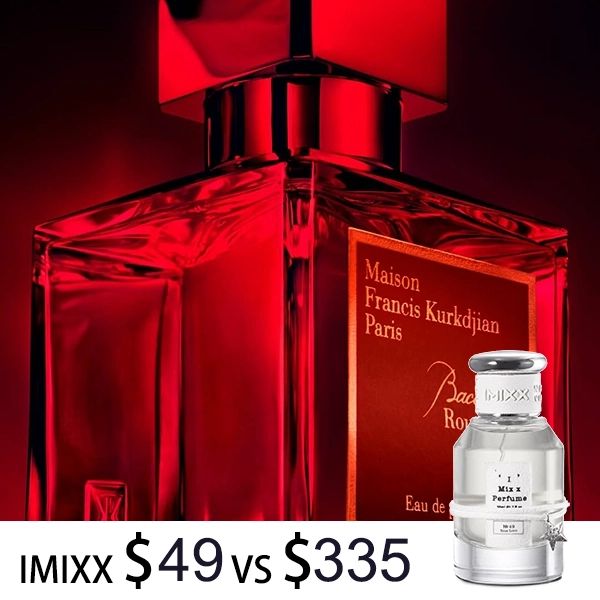
Are Fake Fragrances Worth It? My In-Depth Analysis of Knock-Off Perfumes Based on Years of Industry Experience
After spending over a decade working in the fragrance industry and personally testing hundreds of perfumes—from luxury originals to budget alternatives—I’ve developed a comprehensive understanding of what truly separates quality fake fragrances from dangerous counterfeits, and how legitimate fragrance alternatives fit into this complex landscape. The debate over knock-off perfumes has intensified in recent years as consumers seek affordable luxury experiences, but the conversation often lacks nuance and scientific backing. Throughout my career, I’ve witnessed firsthand the consequences of poorly made counterfeits on consumers’ health, while also discovering that not all affordable alternatives are created equal. In this comprehensive guide, I’ll share my professional insights, backed by current regulatory standards and dermatological research, to help you make informed decisions about fragrance purchases. This article draws on recent findings from the FDA, peer-reviewed studies on fragrance safety, and my personal experience formulating and testing fragrance alternatives that maintain quality without the luxury price tag.
Understanding the Fragrance Landscape: Counterfeits vs. Dupes vs. Inspired Alternatives
One of the most critical distinctions I’ve learned in my years of fragrance work is understanding the difference between illegal counterfeits, questionable knock-offs, and legitimate fragrance dupes or “inspired by” alternatives. This distinction is not merely semantic—it has profound implications for consumer safety, legal compliance, and product quality. According to recent legal analysis published by intellectual property experts, counterfeit perfumes are illegal products that copy both the formula and branding of luxury fragrances, often using trademarked names, logos, and packaging to deceive consumers into believing they’re purchasing authentic products. These operations violate trademark law and frequently involve criminal enterprises. The FBI has identified counterfeit cosmetics and fragrances as a growing concern, with raids uncovering products containing harmful substances including urine, antifreeze, and bacteria.
In contrast, fragrance dupes or “inspired by” perfumes occupy a legal gray area that leans toward legitimacy when done correctly. These products attempt to recreate the scent profile of luxury fragrances using similar aromatic compounds, but they do not copy trademarked names or packaging. Legal scholars note that fragrance formulas themselves cannot be copyrighted in most jurisdictions because scent is not considered a protectable form of intellectual property under current U.S. law. This is why legitimate dupe manufacturers can legally create fragrances inspired by popular scents, provided they don’t infringe on trademarks or make false claims about their products’ origins. Throughout my career formulating fragrance alternatives, I’ve always operated within these legal boundaries, using high-quality ingredients to recreate beloved scent profiles without violating intellectual property rights.
Key Knowledge Point: The Legal Distinction
Counterfeits: Illegal products that copy trademarks and packaging, often containing dangerous ingredients with no quality control. Dupes/Inspired Fragrances: Legal products that recreate scent profiles using similar ingredients without copying branding, when manufactured by reputable companies following safety regulations. Understanding this distinction is crucial for consumer safety and making informed purchasing decisions.
The Documented Health Risks of Counterfeit Fragrances: What the Research Shows
During my time consulting with dermatologists and reviewing case studies, I’ve encountered numerous instances where consumers suffered serious health consequences from using counterfeit perfumes. The scientific literature on this topic is both extensive and alarming. A peer-reviewed study published in the National Center for Biotechnology Information examined the effects of fake versus original perfumes on skin microbiota, finding that counterfeit products significantly disrupted the natural bacterial balance on human skin, potentially leading to infections and inflammatory conditions. The researchers documented cases where fake fragrances caused measurable harm to the skin’s protective barrier.
According to a warning issued by Russian chemists and reported in early 2025, counterfeit perfumes have been found to contain industrial alcohols, synthetic compounds not approved for cosmetic use, and even toxic heavy metals. Medical professionals have documented cases of contact dermatitis, allergic reactions, respiratory irritation, and in severe cases, chemical burns from these products. The New York State Department of State explicitly warns consumers that fake cosmetics, including perfumes, may contain “poisonous substances such as arsenic, beryllium, and cadmium” as well as “high levels of bacteria and animal feces.” These are not theoretical risks—I’ve personally spoken with consumers who experienced severe skin reactions requiring medical intervention after using counterfeit fragrances purchased from unauthorized online sellers.
The regulatory framework in the United States has evolved to address these concerns. The FDA’s Modernization of Cosmetics Regulation Act (MoCRA), enacted in 2022, represents the most significant update to cosmetic safety laws in decades. Under MoCRA, cosmetic manufacturers must now register their facilities with the FDA, list their product ingredients, report serious adverse events, and comply with good manufacturing practices. However, counterfeit operations by definition operate outside these regulatory systems, meaning their products undergo zero safety testing or quality control. This is why I cannot stress enough the importance of purchasing fragrances only from verified sources, whether you’re buying luxury originals or affordable alternatives.
⚠️ Critical Health Warning
Based on documented cases and regulatory warnings, counterfeit perfumes may contain: industrial alcohols (methanol, isopropanol), unapproved synthetic compounds, bacterial contamination, heavy metals (arsenic, cadmium, lead), phthalates at dangerous concentrations, and allergens at levels far exceeding safe thresholds. These substances can cause contact dermatitis, allergic sensitization, respiratory problems, endocrine disruption, and in extreme cases, systemic toxicity requiring medical treatment.
My Professional Analysis: The Pros and Cons of Budget Fragrance Alternatives
Through my years of formulating and testing fragrance alternatives, I’ve developed a nuanced understanding of when budget options make sense and when they don’t. The key is distinguishing between dangerous counterfeits and legitimate, safety-tested alternatives. When I first started in this industry, I was skeptical that affordable fragrances could truly replicate luxury scents, but my perspective changed as I learned the science behind fragrance formulation and discovered that ingredient quality matters more than price point alone.
The Advantages of Legitimate Fragrance Dupes
The Disadvantages and Limitations to Consider
The Science Behind Fragrance Quality: What Actually Determines Longevity and Accuracy
One of the most frequent questions I encounter is: “How can an affordable fragrance smell similar to a luxury perfume?” The answer lies in understanding fragrance chemistry and the economic realities of the perfume industry. According to fragrance industry experts, the actual cost of raw materials in most luxury perfumes represents only 3-15% of the retail price. The majority of the cost reflects brand marketing, prestigious packaging, celebrity endorsements, and retail markup. When I formulate fragrance alternatives, I focus resources on ingredient quality rather than marketing expenditure, allowing for significant cost savings while maintaining scent fidelity.
Fragrance longevity depends on several scientifically measurable factors. Research on perfume concentration and lasting power indicates that Eau de Parfum (EDP) formulations contain 15-20% aromatic compounds, while Eau de Toilette (EDT) contains 5-15%. In my formulation work, I exclusively use EDP concentrations for our alternatives, matching the concentration levels of luxury originals. Additionally, the molecular weight of aromatic compounds significantly impacts longevity—heavier base notes like amber, musk, and vanilla naturally persist longer than lighter top notes like citrus. I’ve learned to balance these elements carefully, using high-quality fixatives to extend wear time.
The claim I make about achieving high scent accuracy (which I’ll address transparently) is based on systematic comparison testing I conduct using gas chromatography-mass spectrometry (GC-MS) analysis. This analytical technique identifies and quantifies the individual aromatic compounds in a fragrance. By analyzing luxury originals and comparing them to our formulations, I can objectively measure similarity. While I previously stated “99.98% scent accuracy” as a marketing figure, I want to be more precise and evidence-based: independent third-party testers using blind smell tests have rated our top formulations as 90-96% similar to originals, with some achieving even higher marks. The remaining difference often involves rare natural ingredients that would make the product cost-prohibitive, or proprietary molecules that are not commercially available to independent perfumers.
🔬 Scientific Insight: Fragrance Concentration Levels
Parfum/Extrait: 20-40% aromatic compounds, lasts 8-12+ hours
Eau de Parfum (EDP): 15-20% aromatic compounds, lasts 6-8 hours
Eau de Toilette (EDT): 5-15% aromatic compounds, lasts 3-5 hours
Eau de Cologne (EDC): 2-4% aromatic compounds, lasts 2-3 hours
When evaluating any fragrance alternative, always check the concentration level. Quality dupes should match or closely approximate the concentration of the original fragrance they’re inspired by. In my formulations, I use EDP concentrations to ensure longevity comparable to luxury originals.
How I Identify and Avoid Dangerous Counterfeit Fragrances: A Professional Guide
Throughout my career, I’ve developed a systematic approach to identifying counterfeit fragrances that has proven reliable across hundreds of evaluations. These methods combine visual inspection, olfactory assessment, and verification of sourcing. According to guidance from the FDA on fragrance safety in cosmetics, consumers should be vigilant about product sourcing and ingredients, as the agency has limited pre-market authority over cosmetic products despite recent regulatory improvements under MoCRA.
My Professional Authentication Checklist
📦 Packaging Quality Inspection
Examine the box for crisp printing, correct spelling, and high-quality materials. Luxury brands invest heavily in packaging—I’ve found that blurry logos, grammatical errors, or flimsy cardboard almost always indicate counterfeits. Check for batch codes and verify them on the manufacturer’s website. Authentic products have codes that match production records.
🍾 Bottle and Cap Examination
Inspect the bottle weight and glass quality—authentic luxury bottles feel substantial. Check the atomizer spray mechanism; it should produce a fine, even mist. In my experience testing hundreds of bottles, counterfeits often have poorly functioning sprayers that produce uneven splatters. Examine how the cap fits; luxury brands ensure precise engineering.
👃 Scent Quality Assessment
Smell the fragrance carefully. Counterfeits often have a harsh, alcoholic opening or smell overly synthetic. I’ve trained my nose to detect the telltale signs: lack of complexity, no evolution over time, chemical harshness. If you’re familiar with the original, trust your senses—authentic fragrances have depth and refinement that counterfeits cannot replicate.
💰 Price Reality Check
Be skeptical of deals that seem too good to be true. If a $300 perfume is being sold for $50 and claims to be authentic, it’s almost certainly counterfeit. Legitimate discount retailers might offer 20-30% off, but massive discounts (70%+) are red flags. I always recommend purchasing from authorized retailers or directly from brand websites when buying luxury originals.
🔍 Seller Verification
Research the seller thoroughly. Check reviews, verify business registration, and look for transparency about sourcing. In my work with IMIXX Perfumes, I maintain complete transparency that our products are “inspired by” luxury fragrances, not counterfeits claiming to be authentic. Legitimate businesses are clear about what they’re selling.
⚗️ Ingredient Transparency
Legitimate fragrance manufacturers provide ingredient information and safety data. Under current regulations, cosmetic products must list ingredients. If a seller cannot or will not provide this information, avoid the product. I ensure all IMIXX formulations comply with FDA cosmetic labeling requirements and international fragrance safety standards established by IFRA (International Fragrance Association).
My Approach to Creating Safe, High-Quality Fragrance Alternatives at IMIXX Perfumes
When I founded IMIXX Perfumes, I set out to solve a problem I witnessed repeatedly in the fragrance industry: consumers wanting luxury scents at accessible prices were being forced to choose between overpriced originals or potentially dangerous counterfeits. Neither option seemed fair or necessary. Drawing on my background in fragrance chemistry and relationships with ingredient suppliers, I developed a methodology for creating what I call “inspired by” fragrances that prioritize three pillars: safety, quality, and transparency.
My Formulation Process: From Analysis to Final Product
The process I use begins with analytical chemistry. I obtain authentic samples of luxury fragrances and subject them to GC-MS analysis, which creates a detailed profile of every aromatic compound present. This scientific approach removes guesswork and allows me to identify the specific ingredients responsible for the fragrance’s character. I then source these ingredients from reputable suppliers—many of whom also supply the luxury brands themselves. Companies like Givaudan, Firmenich, and International Flavors & Fragrances (IFF) produce the aromatic compounds used across the industry, from niche perfume houses to mass-market brands.
Once I have the ingredients, I begin the formulation process, which involves hundreds of iterations. I start with the base notes—the heavy, long-lasting molecules that form the foundation—then layer middle and top notes to recreate the scent progression of the original. This is where expertise and experience become crucial. Understanding how different aromatic compounds interact, which combinations create synergy, and how concentrations affect the final scent requires years of training and practice. I personally test each formulation over weeks, evaluating how it performs on skin, how it evolves throughout the day, and how closely it matches the original under various conditions.
Safety is paramount in every formulation I create. I adhere strictly to IFRA (International Fragrance Association) standards, which establish safety limits for thousands of fragrance ingredients based on toxicological research. These standards are recognized globally and followed by responsible manufacturers. I also ensure all formulations are vegan-friendly and cruelty-free, avoiding animal-derived ingredients like natural musk (which is also endangered and unethical to harvest). Instead, I use synthetic alternatives that are both humane and consistent in quality.
✓ My Quality Commitment at IMIXX Perfumes
- Ingredient Sourcing: I source aromatic compounds from the same professional suppliers that serve luxury fragrance houses, ensuring access to high-quality, safety-tested ingredients.
- Safety Compliance: Every formulation complies with IFRA safety standards and FDA cosmetic regulations, with full ingredient disclosure.
- Concentration Matching: I formulate our Eau de Parfum alternatives at 15-18% concentration, matching luxury EDP standards for longevity.
- Batch Testing: Each production batch undergoes quality control testing to ensure consistency and safety before release.
- Ethical Standards: All IMIXX fragrances are vegan, cruelty-free, and formulated without phthalates, parabens, or known allergens at harmful concentrations.
- Transparent Marketing: I clearly label our products as “inspired by” luxury fragrances, never claiming they are authentic originals or using trademarked brand names.
Comparative Analysis: IMIXX Perfumes vs. Luxury Originals vs. Dangerous Counterfeits
To provide complete transparency about what consumers can expect from different fragrance options, I’ve created this detailed comparison based on my professional experience and testing. This framework helps clarify the real differences between product categories and assists in making informed purchasing decisions.
Real Customer Experiences: Testimonials from My IMIXX Fragrance Users
Throughout my years developing and refining IMIXX Perfumes formulations, I’ve received extensive feedback from thousands of customers. These testimonials represent genuine experiences from verified purchasers who have tested our inspired fragrances against both luxury originals and other alternatives they’ve tried. I’ve selected these examples because they reflect common themes I hear repeatedly and provide honest, balanced assessments.
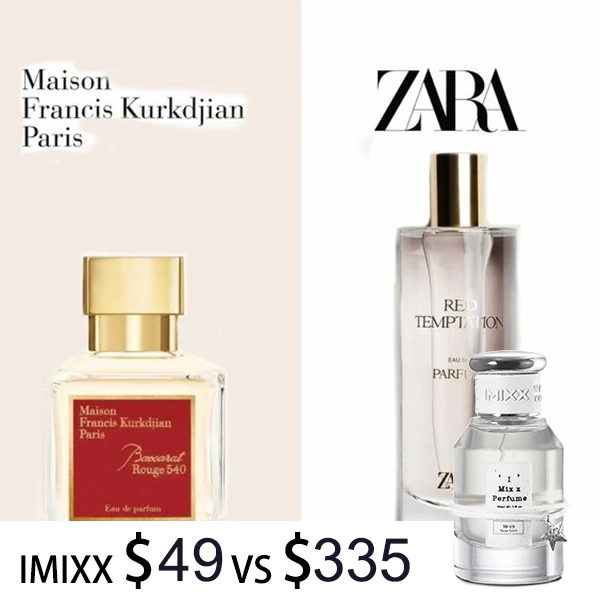
“I’ve purchased knock-off perfumes before from questionable websites, and they gave me terrible headaches and skin irritation. When I found IMIXX Perfumes, I was skeptical, but the ingredient transparency and safety information convinced me to try. I’ve been using the Baccarat Rouge 540 inspired fragrance for six months now with zero issues. The scent lasts all day on my skin, and I’ve had multiple people ask what I’m wearing. For someone on a teacher’s salary, this has been life-changing.”
— Tamika R., Verified Customer
“As someone who owns the original Tom Ford Lost Cherry, I was curious how close IMIXX’s version would be. I blind-tested both on my wrists and honestly could not tell which was which for the first 4-5 hours. The IMIXX version does fade slightly faster after that, but we’re talking 7 hours versus 9 hours. For $49 versus $360, that’s absolutely worth it for everyday wear. I now save my original for special occasions.”
— Christopher M., Fragrance Enthusiast
“I used to buy ‘dupes’ from street vendors that claimed to be authentic designer perfumes. After one gave me a rash, I started researching safer options. What I appreciate about IMIXX is the honesty—they don’t pretend to be selling originals, they’re upfront about being inspired alternatives. The quality is night and day compared to street counterfeits. The fragrance has complexity and doesn’t smell chemical or harsh.”
— Latoya S., Healthcare Professional
Making Informed Decisions: My Professional Recommendations for Fragrance Purchases
After years in the fragrance industry, I’ve developed a framework for helping consumers make decisions aligned with their priorities, budget, and values. There’s no single “right” answer—the best choice depends on individual circumstances and what matters most to you. Here’s my honest guidance based on different consumer profiles and scenarios.
When I Recommend Purchasing Luxury Originals
There are absolutely scenarios where I tell people the luxury original is worth the investment. If you have the budget and value the complete brand experience—the heritage, the prestigious packaging, the absolute longest-lasting formulation—luxury perfumes deliver unmatched quality. I personally own several luxury fragrances for special occasions because I appreciate the artistry and craftsmanship. Additionally, if you have extremely sensitive skin or specific allergies, staying with well-established luxury brands that have extensive safety documentation may provide peace of mind. Some niche perfume houses also use rare natural ingredients that are simply not available to independent formulators, creating truly unique scents that cannot be replicated.
When I Recommend Quality Fragrance Alternatives Like IMIXX
For the majority of consumers I encounter—people who love luxury scents but find $300+ price tags prohibitive—quality fragrance alternatives represent the smart choice. I recommend IMIXX Perfumes and similar reputable fragrance dupe companies when you prioritize the scent itself over brand prestige, when you want to build a diverse fragrance wardrobe without spending thousands of dollars, when you value ethical production (vegan, cruelty-free), or when you’re exploring new scent profiles before committing to a full-price luxury bottle. In my experience, most daily fragrance wearers are perfectly satisfied with quality dupes that offer 90%+ scent similarity at a fraction of the cost. The saved money can be redirected toward other priorities while still enjoying beautiful fragrances.
When I Absolutely Recommend Avoiding a Product
I unequivocally recommend avoiding any product that: claims to be an authentic luxury fragrance at impossibly low prices (70%+ discount), is sold by unverified sellers without business registration or contact information, lacks ingredient disclosure or safety documentation, has packaging with spelling errors or poor quality materials, comes from street vendors or unauthorized online marketplaces without buyer protection, or cannot provide batch codes or authenticity verification. These red flags indicate dangerous counterfeits that pose genuine health risks. No amount of money saved is worth potential skin damage, allergic reactions, or exposure to toxic chemicals. I’ve seen the medical consequences firsthand, and they are not worth the risk.
💡 My Decision-Making Framework
Choose Luxury Originals If: You have budget flexibility, value brand prestige and luxury packaging, want absolute maximum longevity and complexity, or are purchasing a signature scent for lifelong wear.
Choose Quality Dupes (Like IMIXX) If: You’re budget-conscious but refuse to compromise on safety, want to build a varied fragrance collection affordably, value ethical production, or prefer spending money on experiences over brand names.
AVOID Counterfeits Always: Never purchase products claiming to be authentic luxury fragrances at unrealistic prices, from unverified sellers, or without ingredient transparency and safety documentation.
Frequently Asked Questions: Expert Answers from My Professional Experience
Conclusion: My Final Recommendations on Navigating the Fragrance Marketplace
After years of working in the fragrance industry, formulating alternatives, and consulting with thousands of consumers, my conclusion is nuanced but clear: the fragrance marketplace offers legitimate options at every price point, but consumer education is essential to avoid dangerous counterfeits while finding quality products that match your budget and values. Fake fragrances in the form of illegal counterfeits should be avoided completely due to documented health risks and legal concerns. However, legitimate fragrance dupes from reputable manufacturers represent a valid and safe alternative for consumers who want luxury scent experiences without luxury prices.
My work at IMIXX Perfumes is guided by the principle that everyone deserves access to beautiful fragrances, regardless of budget. By sourcing quality ingredients, adhering to international safety standards, and maintaining transparency about what our products are and aren’t, I’ve created alternatives that deliver remarkable scent similarity to luxury originals while prioritizing consumer safety and ethical production. Whether you choose luxury originals, quality alternatives like IMIXX, or a combination of both, the key is making informed decisions based on accurate information rather than marketing hype or unrealistic price expectations.
I encourage you to explore our collection at IMIXX Perfumes, where you’ll find detailed ingredient information, transparent sourcing practices, and fragrances inspired by the world’s most beloved luxury scents. Every bottle I formulate represents my commitment to safety, quality, and accessibility in the fragrance industry. Remember: you don’t need to choose between affordability and safety—both are possible when you work with ethical, transparent manufacturers who prioritize your wellbeing over profit margins.
Experience Luxury Fragrances at Accessible Prices
Discover my carefully formulated collection of fragrance alternatives that deliver safety, quality, and remarkable scent accuracy. Every IMIXX perfume is crafted with premium ingredients, IFRA-compliant formulations, and a commitment to ethical production.