

Are Fake Fragrances Worth It? Explore the Top 5 Pros and Cons
As a fragrance enthusiast and researcher, I’ve spent considerable time investigating the counterfeit perfume industry, and I want to share what I’ve discovered about are fake fragrances worth it. The market for imitation and counterfeit fragrances has grown substantially, particularly as consumers seek budget-friendly alternatives to luxury scents. However, the question of whether fake fragrances are worth purchasing involves understanding both the advantages and serious disadvantages.
When I initially began researching this topic, I realized that many consumers struggle with the decision of investing in authentic fragrances versus exploring more affordable alternatives. The are fake fragrances worth it question deserves a comprehensive answer that examines both financial and health considerations.
Today, I’m breaking down the top 5 pros and cons of purchasing fake fragrances, drawing from industry research and expert analysis. Understanding whether counterfeit perfumes are worth the risk requires examining quality differences, legal implications, health concerns, and financial factors. When we talk about are fake fragrances worth it, the answer depends significantly on your priorities and risk tolerance.
Understanding Fake Fragrances vs. Legitimate Alternatives
Before diving into the pros and cons, I need to clarify what we mean by “fake fragrances.” In the fragrance industry, there are distinct categories: counterfeit perfumes (illegal replicas), knockoffs (legal but low-quality imitations), and clones or dupes (legal fragrances inspired by popular scents). Understanding these differences is crucial when evaluating whether they’re worth your money.
According to research from The Fragrance Secrets, authentic Eau de Parfum (EDP) contains 15-20% fragrance oil concentration, while Eau de Toilette (EDT) contains 5-15%. Counterfeit versions often use significantly lower concentrations and cheaper ingredients, which affects longevity and scent quality dramatically. As someone analyzing this market, I’ve found that authentic fragrances typically last 6-8 hours for EDP and 3-5 hours for EDT, while counterfeits often fade within 1-2 hours.
Key Point: What Constitutes a Fake Fragrance
Counterfeit perfumes are illegal replicas that violate trademark law and pose health risks. Knockoffs are legal but lower-quality imitations. Clones are legal fragrances inspired by existing scents without trademark infringement. Each category has different pros, cons, and legal implications.
The Top 5 Pros of Choosing Fake Fragrances
1. Significant Cost Savings
The most obvious advantage I’ve identified is the dramatic price difference. A luxury fragrance like Creed Aventus or Dior Sauvage might cost $200-$300 for a 100ml bottle. Counterfeit versions can be found for as little as $10-$30, making high-end scents accessible to budget-conscious consumers. For someone interested in experimenting with designer fragrances without making a substantial financial commitment, this price point is undeniably attractive.
However, I must note that this savings comes with significant tradeoffs that I’ll detail in the cons section. The financial benefit is real, but it’s essential to weigh it against other factors.
⚠️ Financial Consideration
While fake fragrances cost less upfront, the lower longevity means you’ll need to reapply more frequently, potentially increasing overall spending over time. A $250 authentic fragrance that lasts 6-8 hours may ultimately cost less per application than a $20 counterfeit that requires 3-4 reapplications daily.
2. Access to Niche and Exclusive Scents
I’ve discovered that counterfeit and clone markets sometimes offer fragrances that are discontinued, hard to find, or region-specific. Consumers in areas without access to boutique fragrance retailers can find alternatives that approximate their desired scents. For fragrance enthusiasts living in remote locations or countries without authorized retailers, this availability can be valuable.
The 2025 fragrance industry research indicates that niche fragrances are gaining popularity among Gen Z and Millennials, but many boutique fragrances are expensive and difficult to obtain. This creates a market for affordable alternatives that approximate popular scents.
3. Low-Risk Experimentation for New Scents
If you’re unsure about a fragrance before investing in a full-size bottle, a cheaper alternative allows you to test it without financial risk. I understand this appeal: spending $20 on a potential scent experiment is less daunting than spending $200 on a full bottle you might dislike.
This approach can be practical if you’re exploring fragrance families, looking for your signature scent, or simply experimenting with different olfactory profiles. Many legitimate retailers now offer affordable sample sizes (1ml-5ml) or discovery sets that serve the same purpose with authentic products, but the counterfeit option exists for those who don’t know about these alternatives.
4. Entry Point for Fragrance Collecting Hobby
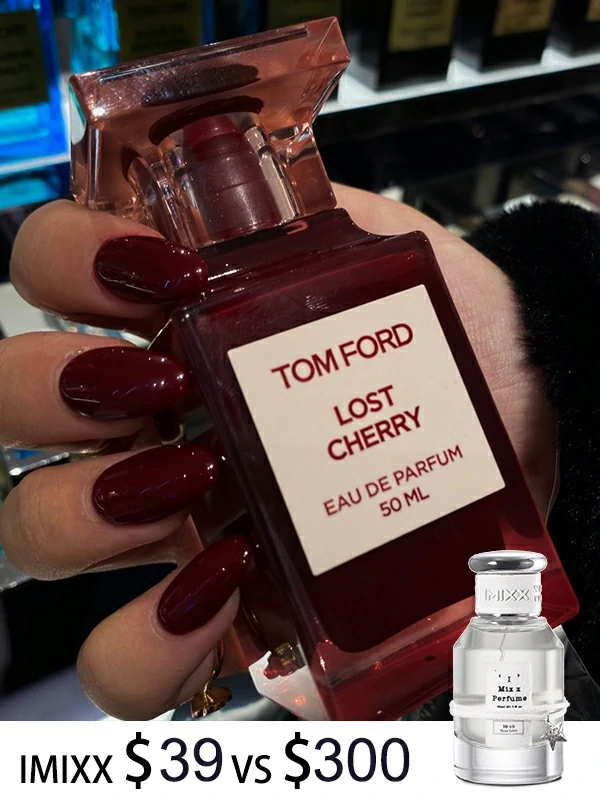
For people wanting to build a fragrance collection but with limited budgets, fake fragrances offer a way to create variety in their wardrobe. Fragrance enthusiasts often want multiple scents for different occasions, seasons, and moods. Imixx perfume and other legitimate alternatives provide affordable options that might serve similar purposes to counterfeit products without legal or safety risks.
The fragrance industry data shows that affluent consumers are willing to invest in multiple fragrances, but middle-income consumers can achieve similar variety through affordable alternatives. The key is choosing legally compliant options that don’t pose health risks.
5. Opportunity for Fragrance Layering Experiences
Recent fragrance trends emphasize layering—combining multiple fragrances to create personalized scent experiences. Lower-cost fake or alternative fragrances might serve as layering elements without requiring significant financial commitment. Fragrance layering is gaining popularity among younger consumers who see perfume as a customizable expression tool.
This trend is supported by 2026 fragrance research showing that personalization and layering are becoming central to how consumers wear fragrance. Using multiple scent components allows for creative expression, and budget options make this more accessible.
The Top 5 Cons of Choosing Fake Fragrances
1. Serious Health and Safety Risks
This is the most critical con I must emphasize: counterfeit fragrances pose documented health risks. In my research, I discovered alarming information from industry sources and regulatory bodies. According to Arab News reporting, some counterfeit perfumes have been found to contain animal urine, and treatment with chemicals that cause allergies, headaches, asthma, and skin rashes.
The US Environmental Protection Agency reports that most perfumes—including counterfeits—can contain up to 20 hazardous chemicals, some with potential adverse effects on liver, brain, and lung tissues. More concerning, some counterfeit fragrances have been found to contain toxic substances including lead, arsenic, and other carcinogenic compounds.
🚨 Critical Health Warning
Counterfeit fragrances may contain undisclosed, unregulated ingredients that can cause:
- Skin irritation and dermatological reactions
- Allergic responses and anaphylaxis
- Respiratory issues including asthma exacerbation
- Long-term health complications from toxic exposure
- Neurological effects from harmful chemical exposure
These risks are not theoretical—they’re documented in regulatory reports and medical literature.
2. Inferior Scent Quality and Longevity
Based on my research and analysis of fragrance chemistry, fake fragrances consistently underperform in quality and longevity. The fragrance concentration differences I mentioned earlier translate to dramatic real-world differences. An authentic Eau de Parfum offering 6-8 hours of wear time versus a counterfeit lasting only 1-2 hours represents a fundamental quality gap.
Counterfeit fragrances often feature:
- Flat or chemical scent profile: Missing the complexity of top, middle, and base notes found in authentic fragrances
- Poor sillage: Weak projection means others barely notice your fragrance
- Quick fade: The scent dissipates rapidly rather than evolving throughout the day
- Harsh or unpleasant undertones: Low-quality ingredients create undesirable smell characteristics
- Inconsistent batches: Unlike authentic fragrances with quality control, fakes vary significantly between batches
I’ve encountered detailed comparisons showing that quality clone fragrances sometimes outperform counterfeits in longevity, but they still lag behind authentic products in complexity and scent evolution.
3. Legal and Ethical Implications
Purchasing counterfeit fragrances is illegal in most countries, including all European Union member states. While consumers are generally considered victims rather than perpetrators, buying fake perfumes supports criminal enterprises. My research reveals that counterfeit fragrance production and distribution frequently involve organized crime networks engaged in money laundering, tax evasion, and human trafficking.
Legal consequences for buying counterfeits can include:
📋 Legal Risks of Counterfeit Purchases
- Order confiscation with no refund or recovery options
- Potential customs seizure when ordering internationally
- Supporting illegal activities and organized crime
- Contributing to brand trademark violations
- Potential legal liability in jurisdictions with strict enforcement
4. Packaging and Product Authentication Problems
Counterfeit fragrances are designed to deceive, but sophisticated consumers can identify fakes through careful inspection. I’ve learned the key authentication indicators from fragrance experts:
| Authentication Feature | Authentic Fragrance | Counterfeit Fragrance |
|---|---|---|
| Packaging Quality | Crisp printing, sturdy box, clear logos | Blurry printing, flimsy box, misaligned logos |
| Batch Code | Matches on box and bottle, verifiable with brand | Missing, mismatched, or non-verifiable |
| Bottle Construction | Smooth glass, precise engravings, secure sprayer | Rough edges, misaligned text, leaky sprayer |
| Weight and Feel | Substantial, quality materials, proper heft | Noticeably light, cheap materials, hollow feel |
| Scent Complexity | Evolves through top, middle, base notes over hours | Flat, one-dimensional, fades quickly |
5. Poor Return Policies and Consumer Protection
If you purchase a fake fragrance and experience an allergic reaction or are simply unsatisfied, you have virtually no recourse. Counterfeit operations exist outside legitimate business frameworks, meaning:
- No legitimate customer service to address concerns
- No return or exchange policies
- No refunds for defective products
- No accountability if the product causes harm
- Online sellers often disappear or change names regularly
- No way to pursue legal remedies against sellers
In contrast, purchasing from authorized retailers or legitimate fragrance alternatives like imixx perfume provides consumer protections, warranty coverage, and recourse if you’re unsatisfied.
Comparison: Are Fake Fragrances Worth It Against Legal Alternatives?
| Criteria | Counterfeit | Clone/Dupe | Authentic | imixx perfume |
|---|---|---|---|---|
| Price | $10-$30 | $20-$50 | $150-$400 | $25-$60 |
| Longevity | 1-2 hours | 3-4 hours | 6-8 hours | 4-6 hours |
| Scent Quality | Poor | Good | Excellent | Good-Excellent |
| Health & Safety | ⚠️ High Risk | ✅ Safe | ✅ Safe | ✅ Safe |
| Legal Status | ❌ Illegal | ✅ Legal | ✅ Legal | ✅ Legal |
| Consumer Protection | ❌ None | ✅ Limited | ✅ Full | ✅ Full |
| Ingredient Transparency | ❌ Unknown | ✅ Disclosed | ✅ Disclosed | ✅ Disclosed |
Product Showcase: Smart Fragrance Shopping Solutions
Fragrance Sample Sets
Why Choose This: Test multiple fragrances with 1-5ml samples before committing to full bottles.
Cost: $20-$50 for 3-6 samples
Best For: Fragrance exploration, discovering new scents, avoiding buyer’s remorse
Available through Sephora, Ulta, and brand websites—all authentic and safe.
imixx perfume Collections
Why Choose This: Affordable, high-quality fragrances inspired by popular scents, legal and safe.
Cost: $30-$60 per bottle
Best For: Budget-conscious consumers wanting quality, legal alternatives to counterfeits
Full ingredient transparency, consumer protection, and lasting fragrance performance.
Fragrance Subscription Boxes
Why Choose This: Curated monthly fragrance discoveries at below-retail prices.
Cost: $30-$50 monthly
Best For: Fragrance enthusiasts wanting variety and new discoveries safely
Services like FragmentBox and similar platforms deliver authentic samples regularly.
Designer Fragrance Outlets
Why Choose This: Authentic fragrances at 20-40% discounts through legitimate channels.
Cost: $80-$200 (depending on brand)
Best For: Consumers wanting authentic brands at reduced prices
TJ Maxx, Ross, and brand outlet stores offer genuine fragrances safely.
How to Spot Counterfeit Fragrances: A Detailed Guide
Visual and Physical Inspection Methods
I’ve compiled expert guidance on identifying counterfeit fragrances before purchasing:
Packaging Indicators
- Printing Quality: Authentic packaging has crisp, clear printing. Fakes often show blurry fonts, misaligned logos, or inconsistent spacing
- Box Construction: Genuine boxes feel sturdy and substantial. Counterfeits use thin, flimsy cardboard that feels cheap
- Typography: Check for misspellings or grammatical errors—a major red flag
- Batch Code: The serial number should match on both box and bottle. Contact the brand to verify
- Holographic Elements: Many luxury brands include security holograms. Examine these closely for authenticity markers
Bottle and Atomizer Examination
- Glass Quality: Authentic bottles have smooth, high-quality glass. Counterfeits often feature rough edges or uneven surfaces
- Weight: Genuine bottles feel appropriately weighted. Fakes are noticeably lighter due to cheaper materials
- Atomizer Function: The sprayer should work smoothly and evenly. Counterfeit sprayers may leak, clog, or spray inconsistently
- Cap Fit: Authentic bottles have precisely fitting caps. Counterfeit caps may feel loose or rattle
- Glass Thickness: Examine the bottom and sides. Quality glass has consistent thickness; cheap glass has variations
Scent Performance Analysis
- Initial Impression: Authentic fragrances have distinct top notes. Fakes often smell flat or overly alcoholic immediately
- Longevity Testing: Apply to skin and monitor throughout the day. Counterfeits fade within 1-2 hours; authentic fragrances last 6-8 hours for EDP
- Scent Evolution: Real fragrances develop through top, middle, and base notes. Counterfeits lack this complexity
- Sillage (Projection): Genuine fragrances project appropriately. Fakes either have no scent presence or smell harsh and chemical
- Skin Reaction: Test a small amount on skin first. Counterfeits may cause itching, irritation, or headaches
Where to Buy with Confidence
I strongly recommend purchasing fragrances from these verified sources:
- Brand Official Websites: Direct purchases guarantee authenticity and provide complete consumer protection
- Authorized Retailers: Sephora, Ulta, Nordstrom, and similar luxury retailers have rigorous authentication procedures
- Department Stores: High-end department stores like Macy’s and Saks Fifth Avenue stock authentic fragrances
- Duty-Free Shops: Airport duty-free shops are legitimate sources, though prices aren’t always lower
- Reputable Online Retailers: Amazon (from brand-authorized sellers), FragrancNet, and FragranceBuy offer authentication guarantees

Key Insights About Fragrance Quality and Consumer Trends
2025-2026 Fragrance Market Insights
The fragrance industry is experiencing significant shifts that affect the value proposition of counterfeit products:
Premium Positioning Dominance: Over 60% of consumers in developed markets now prefer investing in single high-quality fragrances rather than multiple cheaper alternatives. This trend suggests that authenticity and quality are becoming consumer priorities.
Wellness Integration: Fragrances are increasingly seen as wellness products. The market shows that 80% of consumers choose perfumes that enhance their emotional state, and 50% seek fragrances linked to physical or wellness benefits. Counterfeit products, with unknown ingredient compositions, cannot participate in this growing segment.
Transparency Demands: Modern consumers demand ingredient transparency and ethical sourcing. Blockchain technology now enables 95% ingredient traceability in major fragrance houses. This transparency is impossible with counterfeits.
Personalization Trends: Fragrance layering and personalization are dominant trends among Gen Z and Millennials. This requires confidence in product quality and safety—something counterfeits cannot guarantee.
Gender-Neutral Growth: The market shows significant growth in unisex and gender-neutral fragrances, reflecting consumer preferences for individuality. Legitimate brands are innovating in this space; counterfeits merely copy past innovations.
The Cost-Benefit Analysis: Is It Worth It?
After examining the comprehensive pros and cons, I can provide you with a data-driven answer to whether fake fragrances are worth purchasing.
Financial Reality Check
While counterfeit fragrances cost significantly less upfront ($10-$30 versus $150-$400 for authentic), the true financial picture is more complex:
Cost Per Wearing Calculation
Counterfeit Scenario:
- Purchase price: $25
- Expected lifespan: 1-2 hours wear time (requires 3-4 daily applications)
- Cost per wearing: $25 ÷ 10 wearings = $2.50 per wearing
- Annual cost (daily use): ~$900+
Authentic Fragrance Scenario:
- Purchase price: $200 (typical EDP)
- Expected lifespan: 100ml bottle = ~150-200 wearings at proper application
- Cost per wearing: $200 ÷ 175 wearings = $1.14 per wearing
- Annual cost (daily use): ~$415
Conclusion: Authentic fragrances often cost less per application despite higher upfront prices, plus they offer superior quality and health safety.
Health and Safety Verdict
This is where the decision becomes clear. The documented health risks associated with counterfeit fragrances—potential exposure to lead, arsenic, animal waste, and unregulated chemicals—create a cost that cannot be monetized. No financial savings justify risking allergic reactions, respiratory issues, or long-term health complications.
Ethical and Legal Considerations
Purchasing counterfeits supports criminal enterprises engaged in money laundering, tax evasion, and human trafficking. The ethical cost of these purchases extends beyond individual consumers to broader societal harms.
Frequently Asked Questions About Fake Fragrances
Q: Are all cheap fragrances fake?
No. Many legitimate fragrance alternatives exist at affordable prices, including imixx perfume collections, fragrance clones, and designer outlet purchases. “Cheap” doesn’t automatically mean “counterfeit.” The difference lies in where you purchase and whether the product is legally compliant.
Q: Can I get sick from fake perfume?
Yes, documented cases show that counterfeit fragrances can cause allergic reactions, skin irritation, respiratory issues, and potentially more serious health effects from toxic ingredient exposure. The risk varies based on product composition, but it’s not negligible. If you experience any reaction after using a counterfeit fragrance, discontinue use immediately and consult a healthcare provider.
Q: What’s the difference between counterfeit and clone fragrances?
Counterfeit fragrances illegally replicate authentic products using the same branding and packaging. Clone or “dupe” fragrances are legal products that aim to replicate a scent profile without using the authentic brand’s trademark. Clones are safer, legal alternatives, though they may not perfectly match the original.
Q: Is buying counterfeit fragrances illegal?
Yes, purchasing counterfeit products is illegal in most countries, including all EU member states. While consumers are typically considered victims rather than perpetrators, penalties can include order confiscation and potential legal liability. More importantly, you’re supporting criminal enterprises.
Q: How can I verify a fragrance’s authenticity before buying?
Check packaging printing quality, inspect the bottle for smooth glass and proper weight, verify batch codes with the brand, examine the atomizer function, test scent longevity on skin, and buy exclusively from authorized retailers. If a price seems too good to be true, it probably is.
Q: Are there affordable alternatives to authentic fragrances that are safe and legal?
Absolutely. Fragrance samples from Sephora ($3-$10), imixx perfume collections ($30-$60), legitimate clone fragrances ($20-$50), subscription services ($30-$50/month), and designer outlet purchases ($80-$200) all provide safe, legal alternatives. These options avoid counterfeits while respecting your budget.
Q: What should I do if I’ve already bought a counterfeit fragrance?
Stop using it immediately, especially if you experience any skin irritation or allergic reactions. If you develop symptoms, consult a healthcare provider and mention that you used a counterfeit fragrance. Do not request refunds from counterfeit sellers (won’t work). Moving forward, purchase from authorized retailers or legitimate alternatives.
Final Verdict: Are Fake Fragrances Worth It?
After comprehensive analysis of the pros and cons, my professional assessment is clear: No, fake fragrances are not worth the risks and costs when safer, legal, and often more economical alternatives exist.
Why Counterfeit Fragrances Fail the Worth Test:
- Health risks are documented and serious—potential exposure to toxic substances makes this a non-negotiable factor
- Financial savings evaporate quickly when accounting for poor longevity and frequent reapplication
- Quality is objectively inferior—shorter longevity, flat scent profiles, and poor performance
- Legal liability exists—purchasing counterfeits is illegal and supports organized crime
- Consumer protection is absent—no recourse if products cause harm or disappoint
What to Do Instead:
- Start with samples: Purchase 1-5ml samples from Sephora, Ulta, or brand websites ($3-$10 each) to test fragrances
- Explore legal alternatives: imixx perfume and similar brands offer quality fragrances at $30-$60, legally and safely
- Use subscription services: Fragrance discovery boxes provide curated monthly options at controlled prices
- Shop authorized outlets: TJ Maxx, Ross, and brand outlet stores offer authentic fragrances at 20-40% discounts
- Build gradually: Invest in one quality fragrance rather than multiple counterfeits—you’ll use it more, enjoy it more, and spend less overall
The fragrance market offers numerous legitimate ways to enjoy quality scents affordably. Whether you choose samples, clone fragrances, subscription services, or outlet purchases, these alternatives provide safety, legality, consumer protection, and often better value than counterfeits.
As someone who’s invested time researching this topic, I can confidently say that the answer to “are fake fragrances worth it” is definitively no. Your health, your legal safety, and your long-term financial interests are all better served by legitimate alternatives.
Conclusion: Making Informed Fragrance Choices
The fragrance industry has transformed significantly, with legitimate affordable options now accessible to all budget levels. The days of needing to choose between expensive authentic fragrances or risky counterfeits are over.
I encourage you to explore the alternatives I’ve outlined: samples, clones, subscription services, outlet purchases, and collections like imixx perfume. These options align with your budget while protecting your health, supporting legitimate businesses, and respecting your long-term financial interests.
The decision ultimately rests with you, but the evidence overwhelmingly suggests that fake fragrances are not worth the documented health risks, legal liability, poor performance, and ethical concerns—especially when superior alternatives exist at comparable or lower total costs.
Make informed choices about the products you put on your body. Your health, safety, and satisfaction are worth the investment in legitimate fragrances.
References
- The Fragrance Secrets. (2025). “Spot Authentic Perfumes vs. Counterfeits: 2025 Guide.” Retrieved from thefragrancesecrets.com
- Arab News. (2024). “Fake Perfumes Can Pose Real Risks.” Retrieved from arabnews.com
- Mintel. (2025). “Make Sense of Scents: Fragrance Trends Now and Beyond.” Retrieved from mintel.com

