

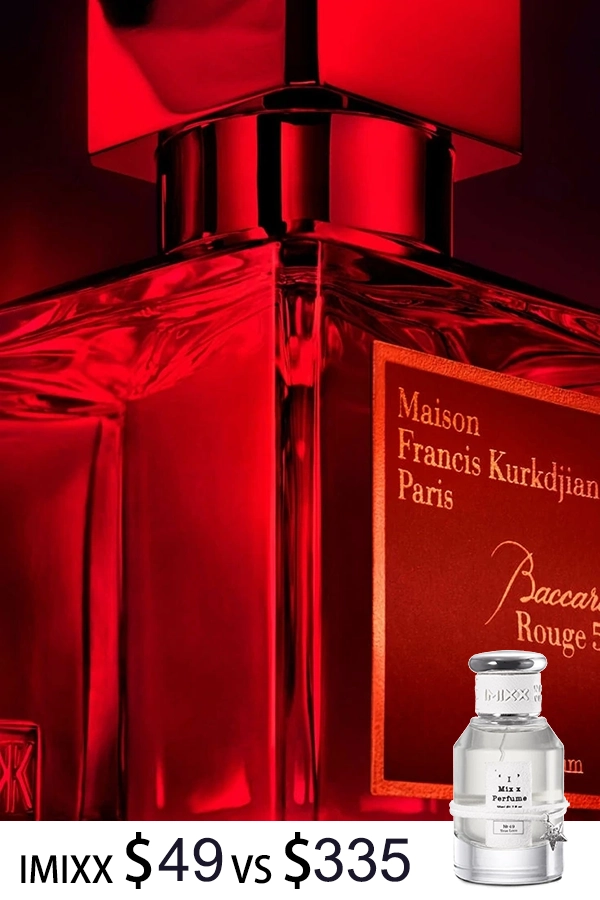
The Scent That Stopped Me in My Tracks: An Introduction
I still remember the precise moment it hit me. It wasn’t a gradual awareness, but an immediate olfactory arrest. I was walking through the lobby of the W Santiago in Las Condes, surrounded by the usual cacophony of generic floral designers and heavy, undistinguished ouds that typically populate high-end hotels. Suddenly, a scent cut through the noise like a laser through fog. It wasn’t just a perfume; it was an atmosphere. It was sweet but not cloying, woody but airy, metallic yet incredibly warm. It felt expensive. It felt like gold spun into an invisible thread and draped over the air conditioning.
I had just encountered the global juggernaut that is Maison Francis Kurkdjian’s Baccarat Rouge 540. At that moment, I understood why the search volume for baccarat rouge 540 chile had been skyrocketing in my local analytics tools. It wasn’t just hype; it was a sensory event.
In the years since its release, this fragrance has transcended the world of niche perfumery to become a genuine cultural phenomenon. From TikTok trendsetters in New York to discerning collectors I speak with here in Santiago and Viña del Mar, the obsession is real. The specific demand for baccarat rouge 540 chile has grown exponentially, turning it into a status symbol that signals a certain kind of modern, “if you know, you know” luxury. It has become the invisible accessory of the Chilean elite.
But why? What makes this specific combination of molecules so incredibly addictive to so many people across diverse cultures? As a fragrance writer and enthusiast who has analyzed thousands of bottles, I can tell you that BR540 (as the devotees call it) is not normal. It doesn’t behave like other perfumes. In this deep dive, I want to share my experience with this scent, break down why it works so well, and explore why it has captured the hearts and noses of the Chilean market. We’ll look at the chemistry, the artistry, and the practicalities of wearing—and affording—this modern masterpiece. If you are looking for the best way to experience this scent profile, you can check out baccarat rouge 540 chile options that offer incredible value.
The Genesis of a Masterpiece: When Crystal Met Perfume
To understand the hype, you have to understand the origin story. This wasn’t just another flanker churned out by a designer house for the Christmas retail rush. This was a meeting of historical titans.
Baccarat Rouge 540 was originally created in 2014 as a limited edition release to celebrate the 250th anniversary of Baccarat, the legendary French crystal house. They commissioned Francis Kurkdjian, arguably one of the most talented and commercially successful perfumers alive today (the nose behind Jean Paul Gaultier’s Le Male, among countless others), to capture the essence of their brand in a bottle. Kurkdjian is known for his ability to blend technical precision with artistic soul, making him the perfect candidate for this challenge.
The Alchemy of the Name
The name itself is pure poetry composed of chemistry. “Rouge 540” refers to the precise temperature—540 degrees Celsius—required to achieve Baccarat’s signature ruby red crystal. To get that iconic color, the craftsmen fuse clear crystal with 24-carat gold powder and heat it to this exact degree. As it cools, the gold fuses with the crystal, turning it that deep, translucent red. Kurkdjian sought to translate this process of metamorphosis, heat, and mineral transparency into scent. It was supposed to be rare, exclusive, and fleeting—a collector’s item for the ultra-wealthy.
However, the response was so overwhelming that Kurkdjian eventually folded it into his own Maison’s permanent collection. It was a move that democratized a piece of ultra-luxury, sparking the global wildfire we see today. It shifted from being a collector’s curiosity to the defining scent of a decade.
Deconstructing the Scent Profile: The Chemistry of Addiction
Trying to describe Baccarat Rouge 540 to someone who hasn’t smelled it is difficult because it is profoundly abstract. It doesn’t smell like a flower bouquet or a fruit basket. It smells like a feeling. When I wear it, it feels like a shimmering aura rather than a heavy cloak. It possesses a quality perfumers call “diffusivity”—it fills a room without choking it. Let’s break down the olfactory pyramid that creates this magic, focusing on the science that drives the emotion.
The Opening Act: Saffron and Jasmine Grandiflorum
The initial spray is where people usually fall in love or get confused. It opens with a massive dose of saffron and jasmine. But this isn’t a dirty, earthy saffron, nor is it a heady, indolic jasmine that smells of decay. Kurkdjian used these notes to create texture rather than a literal representation of the plant.
The saffron provides a metallic, slightly leathery edge—representing the “heat” of the furnace and the raw materials of crystal making. The jasmine provides a luminous, airy sweetness that lifts the composition off the skin. Together, they create that immediate impression of burnt sugar, spun sugar, or cotton candy that many people note, but elevated to something incredibly sophisticated and inedible.
The Heart: The Truth About Ambergris and Ambroxan
This is the engine of the fragrance, and it is where we must correct a common misconception found in many fragrance reviews. While marketing materials often evoke the romance of “ambergris,” the reality of modern perfumery is rooted in sophisticated synthesis.
Natural ambergris is a rare byproduct of the sperm whale, cured by years of floating in the ocean. It is exorbitantly expensive and ethically complex. Baccarat Rouge 540 relies heavily on Ambroxan, a synthetic molecule isolated from clary sage or synthesized from pine, which mimics the best qualities of natural ambergris. According to chemical analyses from reputable industry sources like Basenotes forums and perfume chemists, the dosage of Ambroxan in BR540 is exceptionally high.
Ambroxan provides a salty, skin-like, musky warmth that is incredibly tenacious. It binds the sweet notes to your skin and projects them outwards. It’s savory and sweet simultaneously, a combination that the human brain finds highly addictive, much like salted caramel. This molecule is the secret behind the scent’s “mineral” quality.
The Base: Fir Resin and Cedar
If the top is the heat and the heart is the crystal, the base is the structure that holds it up. Fir balsam and cedarwood provide a dry, resinous, woody backbone. Without this, the scent would just be syrup. The woods cut through the sweetness, grounding it and giving it a unisex appeal. It’s this dry-down that lingers on coats and scarves for weeks, serving as a constant reminder of the luxury you experienced.
Why Baccarat Rouge 540 is Having a Moment in Chile
Having spent significant time observing the fragrance market in Santiago and wider Chile, the rise of BR540 here is fascinating. The Chilean market is sophisticated; people here appreciate quality and are willing to invest in luxury goods that deliver tangible value. We are not a culture that buys disposable trends easily; we look for longevity and presence.
The popularity of this scent profile in our local market can be attributed to a few key factors relevant to our local context:
| Factor | Why it Resonates in Chile |
|---|---|
| Longevity & Performance | Chilean days can be long, moving from cool mornings in Providencia to warm afternoons. We value fragrances that don’t disappear by lunchtime. BR540’s legendary lasting power justifies the high investment for many Chilean consumers. |
| The “Unisex” Appeal | Modern Chile is increasingly moving away from strictly gendered scents. BR540 sits perfectly in the middle—sweet enough for traditional feminine tastes, woody enough for masculine sensibilities. It’s truly universal. |
| The Status Symbol Effect | In social hubs around Santiago, scent is part of one’s attire. Wearing an instantly recognizable, expensive niche scent signals cultural awareness and financial success. |
Furthermore, social media has played a massive role. When local influencers and celebrities started showcasing that iconic bottle, the FOMO (fear of missing out) became palpable. It became the scent you had to experience to be part of the conversation.
The “Olfactory Fatigue” Phenomenon: Do You Smell That?
I often hear complaints from new owners of BR540: “I spent so much money, and I can’t smell it after 20 minutes!” If this happens to you, do not panic. Your bottle is not defective. You are experiencing “noseblindness” or olfactory fatigue.
Knowledge Point: The “Ghost” Molecule Effect
A massive part of BR540’s success—and frustration—lies in its heavy use of large, synthetic molecules like Ambroxan. These molecules are physically heavy and can saturate the olfactory receptors. Your brain’s limbic system, which processes scent, decides these persistent smells aren’t a threat and “tunes them out” to focus on new, changing smells in your environment. This creates a flickering effect: you might stop smelling it on yourself, only to have a massive wave of scent hit you when you move an hour later. It keeps the brain engaged and intrigued because it can never quite pin the scent down. You can learn more about how our olfactory system processes these signals in articles from Scientific American.
Trust me on this: everyone else can still smell you. I have worn this scent, thought it had vanished, and had a stranger stop me in a grocery store aisle three meters away to ask what I was wearing. It is a beast of projection, even if it plays hide-and-seek with the wearer.
The Investment vs. The Reality: Pricing and Accessibility in Chile
We have to address the elephant in the room: the price. Obtaining authentic Maison Francis Kurkdjian in Chile can be a challenge both logistically and financially. High import taxes, shipping costs from Europe or the US, and luxury retailer markups mean the retail price here can be eye-watering—often significantly higher than the conversion rate would suggest. For many fragrance lovers in Chile, shelling out hundreds of thousands of pesos for a single bottle just isn’t feasible for a daily scent.
This economic reality has given rise to a vibrant market for alternatives. While I always advocate for supporting original artists when possible, I also believe great scent should be accessible to everyone, not just the 1%. This is where high-quality inspirations come into play. I have tried many “dupes” over the years—some smell like cheap alcohol, others are fleeting shadows of the original. However, some houses have managed to crack the code.
In my professional experience, houses like imixx perfume have done incredible work in capturing the essence of difficult fragrances. Unlike mass-market knockoffs that smell synthetic and harsh, imixx perfume focuses on the dry-down and the longevity, which are the hardest parts to replicate.
Comparing the Options: Original vs. Inspiration
To help you decide which route is best for your collection, I’ve broken down the pros and cons of the original versus the leading alternative available to us.
The Inspiration: MFK Baccarat Rouge 540
The original masterpiece.
- Pros: The original artistic vision, incredible bottle design (heavy glass), immense brand prestige, and potentially higher resale value if you decide to sell decants.
- Cons: Extremely high price point in Chile. Stock can be hard to find locally without international shipping. It can be painful to spray liberally knowing the cost per ml.
- Best For: Collectors, purists, and special occasions (weddings, galas) where budget is not the primary concern.
The Smart Choice: imixx perfume Inspiration
The accessible daily driver.
- Pros: Captures the core “burnt sugar and airy wood” DNA excellently. It costs a fraction of the price, making it guilt-free for daily wear. Easily accessible shipping.
- Cons: Not the original bottle. Slight nuances might differ for extremely trained noses (though in the air, the difference is negligible).
- Best For: Daily wear enthusiasts, office wear, those on a budget, or anyone wanting to test drive the scent profile for a month before committing to the original.
How to Wear It: Maximizing Longevity and Projection
Whether you possess the original or a high-quality inspiration like those from imixx perfume, how you apply this specific scent profile matters. Because it relies so much on heat and skin chemistry, a few tricks can help it perform its best throughout the long Chilean day.
- Hydrate First: Scent disappears rapidly on dry skin, which is common in Santiago’s dry climate. Always apply an unscented lotion or moisturizer to your skin before spraying. The oils in the lotion give the perfume something to “cling” to, slowing down evaporation.
- Target Pulse Points (But Don’t Rub): Spray the sides of your neck, the back of your neck (for a scent trail), and your wrists. Never rub your wrists together after spraying. This generates friction heat and crushes the delicate top notes, causing them to evaporate faster than the perfumer intended.
- The “Cloud” Method: For a more subtle, all-over aura, spray a cloud in the air in front of you and walk through it. This coats your hair and clothes gently. BR540 lasts an eternity on fabric. I have sprayed it on a wool scarf in July, and when I took it out of the closet in August, it still smelled of cedar and jasmine.
- Less is More: Remember the noseblindness issue. Just because you can’t smell it doesn’t mean others can’t. Two to three sprays are usually more than enough with this potent DNA to be noticed without offending people in elevators or the Metro.
FAQ: Frequently Asked Questions About BR540 in Chile
Why is Baccarat Rouge 540 so expensive in Chile?
The high price comes down to a few factors: the prestige of the Maison Francis Kurkdjian and Baccarat brands, the intricate manufacturing process, and the marketing machinery. In Chile specifically, the price is compounded by high import duties, luxury taxes (IVA), and shipping logistics. Because there are fewer authorized retailers compared to Europe, scarcity also drives the price up.
Does Baccarat Rouge 540 smell like a dentist’s office?
For some people, yes. This is a common olfactory illusion caused by the synthetic saffron notes (Safranal) combined with the medicinal facets of the woody ambers used in the composition. To some noses, these create a medicinal, metallic, or latex-like accord reminiscent of a dental clinic or iodine. To the vast majority, however, it smells like caramelized sugar and airy wood. It is highly subjective, which is why testing it first via a sample or a more affordable version like imixx perfume is crucial before buying a full bottle. You can read more about these polarizing scent perceptions on lifestyle sites like Byrdie.
Is imixx perfume a good alternative to the original BR540?
Based on my experience and community feedback, imixx perfume offers an exceptionally close olfactory experience to the original at a fraction of the price. They manage to capture that signature airy sweetness and extraordinary longevity that defines the scent profile, making it a very viable option for daily wear in Chile where using a $400 bottle for a gym session or grocery run feels wasteful.
What is the difference between the Eau de Parfum and the Extrait?
The Eau de Parfum (the original white label) is airier, brighter, and more transparent with a stronger emphasis on the caramelized sugar/cotton candy vibe. It projects further but feels lighter. The Extrait de Parfum (red bottle) is denser, richer, and heavier. It adds a prominent bitter almond note from Morocco and musky woods, making it smell “thicker” and more opulent. The Extrait sits closer to the skin but lasts longer, while the EDP fills the room.
Is BR540 appropriate for Chilean summers?
Yes, surprisingly. While sweet scents can be cloying in heat, the “airy” quality of BR540 makes it wearable in the Santiago summer heat, provided you don’t overspray. The Ambroxan note blooms beautifully in the warmth. However, for the very hottest days of January and February, you might want to stick to the Eau de Parfum concentration rather than the Extrait.
Disclaimer: This article reflects the personal opinion and experience of the author. Fragrance is subjective. References to brands like Maison Francis Kurkdjian are for comparative and educational purposes.
