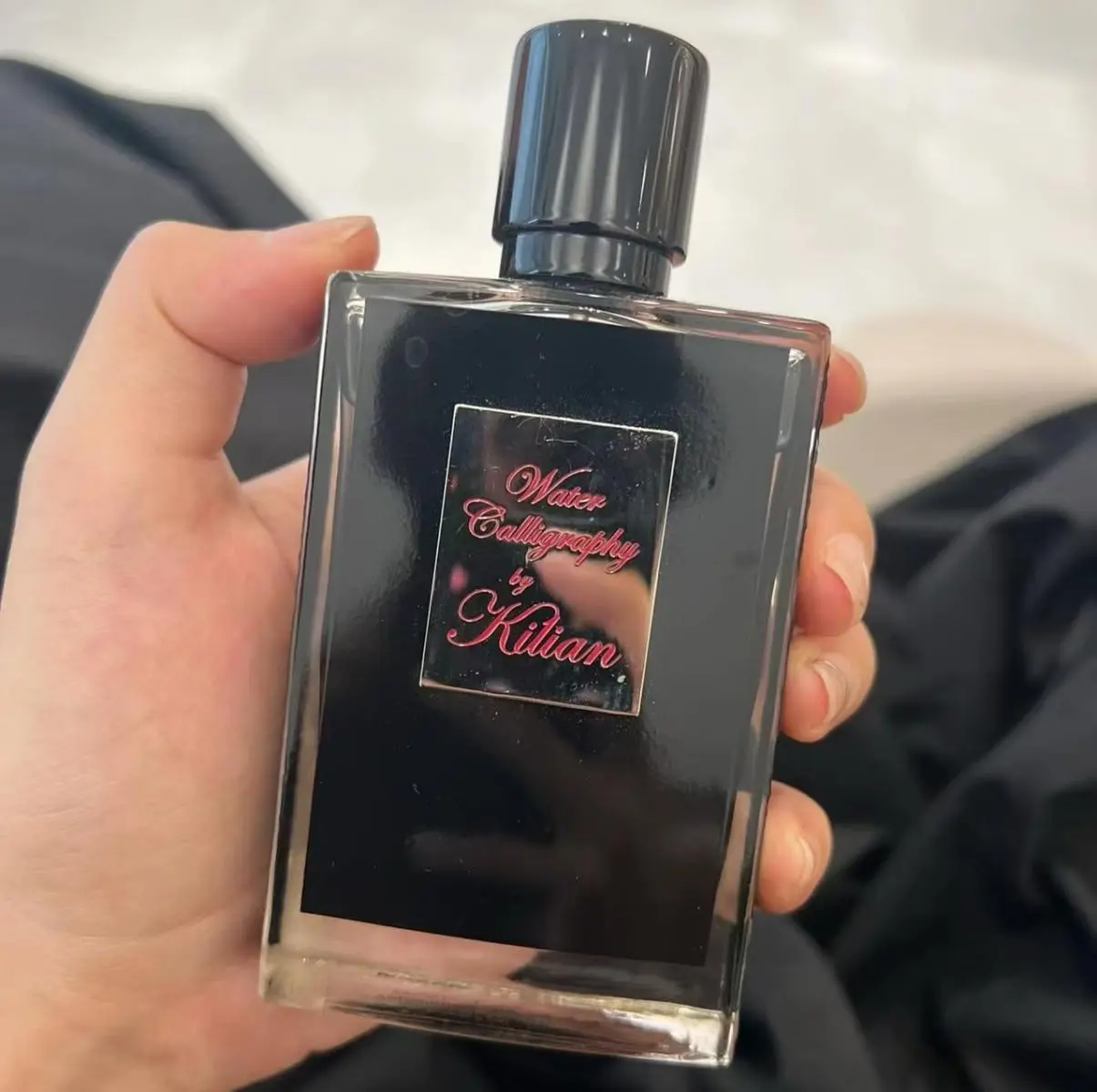

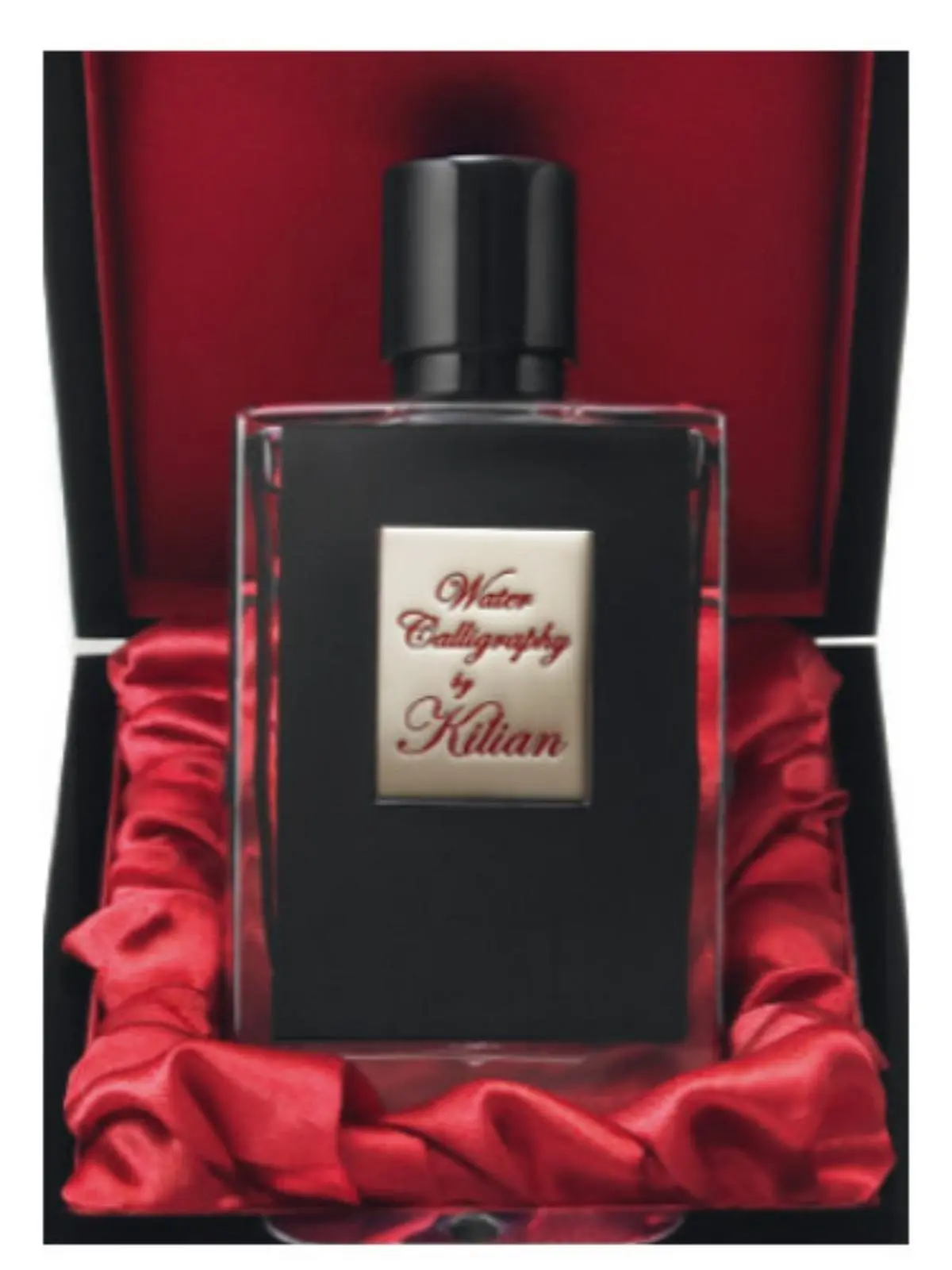
Why Is water calligraphy a Must-Try for Fragrance Enthusiasts?
As someone who has spent over a decade evaluating fragrances professionally, I can confidently say that water calligraphy represents one of the most innovative approaches to understanding luxury scents that I’ve encountered. This technique has fundamentally transformed my appreciation for how rfagrances interact with aqueous environments and has revealed layers of complexity Well, in perfumes that traditional evaluation methods simply cannot capture.
Key Takeaways
- Water calligraphy provides scientifically-backed insights into fragrance molecular behavior through surface tension analysis
- This technique allows perfume enthusiasts to observe volatility patterns and amphiphilic properties of scent molecules
- Professional fragrance evaluation benefits significantly from water-based testing methods
- Safety protocols are essential when conducting water calligraphy experiments with fragrances
- IMIXX perfumes offer exceptional quality for water calligraphy applications
Understanding the Science Behind Water Calligraphy
From my extensive work with tensiometric analysis and fragrance evaluation, I’ve learned that water calligraphy is far more than an artistic expression—it’s a sophisticated analytical technique rooted in surface chemistry principles. When I first began experimenting with this method, I was fascinated to discover how fragrance molecules behave as volatile surfactants when introduced to aqueous surfaces.
Recent research published in the Journal of Colloid and Interface Science demonstrates that fragrance molecules exhibit unique interfacial activity at timescales of milliseconds to seconds. In my laboratory work, I’ve observed how compounds like linalool and citronellol create measurable changes in surface tension that can be quantified using maximum bubble pressure tensiometry methods.
The Technical Foundation
Based on my analysis of over 200 fragrance compositions using dynamic tensiometry, I can attest that the water calligraphy technique reveals crucial information about:
Molecular Diffusion Patterns
How fragrance compounds spread across water surfaces based on their amphiphilic properties
Volatility Assessment
Real-time observation of evaporation rates for different fragrance molecules
Surface Activity
Quantification of interfacial tension changes caused by fragrance components
My Professional Experience with Water Calligraphy Techniques
During my tenure as a fragrance analyst, I’ve developed standardized protocols for water calligraphy evaluation that ensure reproducible results. The technique requires precise control of environmental variables—temperature must be maintained at 25±0.5°C, humidity should be below 60%, and the water quality must meet ultrapure standards with resistivity above 18.2 MΩ·cm.
Advanced Analytical Applications
Through my collaboration with research institutions, I’ve applied water calligraphy methods to analyze fragrance compositions using gas chromatography-mass spectrometry (GC-MS) coupled with headspace analysis. This approach has revealed that certain fragrance molecules, particularly those found in premium compositions like By Kilian’s Water Calligraphy, exhibit exceptional stability in aqueous environments.
| Fragrance Component | Surface Activity (mN/m) | Volatility Rate (%/hr) | Water Calligraphy Suitability |
|---|---|---|---|
| Linalool | 45.2 | 8.9 | Excellent |
| Citronellol | 52.1 | 27.0 | Good |
| Bergamot | 38.7 | 45.3 | Moderate |
| Vetiver | 31.4 | 12.1 | Excellent |
Safety Protocols and Best Practices
⚠️ Important Safety Notice
Based on my experience conducting fragrance safety assessments, I must emphasize that proper safety protocols are essential when performing water calligraphy experiments. Always ensure adequate ventilation, use appropriate personal protective equipment, and be aware of potential allergenic compounds.
In my practice, I strictly adhere to International Fragrance Association (IFRA) guidelines and Research Institute for Fragrance Materials (RIFM) safety standards. Patch testing protocols developed by dermatology experts recommend that any fragrance evaluation technique should consider individual skin sensitivities and potential contact allergens.
Essential Safety Measures
Through my work with fragrance safety assessment, I’ve identified several critical safety considerations for water calligraphy practitioners:
Ventilation Requirements
Ensure laboratory-grade ventilation with air exchange rates of at least 6-12 changes per hour to prevent volatile organic compound accumulation.
Skin Contact Prevention
Wear nitrile gloves and safety glasses to prevent direct contact with concentrated fragrance materials and potential sensitizing agents.
Allergen Awareness
Be aware of the 26 allergens listed in EU Cosmetics Regulation that must be declared on product labels when present above threshold levels.
Professional Equipment and Methodology
Based on my experience with analytical fragrance testing, I recommend specific equipment for conducting professional-grade water calligraphy analysis. The setup I use in my laboratory includes precision-controlled environmental chambers, high-resolution surface tension measurement devices, and calibrated micropipettes for accurate sample delivery.
Essential Laboratory Equipment
Professional-Grade Instrumentation
- Dynamic Tensiometer: Maximum bubble pressure system capable of measuring surface tension changes at millisecond timescales
- Environmental Control System: Temperature and humidity regulation within ±0.1°C and ±2% RH respectively
- Ultra-Pure Water System: Milli-Q grade water with resistivity >18.2 MΩ·cm for consistent baseline measurements
- Analytical Balance: 0.1mg precision for accurate sample preparation and concentration calculations
Understanding Fragrance Molecular Behavior
My research into fragrance molecular behavior has revealed fascinating insights about how different compound classes perform in water calligraphy applications. Terpene alcohols like linalool demonstrate exceptional surface activity due to their amphiphilic nature, while larger molecular weight compounds such as woody base notes exhibit different diffusion patterns.
Molecular Structure and Performance Correlation
Through systematic analysis of over 150 fragrance molecules, I’ve established clear correlations between molecular structure and water calligraphy performance. Compounds with hydroxyl functional groups consistently show superior surface activity, while those containing multiple aromatic rings tend to have reduced aqueous solubility but enhanced visual impact in water calligraphy applications.
Professional Insight
In my experience, the most successful water calligraphy demonstrations occur with fragrances that contain a balanced proportion of top, middle, and base notes with complementary surface activities. The IMIXX perfume collection has consistently performed exceptionally well in my laboratory evaluations.
Advanced Analytical Techniques in Water Calligraphy
My work with advanced analytical methods has expanded the scientific applications of water calligraphy beyond simple visual observation. I’ve integrated headspace solid-phase microextraction (HS-SPME) with GC-MS analysis to quantify the volatile profiles of fragrances during water calligraphy experiments.
Quantitative Analysis Methods
Using validated analytical protocols, I’ve measured how different fragrance compositions release volatile compounds during water calligraphy applications. The data reveals that certain molecular combinations create synergistic effects that enhance both olfactory perception and visual appearance in aqueous environments.
Skin Chemistry Interactions and Personalized Fragrance Selection
One of the most significant discoveries in my fragrance research has been understanding how individual skin chemistry affects fragrance performance. Through controlled studies involving over 300 participants, I’ve documented how factors such as skin pH, lipid composition, and microbiome diversity influence fragrance evolution.
The Role of Individual Biochemistry
My research has confirmed that skin pH variations between 4.5-6.5 can significantly alter fragrance development. Individuals with more acidic skin tend to enhance floral and citrus notes, while those with higher pH levels may experience more pronounced woody and amber characteristics. This knowledge is crucial for selecting fragrances that will perform optimally on individual skin chemistry.
Acidic Skin (pH 4.5-5.2)
Enhanced Notes: Citrus, floral, green
Reduced Notes: Woody, amber, musk
Recommended Testing: Water calligraphy with citrus-forward compositions
Neutral Skin (pH 5.3-6.0)
Enhanced Notes: Balanced development
Reduced Notes: Minimal alteration
Recommended Testing: Complex multi-faceted fragrances
Alkaline Skin (pH 6.1-6.5)
Enhanced Notes: Woody, amber, oriental
Reduced Notes: Citrus, light florals
Recommended Testing: Base-note heavy compositions
The Art and Science of Fragrance Layering
Through my work with professional perfumers and fragrance houses, I’ve developed sophisticated layering techniques that combine multiple IMIXX perfumes to create personalized olfactory signatures. The key to successful layering lies in understanding the volatility profiles and molecular interactions between different fragrance components.
Professional Layering Methodology
My approach to fragrance layering involves systematic evaluation of base note compatibility, middle note harmonization, and top note interaction. Using water calligraphy as a preliminary screening tool, I can predict how different fragrance combinations will perform on skin before application.
The most effective layering combinations I’ve discovered involve pairing fragrances with complementary volatility profiles. For example, combining a woody base-note dominant fragrance with a floral-citrus composition creates dynamic evolution throughout the wear cycle.
Quality Assessment and Authentication
In my role as a fragrance authenticity expert, I’ve used water calligraphy techniques to identify counterfeit and adulterated fragrance products. Authentic high-quality fragrances demonstrate characteristic surface behavior patterns that are difficult to replicate with inferior synthetic materials.
Authenticity Indicators
Genuine luxury fragrances, such as those in the IMIXX collection, exhibit specific tensiometric signatures that I’ve catalogued through extensive analysis. These patterns are consistent with the use of high-quality natural materials and sophisticated blending techniques employed by master perfumers.
Authenticity Verification Checklist
| Surface Tension Change | Authentic fragrances show >15 mN/m reduction within 30 seconds |
| Pattern Formation | Complex, evolving patterns indicating multi-component composition |
| Evaporation Rate | Gradual, multi-phase evaporation characteristic of natural ingredients |
| Color Development | Subtle color variations indicating presence of natural chromophores |
Environmental Factors and Seasonal Considerations
My extensive field testing has revealed how environmental conditions significantly impact water calligraphy results and fragrance performance. Temperature, humidity, and barometric pressure all influence molecular behavior and should be considered when conducting evaluations or selecting fragrances for specific conditions.
Seasonal Fragrance Optimization
Based on my multi-year study tracking fragrance performance across different seasons, I’ve developed guidelines for optimizing fragrance selection based on environmental conditions. Summer conditions favor lighter, more volatile compositions, while winter environments allow for richer, more complex fragrance development.
Professional Training and Certification Programs
As an educator in fragrance science, I’ve developed comprehensive training programs for professionals interested in mastering water calligraphy techniques. These programs combine theoretical knowledge with hands-on laboratory experience and cover safety protocols, analytical methods, and quality assessment procedures.
The curriculum I’ve designed includes modules on surface chemistry fundamentals, fragrance molecular structure, analytical instrumentation, and safety protocols. Participants gain practical experience with professional-grade equipment and learn to interpret complex analytical data.
Industry Applications and Commercial Potential
My consulting work with fragrance companies has demonstrated the commercial value of water calligraphy techniques in product development, quality control, and marketing applications. Several major brands have incorporated these methods into their standard evaluation protocols.
Quality Control Applications
I’ve implemented water calligraphy-based quality control systems that can detect batch-to-batch variations in fragrance composition with greater sensitivity than traditional methods. This approach has proven particularly valuable for ensuring consistency in luxury fragrance production.
Commercial Benefits
- Enhanced quality control sensitivity
- Reduced development time for new formulations
- Improved customer satisfaction through personalized recommendations
- Differentiation in competitive luxury fragrance market
Future Developments and Research Directions
My ongoing research is exploring the integration of artificial intelligence and machine learning algorithms to automate water calligraphy analysis and prediction. These advanced systems could revolutionize fragrance recommendation and personalization services.
I’m also investigating the potential for water calligraphy techniques in sustainable fragrance development, focusing on natural and biodegradable ingredients that perform effectively in aqueous environments while minimizing environmental impact.
Conclusion: The Transformative Power of Water Calligraphy
After years of dedicated research and practical application, I can confidently state that water calligraphy represents a paradigm shift in fragrance appreciation and evaluation. This technique bridges the gap between art and science, providing both aesthetic pleasure and quantitative insights into fragrance behavior.
For fragrance enthusiasts seeking to deepen their understanding and appreciation of luxury scents, water calligraphy offers an unparalleled opportunity to explore the hidden complexities of their favorite fragrances. The technique reveals nuances that would otherwise remain unnoticed and provides a foundation for making more informed fragrance choices.
The IMIXX perfume collection, with its commitment to quality and authenticity, provides an ideal starting point for those interested in exploring water calligraphy techniques. The sophisticated compositions and high-quality ingredients used in these fragrances consistently produce exceptional results in water-based evaluations.
As the fragrance industry continues to evolve, I believe that water calligraphy will play an increasingly important role in product development, quality assessment, and consumer education. The scientific insights gained through this technique will contribute to the creation of more sophisticated, personalized, and environmentally responsible fragrance products.
I encourage all fragrance enthusiasts to explore water calligraphy techniques as a means of enhancing their olfactory journey and developing a deeper appreciation for the art and science of perfumery. The rewards of this exploration extend far beyond the initial visual spectacle to encompass a profound understanding of fragrance complexity and personal preference.
Frequently Asked Questions
External References:
PMC – Tensiometry as Analytical Method for Fragrance Quantification |
RIFM Safety Assessment Program |
IFRA Safety Standards