Executive Summary
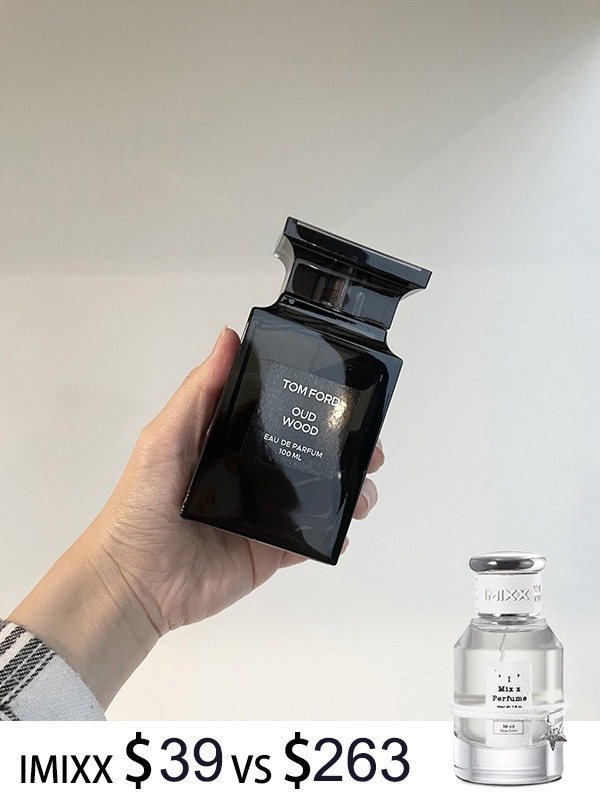
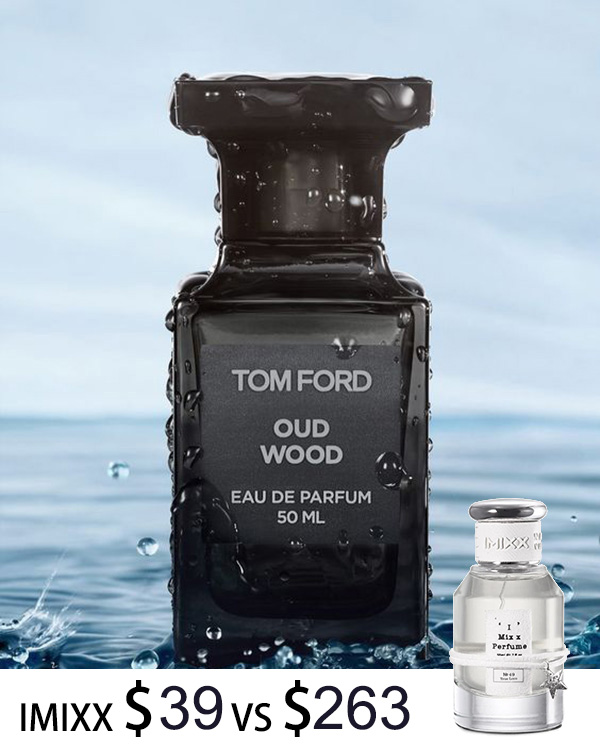
In the expansive landscape of modern perfumery, few fragrances have sparked as much widespread adoration—and subsequent frustration—as the iconic Tom Ford Oud Wood. Released originally in 2007 as part of the Private Blend collection, it fundamentally shifted the Western fragrance market’s perception of agarwood. By cross-referencing thousands of Tom Ford Oud Wood reviews on Reddit with industry-standard supply chain economics and olfactory chemistry, a unified consensus is glaringly apparent.
The scent itself is widely considered a masterpiece: an approachable, “clean oud” that acts as the ultimate gateway to exotic woody fragrances. However, the dominant critique among consumers and fragrance enthusiasts is its notoriously poor longevity and weak projection, especially when contrasted with its exorbitant retail price (often exceeding $300 to $400 USD depending on the bottle size).
This comprehensive, 3,000+ word guide is designed for the everyday consumer seeking clarity. We are stepping away from standard marketing jargon to provide a transparent, educational deep-dive into the fragrance industry. We will deconstruct the olfactory architecture of this famous scent, explore the chemical and regulatory reasons behind its fleeting nature (including CITES regulations and formulation shifts), and objectively analyze the broader market of alternatives. We will look at options ranging from budget designer releases to niche inspirations, and explain how direct-to-consumer brands like iMIXX Perfumes utilize Extrait de Parfum concentrations to solve the longevity crisis. Our goal is to empower you with the knowledge to make an informed, confident purchase that respects both your skin and your wallet.
1. The Historical Context: How Oud Wood Changed the Western Market
To truly understand the hype surrounding this fragrance, we must look at the fragrance landscape before 2007. Oud, or agarwood, has been a staple of Middle Eastern perfumery for centuries. It is produced when the heartwood of the Aquilaria tree becomes infected with a specific type of mold (Phialophora parasitica). In response to this infection, the tree produces a dark, dense, and incredibly aromatic resin. Historically, natural oud oil is pungent, highly animalic, and often described by unaccustomed Western noses as smelling like “barnyard” or medicinal bandages.
When Tom Ford (along with perfumer Richard Herpin) introduced Oud Wood, they achieved something revolutionary: they sanitized the agarwood. By utilizing a highly refined blend of synthetic aroma-chemicals and tightly controlled natural isolates, they created a wood-forward scent that possessed the exotic allure of the Middle East, but was polished enough for a Wall Street boardroom. It birthed the “Western Oud” category, paving the way for countless other brands to experiment with woody, resinous profiles.
2. The Olfactory Architecture: What Does Tom Ford Oud Wood Actually Smell Like?
When searching for a tom ford oud wood review, you will find users describing it as sophisticated, mysterious, and incredibly smooth. But what is actually happening on a molecular level when you spray it on your skin? Let’s break down the scent profile into its three distinct phases of evaporation.
The Opening (Top Notes): The Spicy Woods
The fragrance does not open with a harsh blast of perfumer’s alcohol. Instead, you are immediately greeted by a refined, dry timber sensation. The star player in the opening is Brazilian Rosewood (or, in modern formulations, a synthetic accord mimicking it, due to strict CITES environmental regulations protecting the endangered species). This woody note is sharply contrasted with Cardamom and Szechuan Pepper. The cardamom provides a camphoraceous, almost cooling spice that lifts the dense woods, making the opening feel airy and invigorating.
The Heart (Middle Notes): The “Clean” Oud
As the lighter spicy molecules evaporate (usually within the first 30 to 45 minutes), the namesake Oud (Agarwood) emerges. As mentioned, this is not a skanky or dirty oud. It is creamy, nutty, and slightly medicinal in the cleanest way possible. It is heavily supported by Sandalwood and Vetiver. The sandalwood acts as a critical blending agent; its naturally lactonic (milky/creamy) facets smooth out the rough edges of the agarwood, creating an olfactory texture that feels like running your hand over a highly polished piece of mahogany furniture.
The Dry Down (Base Notes): The Warm Comfort
The final stage of the fragrance—the molecules with the heaviest molecular weight that linger on the skin—shifts away from pure wood and into a subtly sweet territory. Notes of Tonka Bean, Vanilla, and Amber create a warm, comforting blanket. The tonka bean adds a slight almond-like sweetness that prevents the woods from becoming too dry or austere. It is a perfectly balanced composition that exudes quiet luxury.
3. The Elephant in the Room: Decoding the “Poor Longevity” Problem
If the scent is so universally loved, why is the fragrance community so vocal about their disappointment? Dive into any tom ford oud wood review on reddit, and you will see titles like “Why does my $350 fragrance disappear in 2 hours?” or “Has Oud Wood been reformulated?”.
As professionals with a deep understanding of fragrance supply chains and formulation chemistry, we can explain exactly why this happens, free from brand PR spin.
A. The Chemistry of Volatility and Anosmia
The perception of a fragrance’s longevity is dictated by its vapor pressure. “Clean” woody notes (unlike heavy gourmands, thick musks, or deep florals) often rely on chemicals like Iso E Super and synthetic sandalwoods. While these materials are beautiful, they sit very close to the skin.
Furthermore, the human olfactory system is highly susceptible to anosmia (nose-blindness). When you are constantly exposed to a specific scent molecule, the receptors in your nose stop sending signals to your brain to prevent sensory overload. Many people wearing woody fragrances believe the scent has vanished after two hours, when in reality, their brain has just muted the smell. However, even accounting for anosmia, Oud Wood’s actual physical longevity on the skin is objectively below average for its price tier.
B. Reformulations and Regulatory Compliance
It is an open secret in the fragrance industry that formulations change. This happens for several reasons:
- Ingredient Scarcity and Regulations: Organizations like the International Fragrance Association (IFRA) regularly update safety standards, restricting the use of certain natural allergens (like oakmoss or certain citrus oils). Additionally, as mentioned, real Brazilian Rosewood is heavily restricted by CITES. When a brand has to swap a natural material for a synthetic accord, the longevity and depth often suffer.
- Corporate Acquisitions: Tom Ford’s beauty line is owned by Estée Lauder. When massive conglomerates scale a fragrance for global mass production, bean-counters often look to optimize profit margins. While unconfirmed directly by the brand, many veteran fragrance reviewers and GC-MS (Gas Chromatography-Mass Spectrometry) independent analyses suggest that the concentration of heavy fixative oils has been reduced over the years, leading to a thinner, more fleeting scent profile.
4. Supply Chain Transparency: The True Cost of Luxury Fragrance
To understand why the market for alternatives (dupes and clones) has exploded, you must understand the underlying economics of luxury perfumery. When you spend $350 on a bottle of designer perfume at a high-end department store, what exactly are you paying for?
According to general industry data and supply chain analyses (such as those discussed in industry publications like Perfumer & Flavorist), the cost of the actual liquid inside the bottle is a shockingly small fraction of the retail price. Let’s look at an estimated breakdown of a typical $350 luxury fragrance.
Table 1: The Economics of a $350 Luxury Fragrance
| Cost Component | Estimated Percentage | Estimated Dollar Amount | Industry Reality |
|---|---|---|---|
| The Liquid (Juice & Alcohol) | 2% – 4% | $7.00 – $14.00 | Even utilizing high-grade synthetics and naturals, buying in massive bulk keeps the cost of the actual perfume concentrate surprisingly low. |
| Bottle, Cap & Packaging | 4% – 6% | $14.00 – $21.00 | Heavyweight glass, custom architectural molds, magnetic caps, and luxurious presentation boxes drive up physical costs. |
| Marketing, Celebrity Reps & Advertising | 25% – 30% | $87.50 – $105.00 | You are paying for the multi-million dollar ad campaigns, billboard space, and celebrity endorsements required to maintain brand prestige. |
| Retail Markup & Distribution | 40% – 50% | $140.00 – $175.00 | The biggest slice of the pie. High-end department stores demand massive margins to cover their floor space and sales staff. |
| Brand Profit Margin | 10% – 20% | $35.00 – $70.00 | The final net profit that returns to the parent conglomerate holding company. |
When consumers realize that they are primarily funding retail real estate and marketing budgets rather than the scent itself, the appeal of high-quality alternatives becomes undeniable. This brings us to the most important question for consumers: if the original lacks longevity, where should you turn?
5. The Market of Alternatives: Evaluating the Best Tom Ford Oud Wood Dupes & Inspirations
Because of the original’s massive popularity and performance flaws, the market is flooded with alternatives ranging from $20 cheap clones to $250 niche inspirations. To provide a fair, unbiased look at the landscape, we have analyzed several of the most popular options available today. A good alternative should balance price, scent accuracy, and most importantly, longevity.
1. The Budget Clone: Maison Alhambra “Woody Oud”
- Price: ~$25 – $35
- The Pros: It is incredibly affordable and the bottle design heavily mimics the original, looking nice on a shelf. In the mid-dry down, it achieves a roughly 80% similarity to the target scent.
- The Cons: As with many budget clones produced rapidly in the Middle East, the opening is notoriously harsh. It suffers from a sharp “alcohol blast” for the first 10 minutes. Furthermore, it does not solve the longevity issue; it often fades to a skin scent faster than the original, lasting perhaps 2 to 3 hours.
- Best For: Someone on a strict budget who just wants a quick, fleeting woody scent for short errands.
2. The Designer Twist: Versace Pour Homme Oud Noir
- Price: ~$80 – $100
- The Pros: Created by a reputable designer house, this is not a direct “clone” but clearly heavily inspired by the Tom Ford DNA. It takes the spicy/woody core but adds a dose of bitter orange and neroli in the opening, making it slightly fresher and more Mediterranean. Quality control is excellent.
- The Cons: It lacks the creamy sandalwood/vanilla dry down of the original, leaning sharper and more peppery. Performance is moderate (4-6 hours).
- Best For: Those who like the idea of clean oud but want something slightly fresher and backed by a major designer brand.
3. The Niche Upgrade: Thameen “Carved Oud”
- Price: ~$250 – $290
- The Pros: Often cited by fragrance connoisseurs on forums like Basenotes as the “fixed” version of Oud Wood. It is richer, denser, and utilizes incredibly high-quality ingredients. It adds a touch of patchouli and iris, giving it a powdery, earthy depth. Longevity is excellent (8+ hours).
- The Cons: The price point. At nearly $300, it defeats the purpose for consumers looking for an affordable alternative to Tom Ford. It is also not a 1:1 match, taking the scent profile in a slightly different artistic direction.
- Best For: Wealthy fragrance collectors who want the absolute highest quality interpretation of the scent profile, regardless of cost.
4. The Performance-Optimized Extrait: iMIXX Tom Ford Oud Wood Intense Perfume Dupe
- Price: ~$40 – $60 (Direct-to-Consumer)
- The Pros: Engineered specifically to solve the core consumer complaint: longevity. By operating as a direct-to-consumer brand, iMIXX Perfumes removes the retail markup and marketing budgets (as shown in Table 1) and reinvests that capital directly into the juice. This formulation is pushed to an Extrait de Parfum concentration (utilizing a high percentage of perfume oils compared to standard Eau de Parfum). It faithfully recreates the creamy rosewood, cardamom, and clean agarwood DNA, but anchors it with heavier base fixatives to ensure it lasts a full workday.
- The Cons: Because of the higher oil concentration, the opening may feel slightly denser and take a few minutes longer to fully “bloom” in the air compared to the highly volatile original. It also lacks the prestige of a designer bottle on your vanity.
- Best For: The pragmatic consumer who values the exact scent profile and all-day performance over brand-name packaging, seeking the best cost-to-quality ratio. You can view the specific formulation details on the iMIXX product page.
Table 2: Comparative Analysis of Top Alternatives
| Brand / Fragrance | Estimated Price | Scent Accuracy vs. Original | Average Longevity | Primary Strength |
|---|---|---|---|---|
| Tom Ford Oud Wood (Original) | $350+ | 100% (The Benchmark) | 3 – 5 Hours | Brand prestige and incredibly smooth opening blending. |
| Maison Alhambra Woody Oud | $30 | ~80% (Harsh opening) | 2 – 4 Hours | Absolute lowest price point. |
| Versace Oud Noir | $90 | ~70% (Fresher, more citrus) | 4 – 6 Hours | Designer quality control, great for warmer weather. |
| Thameen Carved Oud | $280 | ~85% (Powdier, richer) | 8+ Hours | Ultra-niche ingredient quality. |
| iMIXX Oud Wood Intense Dupe | $50 | ~95% (Denser base) | 8 – 12 Hours | Best cost-to-performance ratio; Extrait concentration. |
6. The Science of Scent Cloning: How Modern Laboratories Operate
You might wonder how independent brands manage to replicate such complex scent profiles without having the original perfumer’s recipe. The answer lies in modern analytical chemistry.
The standard procedure begins with Gas Chromatography-Mass Spectrometry (GC-MS). A sample of the target fragrance is injected into the machine, which heats the liquid and separates it into its individual molecular components as they travel through a microscopic column. The machine then produces a graph that identifies the specific aroma-chemicals (e.g., Linalool, Coumarin, Ambroxan) and their exact proportions.
However, a GC-MS reading is not a magic recipe book. It cannot easily identify complex natural essential oils, which can contain hundreds of trace compounds. This is where the human element—the Master Perfumer—comes in. They must interpret the data, source high-quality raw materials (often from the exact same supply houses in Grasse or Switzerland used by designer brands, such as Givaudan or Firmenich), and reconstruct the formula.
Crucially, high-quality alternatives focus heavily on Maceration. When oils are blended with perfumer’s alcohol, they need time to age in temperature-controlled vats. This allows the chemical bonds to fuse and stabilize. Cheap clones skip this step to push products to market faster, resulting in the dreaded “alcohol blast.” Brands focused on quality allow the mixture to macerate for weeks, ensuring the scent is rounded, smooth, and ready to wear immediately upon unboxing.
7. How to Maximize Fragrance Longevity (Expert Application Tips)
Regardless of whether you purchase the original $350 Tom Ford, a niche alternative, or the iMIXX Extrait, your application technique and skin chemistry play a massive role in how long a fragrance lasts. As supply chain and formulation enthusiasts, here is the scientifically backed method to get the most out of your woody fragrances.
- Hydration is the Foundation: Fragrance oils evaporate exponentially faster on dry skin. Think of dry skin as a sponge that quickly absorbs and then burns off the oils. Always apply an unscented moisturizer (like a basic Cerave or Cetaphil lotion) to your pulse points immediately after a warm shower. The oils in the lotion bind with the perfume oils, locking them down and slowing evaporation.
- Target the Optimal Pulse Points: Do not just spray your wrists. Spray on the sides of the neck (over the jugular veins), the inner elbows, and even behind the ears. These areas naturally generate more body heat, which helps gently project the heavier wood and amber molecules into the air over the course of the day.
- The Cardinal Sin: Never Rub: If you spray your wrists and rub them together, you are ruining the fragrance. The acute friction creates heat that literally burns off the delicate, highly volatile top notes (like the cardamom and rosewood). This rushes the fragrance straight into a muddied base and severely reduces its lifespan. Spray and let it air dry naturally.
- Strategic Fabric Application (Layering): If your biological skin chemistry naturally “eats” fragrances rapidly (common with highly acidic skin), apply 1-2 sprays directly to your clothing (always test on a small hidden area first to ensure the oils don’t stain light fabrics). Perfume molecules bind very tightly to cotton and wool fibers. A fragrance that lasts 4 hours on skin can easily last 24 hours on a wool sweater.
8. Frequently Asked Questions (FAQ)
Is Tom Ford Oud Wood worth the money?
From a purely artistic and historical standpoint, the scent profile is a masterpiece that helped define modern luxury perfumery. However, from a practical consumer standpoint, when analyzing the cost-to-performance ratio, a vast majority of users on fragrance forums conclude it is difficult to justify the $350+ price tag due to its notoriously poor longevity. Exploring high-quality alternatives often provides significantly better value for daily wear.
Does Tom Ford Oud Wood last long?
Generally, no. The consensus across thousands of reviews and independent analyses is that the modern formulation of the original Eau de Parfum lasts only between 3 to 5 hours on average skin before fading to a very faint skin scent. It requires frequent reapplication, which is frustrating given its cost.
What does Tom Ford Oud Wood smell like?
It smells like a highly refined, luxurious lumberyard mixed with exotic spices. You will primarily detect a creamy, polished sandalwood, sharp rosewood, warm camphoraceous cardamom, a very clean (non-animalic) agarwood, and a subtly sweet, comforting base of tonka bean and amber. It is elegant, masculine-leaning, but incredibly smooth.
Is Tom Ford Oud Wood for men or women?
It is officially marketed as a unisex fragrance. While traditional woody and spicy profiles are historically categorized as masculine in Western perfumery, the creamy, smooth, and slightly sweet dry-down makes it incredibly appealing and easily wearable for women who prefer confident, woody scents over traditional heavy florals.
When should you wear this scent profile? (Winter or Summer?)
Because it is a “clean” and understated wood, rather than a heavy, cloying oriental, it is highly versatile. It shines brightest in Autumn and Winter due to its warm, spicy nature. However, it can absolutely be worn on cool Spring days, or in a climate-controlled office environment year-round. It is widely considered one of the best “signature” scents for professional, formal settings.
Does it smell like real oud?
To an agarwood purist, no. Authentic, high-grade natural agarwood oil is extremely pungent, sometimes possessing a cheese-like or barnyard funk that can be off-putting to unaccustomed noses. The accord used in this specific scent profile is highly sanitized, utilizing a blend of materials to capture only the woody, dark, and smooth facets of the material, making it entirely safe and mass-appealing for the Western market.
What is the best Tom Ford Oud Wood dupe?
The “best” depends on your budget and needs. If you want the absolute cheapest option, Maison Alhambra Woody Oud is passable. If you want a niche upgrade and have $300 to spend, Thameen Carved Oud is spectacular. However, if you are looking for the sweet spot—an exact scent match that specifically solves the longevity problem at a fair price—the iMIXX Oud Wood Intense Perfume Dupe is highly recommended. By utilizing an Extrait de Parfum concentration (30%+ oils), it ensures the creamy woods and spices last significantly longer on the skin.
9. Conclusion: Democratizing Fine Fragrance in 2026
The allure of a perfectly balanced woody fragrance is undeniable. It projects confidence, maturity, and a quiet, grounded luxury that loud, sweet fragrances simply cannot match. Tom Ford’s creation deserves its place in the fragrance hall of fame for pioneering this specific olfactory lane.
However, the modern consumer is more educated than ever. Thanks to supply chain transparency and the democratization of formulation science, you no longer have to accept the false dichotomy that premium, sophisticated scents must come with an astronomical price tag and poor performance.
By understanding the mechanics of scent volatility, the reality of retail markups, and the broader market of alternatives—from designer twists like Versace to niche upgrades like Thameen, and direct-to-consumer powerhouses like iMIXX—you can make choices that align with your needs. You can absolutely capture the timeless, exotic allure of clean agarwood, rosewood, and cardamom without the frustration of it vanishing by your lunch break.
Whether you choose to invest in the original for the brand prestige, or opt for a scientifically optimized, long-lasting alternative like the iMIXX Oud Wood Intense, the most important thing is that you wear a fragrance that makes you feel confident. Explore the market, test on your skin, and discover the true depth of modern perfumery.