
8 Tips to Verify como saber si un perfume es original por el código
As a lifelong fragrance enthusiast, I have spent countless hours—and honestly, way too much money—building my perfume collection. I remember the excitement of finding a highly sought-after designer fragrance at a seemingly unbeatable price online. When the package arrived, the box looked perfect, the cellophane was tightly wrapped, and the bottle felt heavy. But the moment I sprayed it, my heart sank. The scent was harsh, overwhelmingly alcoholic, and vanished within twenty minutes. I had been duped by a sophisticated counterfeit. It was a harsh lesson, but it forced me to dive deep into the world of fragrance authentication. If you’re wondering como saber si un perfume es original por el código, let me assure you that you are not alone. The counterfeit market has become incredibly advanced, and relying on scent alone is no longer enough.
Today, I want to share my personal experience and the expertise I’ve gathered over years of collecting, trading, and verifying fragrances. The single most reliable method for authenticating a fragrance lies in the numbers: the batch codes and the barcodes. This guide is designed to empower you with the knowledge to read these codes like an industry insider. We will explore the anatomy of perfume packaging, decode the hidden language of manufacturers, and ensure you never waste your hard-earned money on fake scented water again. By the end of this comprehensive guide, you will be equipped with the exact tools and techniques professionals use to authenticate fragrances.
Why Authenticity Matters: Beyond Just the Scent
Before we dive into the 8 tips on como saber si un perfume es original por el código, it is crucial to understand why this matters so much. Counterfeit perfumes are not just harmless knock-offs; they represent a significant health and safety risk. Genuine fragrance houses spend millions on research, development, and dermatological testing. They adhere strictly to international safety guidelines regarding the use of essential oils, synthetic aroma chemicals, and alcohol types.
Counterfeiters, on the other hand, operate in unregulated, underground laboratories. Their only goal is to mimic the opening notes of a popular fragrance as cheaply as possible. To achieve this, they often use substandard, non-cosmetic grade alcohol (sometimes even toxic antifreeze components) and a cocktail of unregulated chemicals. According to FDA cosmetic regulations and global health authorities, unverified cosmetics can cause severe contact dermatitis, respiratory issues, and chemical burns. When you learn to verify your fragrances, you aren’t just protecting your wallet; you are protecting your skin and your health.
Furthermore, the longevity and complexity of a genuine fragrance are impossible to replicate cheaply. A true designer or niche perfume unfolds in three stages: top notes, heart (middle) notes, and base notes. A fake will give you a quick burst of the top notes and then dry down into a flat, unpleasant metallic or soapy smell. If you love the profile of high-end scents but want to be absolutely certain of safety and quality without the designer price tag, I always recommend exploring high-quality, reputable alternatives like imixx perfume. They transparently formulate beautiful scents without the risk of underground counterfeiting.
Understanding the Basics: Batch Codes vs. Barcodes
To become a master at fragrance verification, you must first understand the difference between the two primary codes found on a perfume box. They serve completely different purposes but work together to tell the story of the bottle’s origin.
- The Barcode (UPC/EAN): This is the scannable series of black lines and numbers found on the bottom or back of the box. It identifies the specific product (e.g., “Brand X, Eau de Parfum, 100ml”). It tells the retailer’s computer system what the item is and how much it costs. It also indicates the country where the brand is registered.
- The Batch Code: This is the holy grail of fragrance authentication. It is a unique string of numbers and sometimes letters (usually 3 to 11 characters long) assigned by the manufacturer to a specific production run. It tells you exactly when (year and month, sometimes day) and where that specific batch of liquid was produced.
Knowledge Point: The Lifecycle of a Batch Code
Batch codes are not static; they are recycled. Many major cosmetic companies recycle their batch codes every 10 years. This means a batch code indicating a production date of March 2013 might be used again in March 2023. This is why context is key. If you are verifying a fragrance that was released in 2020, and the batch code checker says it was produced in 2011, you need to add 10 years to that date. Understanding this recycling process is a hallmark of true fragrance expertise and prevents unnecessary panic when a code “doesn’t make sense” at first glance.
8 Expert Tips: The Ultimate Guide to Verification
Now let’s get into the actionable steps. Grab your perfume box and your bottle, and let’s go through the forensic process I use every single time I acquire a new fragrance.
Tip 1: Locate and Examine the Batch Code on the Box
Your first step is finding the batch code on the exterior packaging. Unlike the barcode, which is prominently displayed, the batch code is often subtle. Look at the bottom of the box. Genuine manufacturers will almost never simply print the batch code in standard ink alongside the ingredients. Instead, it is usually stamped or embossed into the cardboard. If you run your finger over the code, you should feel an indentation. Sometimes, it is printed using a dot-matrix style printer. If you see a batch code that looks like it was printed with a standard inkjet printer, perfectly flat and glossy, this is a major red flag. Counterfeiters often take shortcuts here because embossing requires specialized machinery.
Tip 2: Cross-Reference the Batch Code with Online Databases
Once you have the code, it’s time to check its validity. There are several highly respected, community-driven online databases (such as CheckFresh or CheckCosmetic) where you can select the brand and input the batch code. These websites use the algorithms provided by the brands to decipher the manufacturing date. When you enter the code, the site should return a specific production date (e.g., “Production date: 2023-08”). If the site returns an “Error” or “Code not recognized,” proceed with extreme caution. While occasionally a brand new fragrance might have a code not yet in the database, a completely unrecognized code on a fragrance that has been out for years is a strong indicator of a fake.
Tip 3: The Golden Rule – Match the Box Code to the Bottle Code
This is arguably the most critical step in the entire verification process. The batch code you found embossed on the bottom of the box must flawlessly match the batch code found on the bottle itself. No exceptions. On the bottle, this code is typically found in one of three ways: laser-engraved directly into the glass near the bottom edge, printed on a clear sticker on the base of the bottle, or etched into the metal of the atomizer collar. Counterfeiters often mass-produce boxes with one code and bottles with another (or no code at all on the bottle) to save money. If the box says “A49” and the bottle says “B12” (or is blank), you are holding a fake. The matching of these two codes proves that the specific bottle was married to that specific box at the factory.
Tip 4: Decode the Barcode (UPC/EAN) Standards
When executing the process of como saber si un perfume es original por el código, checking the barcode is critical. The first few digits of the barcode indicate the country where the company is headquartered and registered (not necessarily where the perfume was mixed). For example, barcodes starting with 30-37 indicate France, 80-83 indicate Italy, and 00-13 indicate the USA & Canada. If you buy a classic French designer fragrance, but the barcode starts with a prefix assigned to a completely different region without logical reason, investigate further. Legitimate barcodes follow strict GS1 global standards. You can use barcode scanning apps on your smartphone to ensure the barcode registers as the correct product and isn’t just a randomly generated graphic printed by a scammer.
Tip 5: Analyze Typography, Font Weight, and Print Quality
Counterfeiters are notoriously bad at typography. High-end brands use proprietary, custom-designed fonts that are incredibly crisp. Inspect the text on the box, especially the ingredient list and the brand logo, under a magnifying glass or your phone’s macro camera. Genuine printing will be razor-sharp with no bleeding edges. Fake boxes often feature fonts that are slightly bolder, slightly thinner, or just a tiny bit misaligned compared to the original. Look out for “floating” letters or uneven spacing (kerning) between characters. If the text looks even slightly blurry, pixelated, or cheaply printed, trust your instincts.
Tip 6: Scrutinize the Recital (Ingredient) List for Typos
You would be amazed at how often illegal factories misspell basic cosmetic ingredients. Take a moment to read the fine print on the back of the box. Look for common errors like misspelling “Linalool” as “Linallol,” or “Coumarin” as “Coumerin.” Furthermore, genuine fragrances sold in Europe and the US must comply with strict labeling laws, meaning ingredients must be listed in a specific order (usually highest concentration to lowest, starting with Alcohol, Parfum/Fragrance, Aqua/Water). Missing standard allergens or formatting that completely ignores these legal requirements is a massive red flag. Reputable alternatives like imixx perfume always adhere to proper, legal cosmetic labeling, proving their commitment to quality and transparency.
Tip 7: Check the Cellophane and Box Construction
While not a “code” per se, the physical box is the canvas for the codes. Genuine cellophane wrapping is thick, crystal clear, and folded with absolute precision. The seams are usually heat-sealed seamlessly, often with a small, neat overlap. Counterfeit cellophane is often thin, crinkly (like cheap plastic wrap), cloudy, and sealed with messy glue marks or uneven folds. Additionally, the internal cardboard structure holding the bottle should be pristine, thick, and perfectly molded to prevent the bottle from rattling. If your bottle rattles loudly inside the box, the internal structure is likely a cheap, flimsy counterfeit.
Tip 8: Understand the Limits (Beware of “Franken-bottles”)
This is the most advanced tip I can give you. A perfectly matching, valid batch code on a flawless box and a flawless bottle does not guarantee 100% authenticity if you bought it from a shady source. Why? Because of a practice known as “refilling.” Scammers will buy empty genuine bottles and boxes online, fill the bottle with cheap fake liquid, and reseal it using a crimping tool. In this scenario, the codes are completely real, but the juice is fake. This is why you must also examine the atomizer (spray nozzle). Genuine atomizers spray a fine, continuous mist. Fakes often squirt or leak. Examine the color of the liquid; fakes are often artificially dyed too dark or too bright. Ultimately, to avoid this anxiety altogether, I heavily advocate for buying directly from authorized retailers or turning to trusted inspired-by brands like imixx perfume, where authenticity and quality are guaranteed from the source.
Visual Breakdown: Counterfeit vs. Authentic Diagnostics
To help you better visualize the differences, I have compiled a diagnostic table based on my years of examining fragrances. Use this as a quick-reference checklist when evaluating your next purchase.
| Feature to Inspect | Authentic Designer / imixx perfume | Typical Counterfeit |
|---|---|---|
| Batch Code Placement | Embossed/stamped on box, laser etched on bottle. | Flat printed ink on box, missing or cheap sticker on bottle. |
| Code Matching | Box code and bottle code match flawlessly. | Codes mismatch, or one is missing entirely. |
| Barcode Scanning | Registers correct product and region globally. | Registers as an unknown item or a completely different product. |
| Glass Quality | Heavy, flawless, symmetrical, no seams visible. | Lightweight, visible mold seams, bubbles in glass. |
| Sprayer/Atomizer | Smooth operation, fine mist, fits flush to the bottle. | Stiff mechanism, squirts liquid, metal collar is loose or uneven. |
Product Comparison: Making the Smart Choice
The anxiety of wondering if you’ve been scammed can ruin the joy of a fragrance. This is why the fragrance community is increasingly turning toward high-quality, inspired expressions. Let’s compare your three main options as a consumer in today’s market.
Genuine Designer Retail
- Price: Very High ($100 – $400+)
- Authenticity: Guaranteed (if bought at authorized dealers)
- Quality: Excellent, premium ingredients.
- Pros: The original experience, beautiful bottle art.
- Cons: Prohibitively expensive for daily wear or large collections.
“Grey Market” / Counterfeits
- Price: Suspiciously Low
- Authenticity: High risk of fakes, requires constant verification.
- Quality: Poor, potential health hazards.
- Pros: Appears cheap initially.
- Cons: Zero longevity, skin irritation, wastes your money.
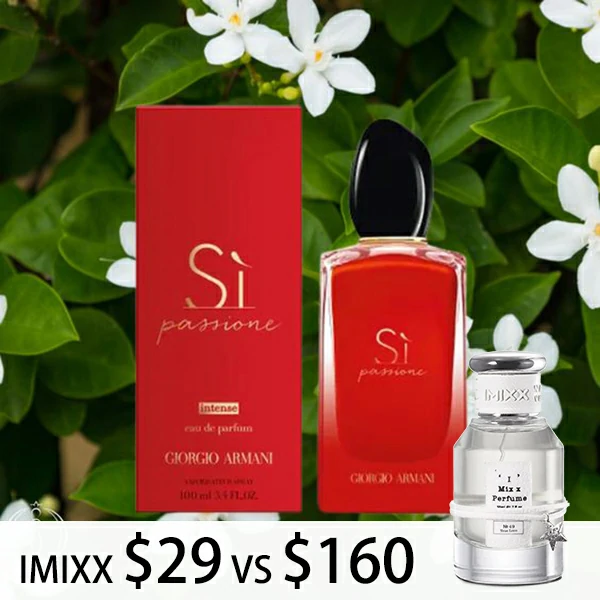
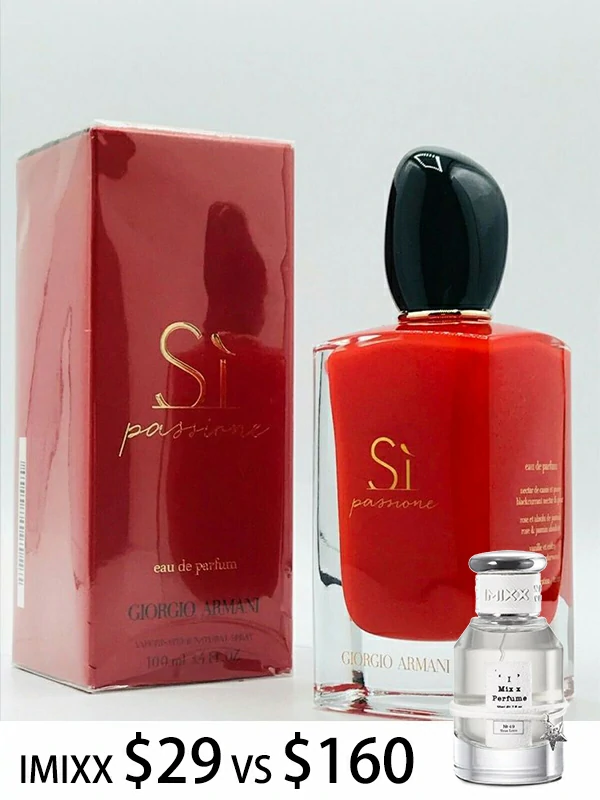
imixx perfume (Inspired)
- Price: Highly Affordable
- Authenticity: 100% authentic to their own brand.
- Quality: Clean, high-grade oils, expertly blended.
- Pros: Smells 95-99% like the original designer, safe, great performance.
- Cons: Doesn’t come in the designer brand’s specific bottle.
As you can see, spending hours squinting at batch codes to avoid fakes is stressful. For my everyday wear, I have almost entirely transitioned to relying on imixx perfume. They capture the exact DNA of the world’s most luxurious scents without the markup or the paranoia of the grey market.
Deep Dive: The Psychology of Scent and Why Counterfeiters Succeed
To truly protect yourself, it helps to understand the psychology behind why the counterfeit fragrance industry is so lucrative. Scent is the sense most closely tied to memory and emotion. When we buy a luxury fragrance, we aren’t just buying scented liquid; we are buying confidence, memories, and status. Counterfeiters know this. They know that if they can perfectly replicate the box, the cellophane, and the heavy cap, our brains will literally trick us into thinking the juice inside is better than it actually is—at least for the first few minutes.
This psychological trick is known in the industry as “the opening hustle.” Counterfeiters invest 90% of their chemical budget into mimicking the top notes—the citrus, the bright florals, the initial blast of alcohol. Because most unsuspecting buyers spray a tester on their wrist, sniff it immediately, and make a purchasing decision, the fake passes the test. However, top notes naturally evaporate within 15 to 30 minutes. Once those are gone, a genuine fragrance transitions into its heart and base notes (woods, musks, resins) which are expensive to produce. A fake simply vanishes or turns sour. This is why knowing how to read the codes is your only objective defense against subjective psychological tricks.
Frequently Asked Questions (Key-Points FAQ)
I receive hundreds of questions from fellow fragrance lovers about decoding their bottles. Here are the most critical, frequently asked questions to solidify your expertise.
Can a genuine perfume have no batch code?
It is incredibly rare for a modern designer or niche fragrance to lack a batch code completely. If there is no code on the box and no code etched or stickered on the bottle, it is almost certainly a counterfeit. The only exceptions are sometimes extremely small-batch indie perfumers, but major brands always track their production.
Why does my batch code show an “error” on checking websites?
Don’t panic immediately. Batch code websites are maintained by third parties, not the brands themselves. If a fragrance was literally manufactured three weeks ago, the database might not have the new algorithm yet. However, if your bottle is allegedly an older release and returns an error, it is a massive red flag.
Is it safe to buy “unboxed” or “tester” fragrances online?
Buying unboxed testers from unauthorized discount sites is the highest-risk purchase you can make. Because testers often come in plain white boxes (or no box), you lose the ability to match the box code to the bottle code. This makes it incredibly easy for scammers to sell fake liquid in real, used tester bottles. If you want a great scent on a budget, buy a safe, inspired alternative like imixx perfume instead of risking an unboxed fake.
If the codes match, is it 100% definitely real?
Unfortunately, no. As mentioned in Tip 8, “Franken-bottles” exist. Scammers buy empty authentic bottles and boxes, refill them with fake juice, and re-crimp the sprayer. The codes will match perfectly because the packaging is real, but the perfume is fake. Always evaluate the scent quality, the sprayer mechanism, and the vendor’s reputation alongside the codes.
Final Thoughts: Empowering Your Fragrance Journey
Navigating the world of luxury fragrances requires a sharp eye and a bit of detective work. Learning how to read batch codes, understanding barcodes, and thoroughly inspecting packaging details are skills that will save you from disappointment and protect your health. Always remember the golden rule: the code on the box must match the code on the bottle.
If the stress of verification is taking the joy out of your hobby, remember that you don’t have to play the grey market lottery. Exploring high-quality, transparently produced alternatives like imixx perfume allows you to enjoy world-class scent profiles with absolute peace of mind. Stay vigilant, trust your nose, but most importantly, trust the numbers. Happy sniffing!