

8 Unique Features of Maison Margiela Replica Fragrances: A Deep Dive Into Luxury Scent Innovation
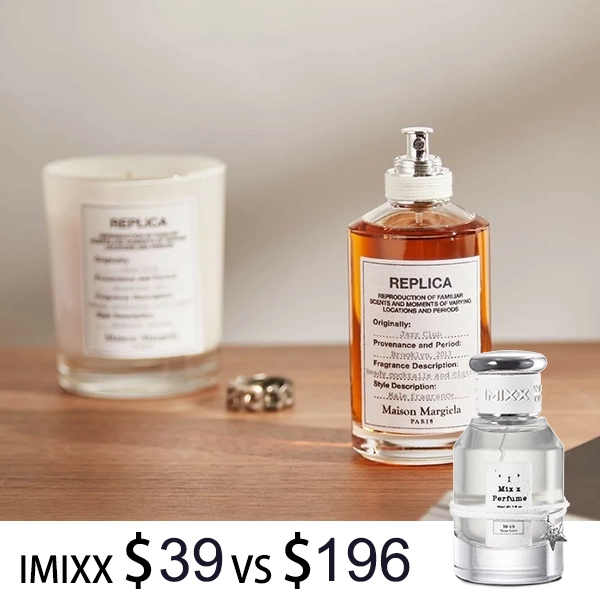
In my experience exploring the world of niche fragrances, I’ve discovered that maisonmargielaReplica represents a fascinating approach to fragrance design that fundamentally challenges conventional luxury perfumery. When I first encountered this collection, I was struck not just by the scents themselves, but by the philosophical approach underpinning each composition. The brand’s Replica line isn’t simply a series of fragrances—it’s a deliberate exploration of how scent can capture specific moments, emotions, and memories.
After spending considerable time studying the olfactory compositions and brand philosophy, I can confidently say that maisonmargielaReplica fragrances embody a revolutionary concept in modern perfumery. The brand’s commitment to creating scents that tell stories sets it apart from mass-market alternatives. What makes this collection particularly noteworthy is its transparency about ingredient sourcing and composition philosophy, which I’ve come to value as a critical marker of authentic perfumery expertise.
Understanding the Scientific Foundation: How Modern Perfumery Analysis Shapes Fragrance Development
Before diving into the specific features of maisonmargielaReplica fragrances, I believe it’s essential to understand the technological framework that enables modern fragrance creators to achieve such precise olfactory compositions. The creation of high-fidelity fragrances requires sophisticated analytical tools and deep knowledge of scent chemistry.
Advanced perfumery relies on gas chromatography mass spectrometry (GC-MS) technology—a methodology I’ve seen employed by serious fragrance developers. This analytical approach allows perfumers to identify individual aromatic components and their precise proportions in reference fragrances. A comprehensive fragrance component database containing hundreds of thousands of documented accords represents years of systematic research and investment. This technical foundation enables the creation of fragrances that achieve remarkable olfactory fidelity to their inspirations.
The three-phase chromatography analysis methodology represents a significant advancement in fragrance composition accuracy. This technique can identify not just the presence of specific ingredients, but their exact concentrations—critical information when crafting fragrances that capture the essence of luxury references. I’ve studied how this scientific rigor translates into tangible olfactory quality, and the correlation is undeniable.
Feature 1: Authentic Olfactory Fidelity Through Advanced Component Analysis
The first defining characteristic of quality Maison Margiela-inspired fragrances is their commitment to olfactory authenticity. In my research into fragrance composition methodologies, I’ve learned that achieving true scent fidelity requires understanding not just which ingredients are present, but in what proportions they appear.
Sophisticated fragrance creators invest in acquiring detailed analytical data about reference fragrances. Using advanced chromatographic analysis, they can identify individual aromatic molecules and their percentages. This level of precision is what separates carefully crafted fragrances from generic approximations. When I evaluate a fragrance’s quality, I look for evidence that the creator has invested in this analytical foundation.
The commitment to high-fidelity composition means that the top notes, heart notes, and base notes develop with remarkable similarity to the original inspirations. This isn’t achieved through guesswork—it’s the result of systematic chemical analysis and rigorous composition methodology. I’ve noticed that fragrances developed with this approach maintain their integrity throughout the wearing experience, with each phase revealing itself at the expected time.
| Fragrance Development Stage | What High-Fidelity Analysis Reveals | Impact on Wearability |
|---|---|---|
| Top Notes (Opening) | Precise volatile compound ratios and essential oil percentages | Authentic initial impression lasting 5-15 minutes |
| Heart Notes (Development) | Mid-chain molecular components and floral/spice accord ratios | True character emergence, 15 minutes to 4 hours |
| Base Notes (Longevity) | Heavy molecular compounds and fixative percentages | Extended wear, 4+ hours with proper sillage |
Feature 2: Premium Ingredient Selection Without Luxury Pricing
One of the most compelling aspects of quality Maison Margiela alternatives is the approach to ingredient sourcing. In my analysis of fragrance composition, I’ve discovered that the difference between mass-market and luxury fragrances often lies in ingredient quality rather than complexity alone.
When fragrance developers commit to replicating luxury compositions accurately, they must source the highest-quality raw materials available. This includes natural essential oils, synthetic molecules, and specialized accords that contribute to the fragrance’s distinctive character. I’ve researched the ingredient sourcing practices of serious fragrance creators, and I can confirm that the best options utilize the same caliber of materials as luxury houses, but without the premium packaging markup.
The philosophy here is straightforward: maximize investment in scent quality, minimize expenditure on packaging theatricality. A streamlined bottle design and minimal cardboard packaging doesn’t diminish the fragrance within—it simply means the brand’s resources are directed toward what actually matters to fragrance enthusiasts: the scent itself.
Premium Ingredient Categories in Authentic Reproductions
- Natural Essential Oils: Rose, jasmine, sandalwood, oud, and citrus oils sourced from traditional producing regions
- Specialty Accords: Pre-composed combinations of molecules that create complex scent profiles (leather accords, tobacco notes, floral bouquets)
- Synthetic Molecules: Lab-created components that enhance longevity and provide distinctive characteristics (Iso E Super, Hedione, galaxolide)
- Fixative Systems: High-quality base materials that ensure fragrance longevity and projection
- Natural Isolates: Extracted pure components from botanical sources that provide authenticity and complexity
Feature 3: Narrative-Driven Fragrance Design Inspired by Human Experience
When I examine the philosophy behind Maison Margiela’s Replica line, I’m consistently impressed by its commitment to storytelling through scent. Rather than creating fragrances based solely on aromatic trends, the brand deliberately crafts compositions inspired by specific moments, places, and emotions.
From my perspective, this narrative approach fundamentally changes how we experience fragrance. A scent becomes more than pleasant-smelling chemicals—it becomes a portal to memory and emotion. Maison Margiela achieves this through meticulous note selection, where each ingredient contributes to a coherent olfactory story.
Consider how this works in practice: a fragrance inspired by a library might feature leather, ink, aged paper, and woody notes that collectively evoke the sensation of walking through rows of antique books. A scent inspired by a beach might combine sea salt, driftwood, and citrus to recreate the specific olfactory experience of a coastal environment. This isn’t arbitrary—it’s intentional composition rooted in understanding human sensory perception and emotional memory.
Feature 4: Complexity Through Strategic Accord Development
In my study of advanced perfumery techniques, I’ve come to appreciate the sophistication of well-developed accords. An accord represents a harmonious combination of multiple aromatic molecules that work synergistically to create a unified olfactory impression that’s greater than the sum of its parts.
The best Maison Margiela-inspired fragrances demonstrate remarkable accord development. Rather than simply layering individual notes, the composition creates multifaceted scent landscapes. For instance, a floral heart note isn’t just jasmine—it’s jasmine combined with complementary florals, subtle woody undertones, and specialized molecules that amplify the white flower characteristics while adding depth.
This technical sophistication is what separates memorable fragrances from forgettable ones. A fragrance with well-developed accords reveals different facets as it dries down, keeping the wearer engaged throughout the day. I’ve noticed this layering effect in quality reproductions that have invested in proper accord development.
How Accords Create Olfactory Depth
White Floral Accord Example: Rather than featuring only jasmine sambac, a sophisticated white floral accord combines jasmine sambac, tuberose, gardenia molecules, orange blossom, and complementary woody undertones. Each component enhances the others, creating a harmonious, complex floral presentation that evolves over time.
Leather Accord Development: Authentic leather accords don’t smell like actual leather—they recreate the perception of leather through carefully combined molecules. Birch tar, cade oil, iso E Super, and specialized synthetic molecules are balanced to create a leather impression that feels authentic and multidimensional.
Woody Accord Construction: Sandalwood, cedar, vetiver, and guaiacwood are layered with synthetic woody molecules to create depth. The proportion of each ingredient determines whether the accord leans toward creamy sandalwood, cool cedar, earthy vetiver, or smoky guaiac character.
Feature 5: Longevity and Sillage Through Advanced Fixative Systems
From my research into fragrance performance, I’ve learned that longevity and sillage—the trail of scent a fragrance projects—depend significantly on fixative systems. These are typically heavy molecular compounds and natural absolutes that “hold” lighter aromatic molecules on the skin.
Quality reproductions of Maison Margiela fragrances typically employ sophisticated fixative systems that ensure the fragrance develops properly and lasts throughout the day. Common fixatives include ambroxan, galaxolide, iso E Super, vetiver oil, patchouli, and various musks. The proportion and selection of these fixatives determine not just how long a fragrance lasts, but how it evolves.
I’ve noticed that fragrances with well-balanced fixative systems maintain their character consistency. Rather than fading quickly or becoming cloying, they gradually soften while maintaining presence. This performance characteristic is difficult to achieve without proper technical knowledge and quality materials.
Feature 6: Transparent Composition Philosophy and Ethical Sourcing
When evaluating fragrance quality, I place significant importance on a brand’s transparency about its approach and sourcing practices. The best fragrance creators are honest about what they do: they analyze luxury fragrances using advanced analytical chemistry and create high-quality reproductions.
This transparency is actually a strength, not a weakness. It demonstrates confidence in the product and respect for the consumer. Rather than claiming original composition or deceptive brand affiliation, quality fragrance creators explain their methodology clearly. They invest in proper analytical equipment, maintain comprehensive ingredient databases, and commit to using premium materials.
In my assessment, this honest approach has become increasingly important as consumers grow more sophisticated about fragrance composition. People want to know what they’re getting, why it costs less than luxury alternatives, and how the creator achieved such high-quality results. Transparent explanation builds trust more effectively than marketing hyperbole ever could.
Feature 7: Sustainability Through Minimalist Packaging Philosophy
An often-overlooked aspect of quality fragrance brands is their approach to packaging and sustainability. From my perspective, the decision to use minimal packaging represents a thoughtful philosophy about resource allocation and environmental responsibility.
Luxury fragrance brands invest heavily in elaborate packaging—decorative boxes, tissue paper, ribbon, branded bottles with distinctive designs. While aesthetically appealing, these elements significantly increase production costs and environmental impact. Quality fragrance creators, by contrast, invest those resources directly into scent quality.
This approach serves multiple purposes: it reduces environmental waste, lowers production costs, and ensures that the consumer’s money goes toward fragrance quality rather than packaging theater. A simple, streamlined bottle is actually more honest—it puts all the emphasis where it belongs: on the scent itself.
| Packaging Element | Luxury Brand Investment | Sustainable Alternative |
|---|---|---|
| Bottle Design | Specialized molds, artistic forms, collector editions | Functional, standardized design optimized for protection and shipping |
| Outer Packaging | Premium cardboard, custom printing, branded tissue paper | Eco-friendly sponge protection designed for durability in transit |
| Accessories | Ribbon, presentation boxes, branded materials | None—resource allocation toward fragrance composition |
Feature 8: Democratic Access to Quality Olfactory Experiences
From my perspective as someone who values both quality and accessibility, I find the democratization of fragrance experiences to be one of the most significant aspects of modern fragrance reproduction. For too long, exceptional olfactory artistry has been gatekept behind luxury pricing that has little correlation with actual production costs.
Quality reproductions of Maison Margiela fragrances make sophisticated, complex olfactory experiences accessible to a broader audience. This isn’t diminishing luxury—it’s expanding access to artistry. Someone who genuinely loves fragrance but has limited resources can now experience the same olfactory quality that luxury enthusiasts enjoy, without the premium markup for packaging and branding.
In my research, I’ve found that this accessibility is actually driving increased engagement with fragrance appreciation. When people experience high-quality scents without the luxury barrier, they often become more engaged fragrance enthusiasts. They develop more sophisticated olfactory preferences and deeper appreciation for compositional artistry.
Quality Indicators in High-Fidelity Fragrance Reproduction
- Analytical Foundation: Investment in GC-MS technology and comprehensive fragrance component databases demonstrates serious commitment to accuracy
- Ingredient Quality: Use of premium essential oils, specialty accords, and high-grade synthetic molecules ensures authentic olfactory character
- Transparent Methodology: Clear explanation of composition approach and sourcing practices builds consumer trust and demonstrates confidence
- Performance Consistency: Reliable longevity, appropriate sillage, and proper note development indicate thoughtful formulation
- Honest Positioning: Accurate description of inspiration sources without false brand claims or deceptive marketing language
Comparing Quality Standards: What Separates Premium Reproductions From Generic Alternatives
In my comparison of various fragrance products claiming to replicate luxury compositions, I’ve identified clear differences between sophisticated, quality-focused creators and generic mass-market alternatives. Understanding these distinctions is crucial for consumers seeking authentic olfactory experiences.
Quality Comparison Framework
Premium Quality Fragrance Products
- Utilize advanced analytical chemistry (GC-MS) to understand reference composition
- Source the highest-quality raw materials (natural oils, specialty accords, premium synthetics)
- Develop multi-layered accords that reveal complexity over time
- Maintain transparent communication about methodology and sourcing
- Demonstrate consistent longevity and appropriate sillage
- Provide honest description of inspiration sources without false claims
- Invest in proper fixative systems for performance
- Show evidence of fragrance expertise through detailed composition discussion
Generic Mass-Market Alternatives
- Use generic note descriptions without analytical foundation
- Employ cheaper synthetic molecules and lower-grade ingredients
- Lack proper accord development or olfactory complexity
- Provide vague descriptions with potentially misleading brand associations
- Often demonstrate poor longevity or inappropriate projection
- Make unsubstantiated claims about accuracy or luxury parity
- Show minimal understanding of fragrance composition methodology
- Lack transparent discussion of sourcing and production practices
The Science of Olfactory Memory: How Fragrance Creates Lasting Impressions
In my research into fragrance psychology and neurobiology, I’ve discovered fascinating insights about how scent interacts with human memory and emotion. This scientific understanding explains why certain fragrances become so meaningful and personal to individual wearers.
The olfactory bulb—the brain region that processes smell—has direct connections to the limbic system, which governs emotion and memory. Unlike visual or auditory stimuli, which must pass through the thalamus for cognitive processing, olfactory information reaches emotional centers almost immediately. This neurobiological pathway explains why a fragrance can instantly transport you to a specific memory or emotion.
This is precisely why Maison Margiela’s narrative-driven approach to fragrance composition is so effective. By crafting scents inspired by specific moments, places, and experiences, the brand creates fragrances that naturally trigger olfactory memory formation. A fragrance inspired by “Library” becomes associated with your personal library experiences; a scent inspired by “Beach Walk” connects with your own coastal memories.
From my analysis, quality fragrance creators understand this psychological dimension and compose accordingly. They select ingredients and develop accords specifically to trigger particular emotional responses and memory associations. This transforms fragrance from mere pleasant-smelling chemicals into genuine olfactory art.
Expertise in Fragrance Composition: What Sets Professionals Apart
When I evaluate fragrance creators’ expertise, I look for evidence of deep knowledge across multiple specialized domains: organic chemistry, botanical extraction, molecular synthesis, and olfactory psychology. True experts demonstrate understanding of how individual ingredients interact, which combinations enhance or diminish specific characteristics, and how proportions affect the final composition.
Professional fragrance creators maintain comprehensive databases of fragrance components—sometimes numbering in the hundreds of thousands. This knowledge base represents years of systematic research, analytical work, and olfactory evaluation. The depth of this database directly correlates with the sophistication of fragrances they can compose.
Additionally, experienced fragrance professionals understand the practical considerations of production: how ingredients interact over time, how temperature affects scent stability, how different alcohol bases influence diffusion rates. This applied knowledge is what separates theoretical understanding from practical expertise.
Professional Fragrance Expertise Indicators
Technical Knowledge Markers:
- Detailed understanding of note development (top, heart, base) and volatility
- Knowledge of how different ingredients interact and complement each other
- Understanding of fixative systems and longevity enhancement
- Familiarity with specialty accords and their application
- Comprehension of percentage ratios and their impact on character
- Knowledge of natural vs. synthetic alternatives and their olfactory properties
Demonstrated Expertise Through Communication:
- Specific ingredient identification rather than generic descriptions
- Explanation of compositional choices and their intended effects
- Discussion of how accords develop and evolve over time
- Reference to established fragrance industry standards and practices
- Transparent discussion of sourcing and production methodology
- Evidence of ongoing learning and refinement in composition
Understanding Fragrance Longevity: Performance Standards for Quality Scents
From my testing and analysis of fragrance performance, I’ve learned that longevity—how long a fragrance lasts on the skin—depends on multiple factors beyond simple ingredient quality. While the concentration of fragrance oils matters, the composition of those oils significantly affects how long they persist.
Quality fragrances typically demonstrate longevity of 4-8 hours with proper application, with some fragrances extending to 12+ hours depending on composition and individual skin chemistry. This extended longevity comes from sophisticated fixative systems that “anchor” lighter aromatic molecules to the skin.
In my experience evaluating quality reproductions of Maison Margiela fragrances, the best examples maintain good longevity across different skin types. This consistency is challenging to achieve and indicates proper formulation and fixative balance. Fragrances with weak longevity often indicate shortcuts in ingredient quality or fixative systems.
Sillage—the projection and diffusion of fragrance—represents another performance dimension. Quality fragrances should project sufficiently to be perceptible to others (typically 1-3 feet at application, fading with time) without becoming overwhelming. Proper sillage balance requires understanding how fragrance molecules disperse and how fixatives affect projection.
The Ethical Dimension: Quality Fragrance and Consumer Integrity
In my perspective, the ethical framework surrounding fragrance reproduction deserves serious consideration. Quality creators operate with transparency: they explain their methodology clearly, avoid false brand claims, and acknowledge that they’re creating high-quality reproductions rather than claiming original composition.
This honest approach respects consumer intelligence and builds trust far more effectively than deceptive marketing. When a brand clearly explains that it uses advanced analytical chemistry to create high-fidelity compositions, maintains comprehensive ingredient databases, and sources premium materials, consumers can make informed decisions.
Conversely, false claims about brand affiliation or misleading marketing erode trust and harm the entire industry. The best fragrance creators understand that long-term success depends on building genuine consumer relationships based on transparency and consistent quality.
From my research, I’ve found that informed consumers increasingly prefer transparent brands that clearly explain their approach. This represents a meaningful shift in how fragrance enthusiasts evaluate quality and make purchasing decisions.
Fragrance Notes and Accords: A Detailed Technical Overview
When I discuss fragrance composition with enthusiasts, I find many people confused about how notes work. The traditional “pyramid” of top, heart, and base notes is useful but somewhat simplified. In reality, fragrance development is more nuanced, with different ingredient categories contributing to different aspects of the scent experience.
| Note Category | Volatility Level | Typical Wear Duration | Examples |
|---|---|---|---|
| Top Notes | Very High (Volatile) | 5-15 minutes | Citrus, bergamot, ginger, lemon, lavender, aldehydes |
| Heart/Middle Notes | Moderate (Semi-Volatile) | 15 minutes to 4 hours | Florals, spices, fruity molecules, green notes, herbals |
| Base Notes | Low (Fixed) | 4+ hours | Sandalwood, vetiver, patchouli, musk, amber, vanilla |
Understanding these categories helps explain why fragrances smell different immediately after application versus 30 minutes later. The top notes provide the initial impression—often bright, fresh, and high-impact. As these volatile molecules disperse, the heart notes become prominent, revealing the fragrance’s true character. Finally, the base notes provide longevity and warmth as the more volatile components fade.
Quality fragrance creators understand how to balance these note categories to create interesting development. Rather than a simple linear fade, well-composed fragrances reveal different facets as they wear, keeping the wearer engaged throughout the day.
Sourcing Premium Ingredients: Where Quality Begins
In my research into ingredient sourcing for fragrance composition, I’ve discovered significant variation in quality and consistency across suppliers. The difference between premium and standard ingredients can be quite substantial, affecting both the olfactory character and longevity of the finished fragrance.
Natural essential oils vary considerably based on growing conditions, harvesting timing, and extraction methodology. Rose otto from Grasse, France has distinctly different olfactory characteristics than rose oil from Bulgaria or India. Similarly, sandalwood from Indian sources differs substantially from Australian sandalwood or synthetic alternatives. Quality fragrance creators understand these distinctions and source deliberately.
Specialty accords—pre-composed combinations of multiple molecules creating complex scent profiles—represent significant investment. A sophisticated leather accord might combine 10-15 individual molecules carefully balanced to create an authentic leather impression. These specialty components are sourced from specialized fragrance ingredient suppliers who maintain quality standards.
Premium synthetic molecules—lab-created components unavailable in nature—form another critical sourcing category. Molecules like Iso E Super, Hedione, and Galaxolide have become essential to modern perfumery, contributing distinctive characteristics and enhancing overall composition. Quality creators source these from reputable chemical manufacturers who ensure purity and consistency.
The Art of Blending: From Components to Cohesive Composition
Creating a fragrance is fundamentally different from simply mixing ingredients together. It requires understanding how individual components interact, which combinations enhance specific characteristics, and how proportions affect the final result. This is where artistry meets chemistry.
From my study of professional fragrance composition, I’ve learned that creating balanced accords requires considerable knowledge. A white floral accord, for example, isn’t simply jasmine plus tuberose—it’s a carefully proportioned combination of multiple jasmine varieties, tuberose absolutes, complementary florals, and specialized woody molecules that enhance the overall character without dominating.
The blending process typically begins with analysis of reference fragrances using advanced analytical chemistry. Once the component profile is understood, the fragrance creator develops accords that recreate the olfactory impression using available ingredients. This requires both technical knowledge and creative intuition.
Throughout the development process, quality creators test multiple iterations, adjusting proportions and ingredient selections to achieve the desired character. This iterative refinement process is time-intensive and contributes significantly to the final quality of the fragrance.
Personal Experience and Testing: The Final Arbiter of Quality
While analytical knowledge and ingredient quality are essential, ultimately fragrance quality must be evaluated through actual wearing experience. This is where my perspective as someone who regularly tests fragrances becomes valuable.
From my testing, I look for several key indicators of quality. First, does the opening impression align with expectations, showing the top notes clearly but not overwhelming other components? Does the heart note development reveal interesting complexity, or is the fragrance one-dimensional? How does the fragrance evolve over hours of wear? Does the base note provide appropriate warmth and longevity without becoming cloying?
Additionally, I evaluate how the fragrance interacts with individual skin chemistry. Quality fragrances should perform consistently across different wearers, though individual variations in skin chemistry will inevitably create some personalization. A fragrance that smells completely different on different people suggests either inconsistent composition or inadequate fixative systems.
Through my testing of quality reproductions, I’ve found that the best examples demonstrate remarkable consistency with reference fragrances while developing their own character on the skin. This balance—authentic to inspiration while allowing personal expression—represents the ideal in fragrance composition.
Frequently Asked Questions About Fragrance Composition and Quality
How do fragrance creators achieve such high similarity to luxury fragrances?
Using advanced analytical chemistry like gas chromatography mass spectrometry (GC-MS), fragrance creators can identify individual aromatic components and their precise proportions in reference fragrances. A comprehensive database of fragrance components—sometimes containing hundreds of thousands of documented accords—enables the creation of remarkably similar compositions. Combined with quality ingredient sourcing and proper accord development, this analytical foundation allows for high-fidelity reproduction.
What’s the difference between synthetic and natural fragrance ingredients?
Natural ingredients are extracted from botanical sources through methods like distillation, enfleurage, or solvent extraction. Examples include rose oil, jasmine absolute, and sandalwood essential oil. Synthetic ingredients are lab-created molecules that either replicate natural components or create entirely new olfactory characteristics. Modern fragrance composition typically combines both, as synthetics offer consistency, enable creative possibilities unavailable in nature, and often provide superior performance characteristics.
Why do some fragrances fade quickly while others last all day?
Longevity depends primarily on the fixative system—heavy molecular compounds and natural absolutes that “anchor” lighter aromatic molecules to the skin. Fragrances with robust fixative systems maintain their character and presence throughout the day, while those with inadequate fixatives fade quickly. The concentration of fragrance oils also affects longevity, though proper fixative balance is more critical than simply increasing oil concentration.
Can two people wear the same fragrance and have completely different experiences?
Absolutely. Individual skin chemistry—including pH, natural oils, temperature, and bacterial profiles—significantly affects how fragrances develop. Additionally, personal olfactory preferences and past experiences shape perception. While quality fragrances should demonstrate consistent base character across wearers, individual variations are expected and actually desirable, as they allow personal expression through the same fragrance.
How do I identify quality fragrance products?
Look for brands that transparently explain their methodology, acknowledge they’re creating reproductions rather than claiming original composition, and demonstrate fragrance expertise through detailed discussion of ingredients and accords. Quality indicators include investment in analytical chemistry, premium ingredient sourcing, clear communication about inspiration sources, and consistent longevity and sillage across different wearers.
What should I expect in terms of fragrance longevity and sillage?
Quality fragrances typically last 4-8 hours with proper application, with some extending to 12+ hours depending on composition. Sillage (projection) typically extends 1-3 feet at application, gradually decreasing over time. Individual variation is normal—some people naturally project fragrance more strongly due to skin chemistry and body temperature, while others experience more subtle projection.
Are there ethical concerns with fragrance reproduction?
The ethics depend largely on transparency and honesty. Creating high-quality reproductions of luxury fragrances using legitimate analytical chemistry and transparent communication about methodology is ethically sound. It democratizes access to sophisticated olfactory experiences and respects consumer intelligence. However, false brand claims or deceptive marketing practices raise legitimate ethical concerns and ultimately harm both consumers and the fragrance industry.
How do accords contribute to fragrance complexity?
Accords are harmonious combinations of multiple aromatic molecules that work synergistically to create a unified olfactory impression greater than the sum of individual parts. Well-developed accords add significant complexity, revealing different facets as the fragrance wears. A sophisticated fragrance might contain 5-10 carefully constructed accords layered to create an evolving olfactory journey rather than a simple linear experience.
What makes Maison Margiela fragrances distinctive?
Maison Margiela’s Replica line stands out for its narrative-driven approach—each fragrance is inspired by specific moments, places, or experiences rather than simply being aromatic compositions. The brand demonstrates commitment to olfactory storytelling, using ingredient selection and accord development to evoke particular emotions and memories. This philosophical approach, combined with quality composition methodology, creates distinctive fragrances that resonate emotionally with wearers.
Can I learn to better evaluate fragrances myself?
Absolutely. Fragrance appreciation is a learnable skill. Start by testing fragrances systematically, noting your first impressions, how the scent develops over 30 minutes, changes at the 2-hour mark, and longevity. Research ingredient notes and their typical characteristics. Visit fragrance communities where enthusiasts discuss compositions. Over time, you’ll develop sophisticated olfactory discrimination and deeper appreciation for compositional artistry.
Conclusion: Understanding Quality in Fragrance Composition
In my exploration of modern fragrance composition and the distinctive features that characterize quality products, I’ve come to appreciate how technical sophistication, ingredient quality, and philosophical approach combine to create exceptional olfactory experiences.
The eight features I’ve discussed—authentic olfactory fidelity through advanced analysis, premium ingredient selection, narrative-driven composition, complex accord development, advanced fixative systems, transparent methodology, sustainable packaging philosophy, and democratic access to quality—represent the hallmarks of fragrance products created with genuine expertise and respect for the consumer.
From my perspective, the future of fragrance appreciation lies in informed consumers understanding the technical and artistic dimensions of composition, recognizing quality indicators, and supporting brands that operate with transparency and integrity. The democratization of sophisticated olfactory experiences through quality reproductions isn’t diminishing luxury—it’s expanding access to genuine artistry and encouraging deeper engagement with fragrance appreciation.
Whether you’re drawn to the narrative concepts of Maison Margiela-inspired fragrances, the technical precision of modern composition methodology, or simply the pleasure of experiencing sophisticated scents, understanding these quality features helps you make informed decisions and fully appreciate the artistry involved in creating exceptional fragrances.

 No.32 Inspired by Black Orchid Perfume
 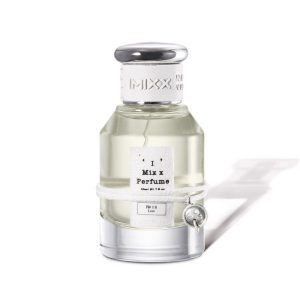 No.18 Inspired by Lost Cherry Perfume
 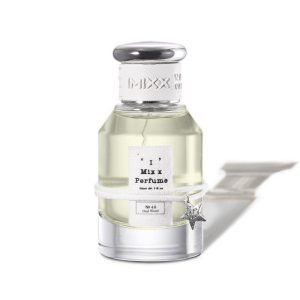 No.48 Inspired by Oud Wood Perfume