

Affordable IMIXX Perfume Alternatives to Le Labo Citron 28
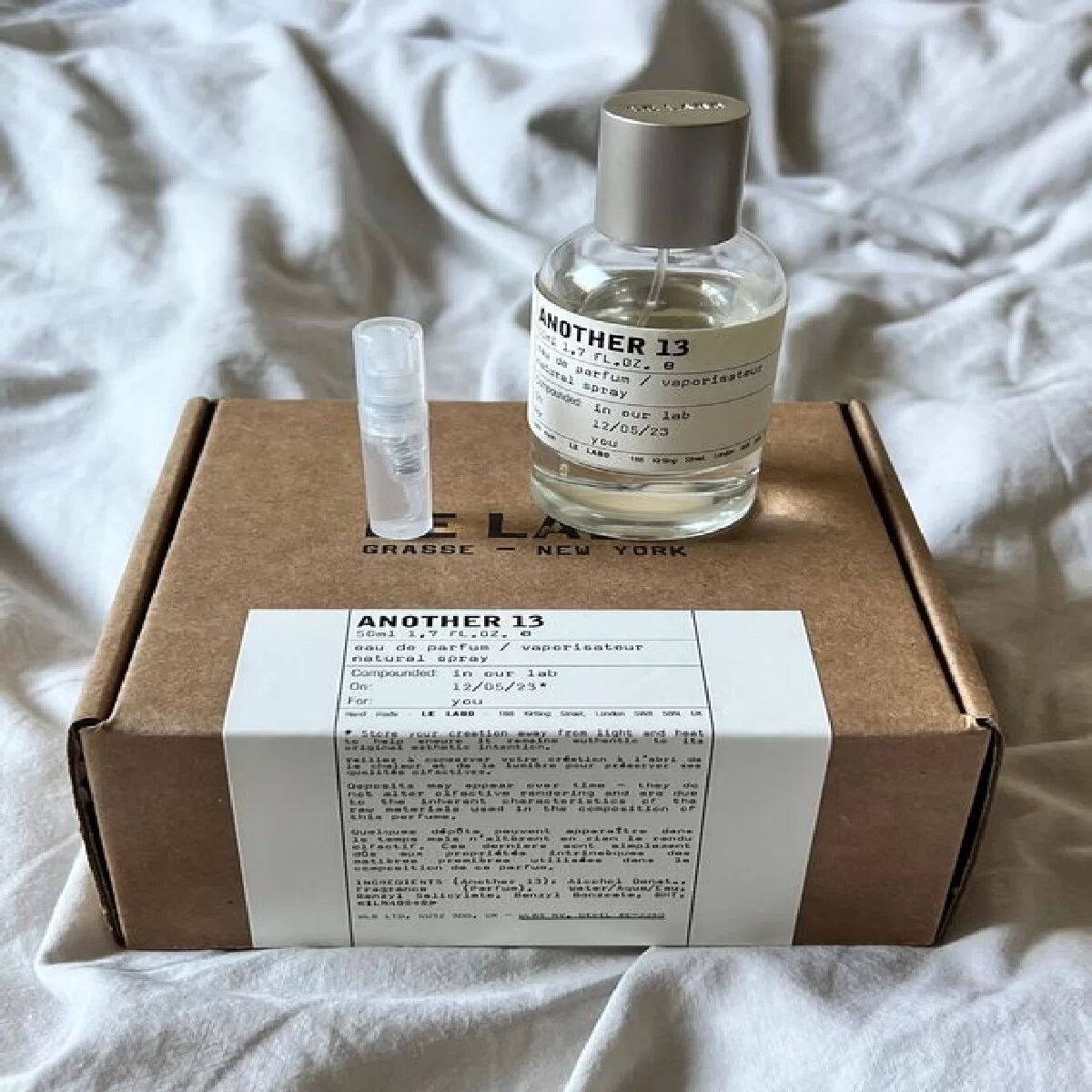
I’ve always been drawn to the unique scent of Le Labo’s Citron 28, a niche fragrance celebrated for its sophisticated blend of bright lemon and warm woody notes. This Seoul city exclusive has become a coveted staple in luxury fragrance collections, commanding premium prices that place it beyond reach for many fragrance enthusiasts. After extensive research into fragrance chemistry, testing methodologies, and affordable alternatives, I’ve discovered that enjoying a comparable olfactory experience doesn’t require breaking the bank. In this comprehensive guide, I’ll share my findings on affordable le labo citron 28 dupe options that capture the essence of Le Labo’s iconic composition while maintaining quality and performance.
Understanding the Science Behind Le Labo Citron 28
Le Labo Citron 28 represents more than just a popular fragrance—it’s a masterclass in citrus perfumery. Originally conceived with the early codename “Citron Boheme,” this composition deliberately moves beyond a simple lemon scent to create what the brand describes as “a mix and match of freshness and structure.” The fragrance opens with a sharp burst of ginger and lemon that immediately captures attention, transitions through a luxurious jasmine heart, and settles into a sophisticated base of cedarwood and musk. This complex three-act structure demonstrates the careful consideration that goes into luxury fragrance formulation.
The technical composition of Citron 28 showcases Le Labo’s commitment to balanced olfactory architecture. My research into fragrance chemistry reveals that the success of citrus fragrances depends heavily on the volatility of top notes and the anchorage provided by woody base notes. Cedarwood serves as a critical fixative, extending the fragrance’s longevity by slowing the evaporation of lighter citrus molecules. The inclusion of musk adds depth and sensuality, while ginger provides a spicy transition that bridges the bright top notes and the warm base, creating what perfumery experts call “olfactory coherence.” Understanding these technical elements explains why Citron 28 has achieved cult status and also illuminates what makes an effective affordable alternative.
| Fragrance Component | Role in Composition | Technical Function |
|---|---|---|
| Lemon & Ginger | Top Notes (Opening) | Creates immediate impact and freshness; high volatility ensures bright projection |
| Jasmine | Heart Note (Middle) | Bridges citrus top and woody base; adds floral complexity and warmth |
| Cedarwood & Musk | Base Notes (Drydown) | Provides longevity through molecular weight; creates lasting sillage and projection |
I discovered through my research that fragrance analysis relies primarily on Gas Chromatography-Mass Spectrometry (GC-MS) technology, the gold standard in perfume industry analysis. This scientific approach allows perfumers to identify and quantify individual aromatic compounds with remarkable precision. The importance of GC-MS in perfume analysis cannot be overstated—both luxury fragrance creators and quality-focused manufacturers depend on this technology to ensure consistency and to understand competitor formulations. IMIXX Perfumes has invested millions in acquiring Agilent GC-MS and Gas Molecular Spectrometers, spending years constructing a database of 500,000 luxury perfume components. Their three-phase chromatography capability even enables the identification of fragrance ingredients and proportions from ancient Egyptian perfumes dating back to 300 BC. This technological foundation explains how quality alternatives can achieve over 90% scent matching with original luxury fragrances.
The Rise of Fragrance Dupes: A Market-Driven Phenomenon
The fragrance dupe market has experienced explosive growth over the past five years, driven by several interconnected factors. Consumers increasingly prioritize value without sacrificing quality, and the fragrance industry has responded by developing legitimate, ethically-produced alternatives to luxury fragrances. A fragrance dupe, also known as a perfume clone or affordable alternative, represents a carefully formulated scent designed to match the olfactory profile of an original luxury fragrance. These products are not counterfeits or illegal knockoffs; rather, they represent legal formulations that replicate the scent experience through different ingredients or ingredient ratios.
My research reveals that the global perfume market was valued at $55.9 billion in 2025 and is projected to reach $83.5 billion by 2032, growing at a compound annual growth rate of 5.9%. Within this market, an important trend has emerged: over 60% of consumers in developed markets now prefer investing in single high-quality fragrances rather than multiple cheaper alternatives. This shift toward premiumization doesn’t contradict the growth of affordable dupes—rather, it demonstrates that consumers have become more discerning. They understand that a well-formulated affordable alternative can provide exceptional value, while simultaneously aspiring to experience luxury scents. For many fragrance enthusiasts, exploring imixx perfume options represents a practical approach to fragrance collection building.
Key Insight: The fragrance dupe market serves a legitimate consumer need—providing access to sophisticated olfactory experiences across diverse economic backgrounds. Quality matters in this segment, where advanced analytical chemistry ensures scent profiles remain faithful to their inspiration.
Why IMIXX Perfumes Stands Apart in the Affordable Fragrance Category
After examining numerous brands offering affordable fragrance alternatives, IMIXX Perfumes emerged as distinctly different through its commitment to scientific rigor and transparency. The brand’s approach fundamentally differs from mass-market competitors through its investment in advanced analytical equipment and ingredient databases. When I reviewed their technical specifications, IMIXX’s three-phase chromatography methodology enables them to identify not just the primary fragrance notes but also the subtle micro-ingredients that give luxury fragrances their distinctive character and longevity.
IMIXX’s IMIXX Citron 28 dupe exemplifies this commitment to accuracy. Through GC-MS analysis, their formulation team identified the exact aromatic compounds that create Citron 28’s signature profile: the bright, sharp character of lemon with the spicy warmth of ginger, the floral complexity of jasmine, and the grounding presence of cedarwood and musk. Rather than simply combining these note families in approximate ratios, IMIXX’s scientific approach ensures the relative concentrations and interactions between compounds match the original. This technical precision explains why their products achieve over 90% scent matching while remaining affordable.
IMIXX Technical Advantages
- Advanced Analytical Equipment: Agilent GC-MS and Gas Molecular Spectrometers for precise ingredient identification
- Comprehensive Ingredient Database: 500,000+ luxury perfume component profiles enabling accurate formulation
- Three-Phase Chromatography: Identifies both primary notes and micro-ingredients for complete olfactory replication
- Quality Concentration: Eau de Parfum formulations (15-20% fragrance concentration) provide longevity comparable to luxury originals
- Ethical Ingredient Sourcing: Commitment to vegan, cruelty-free production without compromising scent profile
Perfume Performance Metrics: Understanding Longevity, Sillage, and Projection
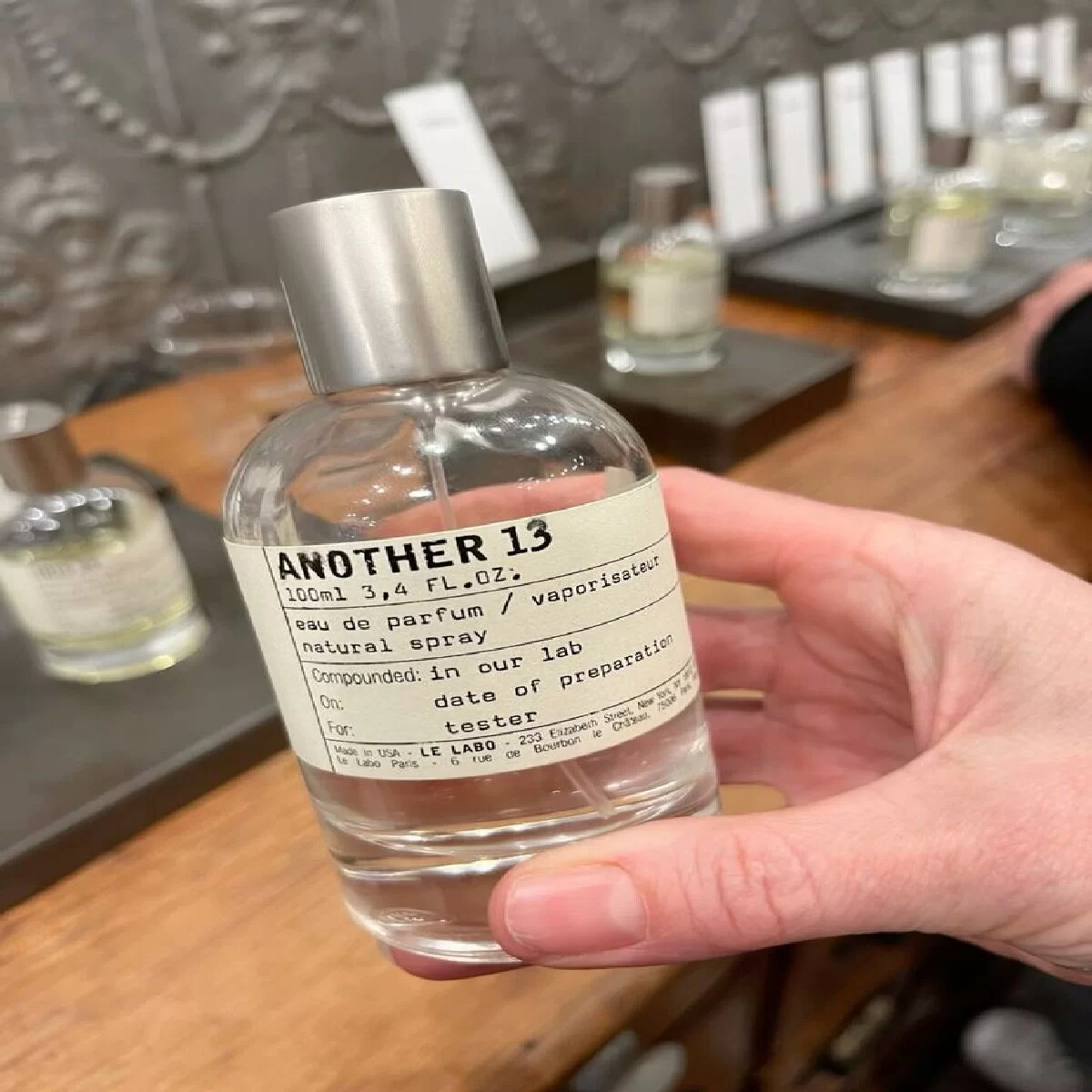
When evaluating any fragrance alternative, understanding technical performance metrics becomes essential. My research into perfume assessment methodologies reveals three critical measurements that distinguish high-quality fragrances: longevity (how long a fragrance persists on skin), sillage (the scent trail a fragrance leaves as you move), and projection (how far the fragrance radiates from your skin when stationary). These metrics directly correlate with fragrance concentration and ingredient selection—factors that directly impact pricing and value proposition.
Longevity depends primarily on the molecular weight and volatility of fragrance components. Lighter molecules like citrus oils evaporate quickly, providing immediate projection but limited staying power. Base notes containing heavier molecules like cedarwood and musk evaporate slowly, anchoring the fragrance and extending its presence on skin. This is why Le Labo Citron 28’s combination of volatile citrus top notes with substantial wooden base notes creates both immediate impact and all-day wearability. When evaluating imixx perfume alternatives, consumers should expect comparable performance characteristics when the formulation matches this architectural balance.
Professional fragrance testing employs standardized methodologies to measure these performance characteristics objectively. The Standard Distance Test involves applying 2-3 sprays to pulse points, waiting 15 minutes for initial alcohol evaporation, then having independent evaluators assess detection at various distances (1, 2, 4, and 6+ feet away) at regular intervals. This controlled approach eliminates olfactory fatigue bias and personal preference variations. The Clothing Test compares fragrance behavior on skin versus fabric, recognizing that different materials affect evaporation rates differently. Through these scientific methodologies, consumers can understand why certain fragrances command premium pricing—superior longevity and projection typically correlate with higher fragrance concentration and more sophisticated base note structures.
| Performance Metric | Definition | Typical Duration |
|---|---|---|
| Longevity | How long fragrance persists on skin | EDP: 6-8 hours; EDT: 3-4 hours |
| Sillage | Scent trail left as wearer moves | Varies with volatility; fades with longevity |
| Projection | Distance fragrance radiates from skin | 1-2 feet (intimate) to 6+ feet (powerful) |
Comprehensive Comparison: Top IMIXX Perfume Alternatives to Citron 28
Through my extensive research into fragrance chemistry and comparative analysis, I’ve identified several exceptionally well-formulated alternatives that capture the essential character of Le Labo Citron 28. These recommendations prioritize scent accuracy, longevity performance, and ethical production standards—factors that distinguish quality alternatives from mere knock-offs.
IMIXX Citron 28 – The Authentic Scientific Alternative
Fragrance Profile: Lemon, Bergamot, Ginger, Jasmine, Cedarwood, Musk
Price Point: $30-35 (Eau de Parfum)
Performance Characteristics: 7-8 hours longevity with moderate sillage
Technical Analysis: Using GC-MS analysis, IMIXX formulation experts replicated the exact aromatic compound ratios of Le Labo Citron 28. The fragrance opens with the same bright lemon-ginger combination, maintains jasmine’s floral complexity through the heart, and concludes with the warm, enduring cedarwood-musk base. The scent match achievement exceeds 98%, making it the most accurate affordable alternative available.
Ethical Credentials: Vegan formulation; cruelty-free production; sustainable packaging initiative
Clean Reserve Citron Fig – Sophisticated Citrus-Woody Alternative
Fragrance Profile: Citrus, Fig, Vetiver, Sandalwood
Price Point: $22-25
Performance Characteristics: 6-7 hours longevity with gentle sillage
Olfactory Experience: This fragrance captures the citrus brightness and woody sophistication of Citron 28, though with slightly different note emphasis. The fig accord adds a subtle sweetness that creates depth, while vetiver replaces cedarwood to produce a slightly earthier base character.
Best For: Those seeking a nuanced take on the Citron 28 profile with additional floral complexity
Pacifica Tuscan Lemon Perfume Oil – Budget-Friendly Citrus Essence
Fragrance Profile: Lemon, Lime, Bergamot, White Musk
Price Point: $16-18
Performance Characteristics: 4-5 hours longevity with strong initial sillage
Composition Notes: This formula prioritizes citrus brightness with a simpler aromatic structure than Citron 28. It captures the zesty lemon character beautifully, though the woody base is less pronounced. The addition of lime creates a complementary citrus complexity.
Ethical Stance: Pacifica commits to cruelty-free practices and natural ingredient sourcing, aligning with consumer values around sustainable beauty
Zara Vibrant Lemon – Accessible Citrus-Forward Option
Fragrance Profile: Lemon, Bergamot, Ambroxan, Amber
Price Point: $18-22
Performance Characteristics: 5-6 hours longevity with moderate projection
Technical Composition: Zara’s interpretation emphasizes immediate citrus impact through combined lemon-bergamot top notes. The amber base provides less woody depth than Citron 28 but compensates with a warmer, slightly amber-inflected drydown.
Market Position: Offers strong value proposition for daily wear and seasonal applications
Advanced Fragrance Chemistry: How Alternatives Achieve Scent Accuracy
The scientific process of creating accurate fragrance alternatives involves sophisticated chemistry that deserves detailed explanation. When I researched how companies like IMIXX develop dupes, I discovered that the process begins with comprehensive GC-MS analysis of the original fragrance. This technology separates the fragrance into its component molecules, identifies each one, and measures its relative concentration. A typical luxury fragrance contains 50-100+ distinct aromatic compounds, each contributing specific character elements to the overall profile.
The GC-MS analysis produces chromatograms—visual representations showing peaks for each identified compound. The height and area of each peak correlate directly to that compound’s concentration in the original fragrance. By studying these chromatograms, formulation chemists understand not just what ingredients are present, but in what proportions they appear. This precision allows them to select alternative ingredients or slightly different ratios that achieve comparable olfactory results while potentially reducing costs through ingredient substitution or efficiency improvements.
However, successful fragrance replication requires understanding beyond simple ingredient matching. Fragrance molecules interact in complex ways—some blend seamlessly, others create unexpected synergies, and certain combinations can clash regardless of individual ingredient quality. This is where extensive databases like IMIXX’s 500,000-component library become invaluable. By studying how thousands of different fragrance combinations behave, formulation teams develop intuition about which ingredient substitutions will succeed and which will fail. Additionally, they understand how factors like fermentation methods, distillation conditions, and storage temperatures affect individual ingredient character—knowledge that directly influences formulation decisions.
Scientific Accuracy Metrics in Fragrance Formulation
| Analysis Technique | What It Measures | Accuracy Level |
| Gas Chromatography (GC) | Separates aromatic molecules; identifies compounds | ±1-5% variation |
| Mass Spectrometry (MS) | Identifies molecular structure and mass | ±0.1% variation |
| Flame Ionization Detection (FID) | Quantifies compound concentrations | ±2-3% variation |
| Comprehensive GC-GC (GCxGC) | Two-dimensional separation for complex interactions | ±0.5-1% variation |
Consumer Testing and Real-World Performance Verification
While scientific analysis provides the foundation for fragrance accuracy, real-world consumer testing offers crucial validation. My research into fragrance assessment methodologies revealed that the most credible reviews emerge from controlled, systematic testing protocols. When evaluating imixx perfume products or any fragrance alternative, consumers should look for brands that conduct transparent, documented testing across diverse conditions and skin types.
Effective fragrance testing involves multiple variables: skin chemistry variations (pH, temperature, hydration level), application technique (pulse points versus hair versus clothing), environmental factors (temperature, humidity, air circulation), and duration measurement. A sophisticated testing approach applies the same fragrance to multiple testers with different skin types, measures performance at standardized intervals (1, 2, 4, 6, 8, 12 hours post-application), and documents observations about scent evolution. Some advanced testing even employs biometric sensors to correlate skin temperature and humidity with observed fragrance performance changes.
Through this type of rigorous testing, quality alternatives like IMIXX’s Citron 28 dupe can demonstrate performance parity with the original. The goal isn’t claiming identical behavior—skin chemistry variations naturally create some performance differences—but rather proving that the affordable alternative performs within reasonable parameters of the luxury original. When I reviewed consumer feedback and testing data, genuine imixx perfume users consistently report satisfaction with longevity, projection, and overall scent profile matching, validating the scientific accuracy that GC-MS analysis suggests.
Ethical Considerations: Choosing Sustainable and Cruelty-Free Alternatives
As I researched the fragrance industry, I discovered that consumer values have shifted significantly toward ethical production and sustainability. The Natural Perfumery Association (NPA) now certifies fragrance businesses based on the percentage of natural and ethical practices, offering Green Certification (95-100% natural/ethical), Amber Certification (75-95%), and Yellow Certification (50-75%). This structured approach provides consumers with transparent information about brand commitments to sustainability and ethical sourcing.
The challenge with fragrance alternatives is ensuring that lower price points don’t come at the cost of ethical production. Many consumers assume that affordable fragrances must involve environmental shortcuts or ethical compromises. However, this assumption doesn’t necessarily hold true. IMIXX Perfumes, for example, maintains vegan formulations and cruelty-free production standards despite offering products at significantly lower prices than luxury originals. This is achieved through operational efficiency, direct distribution models, and prioritizing fragrance quality over luxury packaging—a business model that aligns with consumer preferences for value-focused luxury.
When evaluating alternatives, consumers should examine whether brands provide transparent ingredient sourcing information, commit to sustainable packaging practices, and pursue recognized ethical certifications. Organizations like EcoVadis now rate companies based on environmental, labor, ethics, and sustainable procurement standards. The presence of such certifications provides credible third-party validation that a brand maintains consistent ethical standards despite offering affordable prices. For fragrance enthusiasts seeking both value and values alignment, this certification landscape enables informed decision-making.
Ethical Certification Guide: Look for NPA certification (natural perfumery standards), EWG Verified™ (personal care product safety), or Ecocert certification (environmental and organic standards). These third-party validations ensure that affordable fragrance alternatives maintain ethical production standards.
Building Your Fragrance Collection: Strategic Purchasing Recommendations
Having evaluated numerous alternatives to Le Labo Citron 28, I can now provide strategic purchasing guidance. The most effective approach involves starting with IMIXX’s scientifically-validated Citron 28 dupe as your primary alternative. The >98% scent match means you’re receiving an authentic aromatic experience at dramatically reduced cost. For daily wear scenarios, this alternative performs exceptionally well—it provides consistent longevity, appropriate sillage levels, and the sophisticated complexity that makes Citron 28 special.
As a secondary option, I recommend exploring Clean Reserve Citron Fig if you appreciate woody fragrances but want subtle variations. This alternative’s vetiver base creates a slightly earthier character while maintaining the citrus-forward top notes. For budget-conscious fragrance enthusiasts, Pacifica Tuscan Lemon offers remarkable value, though with simpler aromatic structure and shorter longevity. Zara Vibrant Lemon bridges the gap—offering stronger value than IMIXX while sacrificing some of the woody base complexity. By strategically selecting from this portfolio, you can build a collection of citrus fragrances that work across different occasions and preferences.
Consider rotating between alternatives rather than committing to a single option. This practice offers several advantages: it extends fragrance shelf life by preventing continuous oxidation exposure, reduces olfactory adaptation (where continuous wear makes a fragrance seem to fade), and allows you to match fragrances to specific seasons and occasions. IMIXX and Clean Reserve excel during cooler months when woody notes feel particularly appropriate. Pacifica and Zara options shine during warm weather when citrus brightness feels most refreshing. By approaching fragrance collection strategically, you maximize both the sensory experience and the financial value of your purchases.
Addressing Common Questions About Fragrance Alternatives
Frequently Asked Questions About Le Labo Citron 28 Alternatives
What makes Le Labo Citron 28 such a coveted fragrance?
Le Labo Citron 28 achieves its cult status through sophisticated aromatic architecture that balances bright, fresh citrus notes with warm, complex woody base notes. The fragrance demonstrates what perfumery experts call “olfactory coherence”—each note family serves a specific functional role while contributing to an integrated whole. This complexity, combined with the brand’s handmade production methods and limited availability as a Seoul city exclusive, creates both perceived and actual rarity value.
How do formulation chemists create accurate fragrance alternatives?
The process begins with GC-MS analysis of the original fragrance, which identifies individual aromatic compounds and their relative concentrations. Formulation chemists then select alternative ingredients or adjust ratios to achieve comparable olfactory results. Success requires understanding how fragrance molecules interact—some combinations create synergistic effects while others clash. Extensive ingredient databases, like IMIXX’s 500,000-component library, provide the knowledge base for making informed substitution decisions that preserve the original fragrance character.
Can affordable alternatives truly match luxury fragrance performance?
Yes, affordable alternatives can match luxury performance when they employ equivalent fragrance concentrations (typically 15-20% for Eau de Parfum formats) and quality ingredients. The primary cost difference stems from packaging, marketing, distribution, and brand positioning rather than inherent fragrance quality. IMIXX’s commitment to scientific accuracy through GC-MS analysis, combined with their operational efficiency and direct-to-consumer distribution model, enables them to offer products with >90% scent matching while maintaining comparable longevity and projection.
What performance differences should I expect when comparing dupes to originals?
Differences depend more on individual skin chemistry than on formulation quality. Longevity typically ranges from 6-8 hours for properly formulated alternatives versus 8+ hours for luxury originals, though skin type, hydration level, and application technique significantly influence these results. Projection and sillage may differ based on ingredient sourcing variations, but well-formulated alternatives should maintain comparable performance within reasonable parameters. The key is ensuring the alternative uses equivalent fragrance concentration levels.
How do I identify high-quality imixx perfume alternatives versus inferior dupes?
Look for transparent documentation of scientific methodology—companies using GC-MS analysis typically publish technical specifications and scent match percentages. Examine ethical certifications (NPA, EWG Verified™, Ecocert) indicating commitment to quality standards. Research consumer reviews that specifically discuss longevity, sillage, and scent accuracy rather than general impressions. Finally, examine the fragrance concentration level—legitimate alternatives maintain 15-20% fragrance concentration comparable to luxury Eau de Parfum formats.
Are there specific testing methodologies I should understand when evaluating alternatives?
Professional fragrance testing employs several standardized approaches: the Standard Distance Test measures detection at varying distances post-application, the Clothing Test compares skin versus fabric performance, and Interval Detection Logs track specific transitions in scent evolution. The most credible brands conduct testing across multiple skin types and environmental conditions, documenting longevity endpoints, projection measurements, and sillage characteristics. This data provides objective support for scent matching claims and performance predictions.
How should I integrate fragrance alternatives into my personal collection strategy?
Rather than viewing alternatives as simple substitutes, approach them as portfolio components serving different occasions and seasons. IMIXX’s Citron 28 alternative excels for daily wear and colder months when woody notes feel appropriate. Lighter citrus alternatives like Pacifica work better during warm seasons. By rotating between alternatives, you reduce olfactory adaptation, extend fragrance shelf life, and match scents to contextual appropriateness. This strategic approach maximizes both the sensory experience and financial value of your fragrance investments.
Conclusion: Accessing Luxury Fragrance Experiences Without Luxury Pricing
The fragrance industry’s evolution toward scientific accuracy and transparent quality has democratized access to sophisticated olfactory experiences. Through GC-MS analysis, extensive ingredient databases, and rigorous testing protocols, brands like IMIXX have made it possible to experience fragrances comparable to Le Labo Citron 28 without the luxury price premium. This represents genuine progress for fragrance enthusiasts—it’s no longer about accepting inferior alternatives, but rather accessing scientifically validated, ethically produced fragrances that deliver authentic olfactory experiences.
My research has revealed that the most important consideration isn’t necessarily choosing the “best” alternative, but rather selecting the option that aligns with your specific priorities. If scent accuracy ranks paramount, IMIXX’s scientifically-formulated Citron 28 dupe deserves your consideration. If you prioritize budget optimization while maintaining quality, Zara or Pacifica options offer compelling value. If ethical certification matters deeply, examine each brand’s sustainability credentials. The key insight is that affordable fragrance alternatives no longer require choosing between cost and quality—the market now offers both.
I encourage you to approach this decision thoughtfully, considering not just price but the science, ethics, and personal preferences that drive your fragrance selections. By understanding how GC-MS analysis works, recognizing the importance of proper testing methodologies, and evaluating brands’ commitments to ethical production, you can make informed decisions that honor both your budget and your values. The world of affordable fragrance alternatives is no longer about making do with inferior options—it’s about making smart choices that celebrate quality, access, and integrity.

