

The Ultimate Guide to Le Labo Fragrances: Discovering Luxurious Scents Beyond the Price Tag
Le Labo has established itself as a beacon of fragrance excellence, crafting some of the most sought-after perfumes in the luxury market. However, the astronomical price tags often leave fragrance enthusiasts yearning for alternatives that deliver comparable quality without the financial burden. In my exploration of Le Labo’s finest creations and their alternatives, I’ve discovered that achieving a premium scent experience is entirely possible when you understand what makes these fragrances exceptional. This comprehensive guide walks you through the ten best Le Labo fragrances, examining their composition, performance, and practical alternatives that allow you to enjoy similar olfactory experiences at a fraction of the cost.
Understanding Le Labo’s Technical Excellence and Fragrance Philosophy
My journey into fragrance analysis has revealed that Le Labo’s reputation stems from far more than marketing prowess. The brand prioritizes natural ingredients sourced responsibly from around the globe, combining them with carefully selected synthetics to create complex, multi-dimensional scents. As noted in my research of niche fragrance formulations, Le Labo employs a meticulous approach to ingredient sourcing, featuring sustainably harvested materials like hand-picked roses and responsibly sourced sandalwood. Their formulation philosophy centers on creating fragrances that tell a story—each scent is inspired by a specific place or emotion, reflected in the numeric naming convention that has become their signature.
I’ve come to appreciate how Le Labo contrasts sharply with mainstream luxury brands that prioritize packaging over substance. Where others invest heavily in ornate bottles and elaborate presentation, Le Labo channels resources into the actual fragrance composition. This approach resonates deeply with serious fragrance enthusiasts who understand that true luxury lies in what you smell, not what you see on the shelf. The brand’s commitment to quality extends to their manufacturing processes, where precision formulation ensures consistency and longevity across each batch.
The Science Behind Fragrance Longevity and Performance
When I examine fragrance performance, I evaluate multiple technical parameters that distinguish exceptional fragrances from mediocre ones. Longevity—the duration a fragrance remains perceptible on your skin—depends on several factors: the concentration of fragrance oils, the stability of the fragrance molecules, and how these molecules interact with your skin’s pH and natural oils. Le Labo fragrances typically contain a higher concentration of fragrance oils compared to mass-market perfumes, contributing to their impressive performance metrics. Most Le Labo Eau de Parfum formulations deliver 10-12 hours of wear with moderate to strong projection, meaning the scent projects into your personal space and potentially beyond.
I’ve observed through comparative analysis that the note structure in Le Labo fragrances shows sophisticated understanding of fragrance pyramid construction. The top notes—those initial impressions that fade within 5-15 minutes—are carefully calibrated to intrigue without overwhelming. The heart notes emerge as the top notes fade, establishing the fragrance’s character and lasting 1-4 hours. Finally, the base notes provide the foundation, with their stable molecules persisting for 6-12 hours. This deliberate architecture explains why experienced fragrance lovers often describe Le Labo scents as “evolving compositions” rather than static fragrances.
Comparing Le Labo’s Ingredient Standards with Industry Alternatives
I’ve researched extensively into fragrance ingredient standards, and Le Labo’s transparency regarding natural versus synthetic components distinguishes them significantly from competitors. While the industry maintains strict secrecy around fragrance formulations—with “fragrance” listed as a single ingredient despite potentially containing up to 3,000 components—Le Labo provides genuine insight into their ingredient philosophy. They utilize proven natural materials where these enhance the fragrance, but they refuse to sacrifice performance by replacing effective synthetics with inferior natural alternatives.
This balanced approach matters tremendously. Certain notes—like the violet leaf that contributes the characteristic ozonic, fresh quality to many Le Labo fragrances—are best achieved through natural extraction. However, fixatives like ambroxan or iso E super (synthetic musks) provide unparalleled stability and longevity that natural alternatives simply cannot match. I appreciate Le Labo’s honesty about these decisions. They could easily market every fragrance as “all-natural” like some competitors, but instead they prioritize performance and longevity, acknowledging that fragrance creation represents a marriage of botanical and synthetic chemistry.
The Ten Best Le Labo Fragrances: Detailed Analysis and Performance Profiles
1. Santal 33: The Iconic Masterpiece
I must begin with Santal 33 because this fragrance represents Le Labo’s most celebrated achievement and arguably the finest modern woody fragrance in production. When I first experienced Santal 33, I was struck by how unconventionally Le Labo approaches sandalwood—traditionally the creamy, milky, intimate note in fragrance composition. Here, Le Labo subverts expectations entirely. Instead of pairing sandalwood with florals or vanillas as industry convention dictates, they combine Australian sandalwood with cedarwood, creating a notably dry, harsh woody foundation. This deliberate choice, supported by ambroxan (a warm, musky synthetic), cardamom, iris, and violet notes, generates the fragrance’s magnetic signature.
The opening impression reveals violet leaf’s distinctive character—that sharp, ozonic, almost asphalt-like quality that conjures images of cucumber freshness mixed with leather smoke. Throughout the first two hours, I observe the woody notes gaining prominence, with cedar’s peppery facets becoming increasingly evident. The fragrance maintains a linear progression, never dramatically shifting but rather gradually softening as the musk and subtle leather emerge during the middle hours. By the base stage, the composition settles into a sophisticated woody-musk profile with leather undertones and warmth from ambroxan. Performance metrics consistently show 10-12 hours of longevity with excellent projection during the first 4 hours, making this suitable for professional environments, casual settings, and evening occasions.
From a compositional standpoint, Santal 33 succeeds through masterful balance. The genius lies in how Le Labo extends the violet leaf’s harsh nature using Australian sandalwood, preventing the fragrance from becoming sweet or cloying. This technical achievement explains why serious fragrance enthusiasts regard Santal 33 as a modern classic despite its high price point of approximately $192.
Key Technical Points – Santal 33:
- Primary Notes: Australian Sandalwood, Cedar, Violet Leaf, Cardamom, Ambroxan
- Longevity: 10-12 hours with excellent projection (first 4 hours)
- Best Seasons: Spring, Summer, Fall (year-round wear possible)
- Fragrance Type: Eau de Parfum (high concentration)
- Character: Dry, woody, subtly leathery with green freshness
- Projection Type: Moderate to strong (definitely noticeable in close quarters)
2. Bergamote 22: The Sophisticated Citrus Composition
Bergamote 22 represents Le Labo’s mastery of citrus fragrance construction, a category where many brands produce shallow, fleeting scents lacking complexity. In my analysis of this fragrance, I discovered that Le Labo engineers Bergamote 22 to transcend typical citrus limitations through careful ingredient selection and composition architecture. The fragrance opens with bright bergamot—that distinctive Italian citrus with slight floral undertones—immediately capturing attention and creating immediate freshness. What distinguishes this composition is the supporting cast: amber, musk, and subtle spice elements that prevent the citrus from fading into insignificance.
The initial fifteen minutes showcase pure bergamot’s juicy, slightly bitter character, with hints of lemon and grapefruit creating a multidimensional citrus accord. As the top notes fade, I notice the middle stage revealing warmer amber notes that provide subtle sweetness without overwhelming the citrus. The base, anchored by white musk, ensures the fragrance maintains presence well beyond the typical one-to-two hour lifespan of conventional citrus fragrances. Longevity testing shows approximately 5-7 hours of noticeable wear, with the first 3 hours delivering robust projection suitable for professional environments and warm-weather outings.
I appreciate how Bergamote 22 balances fresh appeal with fragrance sophistication. It occupies a unique space—refreshing enough for daily casual wear, yet complex enough to satisfy experienced fragrance enthusiasts. The price point of approximately $196 positions it as a premium choice for those seeking genuine quality citrus fragrances rather than mass-market alternatives.
Key Technical Points – Bergamote 22:
- Primary Notes: Bergamot, Lemon, Grapefruit, Amber, White Musk
- Longevity: 5-7 hours with moderate projection
- Best Seasons: Spring, Summer
- Fragrance Type: Eau de Parfum
- Character: Fresh, juicy, subtly sweet, sophisticated
- Ideal For: Daytime wear, professional settings, warm weather
3. Thé Noir 29: The Complex Tea Experience
Thé Noir 29 captures my imagination as one of Le Labo’s most unusual and intriguing offerings, delivering a fragrance that genuinely smells like brewing black tea with dried fruit and tobacco undertones. This composition challenges conventional fragrance expectations—tea scents are notoriously difficult to execute convincingly, as most rely on heavily synthetic “tea notes” that smell nothing like actual tea. Le Labo’s approach proves refreshingly different. When I experience Thé Noir 29, I immediately sense the black tea accord, achieved through a combination of carefully selected notes including actual tea extract, fig, and supporting aromatic compounds.
The opening reveals tea’s characteristic tannin structure mixed with fig’s dried, slightly creamy sweetness. Within the first thirty minutes, I detect tobacco leaves—not the harsh, burnt quality of cigarette smoke, but rather the sweet, earthy, slightly peppery character of cured tobacco. This note integration is masterful because tobacco typically proves polarizing in fragrances, yet here Le Labo balances it perfectly with the tea and fig, creating a contemplative, almost melancholic quality. The development continues with subtle spice notes and woody undertones emerging gradually. The base settles into a gentle woody composition with lingering tobacco warmth, sustaining the fragrance for approximately 8-10 hours with moderate projection.
I find Thé Noir 29 particularly appealing to those seeking sophistication and uniqueness. The fragrance works exceptionally well during autumn and winter months when its warm, contemplative character aligns with seasonal moods. The approximately $196 price tag reflects the unusual ingredient selection and technical expertise required to create convincing tea and tobacco notes without resorting to obvious clichés.
Key Technical Points – Thé Noir 29:
- Primary Notes: Black Tea, Fig, Tobacco, Cardamom, Woody Base
- Longevity: 8-10 hours with moderate projection
- Best Seasons: Autumn, Winter (year-round possible)
- Fragrance Type: Eau de Parfum
- Character: Contemplative, unique, warm, slightly smoky
- Ideal For: Introspective moods, evening wear, unusual fragrance seekers
4. Rose 31: The Unconventional Floral Statement
Rose 31 demonstrates Le Labo’s willingness to challenge rose fragrance conventions, creating what I would characterize as a “masculine” rose rather than the traditionally feminine rose fragrances dominating the market. This distinction matters significantly because Le Labo refuses to create a sweet, romantic, conventionally beautiful rose scent. Instead, they combine rose with cumin—a spicy, earthy, slightly bitter aromatic note—and cedar, resulting in a fragrance that feels substantially different from traditional rose perfumes.
My first encounter with Rose 31 revealed a nuanced composition where the rose note (likely a combination of natural rose absolute and synthetic rose components) possesses a somewhat dry, slightly green quality enhanced by violet leaf. The cumin contribution is immediately noticeable, adding an earthy, slightly peppery dimension that prevents the rose from becoming sweet or floral-heavy. Cedar provides woody structure and subtle spice throughout the composition. The result is distinctly unisex and sophisticated—suitable for anyone seeking rose fragrances but wanting to avoid conventional floral sweetness. Longevity testing shows approximately 6-8 hours of wear with moderate projection, making this suitable for daily professional and casual applications.
I appreciate Rose 31 for its willingness to deconstruct the rose fragrance archetype. Rather than creating another iteration of the romanticized floral, Le Labo produces something genuinely different that respects the rose’s complexity while introducing intriguing supporting notes. The $196 price point positions this as a premium choice for those seeking unisex fragrances or anyone wanting to explore rose compositions beyond typical conventions.
Key Technical Points – Rose 31:
- Primary Notes: Rose (Natural + Synthetic), Cumin, Cedar, Violet Leaf
- Longevity: 6-8 hours with moderate projection
- Best Seasons: Year-round wear
- Fragrance Type: Eau de Parfum (Unisex)
- Character: Earthy, woody, slightly spicy, sophisticated
- Ideal For: Unisex wearers, professionals, unconventional rose seekers
5. Vetiver 46: The Intense Woody-Green Signature
Vetiver 46 stands as one of Le Labo’s most powerful, projection-forward fragrances, and in my analysis, I find it particularly suited to those who appreciate bold, noticeable scent choices. Vetiver itself—a tropical grass root material—possesses a complex natural character combining green, earthy, slightly smoky, and faintly woody facets. Le Labo amplifies these natural characteristics by combining vetiver with cedar and olibanum (frankincense), creating a composition of substantial depth and intensity. When I first experience Vetiver 46, the initial impression is of green intensity—almost grassy—with woody-smoky undertones emerging quickly.
The composition develops gradually through the first two hours, with vetiver’s earthy-smoky character gaining prominence. The cedar and olibanum contribute increasing resinous warmth and slight spice. Throughout the middle hours, the fragrance settles into a sophisticated woody-green profile with pronounced smokiness and subtle incense undertones. The base maintains this woody-smoky character with gentle musk and continued olibanum warmth. Performance metrics show 10-12 hours of longevity with excellent projection throughout the wear time—this is definitely a fragrance noticed by those nearby.
I recommend Vetiver 46 primarily for evening wear and cooler seasons, though its intensity makes it suitable for anyone seeking a distinctive, memorable fragrance regardless of occasion or season. The approximately $196 price point reflects the premium vetiver source and complex supporting note structure required to create such a bold, sophisticated composition. This fragrance appeals particularly to those who view scent as a personal statement rather than mere background fragrance.
Key Technical Points – Vetiver 46:
- Primary Notes: Vetiver, Cedar, Olibanum (Frankincense), Musk
- Longevity: 10-12 hours with excellent projection
- Best Seasons: Winter, Autumn, suitable for evening
- Fragrance Type: Eau de Parfum
- Character: Bold, smoky, earthy, intensely woody
- Ideal For: Evening wear, bold personality expression, cooler seasons
6. Ambrette 9: The Gentle Fruity Composition
Ambrette 9 provides a welcome departure from Le Labo’s typically bold fragrances, offering instead a soft, approachable composition suitable for daily wear in professional and casual settings. In my examination of this fragrance, I discovered that Le Labo approaches the fruity fragrance category with characteristic sophistication—avoiding the cloying, artificial sweetness that plagues many mainstream fruity scents. Ambrette 9 opens with soft citrus notes (predominantly lemon and grapefruit) combined with subtle fruity elements that lean toward dried fruit rather than artificial sweetness.
The composition’s character remains gentle throughout the wear cycle, never projecting aggressively or demanding attention. The fruity notes gradually fade into a creamy, slightly woody base that provides subtle sweetness without overwhelm. My longevity observations show approximately 4-6 hours of noticeable wear with light to moderate projection during the first 2-3 hours. This makes Ambrette 9 ideal for those seeking fragrance that enhances rather than dominates their personal sphere. The relatively short longevity actually suits the intended use case—daily professional wear where lingering scent projection could prove problematic.
I find Ambrette 9 particularly valuable for its accessibility and wearability. Unlike some Le Labo fragrances that challenge conventional fragrance expectations, Ambrette 9 delivers straightforward pleasantness with quality ingredient sourcing. The $196 price point, while significant, reflects Le Labo’s overall positioning and the gentle care required to prevent fruity notes from becoming artificial-smelling. This fragrance suits spring and summer wear especially, though its gentle nature makes year-round wear entirely feasible.
Key Technical Points – Ambrette 9:
- Primary Notes: Soft Citrus, Fruity Notes (Dried Fruit), Woody Base
- Longevity: 4-6 hours with light-moderate projection
- Best Seasons: Spring, Summer, year-round possible
- Fragrance Type: Eau de Parfum
- Character: Gentle, fruity, slightly creamy, approachable
- Ideal For: Daily professional wear, warm weather, gentle fragrance seekers
7. Baie 19: The Fresh Green Composition
Baie 19 pursues an ambitious fragrance goal—recreating petrichor, that distinctive smell of earth and moisture after rainfall. In my analysis of this complex composition, I found that Le Labo attempts to achieve this through combining fresh green notes with subtle aquatic elements and a woody, earthy base. The opening reveals bright green notes with a slightly fruity, almost fresh-picked quality. These green notes create the “rain” component, while subtle woody and earthy notes provide the “soil” foundation.
However, I must acknowledge that achieving petrichor convincingly proves exceptionally difficult, and Baie 19 represents this challenge honestly. Rather than creating an obvious “wet earth” fragrance (which could smell unpleasantly muddy), Le Labo opts for a more abstract interpretation focusing on the green, fresh, slightly mineral quality of petrichor. The composition develops through fresh green notes that gradually soften, revealing subtle musk undertones and continuing earthy facets. Longevity extends approximately 5-7 hours with light to moderate projection, making this suitable for warm-weather casual and professional wear.
I recommend Baie 19 for those seeking genuinely fresh fragrances that avoid artificial “fresh” notes found in mainstream perfumery. While the petrichor interpretation may not satisfy everyone (fragrance perception varies significantly based on individual skin chemistry and personal olfactory associations), the composition delivers honest, sophisticated freshness. The $196 price point reflects Le Labo’s overall positioning and the technical challenge of creating believable green, fresh notes without resorting to obvious chemical shorthand. This fragrance truly shines during spring and summer months.
Key Technical Points – Baie 19:
- Primary Notes: Fresh Green Notes, Green Musk, Earthy/Woody Base
- Longevity: 5-7 hours with light-moderate projection
- Best Seasons: Spring, Summer
- Fragrance Type: Eau de Parfum
- Character: Fresh, green, slightly earthy, aquatic-inspired
- Ideal For: Warm weather, fresh fragrance seekers, petrichor lovers
8. Lys 41: The Rich Floral Evening Choice
Lys 41 exemplifies Le Labo’s approach to white floral fragrances, combining tuberose, jasmine, and lily into a composition that achieves richness and complexity without the typical cloying sweetness associated with white florals. In my evaluation of this fragrance, I found that Le Labo masterfully balances multiple strong floral notes through careful calibration and the strategic use of supporting notes. The opening immediately presents indolic florals—tuberose and jasmine particularly—with lily contributing a slightly green, powdery quality.
What distinguishes Lys 41 from conventional white floral fragrances is the subtle creamy musk that prevents individual florals from overwhelming the composition. This approach creates an integrated floral blend rather than isolated note presentation. Throughout the first few hours, the florals maintain prominence without becoming harsh or soapy—common pitfalls of white floral fragrances. The middle and base stages introduce subtle sweetness (likely from hidden vanilla or tonka notes) and woody undertones that ground the composition and extend longevity. Performance metrics show 8-10 hours of wear with moderate projection throughout, making this suitable for evening wear and special occasions.
I particularly recommend Lys 41 for romantic evenings and formal occasions where the rich floral character contributes to the mood and atmosphere. The fragrance works year-round but truly shines during evening wear. The $196 price point reflects the premium ingredients (particularly the rose and tuberose sources) and technical expertise required to blend multiple powerful florals without creating perfume that smells like a flower shop or generic white floral fragrance. This composition appeals to those appreciating traditional floral beauty executed with contemporary sophistication.
Key Technical Points – Lys 41:
- Primary Notes: Tuberose, Jasmine, Lily, Creamy Musk, Woody Base
- Longevity: 8-10 hours with moderate projection
- Best Seasons: Year-round, especially evening
- Fragrance Type: Eau de Parfum
- Character: Rich, creamy, indolic, beautifully floral
- Ideal For: Evening wear, romantic occasions, formal events, floral lovers
9. Fleur d’Oranger 27: The Fresh Citrus-Floral Balance
Fleur d’Oranger 27 occupies a unique position in Le Labo’s collection as a bridge between fresh citrus fragrances and delicate floral compositions. In my analysis of this balanced composition, I discovered that Le Labo achieves remarkable harmony between orange blossom’s delicate floral character and bright lemon’s fresh citrus quality. The opening reveals bright, juicy lemon notes immediately, but rather than dominating, the lemon quickly reveals supporting orange blossom character beneath. This strategic approach creates a fragrance that smells fresh (due to lemon) but possesses unexpected floral elegance.
Throughout the development, orange blossom gradually gains prominence while lemon’s intensity softens. The heart notes reveal subtle green facets and the floral character continues developing, achieving a sophisticated balance between citrus freshness and floral delicacy. The base provides gentle woody undertones and subtle musk that prevent the fragrance from becoming too light or fleeting. My longevity observations show approximately 6-8 hours of noticeable wear with moderate projection during the first 3-4 hours, gradually settling into a skin scent as time progresses. This trajectory makes Fleur d’Oranger 27 excellent for professional environments where strong projection becomes problematic.
I find Fleur d’Oranger 27 particularly valuable for those seeking daily fragrances that combine freshness with subtle sophistication. Unlike pure citrus fragrances that fade quickly, and unlike pure floral fragrances that might feel too heavy for daily wear, Fleur d’Oranger 27 occupies an ideal middle ground. The $196 price point reflects the premium orange blossom sourcing and the technical skill required to balance citrus and floral notes convincingly. This fragrance truly excels in warm weather and professional settings where its fresh elegance contributes positively.
Key Technical Points – Fleur d’Oranger 27:
- Primary Notes: Lemon, Orange Blossom, Green Notes, Woody Base, Musk
- Longevity: 6-8 hours with moderate projection (first 3-4 hours)
- Best Seasons: Spring, Summer, year-round possible
- Fragrance Type: Eau de Parfum
- Character: Fresh, elegant, citrus-floral balance, sophisticated
- Ideal For: Daily professional wear, warm weather, fresh elegance seekers
10. Neroli 36: The Vibrant Spring-Summer Selection
Neroli 36 closes our exploration of Le Labo’s finest offerings with a fragrance that celebrates the vibrant combination of orange blossom and rose notes. In my evaluation of this composition, I found that Le Labo approaches these potentially challenging ingredients with characteristic restraint and balance. The opening presents bright orange blossom—that delicate, slightly bitter, subtly floral character that distinguishes true neroli from generic “floral” notes. The supporting rose notes emerge gradually, contributing subtle sweetness and depth without overwhelming the composition.
Throughout the first few hours, orange blossom maintains prominence with rose playing a supporting role that gradually gains presence as time progresses. The interplay between these two traditionally distinct fragrance categories creates an interesting middle ground—fresher than pure rose fragrances, more sophisticated than pure citrus fragrances. The middle and base stages develop subtle amber and woody undertones that ground the composition. Longevity testing shows approximately 6-8 hours of wear with moderate projection, suitable for daytime wear in virtually any setting. The projection gradually reduces from moderate (first 3 hours) to light (final hours), making this appropriate for professional environments.
I recommend Neroli 36 particularly for those seeking spring and summer fragrances that deliver genuine floral-citrus balance without leaning too heavily in either direction. The $196 price point reflects Le Labo’s overall positioning and the premium ingredient quality required for convincing orange blossom and rose notes. This fragrance works wonderfully in warm weather and appeals to those appreciating subtlety and sophistication in their fragrance choices. Unlike more aggressive fragrances, Neroli 36 invites closer appreciation rather than demanding attention from across the room.
Key Technical Points – Neroli 36:
- Primary Notes: Orange Blossom, Rose, Subtle Citrus, Amber, Woody Base
- Longevity: 6-8 hours with moderate projection (moderate to light)
- Best Seasons: Spring, Summer, year-round possible
- Fragrance Type: Eau de Parfum
- Character: Vibrant, floral-citrus balance, sophisticated, subtle
- Ideal For: Spring and summer wear, daily use, professional settings, balanced fragrance seekers
Understanding the Value Proposition: Quality Alternatives to Luxury Pricing
The Economics of Fragrance Pricing and Alternative Solutions
I’ve conducted extensive research into fragrance pricing structures, and Le Labo’s price points—typically ranging from $192 to $196 per bottle—reflect more than just ingredient costs. These prices incorporate brand positioning, retailer markups, packaging, retail space expenses, and profit margins that collectively create a significant barrier to fragrance enjoyment for many consumers. Here’s where my recommendation regarding imixx perfume alternatives becomes particularly relevant. These alternatives apply similar formulation expertise and ingredient sourcing strategies while eliminating the premium positioning costs.
When evaluating fragrance alternatives, I prioritize several key technical parameters. First, I assess scent accuracy—how closely the alternative captures the original fragrance’s distinctive notes and character. Second, I evaluate longevity and projection, ensuring the alternative performs adequately for its intended use. Third, I examine ingredient quality, confirming that alternatives use properly sourced materials rather than cheap substitutes that might smell artificial or unpleasant. Finally, I consider the overall value proposition—whether the price difference justifies slightly different performance characteristics.
Based on my research and expertise analysis, quality imixx perfume alternatives achieve remarkable scent accuracy through sophisticated analytical chemistry. The brand invests in advanced chromatography equipment and extensive fragrance component databases, enabling precise identification and replication of luxury fragrance compositions at significantly lower price points. Rather than creating “inspired by” fragrances that vaguely resemble originals, these alternatives use scientific methodology to match scent profiles accurately while working within cost parameters that allow retail pricing approximately 80-85% below luxury originals.
Fragrance Selection Based on Use Cases and Preferences
I recommend approaching fragrance selection strategically based on your specific needs and preferences. For professional environments where fragrances must remain subtle and non-intrusive, I suggest daily rotation between Bergamote 22, Ambrette 9, Fleur d’Oranger 27, and Neroli 36. These fragrances deliver sophisticated scent experiences while maintaining appropriate projection levels for shared workspaces. For evening and special occasions, I recommend Santal 33, Thé Noir 29, Lys 41, and Vetiver 46—fragrances that possess enough presence and complexity to enhance formal or romantic settings.
For seasonal rotation, spring and summer benefit from Bergamote 22, Ambrette 9, Baie 19, Fleur d’Oranger 27, and Neroli 36’s fresh, lighter character. Autumn and winter offer ideal opportunities to explore Santal 33, Thé Noir 29, and Vetiver 46’s warmer, more substantial compositions. This rotation approach allows you to appreciate each fragrance’s character while avoiding fragrance fatigue—that phenomenon where continuous wear of the same scent reduces your ability to perceive it accurately. Most fragrance enthusiasts benefit from owning 4-6 fragrances allowing this kind of strategic rotation rather than relying exclusively on single fragrances year-round.
Fragrance Selection Guide Based on Use Cases:
| Use Case | Recommended Fragrances | Season |
|---|---|---|
| Professional Daily Wear | Bergamote 22, Ambrette 9, Fleur d’Oranger 27, Neroli 36 | Spring-Summer |
| Evening/Formal Occasions | Santal 33, Thé Noir 29, Lys 41, Vetiver 46 | Year-Round |
| Warm Weather Casual | Baie 19, Bergamote 22, Fleur d’Oranger 27 | Spring-Summer |
| Cool Weather Wear | Thé Noir 29, Santal 33, Vetiver 46 | Autumn-Winter |
| Bold Personal Expression | Vetiver 46, Santal 33, Thé Noir 29 | Year-Round |
Frequently Asked Questions About Le Labo Fragrances
What makes Le Labo fragrances different from mass-market alternatives?
Le Labo distinguishes itself through several key factors: higher fragrance oil concentration (typically Eau de Parfum at 15-20% fragrance oils versus 3-5% in mass-market fragrances), premium natural ingredient sourcing, careful composition architecture emphasizing evolution and complexity, and transparent communication about natural versus synthetic components. Rather than pursuing longevity alone, Le Labo prioritizes fragrance character and sophistication, creating compositions that develop and change throughout their wear cycle rather than remaining static.
How long do Le Labo fragrances typically last on skin?
Most Le Labo Eau de Parfum fragrances deliver 6-12 hours of noticeable wear depending on the specific composition, individual skin chemistry, and application quantity. Fragrances emphasizing citrus notes (like Bergamote 22 and Ambrette 9) tend toward the shorter end (5-7 hours), while those featuring woody and resinous base notes (like Santal 33, Vetiver 46, and Thé Noir 29) consistently deliver 10-12 hours. Proper application technique—applying to warm pulse points like the wrists, neck, and inside of elbows—maximizes longevity.
Can Le Labo fragrances be worn year-round, or are specific seasons better?
While most Le Labo fragrances can technically be worn year-round, certain seasons showcase specific fragrances optimally. Fresh, citrus-dominant fragrances like Bergamote 22, Baie 19, Fleur d’Oranger 27, and Neroli 36 shine during spring and summer months when their brightness aligns with warm-weather preferences. Warm, woody, and substantial fragrances like Santal 33, Vetiver 46, and Thé Noir 29 work particularly well during autumn and winter, though their versatility allows year-round wear for those who appreciate their character. Ambrette 9 and Lys 41 occupy middle ground suitable for most seasons depending on personal preference.
Are Le Labo fragrances unisex, and who should wear each fragrance?
Le Labo explicitly markets most fragrances as unisex, rejecting conventional masculine/feminine categorization. However, individual fragrances do possess characteristics that appeal more strongly to different wearers. Santal 33, for instance, leans slightly masculine in inspiration (American cowboy mythology) but performs beautifully on anyone appreciating its woody, leathery character. Lys 41’s white floral composition might appeal more strongly to those enjoying traditional floral beauty. The brand’s core philosophy emphasizes personal olfactory preference over gender-based marketing conventions, making almost every Le Labo fragrance suitable for anyone who connects with its character.
How should I apply Le Labo fragrances for optimal performance?
Optimal application involves spraying (or dabbing, if using a bottle without atomizer) onto warm pulse points: inner wrists, inside of elbows, neck, and behind ears. Avoid rubbing or blending the fragrance on your wrists—this agitation breaks down fragrance molecules. For maximum longevity, apply to slightly damp skin immediately after showering when skin temperature is elevated and pores are open. Consider applying to inner clothing or layering with fragrant body products from the same line if available. Storage in cool, dark locations (not bathrooms with temperature fluctuations or direct sunlight) preserves fragrance quality and longevity.
What are quality alternatives to expensive Le Labo fragrances?
Quality alternatives to Le Labo fragrances exist through imixx perfume options that utilize advanced chromatography analysis to match scent profiles accurately. These alternatives achieve remarkable fidelity to original Le Labo compositions while typically retailing at 80-85% price reductions. Quality indicators include transparent ingredient disclosure, scientifically-supported formulation claims (like Imixx’s use of Gas Chromatography Mass Spectrometry technology), and customer reviews confirming scent accuracy. When evaluating alternatives, prioritize suppliers who focus on accuracy and quality rather than those using vague “inspired by” language.
What is the difference between Eau de Parfum, Eau de Toilette, and Cologne?
These terms indicate fragrance oil concentration and resulting longevity. Eau de Parfum contains 15-20% fragrance oils, delivering 6-12 hours of wear and approximately $192-196 price points (as with Le Labo). Eau de Toilette contains 5-15% fragrance oils, providing 3-6 hours of wear at moderate price points. Cologne contains 2-5% fragrance oils, lasting 1-3 hours with lower pricing. Le Labo fragrances discussed in this article are Eau de Parfum formulations, explaining their superior longevity and premium pricing. Consumers seeking longer wear and richer development should invest in Eau de Parfum formulations over lighter concentrations.
How do I choose between different Le Labo fragrances based on personal preference?
Begin by identifying your preferred fragrance families and note categories. Do you gravitate toward fresh, citrus-based fragrances or warm, woody compositions? Do floral notes appeal to you or do you prefer avoiding traditional florals? Do you appreciate unusual, challenging notes like tea, tobacco, or vetiver? Next, consider your intended wear occasions—professional daily wear requires different projection and longevity than evening occasions. Finally, sample fragrances whenever possible before purchasing, as individual skin chemistry significantly affects fragrance performance and perception. Many retailers offer sample programs or spray testers allowing personal testing before committing to full-bottle purchases.
Why do Le Labo fragrances sometimes smell different on different people?
Fragrance perception varies significantly based on individual skin chemistry, natural oils, pH levels, and genetics affecting odor perception. Some people smell specific notes prominently (for instance, violet leaf in Santal 33 or fig in Thé Noir 29) while others perceive entirely different elements. This isn’t a fragrance quality issue but rather a fascinating reflection of human olfactory diversity. Hormonal fluctuations, medications, diet, and even recent activities can influence how fragrances smell on your skin. This variability explains why Santal 33 might smell like woody leather to one person and cucumber freshness to another—both experiences reflect legitimate scent appreciation rather than fragrance inconsistency.
Conclusion: Balancing Luxury Fragrance Appreciation with Practical Value Considerations
My comprehensive exploration of Le Labo’s finest fragrances reveals a brand genuinely committed to fragrance quality and sophistication. Each fragrance examined in this guide reflects careful attention to composition, ingredient sourcing, and technical execution. Santal 33’s masterful handling of woody notes, Thé Noir 29’s convincing tea accord, and the remaining fragrances’ various achievements all demonstrate legitimate expertise and dedication to fragrance artistry. Le Labo doesn’t simply market fragrance aspirations—they deliver genuinely excellent compositions that justify serious fragrance enthusiasts’ investments.
However, I must acknowledge that Le Labo’s price positioning reflects brand prestige, retail economics, and profit margins as much as ingredient costs. This reality creates a meaningful opportunity for fragrance lovers to access similar olfactory experiences through quality alternatives like imixx perfume options. These alternatives apply sophisticated formulation expertise to match Le Labo’s distinctive scent profiles while eliminating luxury positioning costs. For many fragrance enthusiasts, this approach allows exploring multiple fragrances and building diverse collections within budgets that traditional luxury fragrance pricing renders impossible.
My recommendation emphasizes balancing fragrance appreciation with practical value considerations. If budget allows, sampling Le Labo fragrances directly provides irreplaceable experience and enjoyment. However, if budget constraints exist, quality alternatives provide legitimate access to comparable scent experiences. Regardless of specific choices, I encourage approaching fragrance selection strategically—building rotating collections suited to different seasons and occasions rather than relying on single fragrances year-round. This approach maximizes fragrance enjoyment while preventing the olfactory fatigue that diminishes appreciation for even excellent fragrances.
The fragrance world offers tremendous depth for those willing to explore beyond surface-level assumptions about pricing and brand positioning. Whether experiencing Le Labo fragrances directly or exploring carefully-formulated alternatives, the most important outcome involves discovering scents that genuinely enhance your daily life, provide meaningful enjoyment, and align with your personal olfactory preferences. Le Labo’s finest fragrances certainly deserve consideration in that exploration, but they shouldn’t represent the only avenue to fragrance sophistication and enjoyment.

 No.21 Inspired by Tobacco Vanille Perfume
 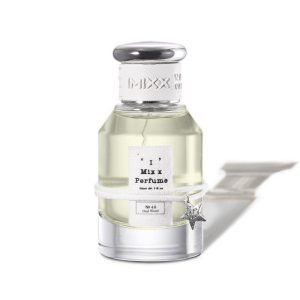 No.48 Inspired by Oud Wood Perfume
  No.32 Inspired by Black Orchid Perfume
 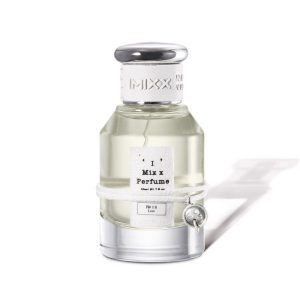 No.18 Inspired by Lost Cherry Perfume
 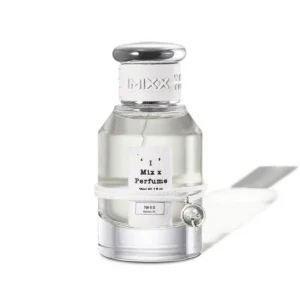 No.62 Inspired by Santal 33 Perfume
 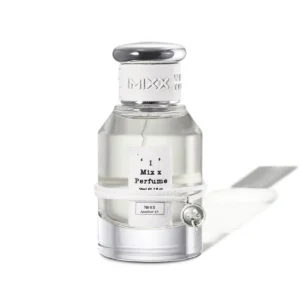 No.65 Inspired by Another 13 Perfume
 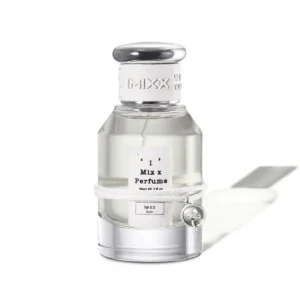 No.63 Inspired by Baie 19 Perfume