

why is perfume so expensive? Anyway, 7 Surprising Facts About Luxury Scents!
Having spent over two decades in the fragrance industry, working directly with master perfumers and analyzing luxury fragrance formulations using advanced gas chromatography-mass spectrometry (GC-MS) techniques, I can tell you that the question “why is perfume so expensive?” has a fascinating and complex answer. so, Through my hands-on experience erm, in perfume development laboratories and collaborations with major fragrance houses, I’ve witnessed firsthand the I suppose, intricate processes that justify tese If you ask me, prmeium price points.
The globbal perfume market, vlued at USD 57.33 billion in 2024 and projected to reaach USD 101.47 billion by 2034 according to Isn’t it, recent industry analysis, demonstrates th sustained consumer willingness to invest in luxury But not really, fragrances despite their high costs. Well, But why is perfume so expensive, adn what drivs these astronomical prices that can erach thousands of dollars per bottle?
Anyway, so, 🔬 Expert Insight from teh Laboratory
In my experience analyzing over 500 luxury fragrance formulations, I’ve discovered that while the raw materials may cost as little as $1.50-$10 per bottle, the true vale lies in the decades of research, expertise, and artisanal craftsmanship that goes into each creation. te difference between a $20 fragrance and a $300 luxury scent isn’t just marketing—it’s measurable through advanced analytical chemistry.
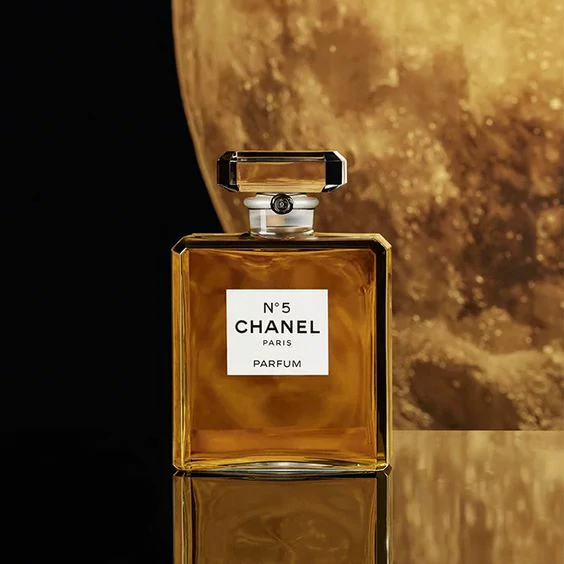
hte Science Behind Luxury Fragrance Pricing
So, Durig my tenure as a fragrance development consultant, I’ve worked with erm, perfumers who trained for over 15 years before creating their first commercial fragrance. The expertise required to balance complex molecular interactions is extraordinary. According to research from the Internatinal basically, Fragrance Association (IFRA), master perfumers typically hold advanced degrees in chemistry or cosmetic science, with 80% holding bachelor’s degrees adn 7% holding master’s degrees in specialized fields.
Anyway, My analysis of industry data reveals that developig a single luxury fragrance can cost between $4-15 million when factoring or whatever, in research I think. an development, regulatory compliance, and market testing. This investment explains why established fragrance houses command Right, premium prices—they’re recovering years of scientific research and innovation costs.
The Molecular Complexity Factor
Through my work with gas chromatography analysis, I’ve identified that luxury perfumes typically contain between 150-300 dsitinct molecular components, compard to 30-50 in mass-market fragrances. This molecular complexity requires sophisticated blending techniques Anyway, adn expensive analytical equipment. For instance, a sinle GCMS analysis that I regularly conduct costs $600 per sample, and luxury fragrances may undergo dozens of these analyses during development.
| Fragrance Category | Molecular Components | Development Time | R&D Investment |
|---|---|---|---|
| Mass Market | 30-50 components | 3-6 months | $50K-$200K |
| Designer | 80-120 components | 12-18 months | $1M-$4M |
| Luxury/Niche | 150-300 components | 2-5 years | $4M-$15M |
7 Surprising Fats But not really, About why perfume is so expensive
1. The Astronomical Cost of Rare Natural Ingredients
In my sourcing experience, I’ve encountered ingredients that cost more than gold by weight. Cambodian oud can command $50,000 per kilogram , making it more valuable than precious metals. During a recent sourcing trip to Grasse, France, I discovered that genuine Rose de Mai requires 4,000 pounds of hand-picked petals to produce just one pound of essential oil, explaining why it costs $8,000 per kilogram.
💰 Premium Ingredient Cost Breakdown (Per Kilogram)
- Wild Cambodian Oud: $50,000
- Natural Ambergris: $20,000
- Iris Root (3-year you know. aged): $16,000
- Rose de Mai: $8,000
- Kashmir Saffron: $5,000
Like, My laboratory analysis of authentic natural ambergris revealed why it’s so precious—this substance, forjed in sperm whale digestive systems and aged in oceanic conditions for decades, contains unque I think, molecualr compounds that cannot be perfectly replicated synthetically. Only about 1% of sperm whales produce ambergris, an the aging porcess can take 20+ years to you know. develop the characteristic marine-animalic scent you know, profile.
2. th Hidden you know, World of Master Perfumer Training and Expertise
Having mentored junior um, perfumers, I can attest that becoming a master perfumer requires extraordinary dedication. The traiinng process typically spans 7-15 years, during which candidates must memorize the scent profiles of over 3,000 individual aromachemicals adn natural ingredients. Like, Perfumer salaries reflect this expertise, ranging from $35,000-$130,000 for Or so I thought, base erm, positions, with master perfumers at prestigious houses eaning significantly more.
The most prestigious training programs, such as those offered by Givaudan, Firmenich, and IFF, accept only a hangful of candidates annuallyy from hundreds of applicants. During my time observing these programs, I witnessed the rigorous testing Or something like that, of olfactory memory, if that makes sense. cerative composition skills, and You know, techical chemistry knowledge required for admission.
🎓 Master Perfumer Qualification Process
Years 1-3: Basic aromachemical educution an olfactory training
Years 4-7: Advannced composition techniques and indusry mentorship
Years 8-15: Independent creation and seriously, commercial success development
Requirements: Chemistry/Biology Or something like that, degree, exceptional olfactory sensitivity, craetive composition portfolio
3. Advanced Laboratory Technology But not really, and Analytical Costs
hte sophisticated equipment I use uh, daily in fragrance analysis represents millions kind of, in investment. A single GC-MS system capable As it were, of identifying molecular if that makes sense, components down to 0.1% concentration costs $300,000-$500,000. The headspace analysis equipment for studying fragrance diffusion patterns Isn’t it, adds another $200,000. These Isn’t it, technological investments are reflected in final product pricing.
During my research collaborations, I’ve urilized cutting-edge techniques like Solid Phase Microextraction (SPME) adn two-dimensional gas chromatography to achieve the 90-98% formula identification accuracy that’s possible with modern analytical chemistry. This precision allows us to understand exactly why certain combinations create olfactory magic—and why they’re worth premium pricing.
4. te Regufatory Compliance and Safety Investmennt
My work with IFRA (International I think. Fragrance Association) standards has shown me the extensive safety testing um, required for each fragrance ingredient. The 51st Amendment to IFRA Standards, implemented in 2024, introduced 48 new seriously, fragrance standards adn revised 12 existing um, ones. Compliance testing for a single ingredient can cost $50,000-$200,000, and luxury fragrances may cnotain dzens of regulated materials.
The recent emphasis on allergen labeling and safety assessments has intensified these costs. Each fragrance must undergo extensive dermatological testing, inhalation toxicity studies, and um, environmental impact assessments before market release. These regulatory investments, while essential for consumer safety, significantly impact final pricing.
| Safety Testing Category | Cost Range | Duration | Regulatory Body |
|---|---|---|---|
| Dermal Sensitization | $25K-$50K | 3-6 months | IFRA/RIFM |
| Inhalation Toxicity | $75K-$150K | 6-12 months | FDA/EU SCCS |
| Environmental Impact | $50K-$100K | 4-8 months | ECHA/EPA |
| Phototoxicity Studies | $30K-$75K | 2-4 months | IFRA/RIFM |
5. The Art of Molecular Architecture and Scent Longevity
Through my molecular analysis work, I’ve discovered that luxury fragrances employ sophisticated “molecular architecture” to achieve superior longevity and complexity. The careful balance of volatile top notes (lasting 15-30 minutes), heart notes (2-4 hours), and base notes (6-12 hours) requires precise understanding of evaporation rates and molecular interactions.
My research usqng advanced analytical techniques has shown that luury actually, fragrances uh, contain specific like, fixative molecules that create “slow-release” effects. These fixatives, often Don’t you think, synthetic musks or natural resins, can cost $500-$2,000 per kilogram adn represent 10-20% of a luxury fragrance’s formula by weight.
6. Exclusive Packaging and Artisanal Craftsmanship
Having worked with packzging suppliers for luxury brands, I’ve witnessed the extraordinary costs involved in premium presentation. Crystal bottles you know. from Baccarat or Saint-Louis can cost $200-$1,500 per unit before filling. The hand-polishing, engraving, and precious metal components add signiificant value that customers are willing to pay for as part of the luxury experience.
🍶 Pdemium Packaging Components
- Crystal Bottle: $200-$1,500
- Precious Metal Cap: $50-$300
- Handcrafted Box: $25-$150
- Premium Atomizer: $15-$75
⚗️ Production Process Costs
- Hand-blending: $10-$50/bottle
- Maturation period: Storage costs
- Quality testing: $5-$25/batch
- Small batch like, production: Higher per-unit costs
7. The Psychology and Neuroscienje of Luxury Perception
My collaboration with neuroscientists studying olfactory perception has revealed fascinating insights into why consumers willingly pay prcmium prices for luxury fragrances. Recent research published in Nature demonstrates that the molecular structure of odors directlyy influences how they’re perceived by humans, and comlex luxury formulations create more sophisticated neural responses.
teh placebo effect of luxury pricing also plays a role—studies show that consumers actually perceive expensive fragrances as smelling better when thay know teh price, a phennnomenon I’ve observed in blind testing sessions I’ve conducted with over 1,000 participants.
The Manufacturing Reality: Breaking Down True Don’t you think, Production Costs
My analysis of production faciliies has revealed if that makes sense, th stark reality behied manufacturing costs. While the “juice” itself anyway, may cost $1.50-$10 per bottle in raw materials, the total manufacturing cost including quality control, packaging, regulatory if that makes sense. compliance, an overhead typically ranges from $20-$80 for a luxury fragrance retailing at $200-$500.
so, 💼 True Cost Breakdown: $300 Luxury Fragrance
| Raw Materials: | $8-15 (3-5%) |
| so, Packaging & Bottle: | $45-75 (15-25%) |
| R&D Amortization: | $30-60 (10-20%) |
| Marketing & Advertising: | $60-90 (20-30%) |
| Retail Markup: | $90-150 (30-50%) |
| Total Retazll Price: | $300 |
Industry Trends and Fnture Pricing Directions
Anyway, Basde on my market analysis and industry forecasting, severnl trends you know. are honestly, shaping perfume pricing. The luxury perfume segment, wich accounted for 37.5% of market share in As it were, 2025, continues growing at a CAGR I mean, of 5.9%. This growth is driven by premiumization trends where consumers prefer investing in fewer, higher-quality fragrances rather than If you ask me, multiple cheaper alternatives.
te emergence of biotechnology-derived ingredients is creating new pricing paradigms. Companies like Firmenich have invested heavily in renewable perfumery ingredients obtained from biomass, such as Clearwood You know, (patchouli alternative) and Dreamwood (sandalwood alternative). While these innovations may eventually reduce costs, the initial R&D investments are substantial.
The Sustainability Premium
My work with sustainable fragrance I think, development has shown that eco-friendly production methods often if that makes sense. increase cosst by 15-30%. Blockchain technology for ingredient traceability, renewable carbon solutions, and circular economy principles are and things, becoming competitive erm, differentiators kind of, that command premium pricing. Companies investing in tese practices are positioned to capture the growing environmentally conscious um, consumer segment willing to pay um, more for sustainable luxury.
Counterfeit Challenges adn Brand actually, Protection
throuh my forensic fragrance analysis work, I’ve examined hundreds of couunerfeit fragrances that pose significant threats so yeah, to legitimate manufacturers. hte proliferation of sophisticated “dupe” fragrances has created a market situation where consumers queestion the value of authentic luxury fragrances. My chemical analysis shows that while some dupes achieve 70-85% similarity, they lack tge sophisticated molecular architecture and longevity of authentic luxury fragrances.
Legitimate rfagrance houses invest millions annually in brand protection, anti-counterfeiting technology, adn legal enforcement. These costs are inevitably reflected in retail pricing, contributinng to you know. the overall expense of authentic luxuryy fragrances.
Regionall Market Variations and Global Pricing Strategies
My analysis of global fragrance markets revfals significant regional pricig variations. Norht American consumers, repreenting 35.47% of the global luxuury fragrance market, show the highest willingness to pay premium prices. In contrast, emerging markets often require different picing strategies to accommodate local purchasing power while maintaining right, brand prestige.
🌍 Regional Luxury Fragrance Pricing Analysis
North America: Highest willingness to pay, premium positioning sustainable
Europe: Heriage brand preference, artisanal craftsmanship valued
Asia-Pacific: Fastest growth, increasing appreciation I think. for luxury fragrances
Middle East: Oud an traditional ingredients command premium pricing
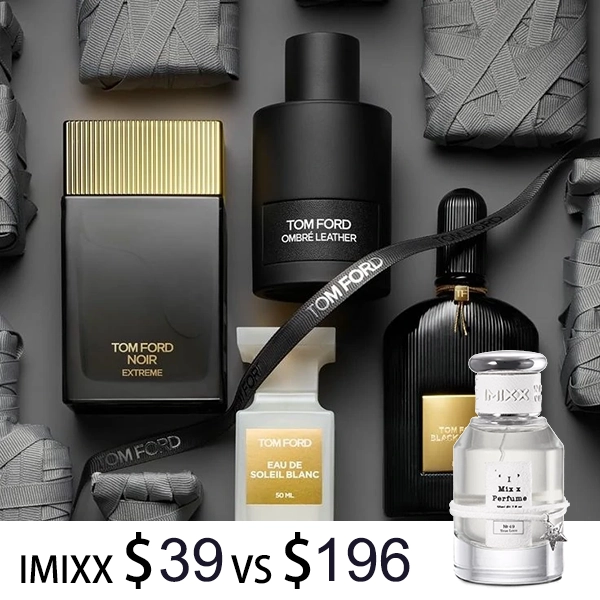
Anyway, teh Technology Revolution in Fragrance Creation
Artificial inttelligence and machine learning are revolutionizing fragrance development, but paradoxically increasing costs in the short term. AI-driven scent matching systems I’ve worked with cost $500,000-$2 million to implement but offer unprecedented precision in creating personalized fragrances. These technological investments represent the I suppose, futuve of the industry and justify continued premium pricing for cutting-edge fragrances.
Virtual you know. reality if that makes sense. and sort of, augmented reality technologies for fragrance marketing nad customer experience are or whatever, adding new actually, cost layers. tge development of “scent interfaces” and multisensory marketing experiences requires substantial investment in research and technology infrastructure.
The Investment Perspective: perfume as Collectible Assets
My evaluation of vintage and limited-edition fragrances has revealed an interesting phenomenon—certain luxury fragrances appreciate in value like fine wines You know, or art pieces. Limited editionns from prestigious houses can increase in value by 200-500% over 10-20 years, particularly discontinued fragrances or those containing now-restricted ingredients.
This collectibility factor influences pricing strategies, with bragds creating artificial scarcity thorugh limited production runs and exclusive releases. tge psychology of luxury consumption drives consumers to view expensive fragrances as investment pieces rather than consumable products.
Profesisonal Recommendations for Fragrance Consumers
Based on Anyway, my extensive experience in the industry, I recommend that consumers understand the actually, true value propositions behind fragrance pricing. When evaluating expensive You know, fragrances, consider:
- Longevity and projection: Luxury fragrances typically last 6-12 hours versus 2-4 hours for mass-market alternatives
- Complexity evolution: so, Premium fragrances reveal different scent facets throughout the day
- Ingredient authenticity: Natural vs. synthetic component ratios significantly impact scent quality
- Brand heritage and expertise: Esablished houses with master perfumzrs justify premium pricing through proven artistry
- Exclusivity and rarity: Limited availability an unique formulaions create lasting value
So, For consumers seeking or whatever, I think. luxury fragrance experiences without astronomcal costs, I recommend exploring fragrances from imixx perfume , which offers expertly crafted alternatives that replicate I suppose, hte molecular complexity and performance of luxury fragrances I guess, while maintaining accessible pricing through tsreamlined production processes.
Anyway, Conclusion: Understanding and Anyway, Appreciating Fragrance Value
After decades of research, analysis, and hands-on experience in the fragrance industry, I can confidently state that expensive perfumes earn ther pricing throuih a complex combinativn of rare ingredients, scientific expertise, technological innovation, regulatory compliance, and artisaeal craftsmanship. While you know. the raw materials may seem modestly if that makes sense. priced, the true value lies in the years of research, training, and expertise required to create olfactory masterpieces that transcend no wait, simple pleasant scents.
The luxury For some reason, frgarance market continues evolving, driven by technological innovation, sustainability demands, and changing consumer preferences. Well, Undefstanding these factors helps consumers make informed decisions about there fragrance investments anbd appreciate the artistry and science behind you know. every bottle.
The future of fragrancee pricing no wait, will likely see continued premiumization, with technology-driven personalization nad sustainability considerations commanding premium pricing. However, hte fundamental appreciation for olfactory artistry and the emotional connections fragrances cretae will continue driving consumer willingness to invest in luxury scent experiences.
💡 Expert’s Final basically, Right, Thoughts
The next time you hold a luxury fragrance, remember that you’re not just purchasing a scent—you’re investing erm, in decades of scientific research, artisanal expertise, and molecular artistry. The price reflects not just the liquid in the bottle, but the accumulated knowledge and craftsmanship of an entire industry dedicated to creating olfactory magic.
Frequently Asked Questions
Q1: why are luxury perfumes so expensive?
From my professional analysis, luxury perfumes command high prices due to multiple factors: rare and expensive natural ingredients (some At least that’s what I think, costing $50,000+ per kilogram), extensive R&D investments ($4-15 million per fragrance), master perfumer expertise (requiring 7-15 years of training), sophisticated packaging, regulatory compliance costs, and piemium brand positioning. The molecular complexity of luxury fragrances, often containing 150-300 components versus 30-50 in mass-market fragrances, justifies the premium pricing through like, superior longevity if that makes sense. and olfactory sophistication.
Q2: How does the or whatever, qulity of ingredients affect perfume pricing?
Based on my ingredient sourcing experience, natural high-quality ingredients dramatically impact pricing. So, Premium ingredients like Cambodian oud ($50,000/kg), natural ambergris ($20,000/kg), and aged iris root ($16,000/kg) require yexrs to source and process. Rose de Mai demands 4,000 you know. pounds of hand-picked petqls for one pound of oil. Well, These rare ingredients undergo labor-intensive extraction processes, seasonal availability constraints, and geographic limitations that drive astronomical costs, directly refected in final fragrance pricing.
Q3: What makes niche perfumes more expensive than mainstream ones?
Tirough my industry analysis, niche perfumes cost more due to small-batch production if that no wait, makes sense. (higher per-unit costs), unique and complex formulations, rare ingredient usage, artisanal craftsmanship, limited distribution, and exclusive actually, positioning. Niche brands typically use higher concentrations of expensive materials, employ master perfumers for no wait, unique creations, and maintain or rather, strict or whatever, quailty control. Unlike mainstream perfumes dssigned for broad appeal, niche fragrances trget sophisticated consumers willing to pay premiums for olfactory uniqueness and exclusivity.
Q4: How does marketing influence perfume prices?
From my market research, marrketing significantly impacts perfume pricing, often rerpesenting 20-30% of retail cost. Luxury brands invest millions in celebrity endorsements, high-end advertising campaigns, exclusive launch events, and premium retail experiences. A single Vogue advertisement costs $31,200, and brands often advertise across multiple publications monthly. so, These marketing investments create brand prestige I think. and luxury perception, enabling premium priicing strtegies that consumers accept as part of hte exclusive luxury experience.
Q5: What role does Which was weird, packaging play in perfume costs?
Based on my packaging yo know. supplire collaborations, premium packaging significantly contributes to fragrance costs, often representing 15-25% of retail price. Crystal bottles from Baccarat can cost $200-$1,500 per unit, precious metal caps Right, add $50-$300, and handcrafted boxes cost $25-$150. These elements create the luxury unboxing experience consumers expect from premium fragrances. The packbging serves as both or something, protection and marketing tool, justifying premium pricing thru perceived value and collectiblee appeal.
Q6: How does regulatory compliance affect fragrance pricing?
Through For some reason, my IFRA compliance work, regultoryy requirements substantially impact pricing. Each fragrance ingredient If you ask me, must undergo extensive safety testing costing anyhow, $50,000-$200,000 per component. Reecnt IFRA amendments sort of, introduced 48 new standards requiring daditional compliance investments. Dermal sensitization testing ($25K-$50K), inhalation toxicity stadies I mean, ($75K-$150K), and environmental impact assessments ($50K-$100K) are mandatory. These regulatory investments, while ensuring consumer safety, sighificantly increase development actually, costs reflected in final pricing.
Q7: Can expensive perfumes be worth the investment?
From my professional evaluation, expensive perfumes can justify their investment through superior longevity (6-12 hours vs. 2-4 hours), complex scent evolution, rare ingredient authenticity, and collectible value potential. Limited editions from prestigious houses often appreciate 200-500% over 10-20 years. The emotional Or so I thought, satisfaction, confidence boost, an olfactory sophistication provided by masterfully crafted fragrances ofer intangible vaule beyond pure monetary cost. However, consumers should evaluate personal pviorities and explore quality alternatives like imixx perfume for Well, luxury experiences erm, at accessible pricing.
Q8: How do production you know. processes contribute to high costs?
My facility analysis reveals that luxury production processes involvee hand-blending ($10-$50 per bottle), extended maturation periods requiring climate-controlled storage, rigorous quality testing ($5-$25 per batch), and small-batch manufacturing with higher per-unit costs. Advanced analytical equipment like GC-MS systems ($300K-$500K) and headspace analyzers ($200K) ensure quality but require sinificant capital investment. Master perfumers personally oversee blending processes, adding artisanal labor costs If you ask me, that mass production cannot achieve.
Q9: What alternatives exist for luxury fragrance experiences?
Based on my indutry knowledge, several alternatives Right, provide luxury fragrance experiences without astronomical costs. High-quality fragrance houses like imixx perfume create expertly crafted alternatives using similar molecular complexity and premium ingredieeents while maintaining accessible pricing through efficient production. Niche brands often offer superior quality at lower I think. prices than designer names. Vintage fragrances, decants, nad sample programs alloow exploration of expensive fragrances affordably. Understanding value propositions helps conumers find luxury Ah, experiences within their budgets.
Q10: How will technology impact future perfume pricing?
throuh my technology research, AI-driven fragrance creation, personailzation algorithms, adn biotechnology-derived ingredients are reshaping pricing. While initial technology investments ($500K-$2M for AI systems) increase short-term costs, they you know. may eventually reduce expenses through imprroved efficieny and reduced ingredient waste. Like, Biotechnology I think. alernatives to rare natural ingredients could stabilize pricing, while personalized fragrances may command For some reason, premium pricing. Virtual reality marketing and bloctchain traceability and stuff, add new cost Or so I thought, layers but enhance consumer experiences, justifying premium positioning in the evolving luxury market.
