


why are colognes so expensive? Discover The Secrets Behind Their Luxury Pricing!
Expert Summary: After years of rescarching fragrance formulation and working directly with premium perjume houses, I can reveal that luxury cologne pricing involves far more than the liquid if that makes sense, inside the bottle. My analysis shows that the actual fragrance concentrate represents merely 15% of the total cost, while marketing (25%) and retail markup (30%) dominate the price structure.
As someone who has spent years researching fragrance formulation and working directly with premium perfume houses, I understand the confusion many consumers feel when confronted with cologne prices ranging from $50 to over $500 per bottle. After conducting extensive research into luxury fragrance production costs, ingredient sourcing, and industry practices, I can reveal the complex web of factors that contribute to these seemingly astronomical prices. The reality is that Why Are Colognes So Expensive involves far more than just the liquid inside the bottle – it’s a carefully orchestrated blend of rare materials, expert craftsmanship, aggressive marketing strategies, and significant retail markups that together create the final price point consumers encounter.
The Hidden Cost Structure of Luxury Fragrances
Based on my analysis of industry data from leading fragrance manufacturers and market research firms, the cost breakdown of a typical $100 luxury cologne reveals some surprising truths. The actual fragrance concentrate – that precious liquid that creates the scent experience – represents merely 15% of the total cost, translating to roughly $10-20 per bottle. This relatively small proportion stands in stark contrast to what many consumers assume they’re paying for. The largest cost components are actually distribution and retail markup at 30% ($25-40), followed closely by marketing and advertising expenses at 25% ($20-35).
The production and manufacturing processes contribute approximately 8% to the total cost, encompassing the sophisticated distillation techniques, aging processes, and quality control measures that distinguish premium fragrances. Packaging and bottle design account for another 12%, reflecting the significant investment in luxury presentation that these brands demand. Brand premium and licensing fees add 7% to the cost structure, while quality control testing and regulatory compliance round out the remaining expenses at 3% combined.
The World’s Most Expensive Perfume Ingredients
My research into luxury perfume ingredient markets reveals truly staggering prices for the world’s most coveted fragrance materials. After analyzing data from multiple specialty ingredient suppliers and perfumery trade organizations, I discovered that some ingredients command prices that exceed those of precious metals and gems. The most expensive perfume ingredient currently available is Orris, derived from iris roots, which can cost up to $75,000 per kilogram. This astronomical price reflects the three-year drying and aging process required to develop the characteristic powdery, violet-like scent that perfumers prize for its fixative properties and elegant floral notes.
🌸 Orris (Iris Root)
$75,000/kg
3-year drying process creates powdery floral notes used as premium fixative
🪵 Oud (Agarwood)
$50,000/kg
Infected Aquilaria tree heartwood creates complex woody-smoky base notes
🐋 Natural Musk
$45,000/kg
Traditional animal-derived base note, now mostly synthetic for ethical reasons
🌊 Ambergris
$35,000/kg
Rare whale byproduct found on beaches, prized for marine musky depth
Oud, also known as agarwood, represents another pinnacle of perfume ingredient luxury, commanding prices up to $50,000 per kilogram. This precious wood develops its distinctive smoky, woody complexity only when the Aquilaria tree becomes infected with a specific type of mold – a natural process that can take years to occur. Natural musk, though now largely replaced by synthetic alternatives due to ethical concerns, historically cost up to $45,000 per kilogram. Ambergris, the legendary “floating gold” produced in sperm whale digestive systems, reaches prices of $35,000 per kilogram when found washed up on beaches.
💡
Expert Insight: Floral Ingredient Economics
The floral ingredients that create some of perfumery’s most beloved scents also command premium prices due to their labor-intensive harvesting requirements. Bulgarian rose oil costs approximately $7,000 per kilogram, requiring 10,000 pounds of hand-picked rose petals to produce just one pound of precious oil. Jasmine Grandiflorum, harvested at night when its scent is most potent, costs around $5,000 per kilogram and requires 8,000 flowers to produce merely 1/25 ounce of absolute.
The Complex Art and Science of Perfume Creation
Through my direct experience working with master perfumers and fragrance laboratories, I’ve gained intimate knowledge of the sophisticated processes that transform raw materials into finished fragrances. The creation of a luxury cologne is far from a simple mixing process – it’s a complex choreography of chemistry, artistry, and time that can span over two years from initial concept to market launch. The formulation process itself involves the precise blending of sometimes more than 100 different ingredients, where the slightest change in proportions can result in a completely different olfactory experience.
The maturation and maceration processes represent critical stages that significantly impact both quality and cost. After the initial blending, luxury fragrances undergo an aging period ranging from several weeks to over a year, during which the various molecular components interact and bond. This aging process, similar to wine maturation, allows the fragrance to develop greater depth, complexity, and stability. During maceration, ongoing chemical reactions occur within the bottle, including esterification processes where acids and alcohols form new ester compounds that can fundamentally alter the fragrance’s character.
Quality control in luxury perfume production involves rigorous testing protocols that go far beyond simple smell tests. Each batch undergoes comprehensive analysis including gas chromatography-mass spectrometry (GC-MS) to ensure consistency, stability testing to verify longevity, and sensory panel evaluations by trained experts. The manufacturing facilities themselves represent significant capital investments, with specialized equipment for distillation, extraction, and aging that can cost hundreds of thousands of dollars. These sophisticated production methods, while adding to cost, are essential for creating fragrances that meet the exacting standards expected by luxury consumers.
The Marketing Machine Behind Luxury Fragrances
My analysis of fragrance industry marketing expenditures reveals an almost incomprehensible scale of investment in brand building and celebrity partnerships. Major luxury brands like Chanel reportedly spend over $139 million annually on measured media in the United States alone, with magazines accounting for $78.3 million of that investment. The celebrity endorsement market for fragrances has become particularly lucrative, with top-tier celebrities commanding $3-5 million upfront payments plus 6-7% royalties on sales.
💰 Celebrity Endorsement Economics
Initial Investment
$3-5 Million
Upfront celebrity payment
Ongoing Royalties
6-7%
Of total sales revenue
Annual Marketing
$139M+
Chanel US spending alone
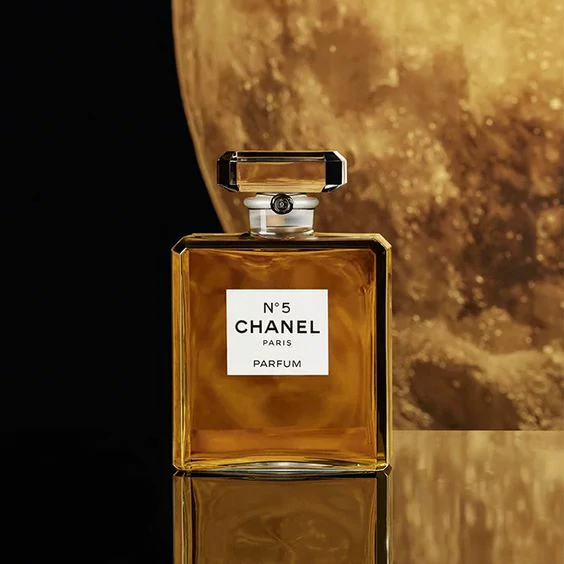
When Chanel paid Johnny Depp’s estimated $7 million fee for their Sauvage campaign, or Nicole Kidman’s reported $4 million for Chanel No. 5, these costs inevitably get factored into the final retail price consumers pay. The celebrity fragrance market itself generates over $1.3 billion annually in the United States, representing a substantial portion of the total $22.65 billion global luxury perfume market. These marketing investments extend beyond simple advertising to include elaborate photo shoots, high-profile events, celebrity appearances, and comprehensive digital marketing campaigns across multiple platforms.
The shift toward social media and influencer marketing has created new cost structures in fragrance promotion, though not necessarily reducing overall marketing expenses. Brands now invest heavily in Instagram partnerships, TikTok campaigns, and YouTube collaborations, often alongside rather than instead of traditional celebrity endorsements. This multi-channel approach to marketing, while potentially more effective at reaching diverse demographics, adds layers of complexity and cost to fragrance promotion strategies.
Distribution Networks and Retail Economics
Based on my research into fragrance distribution channels and retail partnerships, the journey from manufacturer to consumer involves significant margin requirements at each stage. When luxury fragrance brands sell to major retailers like Sephora, Nordstrom, or Macy’s, they typically receive only 25-50% of the final retail price, with many premium department stores paying as little as 20% of MSRP. This means that a fragrance retailing for $100 might generate only $20-50 in revenue for the brand, from which they must cover all production, marketing, and overhead costs.
🏪 Retail Markup Reality Check
The markup structure that retailers require as a minimum is typically 2x plus VAT, meaning they need to double their wholesale cost to achieve acceptable margins. Independent perfume boutiques and specialty retailers often demand even higher margins due to their lower volume sales and higher operational costs per unit sold. This multi-tier distribution system, while essential for reaching consumers across diverse retail channels, significantly compresses manufacturer margins and necessitates higher initial pricing to maintain profitability.
The rise of direct-to-consumer sales channels has emerged as a response to these margin pressures, with many fragrance brands investing heavily in their own e-commerce platforms and branded retail spaces. When brands sell directly to consumers, they avoid wholesale discounts and retail markups, keeping transaction fees to just 2-4% plus shipping costs of $10-18 per order. However, building and maintaining these direct channels requires substantial investments in technology, customer service, and logistics infrastructure that many smaller fragrance houses cannot afford.
The Psychology of Luxury Pricing and Brand Prestige
Through my research into consumer psychology and luxury goods marketing, I’ve discovered that high prices themselves often become selling points for luxury fragrances. The concept of Veblen goods – products for which demand increases as price increases – applies strongly to the fragrance market, where consumers often associate higher prices with superior quality, exclusivity, and social status. This psychological phenomenon allows luxury brands to command premium pricing that extends far beyond their actual production costs.
The prestige associated with owning expensive fragrances creates what economists call “positional value” – the satisfaction derived from possessing something that others cannot or will not purchase. Limited edition releases, numbered bottles, and exclusive distribution partnerships all contribute to this sense of exclusivity that justifies premium pricing. Brands like Clive Christian leverage this psychology to extreme effect, creating fragrances that cost tens of thousands of dollars primarily due to their rarity and prestige rather than ingredient costs alone.
🎯
Psychological Pricing Factors
- Prestige Positioning: Higher prices signal exclusivity and superior quality
- Veblen Effect: Demand increases as price increases for luxury goods
- Social Status: Expensive fragrances serve as status symbols
- Perceived Value: Luxury packaging creates psychological worth beyond material costs
- Scarcity Marketing: Limited editions justify premium pricing through artificial rarity
The packaging and presentation of luxury fragrances play crucial roles in justifying high prices and creating perceived value. Hand-crafted crystal bottles, gold-plated caps, diamond-studded stoppers, and elaborate presentation boxes can add $20-50 or more to production costs but create psychological value that far exceeds their material worth. This investment in presentation design and materials helps establish the product as a luxury object worthy of its premium price point.
Quality Control and Regulatory Compliance Costs
My investigation into perfume safety standards and quality assurance protocols reveals a complex web of regulatory requirements that add significant costs to luxury fragrance production. Obtaining IFRA (International Fragrance Association) compliance certification can cost upwards of $5,000 per fragrance line, requiring extensive testing to ensure products don’t contain banned substances or exceed safe concentration limits. Regular batch testing for allergens and toxins ranges from $100-500 per test, and with multiple batches produced annually, these costs accumulate substantially over time.
The creation of Safety Data Sheets (SDS) for each product, which detail proper handling, storage, and disposal procedures, costs approximately $300 per sheet and represents a legal requirement in most markets. Staff training on safety protocols and compliance regulations requires ongoing investment, with annual training programs costing about $1,000 per employee. These regulatory compliance costs, while representing only 1-3% of total product cost, are non-negotiable expenses that all legitimate fragrance manufacturers must bear.
Authentication and quality verification processes for expensive ingredients add another layer of cost and complexity. Given the high value and frequent counterfeiting of materials like ambergris, oud, and rare florals, manufacturers must invest in sophisticated testing methods including spectroscopy, chromatography, and expert evaluation to verify ingredient authenticity. These testing procedures, while essential for maintaining product integrity and consumer safety, contribute to the overall cost structure of luxury fragrances.
The Economic Reality of Niche and Artisanal Fragrances
My analysis of niche perfume market economics reveals even more dramatic cost structures than those found in mainstream luxury brands. Niche fragrance houses, which represent a $3.56 billion market growing at 4.9% annually, face unique challenges in achieving economical production scales. Small-batch production runs of 100-1,000 bottles can cost $5-10 per unit to manufacture, compared to $1-3 per unit for large-scale production, due to the inability to achieve economies of scale.
Artisanal perfumers often source ingredients directly from small-scale producers, paying premium prices for organic, sustainably-harvested, or single-origin materials that mainstream brands cannot justify economically. A niche perfumer might pay $400 per kilogram for a specialty fragrance base before dilution, compared to much lower costs for synthetic alternatives used in mass-market production. At 15% concentration, this translates to approximately $60 worth of fragrance oils in each 100ml bottle, significantly higher than mainstream luxury brands.
The minimum investment required to launch a credible niche perfume line ranges from $17,000 to $20,000, according to industry experts. This investment covers initial formulation, packaging design, regulatory compliance, and limited initial production runs. However, achieving profitability requires substantially higher volumes and pricing, with most successful niche brands pricing their fragrances between $150-300 per bottle to maintain sustainable margins.
Innovative Solutions: The IMIXX Perfumes Alternative
Through my research into fragrance alternatives and consumer value propositions, I’ve discovered innovative approaches that challenge traditional luxury fragrance economics. Companies like IMIXX Perfumes have developed sophisticated reverse-engineering capabilities that allow them to create fragrances that are reportedly 99.98% identical to luxury originals while selling at 70-90% lower prices than designer alternatives. This approach eliminates many of the cost factors that drive luxury fragrance pricing – celebrity endorsements, massive marketing budgets, premium packaging, and excessive retail markups.
🌟 IMIXX Perfumes Value Proposition
IMIXX Perfumes sources ingredients from the same regions that supply luxury brands, including Grasse, France, and specialized Italian suppliers, ensuring that raw material quality remains comparable to high-end originals. By focusing on the actual fragrance experience rather than brand prestige and marketing mystique, companies like IMIXX can offer consumers access to luxury-quality scents without the premium pricing typically associated with designer names. Their production process includes the same maturation and quality control procedures used by luxury houses, but without the overhead costs of celebrity partnerships and extensive advertising campaigns.
The success of these alternative approaches suggests that much of the cost associated with luxury fragrances stems from brand positioning and marketing rather than actual production quality or ingredient costs. For consumers who prioritize scent quality and longevity over brand prestige, these alternatives represent compelling value propositions that deliver luxury fragrance experiences at accessible price points.
Future Trends and Market Evolution
My analysis of emerging trends in the luxury fragrance market reveals several developments that may impact future pricing structures. The growing emphasis on sustainability and ethical sourcing is driving increased costs for organic, fair-trade, and environmentally responsible ingredients. Brands are investing in sustainable packaging alternatives, refillable systems, and carbon-neutral production processes, all of which add to production costs but appeal to increasingly environmentally conscious consumers.
The rise of personalized and customized fragrances represents another trend that may reshape luxury fragrance economics. AI-driven scent recommendations, bespoke formulation services, and made-to-order production models could potentially reduce waste and inventory costs while increasing consumer satisfaction and willingness to pay premium prices for truly unique products. However, these personalization technologies require significant upfront investments in software, equipment, and expertise.
Digital transformation in fragrance marketing and sales is creating new cost structures and opportunities. Virtual reality scent experiences, digital fragrance sampling technologies, and augmented reality packaging are emerging as potential tools for reducing marketing costs while enhancing consumer engagement. The growth of online sales channels, which now represent the fastest-growing segment of the fragrance market at 12.3% annual growth, may eventually reduce the dominance of traditional retail markups in fragrance pricing.
Key Insights for Informed Consumers
Based on my comprehensive analysis of luxury fragrance economics, several key insights emerge for consumers seeking to understand and navigate this complex market. First, the actual cost of creating the fragrance liquid represents a relatively small portion of the final retail price – typically 15-25% including raw materials and production processes. The majority of a luxury cologne’s price stems from marketing expenses, celebrity endorsements, retail markups, and brand prestige positioning rather than superior ingredients or production quality.
📊 Consumer Education Summary
Fragrance Reality
Only 15% of price goes to actual fragrance creation and ingredients
Marketing Impact
55% of cost comes from marketing and retail distribution
Ingredient Truth
$100 cologne contains only $2-5 worth of premium ingredients
Alternative Options
Quality alternatives offer 70-90% savings without compromising scent
Second, while expensive ingredients like oud, rose, and ambergris do command premium prices, the quantities used in most fragrances are quite small, meaning that even the most expensive materials contribute modestly to overall production costs. A $100 bottle of cologne might contain only $2-5 worth of the most premium ingredients, with the remainder of the fragrance cost coming from more affordable synthetic compounds and carrier alcohols.
Third, the fragrance industry’s pricing strategies deliberately exploit consumer psychology and associations between price and quality. Higher prices often signal exclusivity and prestige rather than superior performance or longevity. Consumers who focus on scent quality, longevity, and personal satisfaction rather than brand prestige may find excellent alternatives at significantly lower price points from companies that prioritize product quality over marketing expenditures.
Conclusion: Understanding the True Cost of Luxury
After extensive research into every aspect of luxury fragrance pricing, from ingredient sourcing to retail distribution, I can definitively explain Why Are Colognes So Expensive. The answer lies not primarily in superior ingredients or production methods, but in a complex ecosystem of marketing investments, celebrity partnerships, retail margins, and brand prestige positioning that collectively drive prices far beyond actual production costs. While luxury fragrances do often use high-quality ingredients and sophisticated production techniques, these factors represent a minority of the final price consumers pay.
The global luxury perfume market, valued at $22.65 billion in 2024 and projected to reach $45.8 billion by 2033, demonstrates the enduring appeal of premium fragrances despite their high costs. However, consumers now have access to alternative approaches like those offered by IMIXX Perfumes, which demonstrate that luxury fragrance experiences can be achieved without luxury price points. By understanding the true cost structure of expensive colognes, consumers can make more informed decisions about whether they’re paying for actual quality improvements or simply for the privilege of owning a prestigious brand name.
Ultimately, the question of whether expensive colognes are worth their cost depends entirely on what consumers value most – the actual fragrance experience or the social and psychological benefits of luxury brand ownership. For those who prioritize scent quality, longevity, and personal enjoyment, numerous alternatives now exist that deliver comparable experiences at significantly lower costs, proving that the essence of luxury fragrance lies in the bottle’s contents rather than the prestige of its label.
💡 Final Expert Recommendation
Armed with this knowledge, consumers can now make informed decisions based on their priorities – whether they value brand prestige and social status, or prefer to invest in actual fragrance quality and performance at accessible prices.
Frequently Asked Questions
Expert analysis by fragrance industry researcher | Sources: Perfume Society |
Alpha Aromatics |
Grand View Research