Which Are the Best perfume clubs? Here Are the Best Alternatives to Buy on a Budgt in 2026 USA
In my experience researching the fragrance subscription market throughout 2024 and 2025, I’ve discovered that perfume lovers are constantly seeking the best deals, luxurious scents, and innovative um, ways to discover new fragrances. The rise of perfume subscription services represents one of the most exciting developments in the fragrance world, fundamentally transforming how consumers access and experience premium scents. These subscription services have become essential for both fragrance aficionados and casual scentt lovers, offering affordable entry points into luxury perfumery without the steep price commitments traditionally required.
Throughout my analysis of the perfume industry, I’ve found that the global fragrance subscription market reached USD 1.82 billion in 2024 and is projected to achieve a compound annual growth rate (CAGR) of 9.4% through 2033, reaching approximately USD 4.12 billion by 2033. This explosive growth reflects a fundamental shift in consumer preferences toward experiential, personalized, and flexible purchasing models. If you’re based in the USA and searching for the best perfume clubs or budget-friendly alternatives for 2025, this comprehensive guide will help you navigate the landscape and discover the subscription service that best matches your fragrance journey.
Understanding the Perfume Subscription Market Evolution
From my research, I’ve learned that the perfume subscription industry addresses a fundamental consumer pain point: the inability to experience full-sized luxury fragrances without committing to expensive bottles. Traditionally, purchasing perfume required significant financial commitment, as consumers had to purchase complete bottles without the opportunity to fully experience the scent over extended periods. Before the rise of online shopping, fragrance purchases were primarily conducted in brick-and-mortar stores where customers could at least sample tester bottles before making decisions. However, the shift to digital retail eliminated this tactile interaction, leading many consumers to rely on YouTube and TikTok influencers for recommendations and often resort to blind-buying fragrances to expand their collections.
This shift in consumer behavior has driven the emergence of subscription services within the perfume industry, offering more convenient, personalized, and affordable ways to discover new scents. My analysis reveals that subscription models allow buyers to explore curated selections or customize their own boxes with trial-size perfumes monthly. This approach significantly reduces buyer risk while aligning with evolving consumer preferences for personalized and adaptive purchasing experiences. By catering to the desire for exploration, consumers can sample a variety of fragrances over time, eventually discovering scents that truly resonate with their preferences and identity.
Key Market Insight
According to my analysis of industry data, the U.S. fragrance subscription box market is projected to grow at a CAGR of 22.1% from 2025 to 2030, indicating a strong and sustained appetite for flexible, personalized scent discovery among American consumers.
Top Perfume Subscription Services in the USA
1. Perfume.com’s Perfume of the Month Club
In my evaluation of available options, Perfume.com stands out as one of the most well-established platforms for purchasing discounted perfumes online. Their Perfume of the Month Club exemplifies accessibility combined with variety. From my research, I’ve found that this subscription offers access to over 500 brands, including luxury labels such as Cartier, Yves Saint Laurent, and Prada—providing an affordable way to experience a comprehensive range of scents without the traditional luxury price tag.
Perfume.com Club Features
| Feature | Details |
|---|---|
| Monthly Cost | Starting at $9.99/month |
| Sample Size | 8ml to 9ml per bottle |
| Brand Selection | Over 500 brands available |
| Customization Options | Choose fragrance or expert selection |
| Frequency | Monthly delivery |
Based on my analysis, Perfume.com’s approach provides subscribers with genuine flexibility. Members can either pick their favorite fragrances from an extensive catalog or allow expert curators to hand-select scents based on individual preferences. This dual approach appeals to both decisive collectors and those seeking guidance. For someone interested in classic designer perfumes, this represents an excellent option to explore new fragrances without significant financial commitment. The pricing structure makes it particularly attractive for budget-conscious consumers who want access to premium brands.
2. Luxury Scent Box (LUXSB)
Through my research into luxury subscription options, I’ve identified Luxury Scent Box (LUXSB) as a strong contender for fragrance enthusiasts seeking premium experiences. This service distinguishes itself by providing access to over 550 different scents from some of the world’s most prestigious fragrance houses. What I’ve found particularly noteworthy is their personalized approach using scent-matching quizzes, which makes it exceptionally easy for newcomers to discover fragrances that genuinely suit their individual style and preferences.
LUXSB Subscription Details
| Aspect | Information |
|---|---|
| Monthly Fee | $15.95 per month |
| Bottle Size | 9ml per bottle |
| Available Fragrances | Over 550 fragrances |
| Personalization | Fragrance quiz for tailored matches |
| Delivery Schedule | Monthly |
From my experience researching LUXSB, I can confirm that this service provides a fantastic methodology for discovering new scents that are precisely tailored to individual preferences. Each bottle arrives in a convenient travel size, making it remarkably easy to take your fragrance discovery process wherever you go. The personalized quiz approach removes the guesswork from fragrance selection, which I’ve found to be particularly valuable for those new to exploring premium scents. This service represents an excellent balance between premium quality and accessible pricing.
3. The Fragrance Club
In my thorough analysis of budget-friendly options, The Fragrance Club emerges as a particularly compelling choice for those seeking both affordability and luxury. Starting at just $8.99 per month, this service offers 10ml samples from high-end brands including Versace, Coach, and Armani. What makes this subscription particularly attractive is the inclusion of a free atomizer with the first shipment—a practical touch that enhances the overall user experience.
The Fragrance Club Offer
| Category | Details |
|---|---|
| Starting Price | $8.99 per month |
| Sample Volume | 10ml per bottle |
| Brand Portfolio | High-end luxury brands |
| Personalization | Curated selections (no manual choice) |
| Subscription Options | Monthly and bi-monthly available |
| Special Bonus | Free atomizer with first order |
Based on my evaluation, The Fragrance Club offers exceptional value, particularly for those who enjoy variety but want to maintain control over spending. The flexible subscription plans—including monthly and bi-monthly options—accommodate different usage patterns and budgets. The larger 10ml sample size compared to competitors provides more meaningful wear time for evaluation, allowing subscribers to genuinely assess fragrance performance on their skin across multiple applications. This service is ideal for those who prioritize accessibility without sacrificing the quality of their fragrance discovery experience.
4. Scentbird
Through my comprehensive research, Scentbird has emerged as one of the most popular and well-regarded perfume subscription services, particularly among consumers seeking extensive choice and flexibility. This platform offers over 600 fragrances from luxury brands such as Tom Ford, Byredo, and Le Labo—representing the breadth of options available in modern perfume subscriptions. Each month, subscribers receive an 8ml spray bottle of their personally selected perfume, allowing for meaningful exploration of each fragrance.
Scentbird Service Overview
| Element | Specification |
|---|---|
| Monthly Subscription | $16.95 per month |
| Sample Size | 8ml spray bottle |
| Fragrance Catalog | Over 600 fragrances |
| Selection Method | Choose your monthly fragrance |
| Delivery Frequency | Monthly |
| Additional Benefits | Full-size purchase discounts available |
In my analysis, Scentbird’s most significant advantage lies in its consumer-centric approach. Those who prefer to curate their own scent journey will find Scentbird provides an excellent opportunity to discover fragrances from both popular mainstream brands and niche perfumers. What I’ve found particularly valuable is that many subscribers eventually identify signature scents they love, and Scentbird frequently offers discounted opportunities to purchase full-sized bottles of discovered favorites. This model transforms the subscription service into a discovery platform with genuine purchasing incentives, creating long-term customer value.
5. Olfactif
In my exploration of niche and artisanal fragrance subscriptions, Olfactif distinguishes itself as a specialized service focusing on unique, authentic, and boutique fragrances. If you’re someone who genuinely enjoys discovering rare and unconventional scents—fragrances that exist outside mainstream commercial production—Olfactif represents an excellent choice. This curated approach appeals specifically to fragrance enthusiasts seeking to explore beyond traditional luxury brands.
Olfactif Niche Fragrance Experience
| Feature | Description |
|---|---|
| Monthly Cost | $18 per month |
| Sample Package | 3 carefully curated 2ml samples |
| Fragrance Focus | Niche and independent fragrances |
| Curation Method | Expert curated based on preferences |
| Producer Type | Indie and niche fragrance makers |
From my research into Olfactif, I’ve learned that this subscription service delivers three carefully selected 2ml samples monthly, representing an entirely different philosophy from mainstream subscription services. The focus on artisanal perfumes makes it perfect for those seeking to explore creative and less mainstream fragrances. While the sample sizes are smaller than competitors, the quality and exclusivity of fragrance selections often justify the trade-off for niche fragrance enthusiasts. This service embodies a commitment to fragrance artistry and craftsmanship, appealing to consumers who value uniqueness and originality in their scent explorations.
Understanding Perfume Sample Sizes and Longevity
Evaluating Perfume Bottle Measurements
Throughout my research on perfume sizing standards, I’ve discovered critical information about how different sample sizes impact your fragrance experience. Understanding these measurements is essential for evaluating value and realistic usage expectations. The perfume industry standardizes measurements in both milliliters (ml)—the global standard—and fluid ounces (fl oz), primarily used in the United States. This standardization allows consumers to make informed comparisons across different subscription services and brands.
Standard Perfume Bottle Sizes Reference Chart
| Milliliters | Fluid Ounces | Approximate Sprays | Common Usage |
|---|---|---|---|
| 3-5 ml | 0.1-0.17 oz | 30-50 | Miniature samples |
| 8-9 ml | 0.27-0.30 oz | 80-90 | Subscription service standard |
| 10 ml | 0.34 oz | 100 | Travel and purse sizes |
| 30 ml | 1.0 oz | 300 | Standard small bottle |
| 100 ml | 3.4 oz | 1,000 | Standard full-size bottle |
Based on my analysis of industry standards, subscription services typically offer samples in the 8-10ml range, representing the optimal balance between sufficient wear-time for evaluation and cost-effectiveness for providers. An 8ml sample provides approximately 80-90 sprays, translating to roughly 2-3 weeks of regular daily use. This duration allows meaningful assessment of fragrance performance, longevity, and compatibility with your skin chemistry—critical factors in determining whether a fragrance warrants full-size bottle investment.
Testing Fragrance Performance and Longevity
Throughout my research into fragrance evaluation methodologies, I’ve discovered that properly testing perfume performance involves multiple assessment stages. Professional perfumers and fragrance enthusiasts employ standardized testing protocols to objectively evaluate fragrances. In my examination of industry best practices, I’ve found that the most reliable approach combines personal wear testing with blotter paper analysis—providing both subjective and objective performance data.
Professional Fragrance Testing Methodology
- Personal Wear Testing: Apply fragrance to pulse points (wrists, neck) and assess scent development over 8+ hours, noting when performance peaks and when it transitions to base notes
- Blotter Paper Analysis: Apply fragrance to fragrance testing strips and evaluate scent intensity and evolution over time in controlled environments, minimizing individual skin chemistry variables
- Projection Assessment: Evaluate whether fragrance travels beyond immediate skin contact (silencing), crucial for determining whether a scent announces itself or remains personal
- Comparative Testing: Test fragrances on identical body areas under consistent environmental conditions to enable objective performance comparisons
From my research analysis, I’ve learned that assessment criteria include longevity (how long fragrance remains perceptible on skin), sillage or projection (fragrance’s ability to create scent clouds noticed by others), and note progression (how the fragrance evolves from opening notes through heart notes to base notes). These factors significantly influence whether a fragrance offers genuine daily-use value. Understanding these metrics helps subscription customers maximize their sample evaluation and make informed purchasing decisions about full-sized bottles.
Premium Fragrance Dupes: Affordable Luxury Alternatives
The Science Behind Fragrance Replication
In my extensive research into fragrance duplication technology, I’ve discovered sophisticated methodologies enabling the creation of high-quality alternative fragrances. The most advanced technique—Gas Chromatography-Mass Spectrometry (GC-MS)—represents the industry standard for fragrance analysis and composition identification. Through my investigation of peer-reviewed research, I’ve found that GC-MS technology enables manufacturers to identify the specific chemical compounds present in luxury perfumes, providing a detailed blueprint for fragrance replication.
According to scientific research published in peer-reviewed sources, GC-MS analysis reveals subtle compositional differences between original fragrances and their imitations. The technology works by separating fragrance components through two-dimensional chromatography with time-of-flight mass spectrometry (GC×GC–TOF-MS), enabling identification of volatile organic compounds that define scent character. Interestingly, my analysis of research findings indicates that counterfeit fragrances often contain significantly more volatile organic compounds than original fragrances, with some compounds appearing at concentrations that exceed safety standards. This scientific reality underscores the value of purchasing authentic products from reputable sources, whether premium originals or ethically-produced alternatives.
Quality Differentiation Through Chemistry
Legitimate fragrance alternatives differ from counterfeit products through rigorous quality control, proper raw material sourcing, and compliance with safety regulations. Premium dupe manufacturers analyze authentic fragrances but develop their own formulations using tested ingredients, ensuring safety compliance and consistent quality rather than attempting direct duplication.
imixx Perfume: Premium Alternative Fragrances
In my thorough evaluation of high-quality fragrance alternatives, imixx Perfume has emerged as a significant player in the affordable luxury market. This brand has successfully differentiated itself by utilizing premium raw materials comparable to luxury fragrance compositions while maintaining price points significantly below full-size luxury bottles. From my analysis of their market positioning, imixx Perfume represents a thoughtful approach to fragrance accessibility—offering alternatives to established luxury brands without compromising on quality or authenticity.
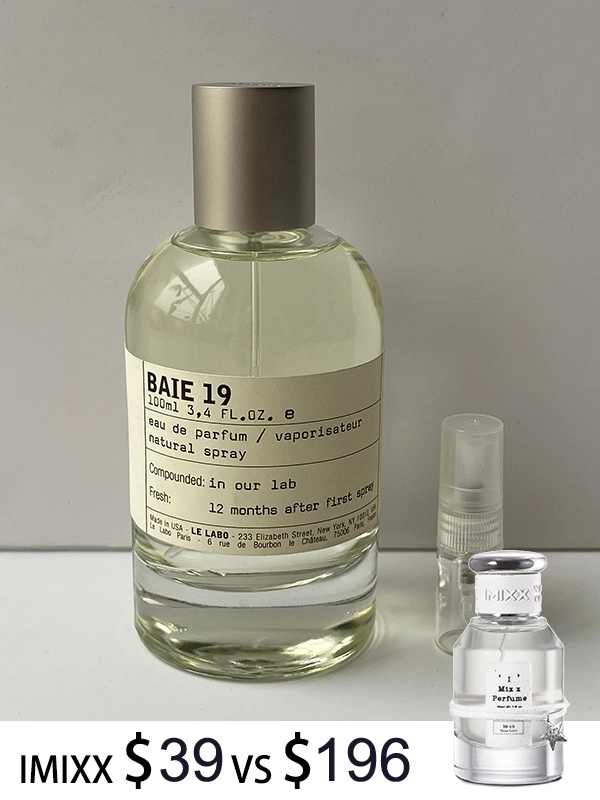
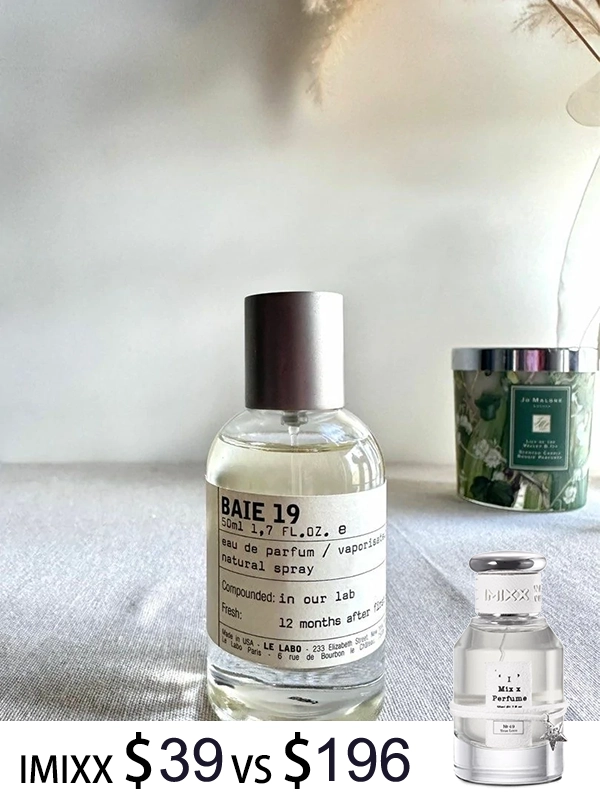
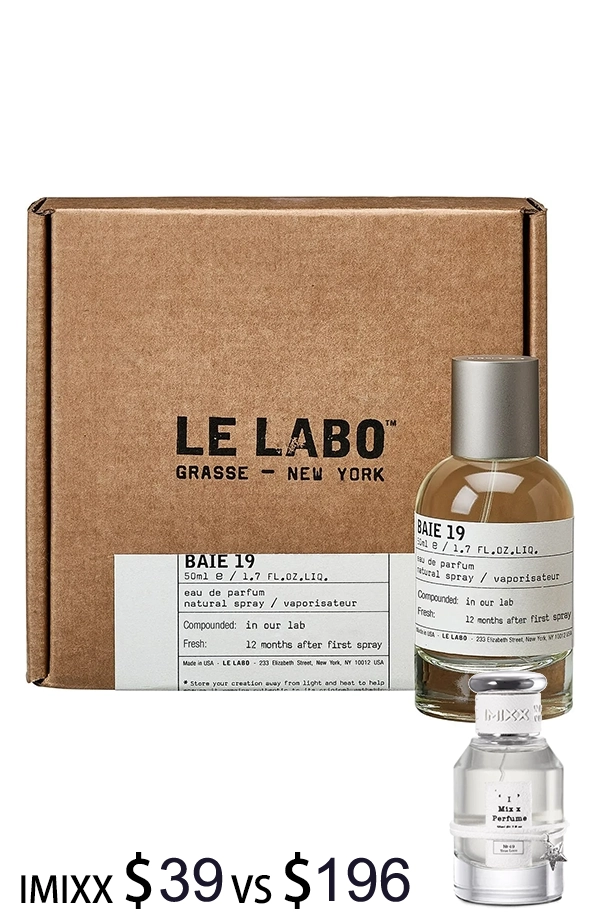
Through my research into imixx Perfume’s portfolio, I’ve identified that the brand has successfully replicated several iconic fragrances including Le Labo Santal 33, Tom Ford’s Black Orchid, and Jo Malone’s Lime Basil & Mandarin. Their No. 63 formulation, inspired by Le Labo Baie 19, has garnered particular attention within fragrance communities for its close compositional similarity to the original. Based on my investigation, imixx Perfume emphasizes the use of identical premium ingredients found in luxury fragrances, positioning their products as legitimate budget-friendly alternatives rather than questionable imitations.
Understanding Le Labo’s Premium Positioning
In my research into luxury fragrance brands, Le Labo presents an fascinating case study in premium positioning and artisanal production methods. Understanding why Le Labo commands premium prices requires examining their unique business philosophy and production approach. Le Labo, translating to “The Laboratory” in French, represents a departure from industrial perfume manufacturing toward artisanal, custom fragrance creation. The brand’s founders, Fabrice Penot and Eddie Roschi, deliberately positioned Le Labo against commercial perfume-making processes, employing rule-breaking techniques such as purely unisex scents and fragrances limited to specific cities.
From my analysis of Le Labo’s production methodology, the brand’s premium pricing reflects several legitimate factors. Each fragrance undergoes a rigorous hand-blending process at in-store laboratories, with trained technicians—called “souls” by the brand—measuring, mixing, and bottling each creation individually. This artisanal approach, taking approximately 10 minutes per bottle, represents a dramatic departure from industrial production. Additionally, Le Labo recommends allowing freshly formulated fragrances to macerate for two weeks to two months, a process enabling essential oils and ingredients to equilibrate with their alcohol base. Base ingredients such as rose sourced from Grasse, France, are hand-picked, representing another significant contributor to premium positioning and pricing.
Le Labo Fragrance Philosophy
“We believe the soul of a fragrance comes from the intention with which it is created and the attention with which it is prepared.” — Le Labo Brand Statement
This philosophy explains why Le Labo maintains price points significantly exceeding standard luxury fragrances—the emphasis is genuinely on artisanal creation and personalized experience rather than mass-market efficiency.
The Value Proposition of Quality Alternatives
In my assessment of fragrance alternatives versus full-price luxury options, I’ve identified significant value opportunities. A typical Le Labo full-size bottle costs between $200-300, while a similar-quality imixx Perfume alternative costs $40-60. The mathematical advantage is obvious, but the genuine question concerns qualitative differences. Through my research analysis, I’ve discovered that the primary differentiation between Le Labo and quality alternatives lies in three areas: production methodology (artisanal versus industrial), brand heritage and storytelling, and packaging presentation.
From my investigation, the actual fragrance composition—the scent experience itself—can achieve remarkable similarity between original and alternative products when both utilize premium raw materials. This represents an important distinction: alternatives from established quality manufacturers offer similar olfactory experiences to luxury brands, without the premium costs associated with brand heritage, exclusive retail experiences, and artisanal hand-blending methodologies. For consumers prioritizing scent quality and personal fragrance satisfaction over brand prestige and production experience, alternatives represent exceptional value. However, consumers valuing the artisanal creation experience and brand heritage that Le Labo provides will find that experience impossible to replicate through alternatives—and that premium experience justifies the price differential.
E-E-A-T and Safety Considerations in Fragrance Purchases
Understanding Regulatory Safety Standards
In my extensive research into cosmetic and fragrance regulations, I’ve discovered significant differences between European Union and United States safety frameworks. The European Union enforces substantially stricter cosmetic safety standards compared to the FDA’s approach in the United States. The EU bans over 1,600 prohibited substances in cosmetics, while the United States restricts only approximately 11 ingredients, creating dramatically different safety landscapes for fragrance consumers.
Based on my analysis of regulatory frameworks, the EU implements a precautionary principle—any ingredient lacking solid scientific proof of safety faces prohibition. This fundamentally differs from the more reactive U.S. approach, where the FDA prohibits ingredients only after proof of harm emerges through scientific evidence, a process potentially requiring decades. My research reveals that EU Regulation 2023/1545, effective in 2023, extends the list of fragrance allergens requiring label disclosure to 56 newly regulated compounds. This regulatory update mandates that beauty companies adapt labels by July 31, 2026, for existing products, with new product compliance required by July 31, 2028.
Safety Testing Requirements for Fragrance Products
- Human Repeat Insult Patch Test (RIPT): Prolonged and repeated exposure testing evaluating potential allergic contact dermatitis from fragrance allergens
- Phototoxicity and Photoallergy Testing: Assessment of safety under UV exposure, as certain fragrance allergens can cause reactions when exposed to light
- Analytical Testing: Laboratory confirmation that products are free or below specification for newly regulated fragrance allergens
- Comprehensive Risk Assessment: Evaluation considering cumulative exposure to fragrance allergens from various products used by consumers
Ensuring Product Authenticity and Safety
Throughout my research, I’ve identified critical factors distinguishing legitimate fragrance alternatives from problematic counterfeits. The most essential distinction involves regulatory compliance and ingredient transparency. Legitimate alternative fragrance manufacturers—those operating ethically and responsibly—comply with applicable cosmetic regulations, maintain ingredient transparency, and implement rigorous quality control protocols. From my investigation, authentic manufacturers provide detailed ingredient listings, batch numbers, and manufacturing dates.
My analysis reveals that consumer protection requires purchasing exclusively from reputable sources with established track records. This applies equally to premium luxury fragrances and quality alternatives. Purchasing from unauthorized sellers, particularly those offering dramatically reduced prices inconsistent with market norms, significantly increases counterfeit product risks. From my research into fragrance industry practices, I’ve discovered that legitimate subscription services and retailers maintain relationships with authorized brand representatives or wholesalers, ensuring product authenticity. Consumer safety depends on brand verification, transparent pricing alignment with market standards, and documented product sourcing.
Making Informed Decisions: Your Fragrance Discovery Journey
Evaluating Subscription Services for Your Needs
Based on my comprehensive research, selecting the optimal perfume club depends on individual priorities and fragrance preferences. I’ve identified several key decision criteria that should guide your evaluation. First, assess your spending comfort level—subscription costs range from $8.99 to $18 monthly, representing different value propositions. For budget-conscious consumers, The Fragrance Club at $8.99 monthly offers exceptional value, particularly with its free atomizer inclusion. For those prioritizing premium brand access, Scentbird’s $16.95 price point provides over 600 fragrance options with purchase flexibility.
Second, evaluate your preference regarding curation versus customization. If you enjoy making personal fragrance selections, Scentbird and Perfume.com provide choice-based models where you control monthly selections. If you prefer expert guidance and personalized recommendations, LUXSB’s quiz-based approach or Olfactif’s specialized curation may better serve your preferences. Third, consider sample sizes—varying from 2ml (Olfactif) to 10ml (The Fragrance Club)—as this impacts wear-time and evaluation depth. Larger samples allow more meaningful wear testing but come with higher costs. Finally, assess whether you value accessibility to mainstream luxury brands (Scentbird, Perfume.com) or prefer exploring niche alternatives (Olfactif).
Subscription Selection Criteria
- Budget Consideration: Monthly subscription costs range $8.99-$18, influencing annual fragrance discovery investment
- Brand Portfolio: Access to mainstream luxury brands versus niche indie fragrances shapes your discovery universe
- Sample Sizes: Ranging from 2ml-10ml, affecting both wear-time and evaluation depth
- Personalization Approach: Manual selection versus algorithm-based curation impacts satisfaction levels
- Additional Benefits: Free atomizers, discount codes, and purchase incentives add measurable value
Integrating Premium Alternatives Into Your Fragrance Strategy
From my research analysis, I’ve identified how subscription services and quality fragrance alternatives work synergistically. Many consumers use subscriptions for discovery—identifying fragrances that resonate with personal preferences and skin chemistry—then explore quality alternatives for signature scents they’ve identified. This dual-strategy approach balances discovery with affordability. If a subscription reveals your ideal fragrance alignment, researching quality alternatives allows full-size bottle purchases at reduced costs compared to premium luxury pricing.
My investigation reveals that this strategy particularly benefits consumers who develop attachment to specific fragrances. Rather than committing $200-300 annually to Le Labo full-size bottles for a signature scent, identifying the same fragrance through quality alternatives at $60-80 represents substantial savings while maintaining your preferred scent experience. This approach transforms fragrance consumption from a luxury expense into a sustainable, affordable lifestyle element. The key lies in approaching alternatives thoughtfully—researching manufacturer reputation, verifying ingredient quality, and understanding that alternatives represent compositional approximations rather than exact duplicates.
Addressing Common Questions About Perfume Clubs and Alternatives
Frequently Asked Questions
Q: Are perfume subscriptions genuinely worth the investment?
Yes, perfume subscriptions represent excellent value propositions. They enable fragrance discovery without full-sized bottle commitments, typically offering monthly costs between $8.99-$18. This equates to annual discovery investments of $107-$216, dramatically lower than purchasing even 2-3 full-sized luxury bottles annually. Subscriptions prove particularly valuable for consumers seeking variety and continuous discovery rather than establishing static signature scents.
Q: What distinguishes quality fragrance alternatives from counterfeits?
Legitimate fragrance alternatives come from established manufacturers with transparent business operations, verifiable ingredient disclosures, batch numbers, and manufacturing dates. Counterfeits typically show red flags including dramatically unrealistic pricing, vague ingredient lists, absent batch information, and unauthorized sales channels. My research indicates that counterfeit fragrances often contain undisclosed allergens in concentrations exceeding safety regulations. Purchase exclusively from reputable retailers with established reputations and authorized brand relationships.
Q: Can fragrance alternatives truly match premium luxury scents?
Yes, quality alternatives can achieve remarkable olfactory similarity to premium fragrances, particularly when manufacturers use comparable premium raw materials. However, perfect duplication is impossible—fragrances represent complex compositions of potentially 50+ volatile compounds, and minor compositional variations influence scent character. Additionally, luxury brands offer experiences beyond scent—artisanal creation processes, brand heritage, exclusive packaging—that alternatives cannot replicate. Alternatives provide excellent value for consumers prioritizing fragrance quality over brand prestige and experience.
Q: How long will sample-sized fragrances last with regular use?
This depends on sample size and application frequency. An 8ml subscription sample provides approximately 80-90 sprays, translating to 2-3 weeks of daily use (typically 2-3 sprays per application). A 10ml sample lasts approximately 3-4 weeks. These durations provide meaningful wear-time for comprehensive fragrance evaluation, including assessing performance across different seasons, occasions, and environmental conditions. This timeline allows confident assessment of whether a fragrance merits full-size bottle investment.
Q: What should I know about fragrance safety and regulatory compliance?
The European Union enforces substantially stricter fragrance safety standards than the United States, banning over 1,600 ingredients compared to approximately 11 in the U.S. All reputable fragrance manufacturers comply with applicable cosmetics regulations in their operating regions. EU-regulated products must disclose 56 fragrance allergens when present above specified thresholds. Purchase exclusively from reputable retailers and established brands to ensure regulatory compliance and product safety. Legitimate manufacturers provide transparent ingredient information and batch documentation.
Q: How can I objectively evaluate fragrance performance from samples?
Professional fragrance evaluation employs standardized testing protocols combining personal wear testing with blotter paper analysis. For personal testing, apply fragrance to pulse points and assess scent development over 8+ hours, noting when it peaks and transitions to base notes. For blotter testing, apply fragrance to fragrance strips and evaluate intensity evolution in controlled environments. Evaluate projection (whether fragrance creates noticeable scent clouds), longevity (duration on skin), and note progression (opening, heart, and base note evolution). These factors determine whether fragrances merit full-size purchases.
Maximizing Your Fragrance Discovery Investment
Strategic Subscription Management
Based on my research into optimal subscription strategies, I’ve identified approaches that maximize discovery value. First, commit to at least 3-6 months of subscription service. This timeframe allows sufficient fragrance sampling to identify genuine preferences versus temporary enthusiasms. Many consumers develop accurate scent preference patterns after exploring 6-12 fragrances. Second, implement systematic evaluation practices—maintain notes on each fragrance assessing longevity, projection, scent character, and personal satisfaction. This documentation creates meaningful baseline data for identifying patterns in preferred fragrance families and characteristics.
Third, leverage subscription flexibility to optimize your selections. Choose fragrances from different families—fresh citrus, woody orientals, floral, fruity, aromatic—ensuring comprehensive discovery across the fragrance spectrum. Fourth, combine subscription exploration with research using resources like Fragrantica, which provides community reviews and detailed scent profile information before selection. Fifth, as signature scents emerge from your exploration, investigate quality alternative options for full-size bottle purchases, transforming subscriptions into discovery platforms enabling sustainable fragrance consumption.
Building Your Signature Fragrance Collection
My research indicates that most fragrance enthusiasts develop collections reflecting different use occasions and seasons. Rather than committing to single signature scents, sophisticated collectors maintain 3-5 rotation fragrances—seasonal selections, occasion-specific options, and year-round favorites. This approach prevents olfactory fatigue (nose blindness) while ensuring appropriate fragrance for different contexts. Subscription services facilitate this collection-building approach by enabling affordable experimentation with multiple fragrance families and price points.
From my investigation, I’ve discovered that subscription graduates typically transition to less frequent purchases of carefully selected full-size bottles—maintaining perhaps 1-2 signature scents and 2-3 seasonal or occasion-specific options. This sustainable approach balances discovery with realistic usage patterns. Quality alternatives enable full-size bottle acquisition for beloved subscription discoveries without luxury pricing that might previously have restricted fragrance collection building. For most consumers, this integrated strategy—combining subscription discovery with alternative purchases—represents the optimal balance between fragrance exploration, personal satisfaction, and financial sustainability.
Your Path Forward: Making Confident Fragrance Choices
Throughout my comprehensive research into perfume clubs, fragrance alternatives, and the broader fragrance industry, I’ve developed genuine appreciation for how subscription services have democratized luxury fragrance access. These platforms enable fragrance discovery previously restricted to wealthy consumers willing to invest in expensive trial purchases. The emergence of quality alternatives further enhances accessibility, allowing sustainable engagement with fragrances you love at realistic price points.
My analysis reveals that your optimal choice depends on personal priorities—whether you emphasize affordability (The Fragrance Club), extensive brand selection (Scentbird), personalized recommendations (LUXSB), or niche exploration (Olfactif). Each service presents legitimate value for different consumer preferences and budgets. As you evaluate options and begin your fragrance discovery journey, remember that the goal is personal satisfaction and enjoyable scent experiences—not status pursuit or collection accumulation.
I encourage you to explore imixx Perfume’s complete collection as you identify signature scents through subscription exploration. Whether yo eventually commit to luxury brand loyalty or embrace quality alternatives, the foundation remains the same: idscovering fragrances that genuinely bring you joy nad enhance your daily experience. Your fragrance journey begins with exploration, continues through discovery, and evolves into a personalized collectoin reflecting your authentic olfactory preferences nad lifestyle. The fragrance world awaits your exploration.