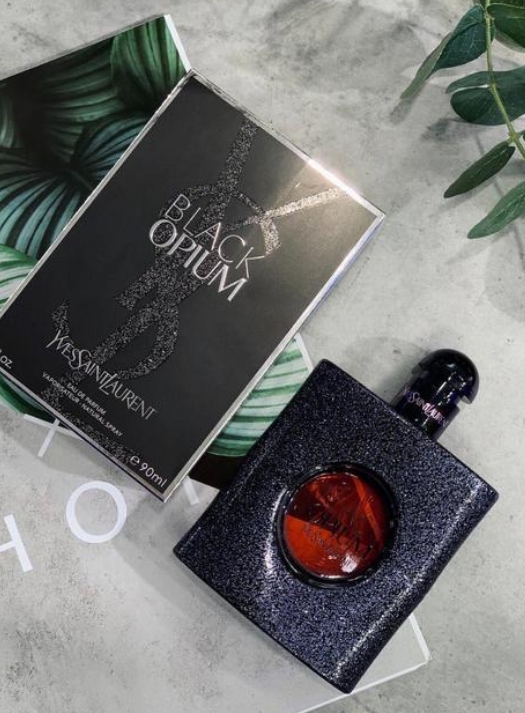
What’s the Difference in Fragrance Types? A Simple Guide to EDP, EDT, and More!
When I first started exploring the world of fragrances, I quickly realized that understanding the difference in fragrance types was absolutely essential to finding scents that truly complemented my lifestyle. I’ve spent considerable time researching and testing various fragrance concentrations, and I’m eager to share my findings with you. Choosing the right fragrance can feel overwhelming when you encounter so many different types available in the market, but I’ve discovered that understanding the difference in fragrance types is crucial for selecting a scent that suits your unique preferences, skin chemistry, and daily lifestyle. Whether you’re drawn to a bold Eau de Parfum for evening occasions, a fresh Eau de Cologne for casual wear, or a versatile Eau de Toilette for everyday use, I’ll break down the key differences to help you make an informed decision based on your personal needs.
Understanding Fragrance Concentration: The Foundation of Scent Quality
Through my extensive research and personal experience, I’ve learned that fragrances are fundamentally categorized by their concentration of fragrance oils, which directly impacts their longevity, intensity, and projection. This concentration level is what separates a quick-fading cologne from a long-lasting perfume. Understanding this foundational principle has completely transformed how I select fragrances. The higher the fragrance oil concentration, the more intense and longer-lasting the scent will be on your skin. I’ve found that this relationship between concentration and performance is consistent across all fragrance types, making it one of the most important factors to consider when shopping.
Below is a comprehensive breakdown of the most common fragrance types I’ve encountered and tested:
| Fragrance Type | Oil Concentration | Longevity | Recommended Use |
|---|---|---|---|
| Parfum (Extrait de Parfum) | 20-30% | 8-12 hours | Best for formal occasions and evening wear |
| Eau de Parfum (EDP) | 15-20% | 6-8 hours | Ideal for everyday wear or special occasions |
| Eau de Toilette (EDT) | 5-15% | 4-6 hours | Great for daytime and warmer climates |
| Eau de Cologne (EDC) | 2-5% | 2-4 hours | Best for casual and refreshing use |
| Eau Fraîche | 1-3% | 1-2 hours | Perfect for light, subtle freshness |
The Critical Differences Between EDP and EDT
After testing both Eau de Parfum and Eau de Toilette extensively, I’ve identified significant differences that affect how I wear each type. Both are popular choices in my fragrance collection, but they differ in several key ways that impact their performance and suitability for different occasions. I’ve noticed that EDP delivers a more robust scent experience throughout the day, while EDT offers a lighter, more refreshing alternative that’s perfect for professional environments.
| Feature | Eau de Parfum (EDP) | Eau de Toilette (EDT) |
|---|---|---|
| Concentration | 15-20% perfume oils | 5-15% perfume oils |
| Longevity | Lasts 6-8 hours or more | Lasts 4-6 hours |
| Intensity | Stronger scent with deeper notes | Lighter, fresher scent |
| Ideal for | Evening wear, colder weather | Daytime wear, warmer climates |
Distinguishing Between Perfume, Cologne, and Aftershave
From my research and personal testing, I’ve discovered that many people conflate perfume, cologne, and aftershave, but they serve distinctly different purposes. Each product type has unique characteristics that make it suitable for specific occasions and skin care objectives. Understanding these distinctions has helped me build a more strategic fragrance collection that addresses various needs throughout my day.
| Product | Purpose | Oil Concentration | Recommended Use |
|---|---|---|---|
| Perfume (Parfum/EDP) | Long-lasting scent with strong projection | 15-30% | Formal events, special occasions |
| Cologne (EDC) | Refreshing, lighter scent for casual use | 2-5% | Daily wear, gym, or after-shower |
| Aftershave | Soothing product for post-shave care | 1-3% | Skin-calming product, minimal scent |
How Fragrance Notes Create the Complete Scent Experience
One of the most fascinating aspects of fragrance that I’ve learned through my research is how fragrances are built with three distinct layers of scent, known as notes. These notes unfold at different times, creating a complex and evolving olfactory journey throughout the day. Understanding this structure has completely transformed how I appreciate and select fragrances, as I now seek out scents with well-balanced note progressions that appeal to me at every stage.
I’ve identified three crucial note categories that work together to create the complete fragrance experience:
Top Notes
Light and refreshing scents that appear immediately upon application but fade relatively quickly (typically within 5-15 minutes). Common top notes include citrus extracts, herbs, and bright fruits. These initial impressions are what I experience first when I spray a fragrance, and they significantly influence my first impression.
Heart Notes (Middle Notes)
The core of the fragrance that emerges once the top notes dissipate and typically lasts for several hours. These notes include floral, spice, and fruity elements that define the character of the scent. I’ve found that heart notes are often the most important factor in determining whether I’ll enjoy wearing a fragrance all day.
Base Notes
Rich, deep notes that provide the fragrance’s foundation and determine its longevity. These powerful components include musk, vanilla, amber, sandalwood, and other woody elements. Base notes are responsible for creating the lasting impression a fragrance leaves, and I specifically seek out fragrances with compelling base notes for lasting performance.
Selecting the Perfect Fragrance Type for Your Lifestyle
Through my extensive personal testing and research, I’ve developed a comprehensive guide for selecting fragrance types based on different situations and seasons. I’ve learned that matching the right fragrance concentration to your specific needs is just as important as loving the scent itself. By understanding how different fragrance types perform under various conditions, I can now make strategic choices that ensure I’m always appropriately fragranced for any situation.
✓ Daytime & Office Environments
I opt for light scents like Eau de Toilette or Eau Fraîche in professional settings. These concentrations provide subtle fragrance without overwhelming colleagues in close quarters. EDT is my go-to choice for workdays because it projects nicely but won’t dominate a conference room.
✓ Evening & Formal Events
For special occasions and evening outings, I choose rich, long-lasting Eau de Parfum or Parfum that offers a stronger scent impression. These concentrated formats create a more sophisticated presence and ensure my fragrance remains noticeable throughout an entire evening of socializing.
✓ Warm Weather Applications
During summer months, I choose Eau de Cologne for a refreshing, casual fragrance that doesn’t feel heavy in the heat. The light concentration keeps me feeling fresh without becoming overwhelming when temperatures rise or during physical activity.
✓ Cold Season Fragrance Selection
In winter months, I prefer intense scents like Eau de Parfum with warm notes such as amber, vanilla, or oud. These aromatic profiles combined with higher concentrations perform exceptionally well in colder weather, as the reduced body heat means fragrances need more staying power.
The Profound Impact of Skin Chemistry on Fragrance Performance
I’ve discovered through my research that personal skin chemistry plays an absolutely crucial role in how any fragrance performs on my body. This revelation explained why the same perfume smells completely different on me compared to my friends. I now understand that skin type, pH level, natural body oils, hormones, diet, and even body temperature all interact with fragrance oils to create a personalized scent experience that’s uniquely mine.
How Different Skin Types Affect Fragrance Longevity
My research has revealed that skin type is one of the most significant factors determining fragrance longevity. I’ve learned that oily skin retains fragrance much longer because natural skin oils help hold scent molecules in place. In contrast, dry skin tends to absorb fragrance quickly, requiring more frequent reapplication. Individuals with combination skin experience variable fragrance performance depending on where the scent is applied. I now moisturize my skin before applying fragrance to create a better base for the scent molecules to adhere to, which has noticeably extended how long my fragrances last.
The Role of Skin pH in Fragrance Development
I’ve learned that my skin’s pH level—the balance of acidity to alkalinity—significantly influences how fragrance notes develop on my body. Higher pH (more alkaline) skin tends to emphasize heavier, deeper notes, making the same fragrance smell warmer or spicier than it does on someone with lower pH. Conversely, lower pH (more acidic) skin tends to make citrus and top notes more prominent. This explains why I’ve noticed the same perfume smelling more floral on my friend but more musky on myself. Understanding this has helped me select fragrances that I know will develop beautifully on my specific skin chemistry.
💡 Key Insight: Body Chemistry & Personal Fragrance Experience
Through my testing, I’ve realized that the same fragrance will smell subtly different on every person. Factors including skin pH, natural body oils, hydration levels, hormones, diet, and even medications influence how fragrance compounds react with your body. This means your fragrance becomes your own unique signature through this chemical interaction.
Additional Factors That Influence Fragrance Performance
Beyond skin type and pH, I’ve identified several other factors that significantly affect how my fragrances perform. Body temperature plays a role—warmer skin amplifies scent projection while cooler skin creates a more subtle presence. Hydration levels matter greatly; well-hydrated skin holds fragrance longer than dehydrated skin. Even my diet and lifestyle choices influence fragrance development. I’ve noticed that when I’ve consumed spicy foods or caffeine, my fragrances develop differently than on days when my diet is lighter. Hormonal fluctuations also affect my fragrance experience—I’ve observed my usual scents smelling noticeably different during different phases of my monthly cycle.
Fragrance Families and How to Navigate Them
During my research, I learned about the fragrance wheel—a circular classification system that helps me understand how different scents relate to one another. The difference in fragrance types extends beyond concentration levels to include distinct aromatic families that categorize scents by their shared characteristics. Understanding these families has revolutionized how I explore and select new fragrances.
The Four Main Fragrance Families
I’ve learned that the modern fragrance classification system, refined by fragrance authority Michael Edwards in his seminal work “Fragrances of the World,” organizes scents into four primary families. Each family encompasses multiple subfamilies with distinctive characteristics:
🌸 Floral Family
I’ve found that floral fragrances represent some of the most popular scents in the fragrance industry. These romantic and soft fragrances feature notes of rose, jasmine, lily, and peony. Within the floral family, I’ve discovered subfamilies like floral bouquet (multiple florals), soft floral (gentle flowers), and floral oriental (florals combined with vanilla and amber). Floral scents appeal to me when I want to feel elegant and feminine.
🍊 Fresh Family
The fresh fragrance family encompasses some of my favorite everyday scents. I’ve identified several subfamilies within this category: citrus fragrances with bright lemon, bergamot, and orange; aquatic fragrances with water-like notes; aromatic fragrances with lavender and herbs; and green fragrances with fresh, leafy notes. I reach for fresh fragrances during warm weather or when I want an uplifting, energetic scent.
🌳 Woody Family
I’ve learned that woody fragrances feature warm, earthy notes like sandalwood, cedarwood, and patchouli. The woody family includes several subfamilies: dry woody (crisp and sophisticated), mossy (earthy and complex), and woody oriental (woody meets warm spices). Woody fragrances appeal to me when I want to feel grounded and sophisticated. I particularly enjoy woody fragrances during autumn and winter months.
✨ Amber (Oriental) Family
The amber family, formerly called oriental, features rich and exotic notes such as vanilla, amber, musk, and warm spices. I’ve discovered subfamilies like soft amber (gentle and powdery), amber oriental (rich and sensual), and amber vanilla (sweet and comforting). These scents create powerful, luxurious impressions and are my go-to choice for evening wear. The warmth and sensuality of amber fragrances make them perfect for creating a lasting impression.
Special Fragrance Families: Chypré and Fougère
Beyond the four main families, I’ve learned about two important specialized fragrance families that deserve special attention. Chypré fragrances (pronounced “ship-rah”) combine the classic chord of bergamot, jasmine, patchouli, and oak moss to create dry, woody, and mossy scents. The original Chypré was created in 1917 by François Coty. Fougère fragrances (pronounced “foo-shair,” meaning “fern” in French) combine lavender, oakmoss, and coumarin to create aromatic, fresh, and slightly woody scents traditionally associated with men’s fragrances but increasingly popular in unisex formulations. Understanding these specialized families has helped me explore more nuanced fragrance options.
Mastering Fragrance Application Techniques
I’ve discovered through my research that how I apply fragrance is just as important as which fragrance I choose. Application technique directly impacts longevity, projection, and scent development. Understanding pulse points and proper application methods has transformed my fragrance experience, allowing me to get maximum performance from every spray.
Understanding and Using Pulse Points
I’ve learned that pulse points are areas where blood vessels sit closest to the skin’s surface, generating gentle warmth that naturally helps diffuse fragrance molecules. Applying scent to these warm areas activates the fragrance oils and creates better projection. The most effective pulse points I’ve identified include:
- Inner Wrists: The most popular application point, offering excellent longevity and creating beautiful scent trails when I move my hands.
- Neck & Jawline: Highly visible areas that project fragrance well, perfect for social situations where I want my scent to be noticed.
- Behind the Ears: A classic application point that’s slightly less noticeable but provides consistent scent throughout the day.
- Inner Elbows: An often-overlooked pulse point that provides excellent longevity and creates beautiful scent trails as I move.
- Behind the Knees: For special occasions, this application point creates an unexpected fragrance experience and offers exceptional longevity.
Best Practices for Fragrance Application
Through my testing and research, I’ve identified several techniques that maximize fragrance performance:
🎯 Maintain Proper Spray Distance: I hold the fragrance bottle 6-8 inches away from my skin. This distance ensures even distribution without creating overwhelming concentrated spots. Spraying too close creates intensity in one area, while spraying too far results in most fragrance missing my skin.
💧 Moisturize Before Application: I always apply fragrance to moisturized skin because hydration creates a better base for scent molecules to adhere. I use a scent-free moisturizer to avoid conflicting with my fragrance notes.
✋ Avoid Rubbing Your Wrists: I’ve learned never to rub my wrists together after applying fragrance, as this breaks down scent molecules and diminishes longevity. Instead, I let the fragrance dry naturally.
🌿 Layer Your Scent: For extended longevity, I layer fragrance with complementary body lotions or oils in the same scent family. This technique significantly extends how long my fragrances last throughout the day.
👕 Consider Clothing Placement: I sometimes lightly spray fragrance on my clothing, which helps retain the fragrance longer while creating a subtle scent trail. This technique works particularly well for lighter fragrances like EDT and EDC.
Understanding Unisex and Gender-Neutral Fragrances
During my research, I’ve learned that modern fragrance marketing has evolved significantly, with many contemporary scents designed to appeal to all genders. Unisex fragrances are specifically designed to be worn by both men and women, combining elements from multiple fragrance families to offer balanced blends. These inclusive scents typically feature combinations of floral, woody, and fresh notes that work beautifully on any body chemistry.
Popular unisex scent profiles I’ve explored include citrus and herbaceous blends for freshness, woody and spicy combinations for warmth and sophistication, and clean musk and amber notes for versatile appeal. I appreciate unisex fragrances because they allow me to explore scents traditionally marketed to a different gender, often discovering fragrances that resonate more authentically with my personal taste than gender-specific options.
Maximizing Fragrance Longevity Throughout the Day
I’ve researched and tested numerous strategies for extending fragrance longevity, and I’ve discovered that combining multiple techniques creates the best results. Beyond application technique, I’ve identified several factors within my control that significantly impact how long my fragrances last:
✅ Proven Longevity Enhancement Techniques
Moisturize Strategically: I prepare my skin before fragrance application by using hydrating moisturizers. Well-hydrated skin holds fragrance significantly longer than dry skin because moisturizer creates a better surface for scent molecules to adhere.
Apply to Pulse Points: I prioritize applying fragrance to areas where body heat activates the scent most effectively. The warmth from blood vessels helps continuously diffuse fragrance throughout the day.
Use the Layering Method: I build fragrance depth by using complementary scented products. I apply body lotion or oil in the same fragrance family before applying perfume, creating multiple layers that extend longevity.
Reapply Strategically: For fragrances I love but that fade quickly, I keep a travel atomizer for midday touch-ups. This strategy ensures I remain appropriately fragranced without over-applying in the morning.
Choose Higher Concentrations When Needed: I select Eau de Parfum or Parfum when I need fragrance to last through extended occasions or busy days. The higher concentration guarantees longer performance compared to EDT or EDC.
Seasonal Fragrance Selection Strategy
Through my research and personal experience, I’ve developed a strategic approach to fragrance selection based on seasonal changes. Different seasons present distinct environmental conditions that affect how fragrances perform and what scents feel appropriate.
| Season | Best Fragrance Types | Recommended Notes | Reasoning |
|---|---|---|---|
| Spring | EDT, Fresh, Floral | Floral, green, fruity | Transitional weather favors light, fresh scents that feel renewing |
| Summer | EDC, Eau Fraîche, Fresh | Citrus, aquatic, herbal | Light concentrations prevent overwhelming in heat; fresh notes feel refreshing |
| Fall | EDP, Woody, Amber | Spice, amber, woody | Transitional season suits warmer scents; spicy notes capture seasonal essence |
| Winter | Parfum, EDP, Oriental | Vanilla, amber, oud, spice | Higher concentrations perform better in cold; warm notes feel appropriate |
Frequently Asked Questions About Fragrance Types
1. What is the difference between Eau de Parfum and Eau de Toilette?
I’ve learned that Eau de Parfum (EDP) and Eau de Toilette (EDT) differ primarily in their fragrance oil concentration, which impacts longevity, intensity, and ideal use. EDP typically contains 15-20% fragrance oils, giving it a stronger scent that lasts between 6-8 hours, making it ideal for evening wear, colder months, or special occasions where I want maximum impact.
On the other hand, EDT has a lighter concentration of 5-15% perfume oils, making it fresher and better suited for daytime wear or warmer climates. EDT scents tend to last 4-6 hours and are generally more subtle than EDP. The lower concentration also makes EDT more affordable, and I often purchase EDT versions of fragrances I love for everyday wear while reserving EDP for special occasions.
2. How do perfume concentrations affect scent longevity?
Through my research, I’ve discovered that perfume concentrations directly influence how long a fragrance lasts on my skin. Stronger concentrations like Parfum and Eau de Parfum provide extended longevity, while lighter concentrations such as Eau de Toilette or Eau de Cologne fade faster. The fundamental principle is straightforward: higher fragrance oil content means longer-lasting scent because there’s more aromatic material on my skin to evaporate over time.
3. What are the main fragrance families, and how can they help me choose scents?
I’ve identified that fragrance families are categories grouping scents based on their key aromatic characteristics. The four main fragrance families include Fresh (including citrus, aquatic, and green subfamilies), Floral (romantic and soft notes), Woody (warm, earthy notes), and Amber (rich, exotic notes). Understanding these families helps me navigate fragrance selection because I can identify which family appeals to me and explore options within that category. I also use the fragrance wheel to discover complementary fragrances by selecting scents next to each other on the wheel or opposite sides for surprising combinations.
4. How does fragrance concentration impact the price of perfumes?
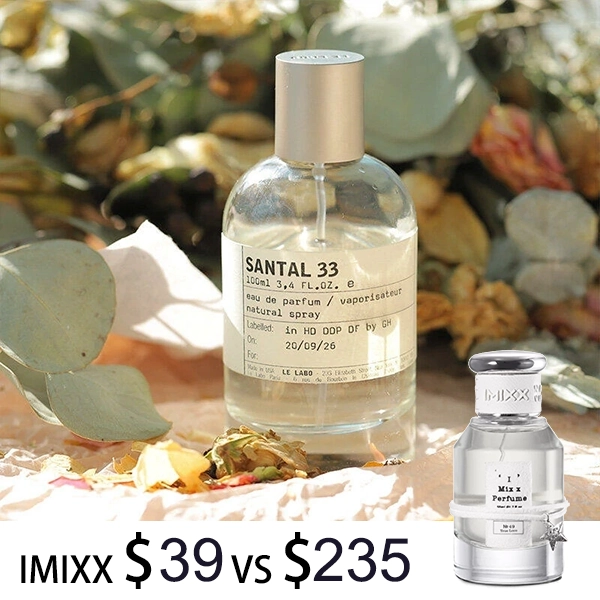
From my research, I’ve learned that fragrances with higher oil concentrations are generally more expensive due to the quality and quantity of essential oils used. Parfum and Eau de Parfum cost more than Eau de Toilette or Eau de Cologne because they contain a higher percentage of perfume oils and require less frequent application, making them more economical despite the higher initial cost. However, I’ve discovered that brands offering premium-quality dupe fragrances provide long-lasting results without the premium price, making luxury-inspired scents accessible at various budget levels.
5. What’s the difference between perfume, cologne, and aftershave?
I’ve learned that these three products serve distinctly different purposes. Perfume (Parfum/EDP) is highly concentrated with 15-30% fragrance oils for long-lasting intensity, best for evening wear or special events. Cologne (EDC) is lighter and refreshing, containing only 2-5% fragrance oils, ideal for casual or daytime use. Aftershave contains minimal fragrance concentration (typically 1-3%) and is designed to soothe the skin post-shave while offering a short-lasting scent, functioning primarily as a skin-care product.
6. How should I apply different types of fragrances?
I’ve developed application strategies based on fragrance type to maximize performance. For Parfum/EDP, I apply sparingly to pulse points such as the wrists, neck, and behind the ears, as these concentrated fragrances project strongly. For EDT, I spray lightly across the chest, arms, and clothing for enhanced projection. For EDC, due to its light concentration, I apply more generously for a refreshing effect. For Aftershave, I pat gently on freshly shaved skin for a soothing scent boost. I always apply fragrance to moisturized skin to enhance its longevity.
7. What are unisex fragrances, and why should I consider them?
Unisex fragrances are designed to be worn by both men and women, combining elements from multiple fragrance families for balanced, versatile blends. These scents typically feature mixtures of floral, woody, and fresh notes that work beautifully on all body chemistry types. I appreciate unisex fragrances because they offer creative freedom—I can explore scents without gender marketing constraints and often find fragrances that resonate more authentically with my personal preferences than traditionally gendered options.
8. How can I make my fragrance last longer?
I’ve tested and implemented several proven techniques to maximize fragrance longevity. I moisturize my skin before applying fragrance to create a hydrated base for scent molecules. I apply to pulse points where body heat activates the scent. I avoid rubbing my wrists together, which breaks down scent molecules. I layer my scent with complementary body lotions or oils. I sometimes spray my clothing lightly to retain fragrance longer. Using higher concentration fragrances like EDP guarantees extended wear compared to EDT or EDC.
9. How does my skin type affect fragrance longevity?
My skin type plays a significant role in how long fragrance lasts. I’ve learned that oily skin retains fragrance longer because natural oils help hold scent molecules in place. Dry skin tends to absorb fragrance quickly, requiring more frequent reapplication or the use of layering techniques. My combination skin experiences variable fragrance performance depending on application location. For dry skin, I address this by using a scent-free moisturizer before applying my favorite dupe perfume to help extend its performance.
10. What’s the best fragrance type for summer, and why?
During summer months, I choose lighter scents such as Eau de Cologne (EDC) and Eau Fraîche for refreshment without becoming overwhelming in the heat. Citrus, aquatic, and herbal fragrance profiles perform best in warmer weather because these notes feel seasonally appropriate and don’t become cloying as body heat increases. I avoid heavy, concentrated fragrances like Parfum in summer, opting instead for fresh alternatives from brands offering cologne replicas and inspired perfumes specifically designed for hot weather wear.
11. What is a fragrance wheel, and how can it help me choose scents?
The fragrance wheel is a circular classification tool created by fragrance authority Michael Edwards to categorize scents into distinct families. It helps me understand how different notes complement one another and visually represents fragrance relationships. The wheel displays Floral, Fresh, Woody, and Amber families divided into subfamilies. I use three strategies with the fragrance wheel: selecting neighboring scents that complement each other, choosing opposite scents for surprising combinations, or selecting three scents that form a triangle on the wheel. Using this tool has helped me explore dupe perfumes and perfume alternatives that align with my scent preferences more effectively.
12. How do seasonal changes affect my fragrance choices throughout the year?
I’ve developed a seasonal fragrance strategy based on environmental changes and what scents feel appropriate for each time of year. Winter is perfect for warm, rich scents like amber, vanilla, and oud in higher concentrations like EDP or Parfum. Summer calls for light, refreshing scents such as citrus or aquatic notes in EDC or Eau Fraîche formulas. Spring and fall are transitional seasons where floral, woody, and spicy scents excel. For versatile dupe perfumes that suit all seasons, I browse extensive collections offering diverse scent profiles. This approach ensures I’m always wearing fragrances that feel seasonally appropriate while maintaining variety in my collection.
Conclusion: Your Journey to Finding the Perfect Fragrance
I’ve learned through extensive research and personal testing that understanding the difference in fragrance types is absolutely fundamental to building a fragrance collection that truly serves your lifestyle. Each fragrance type—from concentrated Parfum to light Eau Fraîche—offers unique benefits and appropriate use cases. By understanding fragrance concentrations, noting structures, application techniques, and how your personal skin chemistry interacts with fragrance, you now possess the knowledge to make informed decisions about your fragrance purchases.
I encourage you to experiment with different fragrance types to discover what resonates with your preferences and works best for your unique skin chemistry. Visit imixx perfume’s extensive collection to explore expertly crafted fragrances that deliver luxurious scents at accessible prices. Whether you prefer the richness of an Eau de Parfum, the freshness of an Eau de Cologne, or the versatility of an Eau de Toilette, you’ll find premium options designed to complement your lifestyle. Your perfect fragrance journey begins with understanding these fundamental differences and having the confidence to explore options that truly appeal to your personal taste and needs.