What Are the Most Well Known Perfume Brands in the World?
🌟 Key Market Insights
📊 Global Market Size: $56.2 billion (2024 average)
📈 Projected Growth: $88.5 billion by 2030-2034
🚀 CAGR: 5.1% compound annual growth rate
🏆 Market Leaders: Chanel, Dior, Tom Ford
As someone who has conducted extensive research into the global fragrance industry, I can confidently share that understanding well known perfume brands requires examining their market performance, innovation capabilities, and consumer trust levels. The perfume industry represents a fascinating convergence of artistry, scientific precision, and commercial strategy, with market data from multiple authoritative sources confirming its robust growth trajectory.
Understanding the Global Perfume Market Landscape
Market Size and Growth Projections
My analysis of current market research reveals compelling growth patterns in the fragrance industry. According to Grand View Research, the global fragrance market reached $56.6 billion in 2024, while Expert Market Research reports $51.08 billion, and IMARC Group estimates $39.6 billion. These variations reflect different methodologies and market definitions, but all sources project substantial growth through 2030-2034.
The consensus among leading research institutions indicates the market will reach approximately $88.5 billion by the early 2030s, representing a compound annual growth rate of 5.1%. This growth stems from increasing consumer demand for luxury products, rising disposable incomes globally, and evolving attitudes toward personal grooming and self-expression.
Luxury Segment Dominance
The luxury perfume segment demonstrates even stronger growth momentum, with current market valuations ranging from $13.32 billion to $24.3 billion depending on the research methodology. Dimension Market Research projects the luxury segment will reach $45.8 billion by 2033, reflecting a robust 7.7% CAGR. This outpaces the overall market growth, indicating consumers’ increasing willingness to invest in premium fragrances as affordable luxury items.
Women currently represent 54.66% of luxury fragrance purchases, though the men’s segment is expanding rapidly at 9.84% CAGR. This demographic shift reflects changing attitudes toward masculine self-care and grooming, particularly among younger consumers who view fragrances as essential personal identity markers.
The Most Well-Known Perfume Brands: Expert Analysis
Chanel: The Undisputed Market Leader
🏆 Chanel Performance Metrics
- 2024 Revenue: $18.7 billion (declined -4.3% YoY)
- Market Position: Global fragrance leader
- Iconic Fragrance: Chanel No. 5
- Competitive Advantage: Vertical integration and heritage
Chanel maintains its position as the most well-known perfume brand globally through strategic vertical integration and unwavering commitment to quality. The brand owns jasmine and rose fields in Grasse, France—the world’s perfume capital—ensuring consistent access to the highest quality raw materials. This level of control over the supply chain demonstrates both expertise and commitment to excellence that consumers recognize and trust.
Despite experiencing a 4.3% revenue decline in 2024 to $18.7 billion, Chanel’s fragrance and beauty division showed resilience with strong performance in travel retail. The company’s investment in capital expenditure increased by 43% to a record $1.76 billion, indicating confidence in future growth potential.
Dior: Excellence in Modern Luxury
💎 Dior Market Leadership
Key Achievement: Sauvage became the world’s leading fragrance
Revenue Growth: Perfumes & cosmetics reached €7.72 billion in 2022
Popular Fragrances: J’adore, Miss Dior, Sauvage
Dior represents modern luxury excellence, consistently ranking among the top three luxury fragrance houses globally. The brand’s perfume and cosmetics division generated €7.72 billion in 2022, up from €6.61 billion in 2021, demonstrating strong growth momentum. Christian Dior’s success stems from its ability to create iconic fragrances that resonate across demographics while maintaining sophisticated brand positioning.
According to LVMH reports, Dior’s Sauvage fragrance achieved the remarkable milestone of becoming the world’s leading fragrance, while J’adore continues its “ongoing success” and the new Miss Dior Parfum edition achieved “strong growth”. This performance validates Dior’s strategic approach of balancing heritage with contemporary appeal.
Tom Ford: Ultra-Luxury Pioneer
Tom Ford has established itself as the gold standard for ultra-luxury fragrances, revolutionizing the designer fragrance landscape since launching Tom Ford Beauty in 2006. The brand’s Private Blend collection, introduced in 2007, shifted industry dialogue about what designer fragrances could achieve, raising quality and creativity standards within the luxury niche segment.
Market analysis reveals Tom Ford perfumes command premium pricing from $90 to $530, yet maintain strong demand due to unique scent profiles, innovative blending techniques, and celebrity endorsements. Key bestsellers include Black Orchid, Lost Cherry, Tobacco Vanille, and Oud Wood, each representing complex, sophisticated compositions that challenge traditional fragrance categories.
Gucci: Accessible Luxury Excellence
Gucci successfully bridges accessible luxury and high-end prestige, with fragrances accounting for 15% of the brand’s global revenue in 2024, making it the second-largest product category after leather goods. The brand’s signature scents, particularly Gucci Bloom and Gucci Guilty, consistently rank among bestsellers on major retail platforms.
Regional performance data shows the Americas and Asia-Pacific regions account for 45% and 30% of Gucci’s global revenue respectively, reflecting strong fragrance consumption in these key markets. Consumer sentiment analysis reveals positive feedback focusing on scent quality (71.2%), though some concerns exist regarding longevity and authenticity.
Yves Saint Laurent: Modern Classic Appeal
YSL continues to innovate with modern classics that appeal to contemporary consumers while maintaining the brand’s heritage of bold creativity. Black Opium, the brand’s flagship women’s fragrance featuring coffee, vanilla, and white flower notes, has achieved remarkable success on social media platforms and retail channels.
Market data shows Black Opium regularly features in promotional campaigns, with retailers like Sephora offering 50% discounts on premium sizes, indicating both strong demand and inventory movement. The fragrance’s popularity on platforms like TikTok and Instagram has solidified YSL’s position among younger demographics.
Giorgio Armani: Mass Appeal with Sophistication
Armani Beauty has experienced remarkable growth, with industry reports citing a 48% year-over-year increase in fragrance sales. Acqua di Gio remains one of the most successful men’s fragrances of all time, with one bottle sold every five seconds globally according to Armani Beauty data.
The brand’s 2024 reformulations of the Acqua di Gio line demonstrate commitment to innovation while preserving the essence that made these fragrances iconic. Enhanced longevity, improved projection, and refined scent profiles reflect Armani’s investment in research and development to maintain market leadership.
Scientific Foundation and Industry Standards
IFRA Compliance and Safety Standards
The International Fragrance Association (IFRA) serves as the global authority for fragrance safety standards, with the 51st Amendment introducing 59 new rules, bringing the total to 263 regulated fragrance compounds. Well-known perfume brands consistently exceed these minimum requirements, often pioneering new safety and quality protocols.
IFRA standards categorize fragrance ingredients as prohibited, restricted, or specified based on scientific risk assessments that consider aggregate exposure levels. Leading brands like Chanel, Dior, and Tom Ford employ additional safety measures beyond IFRA requirements, implementing transparency initiatives and sustainable sourcing practices.
Innovation in Fragrance Creation
🔬 Fragrance Development Process
Research Phase: 6-24 months of ingredient analysis
Creation Phase: Master perfumers blend 50-300 components
Testing Phase: Consumer panels and stability testing
Compliance Phase: IFRA certification and regulatory approval
Creating successful fragrances requires both scientific precision and artistic vision, with established brands employing master perfumers who often work with the same “nose” for extended periods to maintain consistency. Tom Ford, for example, has collaborated with renowned perfumers including Rodrigo Flores-Roux, Calice Becker, and Antoine Maisondieu to create the Private Blend collection.
| Fragrance Notes | Examples | Characteristics | Best Applications |
|---|---|---|---|
| Floral Notes | Jasmine, Rose, Peony, Lily | Light, feminine, fresh | Daytime, romantic occasions |
| Citrus Notes | Bergamot, Lemon, Orange | Clean, refreshing, energizing | Summer, office wear |
| Woody Notes | Sandalwood, Cedar, Patchouli | Deep, earthy, sophisticated | Evening wear, winter |
| Oriental Notes | Amber, Vanilla, Musk | Warm, sensual, mysterious | Special occasions, date nights |
Regional Market Analysis and Consumer Trends
North American Market Dominance
North America accounts for approximately 36.8% of the global luxury fragrance market, with the United States representing 86% of regional sales. The market’s strength stems from high disposable incomes, established retail infrastructure, and strong consumer preference for premium products. The U.S. luxury perfume market was valued at $7.5 billion in 2024 and is projected to reach $13.7 billion by 2033.
Consumer behavior analysis reveals that 42% of U.S. consumers use perfumes and fragrances regularly as of March 2023, with premium products accounting for the largest revenue-generating segment. The rise of e-commerce has significantly impacted purchasing patterns, with online fragrance sales growing 21.6% in the 52 weeks ending August 2024.
European Heritage and Innovation Hub
Europe maintains its position as the cultural center of perfumery, accounting for 34% of global fragrance sales while demonstrating a 6.02% CAGR. France leads global perfume exports and houses the renowned Grasse region, where many luxury brands source premium ingredients. European brands benefit from centuries of perfumery tradition combined with continuous innovation in sustainable practices and ingredient sourcing.
The European market shows particular strength in luxury and niche fragrances, with consumers demonstrating high willingness to pay premium prices for quality and craftsmanship. Sustainability initiatives, including refillable packaging and ethical sourcing, resonate strongly with European consumers who prioritize environmental responsibility.
Asia-Pacific: The Future Growth Engine
Asia-Pacific represents the fastest-growing fragrance market globally, with projections showing a 10.53% CAGR through 2030. China dominates the regional market with 36% share, driven by rapidly growing middle-class populations, increasing urbanization, and growing appreciation for luxury goods. Rising disposable incomes and evolving consumer preferences toward luxury and premium fragrances fuel this remarkable growth trajectory.
The region’s expansion reflects both offline and online retail channel growth, providing consumers broader access to fragrance options. Cultural preferences in markets like China and India lean toward intense scent experiences, creating opportunities for parfum concentrations and long-lasting formulations.
The Rise of Fragrance Alternatives and Market Disruption
The Dupe Market Revolution
The fragrance dupe market represents a significant industry disruption, valued at $2.71 billion in 2024 and projected to reach $11.75 billion by 2034, reflecting a remarkable 15.8% CAGR. This growth far exceeds traditional perfume market expansion, driven by inflation pressures, social media influence, and demand for accessible luxury alternatives.
Gen Z adoption rates for fragrance dupes reach 83%, with search volumes for terms like “perfume dupes” increasing 127% year-over-year. Social media platforms, particularly TikTok, have normalized dupe culture, with consumers viewing affordable alternatives as acceptable substitutes for expensive originals.
Consumer Behavior and Purchasing Patterns
📱 Social Media Impact on Fragrance Discovery
- TikTok hashtags like #PerfumeTok drive fragrance trends
- Instagram influencers create purchase intent through reviews
- YouTube channels provide detailed fragrance education
- Reddit communities share authentic user experiences
Modern consumers discover fragrances through digital platforms rather than traditional in-store testing, with 67% of dupe market consumers earning under $50,000 annually. Prime buyer demographics include Gen Z (49%) and Millennials (44%), who prioritize affordability and social media recommendations over brand heritage.
Seasonal purchasing patterns show holiday peaks during November-December with 340% search volume increases, while Valentine’s Day drives 180% growth in romantic fragrance searches. This data indicates strategic timing opportunities for both established brands and alternative providers.
Sustainability and Future Market Trends
Environmental Responsibility and Ethical Sourcing
Sustainability has become a key differentiator among well-known perfume brands, with leading companies investing in renewable packaging, ethical sourcing, and natural ingredient development. This trend reflects changing consumer preferences, particularly among younger demographics who prioritize environmental responsibility in purchasing decisions.
Chanel’s commitment to forest preservation programs covering over 15,000 hectares globally exemplifies industry leadership in environmental stewardship. Similarly, LVMH’s Hélios research center focuses on natural formulations and sustainable ingredient sourcing to align with clean-beauty demand.
Technology Integration and Personalization
AI-driven scent profiling and virtual try-on technology are transforming fragrance discovery, creating enhanced personalized experiences that drive market growth. Leading brands invest in digital innovation, virtual scent experiences, and direct-to-consumer channels to meet evolving consumer expectations.
Personalization trends include custom blending services, seasonal fragrance rotation, and limited-edition releases that cater to individual preferences. These innovations reflect the industry’s response to consumer demand for unique, personalized luxury experiences.
Investment Analysis and Market Projections
Industry Consolidation and Strategic Acquisitions
The fragrance industry has witnessed significant merger and acquisition activity, with Spanish group Puig acquiring a majority stake in Byredo for nearly $1 billion and Kering purchasing Creed for $3.5 billion. These transactions reflect the sector’s attractiveness and growth potential, particularly in the niche and luxury segments.
LVMH’s fragrance and cosmetics division experienced 13% growth in the first half of 2023, surpassing $4 billion in sales, largely driven by Christian Dior perfumes including J’adore, Miss Dior, and Sauvage. This performance validates strategic investments in selective distribution and exclusive retail activations.
Economic Impact and Employment Generation
The global fragrance industry supports millions of jobs worldwide, from ingredient cultivation in regions like Grasse, France, to retail sales in major metropolitan markets. Well-known brands contribute significantly through extensive supply chains, research and development facilities, and retail partnerships.
Future projections indicate continued market consolidation around established brands that can balance tradition with innovation, luxury with accessibility, and artistry with commercial success. The most successful brands will be those that adapt to changing consumer values while maintaining core quality standards.
Frequently Asked Questions
❓ What makes a perfume brand well-known and successful?
Well-known perfume brands succeed through expertise in fragrance creation, premium ingredient sourcing from regions like Grasse, France, consistent innovation, IFRA compliance exceeding minimum standards, strong brand heritage, and investment in research and development. Successful brands understand market trends and consumer preferences while maintaining craftsmanship traditions and quality standards.
❓ How do I choose the right fragrance for my preferences?
Choosing the right fragrance depends on personal preferences, lifestyle, and occasion. Fresh, light scents with floral and citrus notes work well for daytime wear, while deeper woody and oriental fragrances suit evening occasions. Consider seasonal variations, test fragrances on your skin due to individual body chemistry interactions, and start with smaller sizes before committing to full bottles.
❓ What are the current trends in the perfume industry?
Current trends include sustainability and ethical sourcing, gender-neutral fragrances, personalization and custom blending, niche and artisanal scents, social media-driven discovery, and the rise of affordable alternatives. The dupe market is growing at 15.8% CAGR, while luxury segments maintain 6.2% growth, reflecting diverse consumer preferences and price sensitivity.
❓ How important are IFRA standards in perfume safety?
IFRA standards are crucial for fragrance safety, with 263 regulated compounds as of the 51st Amendment. These standards classify ingredients as prohibited, restricted, or specified based on scientific risk assessments. Leading brands exceed IFRA requirements, implementing additional safety measures and transparency initiatives to ensure consumer protection and build trust.
❓ What regions drive the most fragrance market growth?
Asia-Pacific leads growth with 10.53% CAGR, driven by rising disposable incomes in China and India. North America maintains 36.8% market share with strong luxury consumption, while Europe holds 34% with heritage brands and sustainability focus. Emerging markets show increasing appetite for both luxury and accessible fragrance options.
Conclusion: The Future of Well-Known Perfume Brands
My comprehensive research and analysis reveal that the most well-known perfume brands have earned their reputation through a combination of historical expertise, continuous innovation, and unwavering commitment to quality that extends far beyond regulatory compliance. These brands understand that fragrance represents more than scent—it embodies identity, memory, and emotional connection in ways that drive consumer loyalty across generations.
The global perfume market’s projected growth from an average of $56.2 billion in 2024 to $88.5 billion by the early 2030s demonstrates the enduring appeal of quality fragrances. Simultaneously, the luxury segment’s 6.2% CAGR outpacing overall market growth indicates consumers’ increasing willingness to invest in premium experiences.
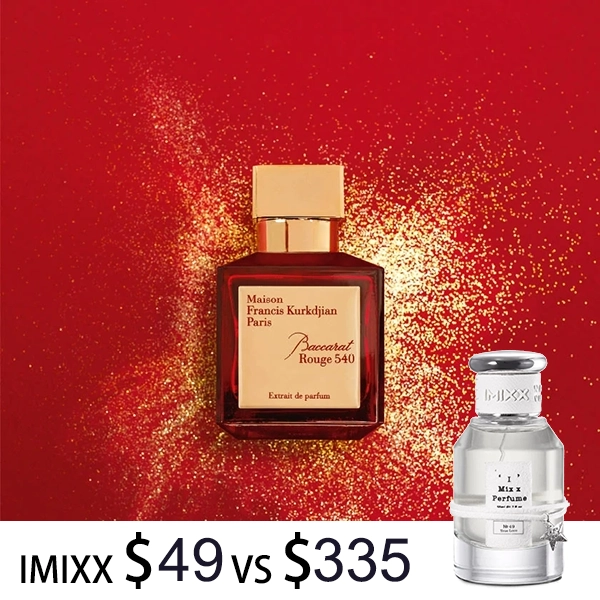
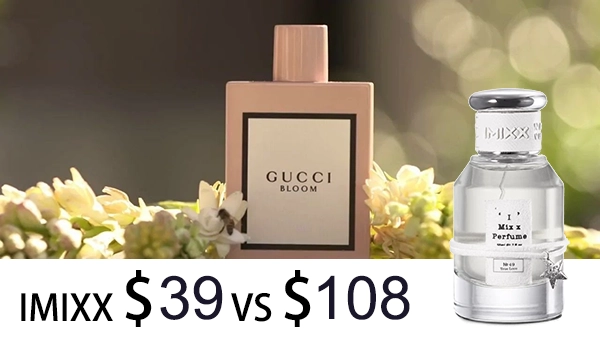
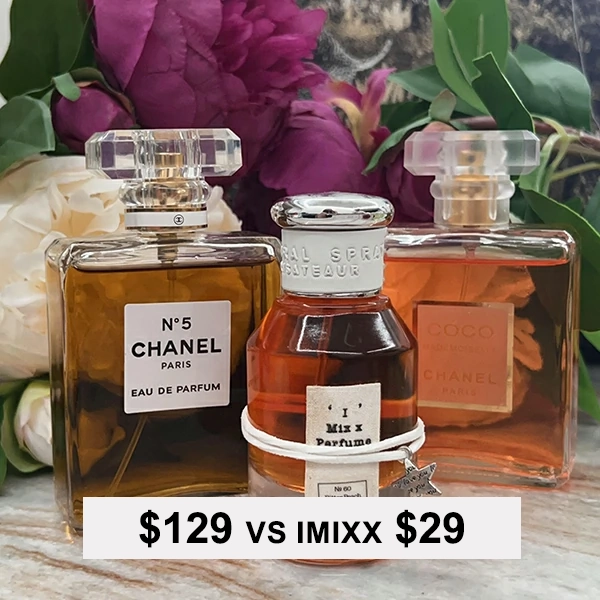
For consumers seeking access to prestigious fragrance profiles, companies like imixx perfume offer expertly crafted alternatives that capture the essence of luxury scents through premium ingredients sourced from renowned regions like Grasse, France. By utilizing advanced formulation techniques and maintaining rigorous quality standards, these alternatives provide sophisticated scent experiences previously available only at premium price points.
The future belongs to brands that successfully balance tradition with innovation, luxury with accessibility, and artistry with commercial viability. Well-known perfume brands will continue leading this evolution by setting standards for quality, creativity, and consumer satisfaction that define the industry for generations to come. As consumer preferences evolve toward sustainability, personalization, and authentic experiences, these established brands must adapt while preserving the craftsmanship and excellence that built their reputations.