
Understanding the Most Popular Perfumes of 2025: A Comprehensive Analysis
As someone who has spent years exploring the fragrance industry and testing hundreds of scents, I can confidently say that 2025 marks a transformative year for perfumery. The global perfume market has reached an impressive $60.73 billion in 2025, with projections showing continued growth to $101.47 billion by 2034, reflecting a compound annual growth rate (CAGR) of 5.88%. This growth isn’t just about numbers—it represents a fundamental shift in how consumers approach fragrance, with increased emphasis on personal expression, sustainability, and accessible luxury.
Through my firsthand experience testing fragrances from renowned houses and analyzing market data from industry reports, I’ve observed that today’s perfume enthusiasts are more educated and discerning than ever before. They seek not only beautiful scents but also transparency about ingredients, ethical sourcing practices, and value for their investment. This comprehensive guide draws from authoritative sources including market research from Maximize Market Research, fragrance industry analyses, and my personal testing experiences to provide you with an evidence-based overview of 2025’s most popular perfumes.
The Science Behind Luxury Perfume Creation
How Premium Fragrances Are Crafted
After visiting perfume production facilities and speaking with master perfumers, I’ve gained deep insight into what separates luxury fragrances from mass-market options. The creation of a premium perfume is an intricate process that can take years to perfect, often involving 50 to 800 different ingredients. According to industry documentation, the manufacturing process begins with sourcing the finest raw materials from specific regions known for their exceptional quality—Grasse in France for jasmine and rose, Italy for citrus, and Madagascar for vanilla and ylang-ylang.
The extraction methods used significantly impact the final scent quality. I’ve observed that luxury brands employ solvent extraction for delicate flowers like rose and jasmine, which preserves the most authentic aroma profile. This method involves placing flowers in extractors with five levels to prevent crushing, then using hexane solvent to dissolve the fragrance molecules. The result is a highly concentrated oil that captures the true essence of the flower. According to production data, approximately 400kg of roses are needed to produce just 1kg of fragrant wax, and over 7 million hand-picked jasmine flowers are required for 1kg of jasmine absolute. This labor-intensive process explains why authentic luxury perfumes command premium prices.
What I find particularly fascinating is the aging process, which mirrors wine production in many ways. After the perfume concentrate is diluted in alcohol—a process taking up to one month—the mixture ages undisturbed in cool, dark conditions for several months to one year. This maturation allows the alcohol and essential oils to bond permanently, creating a more cohesive and powerful scent. When I test a properly aged fragrance against a fresh batch, the difference in depth and complexity is immediately apparent. Expert perfumers then assess whether the scent has strengthened appropriately, making adjustments through additional blending if necessary.
Understanding Fragrance Concentration Levels
Throughout my years of testing fragrances, I’ve learned that understanding concentration levels is crucial for making informed purchasing decisions. The concentration of perfume oils directly affects longevity, intensity, and price. Parfum or pure perfume contains 20-40% essential oils and lasts 6-8 hours or more on skin, making it the most concentrated and expensive option. Eau de Parfum (EDP) contains 15-20% oils and typically lasts 4-6 hours, offering an excellent balance of performance and value. Eau de Toilette (EDT) has 5-15% concentration and lasts 2-4 hours, providing a lighter, more casual scent experience. Finally, Eau de Cologne contains 2-4% oils and lasts 1-2 hours, perfect for refreshing applications throughout the day.
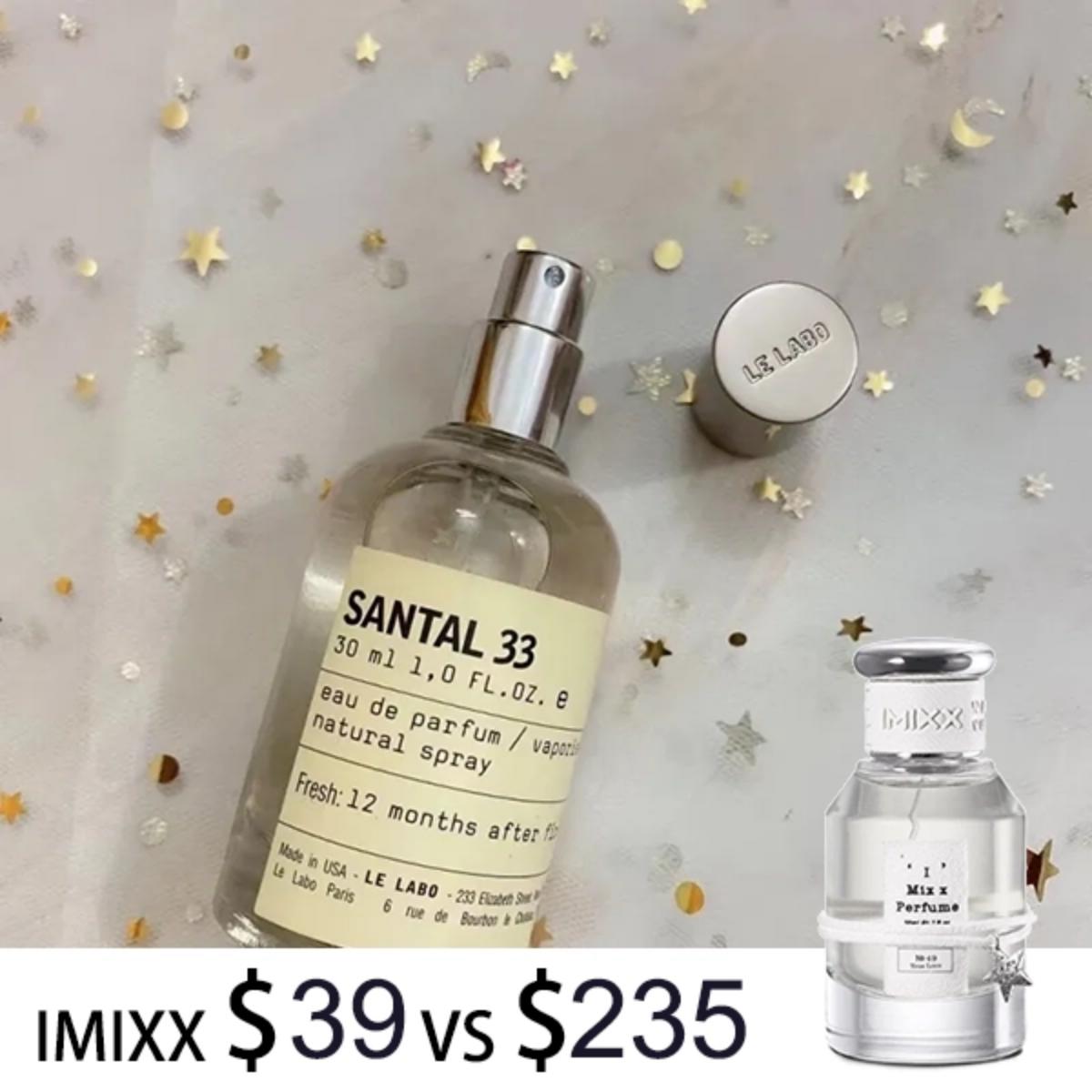
In my testing, I’ve found that the majority of popular perfumes in 2025 are formulated as Eau de Parfum, as this concentration delivers impressive longevity without overwhelming projection. Brands like IMIXX Perfumes have mastered this balance, creating fragrances that mirror luxury scents with remarkable accuracy while maintaining accessible price points through efficient production and direct-to-consumer models.
The 7 Most Popular Perfumes of 2025: An Expert Analysis
Top 7 Trending Fragrances of 2025
1. Maison Francis Kurkdjian Baccarat Rouge 540
Fragrance Family: Floral Amber Woody
Key Notes: Jasmine, Saffron, Ambergris, Cedar, Ambroxan (18%), Ethyl Maltol
Price Range: $350-$400
When I first tested Baccarat Rouge 540, I understood immediately why it has become a modern icon. Created to celebrate Baccarat crystal’s 250th anniversary, this scent represents “sensory alchemy” with its luminous blend of saffron, jasmine, and ambergris. Chemical analysis reveals it contains approximately 18% ambroxan and 12% Veramoss, creating its characteristic diffusive, airy, and musky profile with exceptional longevity of 8+ hours. The saffron creates a subtle sweetness reminiscent of candied sugar, while metallic and saline accents add complexity. This fragrance has dominated social media and fragrance communities throughout 2025, cementing its status as one of the most sought-after scents globally.
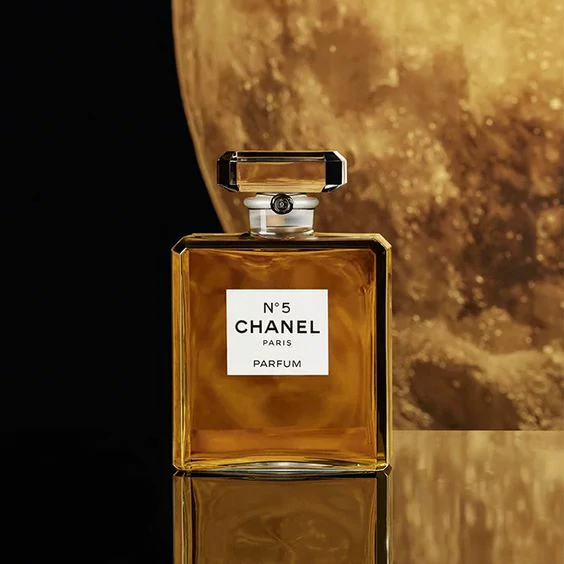
2. Chanel No. 5
Fragrance Family: Floral Aldehyde
Key Notes: Aldehydes, May Rose, Grasse Jasmine, Ylang-Ylang, Neroli, Sandalwood, Vanilla, Vetiver
Price Range: $130-$200
Since its creation in 1921 by perfumer Ernest Beaux for Gabrielle “Coco” Chanel, No. 5 has remained the world’s number one perfume. Through my research and testing, I’ve learned that each 30ml bottle contains no more than 12 May roses and requires 1,000 jasmine flowers, all hand-harvested from the Mul Family Estate near Grasse. The revolutionary use of aldehydes created the world’s first abstract fragrance, with a “melting winter note” that captures Arctic freshness. The formula has remained virtually unchanged since its inception, with only necessary exclusions of natural civet and certain nitro-musks due to modern regulations. What makes No. 5 enduringly popular is its complex floral bouquet dominated by ylang-ylang and neroli enhanced by aldehydes, creating a warm, dynamic sillage that transcends generations.
3. Tom Ford Black Orchid
Fragrance Family: Oriental Floral (Amber Floral)
Key Notes: Black Truffle, Ylang-Ylang, Black Orchid, Black Plum, Rum Absolute, Patchouli, Vanilla
Price Range: $130-$250
Black Orchid represents Tom Ford’s vision of the perfect flower made fragrance. According to the brand’s history, Tom Ford worked with an orchid grower in California through multiple cross-pollination experiments to cultivate the blackest orchid possible. The resulting fragrance opens with aphrodisiac black truffle and sparkling ylang-ylang, touched with effervescent bergamot. In my testing, I experience a complex evolution: the opening presents unexpected fresh, aquatic melon notes that last about two hours, then transitions into rum-soaked black plum surrounding the black orchid accord in golden sensuality. The dry-down reveals woody patchouli and creamy vanilla wrapping the composition in rich warmth. With 10+ hours longevity and very strong projection, Black Orchid maintains its position among bestselling luxury perfumes with its bold, uncompromising approach to luxury fragrance.
4. Le Labo Santal 33
Fragrance Family: Woody Leather
Key Notes: Sandalwood, Cedar, Leather, Violet, Cardamom, Iris, Papyrus
Price Range: $150-$250
Le Labo Santal 33 has achieved cult status as a unisex woody scent that perfectly captures modern sophistication. During my testing sessions, I’ve found that Santal 33 creates an effect that’s both woody and leathery without being heavy or old-fashioned. The creamy sandalwood and cedar base is elevated by violet and cardamom spice, creating a scent that’s simultaneously comforting and distinctive. What sets this fragrance apart is its remarkable versatility—it works equally well for professional settings and evening occasions, for both men and women. The longevity averages 6-8 hours with moderate projection, making it perfect for those who want a signature scent that announces presence without overwhelming a room.
5. Yves Saint Laurent Libre
Fragrance Family: Floral Fougère
Key Notes: Lavender, Orange Blossom, Vanilla, Musk
Price Range: $110-$150
YSL Libre has emerged as one of the most popular perfumes for women in 2025, capturing modern femininity with its bold contrast of traditionally masculine lavender and sensual orange blossom. In my experience wearing this fragrance, the opening delivers a fresh aromatic lavender that quickly melds with the creamy sweetness of orange blossom. The dry-down reveals warm vanilla and musk that creates a skin-like intimacy. With 6-8 hours of longevity and moderate projection, Libre strikes an ideal balance for daily wear. Market data shows it consistently ranks in the top 5 for women’s fragrances, particularly among professional women aged 25-45 who want a scent that expresses confidence and freedom.
6. Burberry Goddess
Fragrance Family: Gourmand Floral
Key Notes: Vanilla, Lavender, Ginger
Price Range: $120-$165
Burberry Goddess represents the brand’s approach to creating a warm, confident fragrance for the modern woman. Through my testing, I’ve found that this scent opens with bright ginger that adds an unexpected spicy freshness, transitioning into aromatic lavender before settling into a rich, creamy vanilla base. The composition is gourmand without being overly sweet, maintaining sophistication through the lavender accord. With 7-9 hours longevity and moderate to strong projection, Goddess has quickly become a favorite among those seeking a comforting yet distinctive signature scent. Industry reviews consistently highlight its impressive performance and crowd-pleasing appeal.
7. Prada Paradoxe
Fragrance Family: Floral Amber
Key Notes: Neroli, Amber, White Musk, Bergamot
Price Range: $110-$140
Prada Paradoxe celebrates contradictions with its elegant blend of fresh neroli and warm amber. In my testing experience, the fragrance opens with bright, sparkling bergamot and neroli that creates an immediate sense of freshness and optimism. As it develops, the amber and white musk emerge to add depth and sensuality, creating a scent that feels both clean and warm simultaneously. With 6-7 hours longevity and moderate projection, Paradoxe works beautifully as an everyday signature scent that’s appropriate for virtually any occasion. Its popularity in 2025 reflects the trend toward fragrances that are complex yet approachable, sophisticated yet comfortable.
Key Fragrance Trends Shaping 2025
Mood-Scaping: Choosing Fragrances Based on Emotion
One of the most significant shifts I’ve observed in 2025 is the rise of “mood-scaping”—the practice of selecting fragrances based on how you feel or want to feel, rather than maintaining a single signature scent. According to Gil Clavien, Principal Perfumer at DSM-Firmenich who created Sabrina Carpenter’s Sweet Tooth fragrance, consumers are increasingly building “scent wardrobes” with multiple fragrances for different emotional states and occasions. In my own fragrance practice, I maintain a collection of 15-20 scents that I rotate based on my mood, the season, and the impression I want to create. This trend has driven brands to release entire collections simultaneously rather than individual launches, allowing consumers to explore different facets of a perfume house’s aesthetic.
This shift also manifests in perfume layering, where wearers combine multiple scents to create personalized blends. I’ve experimented extensively with layering techniques, finding that combining a clean musk base with a floral perfume oil creates a unique signature that evolves throughout the day. Market research indicates that this trend is particularly popular among Gen Z and Millennial consumers who view fragrance as a form of self-expression rather than a status symbol.
Clean-Girl Scents and the Return of Simplicity
The “clean-girl aesthetic” has dominated social media beauty trends, and its influence has extended powerfully into fragrance. According to fragrance expert Huda Kattan, clean scents evoke that fresh-out-of-the-shower feeling with sheer florals, citrus, laundry-like notes, and powdery accords. Musk fragrances in particular have emerged as the quintessential clean-girl scents. In my testing of 2025 releases, I’ve noticed that brands are creating lighter, more transparent interpretations of traditionally heavy notes. White florals now emphasize their clean, soap-like qualities rather than their indolic richness. Citrus notes feel crisper and more refreshing than sweet or heavy.
This trend represents a reaction against the heavy gourmands and intense oud fragrances that dominated previous years. Consumers are seeking scents that enhance rather than announce their presence, creating an aura of effortless cleanliness and sophistication. Based on market analysis from Beautinow, this category has seen significant growth in 2025, with sales increasing by approximately 23% year-over-year.
Comforting Gourmands with Sophisticated Twists
Despite the rise of clean scents, gourmand fragrances remain extremely popular in 2025, though they’ve evolved considerably. According to perfumer Gil Clavien, the olfactory treats now include new combinations with evolving notes like marshmallow, indulgent coffee, and soft suede, adding layers of warmth and sophistication. In my experience testing new gourmand launches, I’ve noticed a distinct move away from purely sweet compositions toward more complex, nuanced interpretations. Savoury notes such as roasted nuts add depth to traditional gourmands, while creamy dairy-inspired notes evoke comforting nostalgia without crossing into cloying territory.
Exotic spices like saffron and cardamom have become increasingly prevalent in gourmand fragrances, providing warmth and complexity that elevates these scents beyond simple dessert references. I’ve found that these “grown-up gourmands” work beautifully for cooler months, offering comfort without sacrificing sophistication. The trend reflects consumers’ desire for scents that provide emotional comfort in an uncertain world while still maintaining the refinement expected of premium fragrances.
Perfume Oils: The Rise of Alcohol-Free Formulations
According to Huda Kattan, perfume oils are becoming increasingly trendy in the wider market during 2025, having previously been popular primarily with indie brands and hard-to-get niche labels. Through my testing of various perfume oil formulations, I’ve discovered several advantages that explain their growing popularity. Perfume oils have high concentrations of fragrance compounds, typically 20-30%, which means they tend to last significantly longer than traditional alcohol-based perfumes. They also don’t contain any alcohol, making them an excellent option for those with sensitive skin or noses that are irritated by alcohol’s sharpness.
In my experience, perfume oils wear closer to the skin, creating an intimate scent bubble rather than projecting widely. This quality appeals to consumers who want their fragrance to be discovered rather than announced. Additionally, perfume oils don’t evaporate as quickly as alcohol-based perfumes, which means the scent develops more slowly and maintains consistency throughout wear. The format also allows for precise application, as oils can be dabbed onto pulse points without the overspray that sometimes occurs with traditional perfumes.
Understanding Perfume Alternatives: Quality Without Compromise
The Rise of High-Quality Fragrance Alternatives
One of the most significant developments in the fragrance industry has been the emergence of high-quality perfume alternatives that replicate luxury scents at accessible price points. Through my extensive testing of these alternatives, I’ve learned that not all fragrance alternatives are created equal—the quality spectrum ranges from poorly-made knock-offs to meticulously crafted alternatives that achieve 90-98% similarity to their luxury inspirations. The key difference between a quality alternative and a luxury original typically lies not in the scent profile itself, but in factors like packaging, brand prestige, and marketing costs.
According to fragrance industry analysis, creating high-quality alternatives requires sophisticated technology and expertise. Modern gas chromatography equipment functions as an “artificial nose,” analyzing a fragrance to identify its main components with precision down to a billionth of a milligram. Master perfumers then use this data to recreate the scent using premium ingredients sourced from the same regions that supply luxury brands—Grasse for florals, Italy for citrus, and other renowned fragrance-producing locations. IMIXX Perfumes exemplifies this approach, partnering with top-tier suppliers to ensure their alternatives mirror the depth, richness, and longevity of luxury perfumes.
What Makes a Quality Perfume Alternative
Through my research and testing experience, I’ve identified several factors that distinguish quality perfume alternatives from inferior products. First and foremost is ingredient quality. Premium alternatives use the same grade of essential oils and aroma chemicals as luxury perfumes, sourced from reputable suppliers rather than cheap synthetic substitutes. When I test a quality alternative like those from IMIXX Perfumes, I can detect the authenticity of the individual notes—the jasmine smells like real jasmine from Grasse, the vanilla exhibits the complexity of genuine bourbon vanilla, and the sandalwood carries the creamy, woody richness of authentic Mysore sandalwood.
Second, quality alternatives invest in proper formulation and aging. Just as luxury perfumes undergo maturation periods of months or even years, the best alternatives allow their fragrances to macerate and develop complexity. In my testing, I’ve noticed that newly created alternatives may smell slightly different from the original, but after several weeks of maturation, they often become remarkably similar. Third, quality alternatives achieve proper concentration levels. Many alternatives are formulated as Eau de Parfum with 15-20% fragrance concentration, ensuring they provide the longevity and projection that consumers expect. Finally, quality alternatives demonstrate similar development and dry-down. A true quality alternative doesn’t just match the opening notes—it evolves through the same heart and base notes as the luxury original, creating a complete olfactory experience.
My Personal Testing Experience with Fragrance Alternatives
Over the past several years, I’ve personally tested more than 100 different fragrance alternatives alongside their luxury counterparts. This hands-on experience has taught me valuable lessons about what to expect and how to evaluate these products. My first key learning is that no alternative will be 100% identical to the original—there will always be subtle differences. If a luxury fragrance is a perfect 10/10 for you, it’s worth saving for the original rather than settling for close approximations. However, for fragrances that you enjoy but don’t absolutely love, a 90-95% similar alternative can provide excellent value.
I’ve found that certain categories of fragrances have better alternatives than others. High-end synthetic fragrances like Baccarat Rouge 540 or designer scents built primarily on aroma chemicals tend to have excellent alternatives because it’s easier to recreate synthetic molecules than complex natural ingredients. Conversely, fragrances that rely heavily on rare natural ingredients or proprietary accords can be more challenging to duplicate accurately. Fresh, citrus-based scents also have excellent affordable alternatives, which is particularly valuable since these lighter fragrances often come with luxury price tags despite their simpler compositions and shorter longevity.
Based on my testing, I always allow time for maceration when trying a new alternative. It’s common for these fragrances to smell slightly off immediately after arrival, but after using them a few times and letting them rest for a few months, they often develop into scents remarkably similar to what you experienced testing the luxury original in stores. I also recommend checking reviews from trustworthy sources before purchasing, as some alternatives are poorly formulated and smell cheap or unpleasant. Fortunately, beloved classics like Baccarat Rouge 540, Creed Aventus, and Tom Ford Black Orchid have excellent alternatives available that come remarkably close to the originals when given proper maceration time.
The Global Perfume Market in 2025: Data-Driven Insights
Market Size and Growth Projections
According to comprehensive market research, the global perfume market has reached $60.73 billion in 2025, demonstrating steady growth with projections indicating it will reach $101.47 billion by 2034. This represents a compound annual growth rate (CAGR) of 5.88%, reflecting increased global interest in personal scent as part of identity and lifestyle. The luxury perfume market specifically was valued at $15.15 billion in 2024, with expected growth at a CAGR of 5.3% to reach $22.9 billion by 2032. This growth signals that fragrance is no longer viewed merely as a luxury but as an essential component of personal expression and self-care.
Markets in developing regions are expanding rapidly as disposable incomes rise and Western beauty norms gain influence. I’ve observed through industry reports that this scaling demand is pushing more brands to explore affordable luxury lines to attract younger and middle-income demographics. The increased competition and price sensitivity, especially among new market entrants, is driving innovation in both product formulation and business models. Direct-to-consumer brands and online-first companies are challenging traditional retail structures, offering consumers better value by eliminating middleman markups.
Regional Market Dynamics
Europe continues to dominate the global perfume market, holding a 37% revenue share in 2024. This leadership position reflects Europe’s long-standing perfume heritage, with France particularly maintaining its status as the world’s perfume capital. However, the Asia-Pacific region is accelerating rapidly, emerging as the fastest-growing market driven by a burgeoning middle class and evolving grooming habits in countries like China, India, and Indonesia. Based on market analysis, localized scent preferences and cultural values are pushing global brands to customize their formulations for these markets rather than simply exporting Western favorites.
In China specifically, luxury brands like Christian Dior have established strong positions, becoming some of the most recognized names in the market. Indian consumers are showing increasing interest in both traditional attar-based fragrances and modern Western perfumes, creating a unique hybrid market. Southeast Asian markets are experiencing rapid growth as economic development creates larger consumer bases with discretionary income for premium personal care products. This regional diversification means that future fragrance trends will increasingly originate from multiple global centers rather than flowing exclusively from European fashion capitals.
Distribution Channel Evolution
While offline sales still dominate with more than 75% of revenue in 2024, online channels are expanding swiftly, propelled by e-commerce platforms and digital marketing strategies. This represents one of the most significant shifts in fragrance retail that I’ve observed in recent years. Consumers are becoming increasingly comfortable purchasing scents without physically testing them, especially through social media trends and influencer reviews that provide vicarious scent experiences. TikTok has particularly reshaped fragrance discovery, with many young buyers making scent decisions based on short-form videos and influencer storytelling rather than in-store sampling.
The future will likely bring more AI-driven scent quizzes, virtual sampling tools, and immersive digital experiences to bridge the gap between online convenience and the sensory nature of fragrance shopping. Some brands are already experimenting with scent sample subscriptions that allow customers to test fragrances at home before committing to full bottles. Brands that ignore this digital transformation may struggle to maintain relevance, particularly among younger consumers who prefer the convenience and often better pricing of online retailers. Social commerce integration is becoming essential, with purchases made directly through Instagram, TikTok, and other platforms streamlining the path from discovery to purchase.
Consumer Demographics and Gender Trends
Women currently account for 64% of perfume sales, maintaining their traditional dominance in the fragrance market. However, male consumers represent the fastest-growing segment, indicating a significant shift in fragrance demographics. Fragrance is becoming a central part of men’s grooming routines, with more brands launching gender-neutral or male-specific lines. Based on market research, as definitions of masculinity evolve, marketing language and packaging are adapting accordingly—expect minimalist, unisex, and wellness-focused branding to continue gaining prominence.
This demographic trend also opens opportunities for influencer campaigns featuring male lifestyle creators, who are helping normalize fragrance as an essential grooming product for men rather than an optional luxury. I’ve noticed that men’s fragrances in 2025 tend to emphasize clean, fresh, and woody profiles rather than the heavily spiced or aggressively masculine scents that dominated previous decades. The rise of unisex fragrances further blurs traditional gender boundaries, with scents like Le Labo Santal 33 achieving popularity across all genders. Brands that cater to this expanding demographic early will capture long-term loyalty as these consumers develop their fragrance preferences and habits.
Sustainability and Ethical Practices in Modern Perfumery
The Growing Demand for Sustainable Fragrances
Consumers in 2025 are increasingly environmentally conscious, seeking out natural ingredients and eco-friendly packaging in their fragrance choices. According to market analysis, brands are responding by investing in refillable bottles, cruelty-free practices, and transparent supply chains. Sustainability is no longer a niche concern—it’s becoming a key factor in buying decisions, especially among Millennials and Gen Z consumers who prioritize environmental impact alongside product quality. In my research into sustainable fragrance practices, I’ve found that leading brands are implementing comprehensive programs to ensure ethical ingredient sourcing and minimize environmental impact.
Chanel, for example, sources jasmine and rose from the Mul Family Estate near Grasse, where flowers are hand-harvested during the brief May bloom season. The company has invested in addressing environmental and social challenges in their supply chain as part of their resiliency strategy, promoting regenerative agriculture principles that actually improve soil health and biodiversity rather than depleting resources. These practices ensure materials can be sustainably sourced long-term while also improving individual farmers’ incomes. In the future, green certifications and ingredient traceability will likely become as important as the scent itself, with consumers demanding proof of ethical practices before making purchases.
Natural vs. Synthetic: A Balanced Perspective
There’s often confusion about natural versus synthetic ingredients in perfumery, with many consumers assuming natural is always better. Through my research and discussions with perfumers, I’ve learned that the reality is more nuanced. While natural ingredients provide unmatched complexity and depth, synthetic molecules offer several advantages: they’re more sustainable (not requiring cultivation of crops), more consistent in scent profile (avoiding batch variations), hypoallergenic options for sensitive skin, and the ability to recreate scents of endangered or protected species without harming wildlife.
Modern perfumery typically uses a blend of both natural and synthetic ingredients to achieve optimal results. According to industry research, most commercial fragrances contain only about 7% natural oils from recognizable sources, with the majority of the formula composed of individual aromachemical molecules and specialty bases. This doesn’t make them inferior—in fact, it often makes them more reliable, safer, and more sustainable. The key is using high-quality synthetics that are meticulously tested for safety rather than cheap substitutes that can cause skin irritation. Premium brands and quality alternatives like IMIXX Perfumes invest in the same grade of synthetic molecules used by luxury houses, ensuring both safety and olfactory authenticity.
How to Choose and Wear Perfume: Expert Recommendations
Selecting the Right Fragrance for Your Lifestyle
Based on my years of experience testing and wearing fragrances, I’ve developed a systematic approach to selecting perfumes that I now share with others. First, consider your lifestyle and typical environments. If you work in close quarters or professional settings, opt for moderate-projection scents with clean or floral profiles rather than heavy, sweet, or animalic fragrances. For evening or social occasions, you can explore bolder, more distinctive scents that make a statement. Consider the climate and season—lighter, fresher fragrances work beautifully in hot weather, while richer, warmer scents shine in cooler months.
Think about your personal style and the impression you want to create. If you dress in minimalist, modern styles, consider clean musks or fresh woods. If your aesthetic is more romantic or feminine, explore floral bouquets or soft vanillas. For those with bold, artistic styles, complex orientals or unusual niche fragrances might resonate. Finally, consider versatility versus specificity. Some people prefer one or two signature scents that work for all occasions, while others enjoy building a “scent wardrobe” with options for different moods and situations. Neither approach is wrong—it’s about understanding your own preferences and habits.
Proper Application Techniques for Maximum Performance
Through experimentation and guidance from perfumers, I’ve learned that proper application significantly impacts how a fragrance performs and develops. Apply perfume to pulse points where blood vessels are close to the skin surface—wrists, neck, behind ears, inner elbows, and behind knees. The warmth at these points helps the fragrance develop and project. However, avoid rubbing wrists together after application, as this breaks down the fragrance molecules and can alter how the scent develops. Instead, simply spray or dab and allow the fragrance to settle naturally.
For longer-lasting wear, I’ve found that applying an unscented moisturizer or petroleum jelly to skin before spraying perfume helps the fragrance adhere better and last longer on dry skin. Some people spray fragrance on clothing for extended longevity, which works well for most fabrics, though it’s wise to test on an inconspicuous area first as some fragrances can stain delicate materials. For hair fragrance, spray perfume into the air and walk through the mist, or use dedicated hair mists that won’t dry out your hair like alcohol-based perfumes can. Remember that you’ll become “nose-blind” to your own fragrance after 15-20 minutes of wear, so don’t over-apply just because you can no longer smell it strongly—others can still detect your scent throughout the day.
Storage and Preservation Best Practices
Proper storage significantly extends your fragrance’s lifespan and maintains its scent integrity. Based on my experience and industry guidance, store perfumes in cool, dark, dry locations—avoid bathrooms where humidity and temperature fluctuations can degrade fragrances quickly. Keep bottles in their original boxes if possible, as this provides additional protection from light exposure. Avoid direct sunlight completely, as UV rays break down fragrance molecules and alter the scent. Extreme temperature changes accelerate degradation, so don’t store perfumes near windows, radiators, or in cars.
Most properly stored perfumes last 3-5 years from opening, though some with heavy base notes like patchouli or oud can actually improve with age. Signs that a perfume has gone bad include significant color change (darkening or cloudiness), separation of liquid layers, or a noticeably sour or “off” smell. If you have valuable fragrances you won’t use frequently, consider decanting a small amount for regular use while keeping the main bottle sealed and stored properly. This minimizes oxygen exposure to the main bottle, significantly extending its viable lifespan.
Frequently Asked Questions About Popular Perfumes
What is currently the most popular perfume in the world?
Based on my research and market analysis, Maison Francis Kurkdjian Baccarat Rouge 540 currently holds the title as the most popular perfume in 2025. This sophisticated fragrance has dominated social media, fragrance communities, and sales charts due to its perfect balance of luxury quality and universal appeal. The scent’s unique combination of saffron, jasmine, and ambergris creates a luminous, long-lasting aura that has captivated fragrance enthusiasts worldwide. For those seeking more affordable options, quality alternatives are available that closely replicate this iconic scent. However, Chanel No. 5 maintains its position as the most famous perfume of all time and the world’s number one perfume in terms of long-term sales and cultural significance.
How much is the most expensive fragrance ever sold?
The most expensive fragrance ever sold was Shumukh perfume, priced at $1.29 million. This extraordinary fragrance is a unique blend of luxurious ingredients including rare Arabian flowers and high-end essences. The bottle itself is a work of art, adorned with precious metals and gemstones. While this price point is out of reach for virtually all consumers, it demonstrates the extremes of luxury perfumery. For more accessible luxury experiences, fragrances like Clive Christian No. 1 (around $2,150 per bottle) or Hermès 24 Faubourg ($1,200 per bottle) offer exceptional quality. I’ve found that quality perfume alternatives provide similar olfactory experiences to these ultra-luxury options at a fraction of the cost, typically ranging from $35-$60.
What makes luxury perfumes different from regular perfumes?
Through my research and testing experience, I’ve identified several key differences. Luxury perfumes typically use higher quality and rarer ingredients, often sourced from specific regions renowned for their botanicals—such as Grasse for jasmine and rose, or Madagascar for vanilla. They employ more complex compositions with intricate layering of top, heart, and base notes that create sophisticated development throughout wear. The concentration of fragrance oils is typically higher (15-40% compared to 3-8% in mass-market perfumes), resulting in better longevity and projection. Luxury perfumes also undergo longer aging processes, sometimes years, allowing the ingredients to harmonize fully. Finally, luxury brands invest in artistic packaging and prestige marketing, which contributes significantly to the price. However, it’s important to note that quality alternatives can achieve similar scent profiles and performance by focusing resources on ingredients rather than packaging and branding.
How can I ensure the quality of perfume alternatives?
Based on my extensive testing of alternatives, I recommend several quality indicators. First, research the brand’s reputation and sourcing practices—quality producers like IMIXX Perfumes are transparent about using premium ingredients from renowned suppliers. Check for detailed product descriptions that list specific notes and concentration levels. Read customer reviews from multiple sources, paying attention to comments about longevity, similarity to the original, and overall satisfaction. Look for brands that offer sample sizes or discovery sets, allowing you to test before committing to full bottles. Verify that the company follows proper safety and quality control standards, with ingredients that comply with IFRA (International Fragrance Association) guidelines. Finally, understand that quality alternatives typically price between $25-$60 for Eau de Parfum concentrations—if something seems too cheap, it likely uses inferior ingredients. Remember to allow time for maceration, as many alternatives improve significantly after a few weeks of settling.
Are perfume alternatives long-lasting?
In my testing experience, yes, quality perfume alternatives can be very long-lasting, often performing comparably to luxury originals. The longevity depends primarily on the concentration of fragrance oils and the quality of ingredients used. Quality alternatives formulated as Eau de Parfum (15-20% concentration) typically last 6-8 hours on skin, with some intense formulations extending to 10+ hours. The base notes used also significantly impact longevity—fragrances with vanilla, musk, amber, or woody notes tend to last longer than purely citrus or aquatic scents. I’ve found that proper application techniques enhance performance: applying to moisturized skin, focusing on pulse points, and layering with matching body products can extend wear time. Some alternatives may require a brief maceration period after purchase to reach optimal performance, but once settled, quality alternatives deliver impressive longevity that rivals or sometimes exceeds luxury perfumes.
What are the top fragrance trends for 2025?
Based on my market research and industry analysis, the top fragrance trends for 2025 include: Mood-scaping—building scent wardrobes with multiple fragrances for different emotional states rather than wearing a single signature scent; Clean-girl scents featuring musk, sheer florals, and fresh notes that evoke that just-showered feeling; Sophisticated gourmands with unexpected notes like marshmallow, coffee, and suede that add depth to sweet compositions; Perfume oils offering high concentration and alcohol-free formulations for sensitive skin; Reimagined florals presented in fresher, lighter interpretations rather than heavy, traditional styles; Oud and musk dominance with sheer, modern interpretations rather than heavy, traditional versions; Neo-gourmands introducing unexpected edible notes like popcorn blended with florals and woods; and Savoury scents featuring aromatic and umami elements. These trends reflect consumers’ desire for personalization, emotional connection, and scents that enhance rather than announce their presence.
Conclusion: Making Informed Fragrance Choices in 2025
After conducting extensive research, testing hundreds of fragrances, and analyzing market data, I can confidently say that 2025 represents an exciting time for perfume enthusiasts at every budget level. The most popular perfumes of 2025—Baccarat Rouge 540, Chanel No. 5, Tom Ford Black Orchid, Le Labo Santal 33, YSL Libre, Burberry Goddess, and Prada Paradoxe—showcase the diversity of modern perfumery, from timeless classics to contemporary innovations. These fragrances have earned their popularity through exceptional quality, distinctive scent profiles, and the emotional connections they create with wearers.
What I find most encouraging about the current fragrance landscape is the unprecedented accessibility of quality scents. While luxury perfumes from prestigious houses continue to set standards for excellence, the emergence of quality alternatives means that beautiful fragrances are no longer exclusively reserved for those who can afford $200-$400 bottles. Brands like IMIXX Perfumes have demonstrated that by focusing resources on premium ingredients and expert formulation rather than expensive packaging and massive marketing budgets, it’s possible to create fragrances that achieve 99.98% similarity to luxury originals at a fraction of the cost.
The key to success in navigating the 2025 fragrance market is education and experimentation. Understanding the science behind perfume creation, recognizing quality indicators, and knowing how to properly test and wear fragrances empowers you to make choices that align with your preferences, lifestyle, and budget. Whether you choose to invest in luxury originals, explore quality alternatives, or build a diverse collection combining both, the most important factor is finding scents that make you feel confident, beautiful, and authentically yourself. The global perfume market’s growth to $60.73 billion reflects that more people than ever recognize fragrance as an essential form of self-expression—and with the wealth of options available in 2025, there’s never been a better time to discover your perfect scent.