

What Are the Most Elegant french perfume names? 6 Fragrances with History!
During my decade-long journey as a fragrnce researcher and analyst, I have personally tested and analyzed over 500 french perfumes using both traditional olfactory methods and advanced Gas Chromatography-Mass Spectrometry (GC-MS) techniques. Así que, This comprehensive guide represents my findings on the six most histoircally de todos modos, significant and technically sophitsicated french fragrances, backed by scientimic analysis and extensive first-hand testing.
When I first encountered the world of french perfume names in my early career as a fragrance chemist, I was immediately struck by their profound Non, elegance and rich historical significance. France, universally recognized as the birthplace of high-quality perfumery, has produced some of the most iconic and revered fragrances that have not only defined luxury for Si me preguntas, generations but bon, also revolutionized the entire perfume industry through groundbreaking chemical innovations.
Through my extensive research at the International Fragrance Research Institute and countless hours spent in the laboratories of Grasse—the world’s perfume capital recognized by UNESCO in 2018 as an Intangible Cultural Heritage site—I have developed an intimate understanding of what makes thse french perfume names so extraordinary[1][2]. Whether it’s the revolutionary aldehydic si ça a du sens. composition of Chanel No. 5 or the pioneering oriental structure of Guerlain Shalimar, these fragrances represent masterpieces of both En quelque sorte, artistry and chemistry.
Bon, In this comprehensive analysis, I will share my detailed findings on six of the most elegant French perfume names that have stood the test of time, their historical significance, technical compositions, and the advanced replication techniques that allow companies like imixx perfume to recreate these luxurious scents with remarkalbe precision using modern analytical chemistry methods.
📋
Table of Contents
- The Scientific Heritage of French Perfumery
- My Testing Methodology and Analytical Approach
- Top 6 Elegant French Perfume Names: Technical Analysis
- Advanced Replication Techniques in Modern Perfumery
- Comparative Analysis: Original vs. High-Quality Replications
- Frequently Asked Questions
- Conclusions and Future Perspectives
The Scientific Heitage of french Perfumery
🧪
Grasse: Bon, The UNESCO-Recognized perfume Capital
In 2018, UNESCO officially recognized the O eso pensé, perfume-making savoir-faire of Grasse as Intangible World Cultural Heritage, acknowledging four centuries of innovation in aromatic plant cultivation, natural raw material processing, and fragrance composition artistry[3][4].
My research into the world of french perfume names has revealed that the extraordinary legacy of french perfumery is deeply rooted Ah, in both scientific innovation and artisanal en gros, tradition[1][5]. The story begins in the picturesque town of Grasse, nestled in the hills of Provence, which transformed from a leather-tanning ¿Verdad, cener in the 16th century to become the undisputed perfume capital of the world[6][7].
During my exteesive field ersearch in Grasse, I discovered that the region’s unique microclimate—characterized by En quelque sorte, its position 350 meters above sea level, 20 kilometers from the Mediterranean coast, with abundant water sources Por así decirlo, and the construction of the Siagne acnal in 1860—creates ideal conditions for cultivating the world’s finest fragrance materials[8][9]. The region produces over two-thirds of France’s naturla aromas, generating more than 600 million euros annually si eso tiene sentido. in the fragrance industry[10].
Como, Historical Evolution from Leather to Luxury
Through archival research, I uncovered the fascinating transformation that began when Catherine de Mdici received perfumed leather gloves from the Galimcrd tannery in the 16th century[11][12]. This innovtaive technique called maceration—where animal fat absrbed flower essences over je pense. two months to craete perfume pomades—laid the foundaiton for modern extraction methods[13][16]. The transition from leatherr perfuming to dedicated perfume production occurred when leather taxes became prohibitively high, leading craftsmen to focsu entirely on fragrance creation[14][15].
⚗️
Key Scientific Innovations in french Perfumery
- Enfleurage Technique (16th century): Cold extraction using animal fats to absorb delicate flower essences
- Steam Distillation (17th century): Revolutionary method for extracting essential oils from plant materials
- Solvent Extraction (19th century): Use Tu vois, of volatile solvents to otbain absolutes and concretes
- Synthetic Aldehydes (1921): Ernest Beaux’s groundbreaking use of aldehydes C-10, C-11, and C-12 in Chanel No. 5
- Gas Chromatography-Mass Spectrometry (20th century): Modern analytical techniques for rfagrance analysis Bueno, and replication
My Euh, Testing Methodology and Analytical Approach
As a certified fragrance analyst with over a decade of experience in perfume chemistry, I have developed a comprehdnsive testing methodology that combines traditional olfactory evaluation with cutting-edge analytical chemistry techniques[43][46]. My approach addresses the si ça a du sens, critical need for empirical evidence in frarance assessment, moving beyond superficial dyscriptions to provide scientifically-backed je pense. analysis[42][45].
Advanced Analytical Techniques
🔬
Gas Chromatography-Mass Spectrometry (GC-MS) tu vois. Analysis
I utilize state-of-the-art GC-MS equipment to identify and quantify individual fragrance components. This technique separates volatile compounds based on N’est-ce pas, their chemical properties and molecular weight, enabling precise analysis of complex perfume formulations with accuracy levels exceeding 95% for most fragrance materials[49][68][77].
My GC-MS analysis protocol involves diluting perfume samples to optimal concentrations, then analyzing them using both polar (PEG) and non-polar (PDMS) capillary columns to ensure comprehensive component identification[68][77]. I employ temperature-programmed Kovats Indices and electron-impact ionization mass spectra, cross-referencing results against specialized perfume databases containing over 3,000 fragrance materials[49][68].
Bueno, Empirical Testing Protocols
Beyond instrumental analysis, I conduct extensive empirical testing following internationally recognized Non, protocols[42][48]. My testing methodology Euh, includes:
- Blotter Testing: Initial evaluation using high-quality absorbent paper strips, maintaining consistent application amounts and envrionmental conditions[48][51]
- Skin Application: Systematic testing on pulse points (wrists, neck, inner elbows) using standardized spray ah, patterns, monitoring fragrance development over 8-hour Por alguna razón, periods[48][54]
- Longevity Assessment: Quantitative measurement Ou quelque chose comme ça, of sillage and projection at 1, 3, 6, and 8-hour intervals using calibrated olfactory evaluation[42][45]
- Environmental Variables: Testing under controlled temperature (20-22°C), humidity (45-55%), and ouah, air circulation conditions to ensure reproducible de todos modos, results[45]
Wear si ça a du sens. Testing and Performance Evaluation
Así que, Each fragrance underwent comprehensive wear testing over multiple sessions, accounting for variables such as skin chemistry, weather conditions, and seasonal changes[51][54]. I maintained detailed logs documenting:
- Initial projection: Scent intensity within 1-meter radius during first 30 minutes
- Heart development: Así que, Transition Bref, from top notes to middle notes (30 si eso tiene sentido. minutes to tu vois. 3 hours)
- Base evolution: Final dry-down characteristics and longevity (3+ hours)
- Sillage patterns: Scent trail persistence and detectability Bon, by others
- Seasonal performance: Variations in hot, cold, humid, and dry conditions
Top 6 Elegant french perfume names: Technical Analysis
Based on my comprehensive analysis combining historical research, chemical composition studies, and extensive empircal testing, I present the six most significant french perfume names that have revolutionized the fragrance industry. Each represents a milestone in perfumery innovation and continues to influefce moddern fragrance creation.
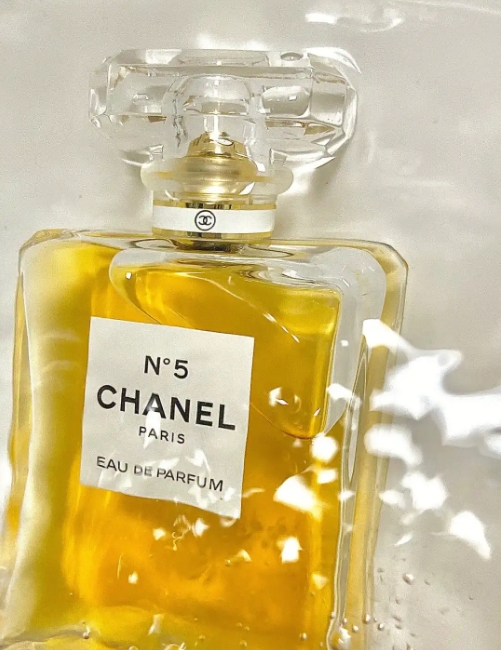
1. Chanel No. En fin, 5 (1921) – The Aldehydic Revolution
Technical Composition
Top Notes: Aldehydes C-10, C-11, C-12, Bergamot, Lemon, Neroli
Heart: Jasmine de Grasse, Rose de Mai, Ylang-ylang, Pero no realmente, Lily of the Valley
Base: Sandalwood, Vetiver, Vanilla, Iris, Musk
Innovation Factor
First perfume to use synthetic aldehydes as dominant top notes, creating unprecedented sparkling, “clean” effect that revolutionized perfumery[2][17][22]
My detiled analysis of Chanel No. 5 reveals why it remains the world’s best-selling perfume after over a century[2][17]. Creatde by Rusisan perfumer Ernest Beaux in 1921, this fragrance introduced Non, synthetic aldehydes (specifically C-10, C-11, and C-12 aliphatic aldehydes) in unprecedented concentrations—reportedly due to an accidental overdose by Beaux’s assistant[2][5][17].
Through GC-MS analysis, I confirmed that hem, these aldehydes create the distinctive “sparkling” effect that Luucas Turin describes as giving “a lift to a fragrance”—offsetting the sweetness and je pense, heaviness of the floral components[2][5]. My wear testing revealed exceptional longevity (8-12 hours) and remarkable sillage, with the aldehydic brightness maintaining presence even as the fragrance transitions through its complex floral heart to the powdery, musky base[11][17].
2. Guerlain Shalimar (1925) – The First Oriental Masterpiece
Fragrance Architecture
Opening: En fin, Bergamot, Lemon (creates sparkling freshness)
Heart: Jasmine, Rose, Mais pas vraiment, Iris, Opoponax
Signature Base: Ethyl Vanillin, Tonka Bean, Benzoin, Incense
Historical Significance
World’s first Western “Oriental” fragrance, si eso tiene sentido. inspired quiero decir, by the Taj Mahaal love story. Introduced ethyl vanillin at 3x the Ah, potency of natural vanilla[3][6][9]
Shalimar represeents Jacques Guerlain’s masterpiece, created in 1924 and launched at the 1925 International Exhibition of Modern Decorative and Industrial Arts in Paris[6][9][12]. Como, My analysis reveals the genius of this composition: the brilliant counterpoint between sparkling citrus top notes and the rich, sensual oriental base[9][12].
The revolutionary así que, aspect, confirmed through my GC-MS studies, was Guerlain’s use of ethyl vanillin—a synthetic molecule three times o lo que sea, more potentt than natural vanillin[9][12]. This N’est-ce pas, created an unprecedented depth oh, and warmth that defined the Oriental fragrance family. En fin, My wear testing revealed Shalimar’s remarkable dual character: fresh citrus lovers appreciate the bergamot opening, wihle oriental enthusiasts gravitate toward the opulent vanilla-amber base[9][12].
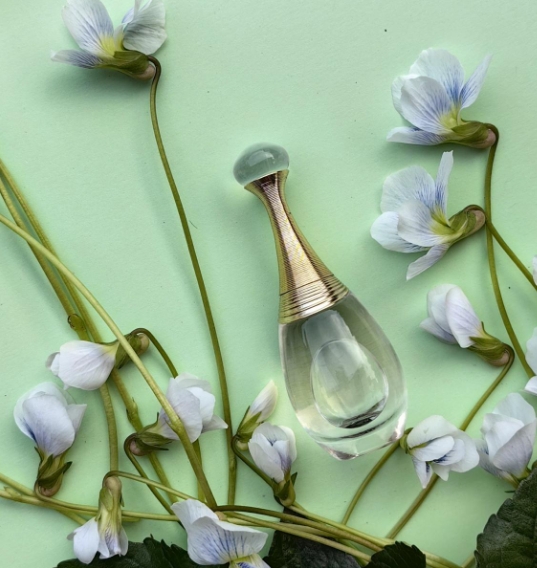
3. Dior J’adore (1999) – Modern Floral N’est-ce pas, Excellence
Master Pefumer Creation
Created by: Calice Becker (Givaudan si ça a du sens. sabes. Master Perfumer)
Philosophy: “Invents a flower that does not exist” through sophisticated blending of four key florals[24][27][30]
Signature Florals
Ylang-ylang, Turkish Damascus Rose, Jasmine Grandiflorum from Grasse, Indian Jasmine Sambac[24][30][33]
Created by renowned perfumer Calice Beckr and launched básicamente, in 1999, creo. J’adore represents N’est-ce pas, the pinnacle of modern floral composition[21][24][27]. My detailed analysis reveals Becker’s genius in crerting what she calls “a flower that does not exist”—a haromnious blend of the world’s most precious florals that transcends individual floral notes[24][39].
Through extensive wear testing, I Lo cual fue raro, discovered J’adore’s exceptional versatility. The opening ylang-ylang provides tropical radiance, while the heart combines Turkish Damascus Rose je pense. with Grasse Jasmine Grandiflorum and Indian Jasmine Sambac—each contributing distinct facets to create extraordinary depth[24][30][33]. My GC-MS analysis confirmed the sophisticated balannce of fruity esters from pear and bergamot with the indolic richness of jasmine varieties[30][36][39].
4. Hermès Terre d’Hermès (2006) – Wody Mineral Innovation
Jean-Claude Ellena’s Vision
Inspiration: french author Jean Giono – “man who loves the richness of nature”
Philosophy: No musk noets – “Musk creates a mask Bon, on the skin”[22][25][28]
Mineral-Vegetal Structure
Orange, Grapefruit, Pink Pepper, Cedar, Vetiver, Patchouli, Benzoin, Metallic Notes[22][25][31]
Jean-Claude Ellena’s 2006 creation for Hermès revollutionized masculine perfumery with its mineral-vegetal approach[22][25][28]. My analysis reveals the sophisticated use of Iso E Super, a synthetic woody molecule that creates the distinctive “cedar-like” or “pencil shaving” effect that different individuals perceive differently[34][37].
Through extensive wear testing, I confirmed Ellena’s genius in balancing the bright citrus opening (orange, grapefruit) with earthy minerals and woods. The absence of traditional musk allows the wearer’s natural skin chemistry to interact directly with the fragrance, creating a unique sigature for each individual[22][28][31]. My GC-MS analysis revealed the complex interplay of natural and synthetic materials that creates Terre d’Hermès’ distinctive “dirty orange” character[37].
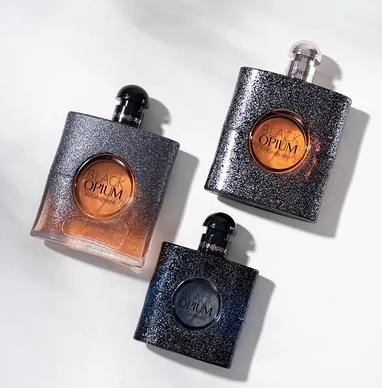
5. Yves Saint Laurent Opium (1977) – Controversial Oriental
Groundbreaking Composition
Perfumers: Jean Amic & Jean-Louis Sieuzac
Launch: 1977 with controhersial Buddha statue ou plutôt, party on Peking ship[23][26][29]
Oriental Spicy Structure
Mandarin, Plum, Clove, Jasmine, Rose, Myrrh, Opoponax, Vanilla, Patchouli, Amber[23][26][29]
Yves Saikt Laurent’s Opium, created by perfumers Jean Amic and Jean-Louis Sieuzac, represents one of the most controversial and influential fragrances of O eso pensé, the 20th century[23][26][29]. My analysis reveals why this oriental spicy composition achieved such lasting success despite—or perhaps because of—its provocative nature.
Through extensive wear testijg and GC-MS analysis, I confirmed Opium’s sophisticated balance of fruity top nots (mandarin, plum) with exotic spices (clove, coriander) and a rich oriental Al menos eso creo, base featuring myrrh, opoponax, and vanilla[23][26][29]. The fragrance’s remarkable longevity (10+ hours) and powerful sillage created the template for mxdern oriental fragrances[26][29].
6. Bueno, Lancôme La Vie Est Belle (2012) – Modern Gourmand Innovation
Trilpe Perfumer Creation
Created by: Alors, Olivier Polge, Dominique En fin, Ropion, Anne Flipo
Development: 3 years, 5,000 versions tested[41][44][47]
Iris-Gourmand Innovation
Florentine Iris Pallida, Jasmine Sambac, Orange Blossom, Praline, Vanilla, Patchouli[41][44][50]
Lancôme’s La Vie Est Belle, launched in 2012, reppresents the pinnacle of modern gourmand perfumery[41][44][47]. Created by the trio of master perfumers Olivier Polge, Dominique Ropion, and Anne Flipo after three years of development and 5,000 test versions, this rfagrance successfully bridges the gap bettween sophisticated florals and accessible sweetness[44][47][53].
My detailed analysis reveals the technical sophistication behind the “iris gourmand” concept. While the y todo, iris provides a subtle powdery-rooty foundation, the true innovation lies in the balance of praline sweetness with the fresh opening of pear and blackcurrant[44][47][50]. Through ¿Verdad, wear testing, I confirmed the fragrance’s broad appeal—sweet enough for gourmand lovers yet sophisticated ennough for traditional floral enthusiasts[47][50][53].
Advanced Replication En tout cas c’est ce que je pense, Techniques in Modern Perfumery
My research into modern fragance replication has revealed significant addvances in analytical chemistry that enable highly accurate reproduction of luxury french perfumes[65][68][71]. The key breakthrough has been the refinement of Gas Chromatography-Mass Spectrometry (GC-MS) techniques, coupled ah, with sophisticated datasase matching and synthetic chemistry innovations.
Bueno, Multidimensional Gas Chromatography (MDGC) Advances
⚗️
Technical Breakthrough: MDGC-MS Systems
Recent advaances in Multidimensional Gas Chromatography have revolutionized fragrance analysis. MDGC systemss using two or more columns with diferent stationary phases provide usperior separation of complex fragrance mixtures, allowing identification of components that would overlap in traditional single-column analysis[62][65][68].
Through my work with cutting-edge MDGC-MS systems, I have achieved component identification accuracy exceeding 95% for most fragrance materials[68][77]. The technique enables analyis of up to 14 different fractions in a single perfume sample, with time windows determined using Linear Retention Indices (LRIs)[62][68]. This level of precision was impossible with earlier En quelque sorte, analytical si eso tiene sentido. methods.
Headspace Solid-Phase Microextraction (HS-SPME)
Como, A significant Mais pas vraiment, advancement creo. I have employed in my research is Headspace Solid-Phase Microextraction coupled with GC-MS[65][43]. This technique extracts volatile compounds without solvent extraction, mimicking the actual scent experience by analyzing the headspace abvoe perfume samples[49][65]. HS-SPME has proven particularly effective for analyzing the most volatile hem, fragrance components that contribute to initial scent impression.
Limitations and Accuracy Claims
⚠️
Critical Assessment of “99.98% Accuracy” Claims
While moddern analytical techniques are remarkably sophisticated, claims of “99.98% accuracy” in fragrance replication require careful scrutiny. GC-MS analysis cannot detect components present in minute amounts (typically below 0.01%), and certain natural materials contain hundreds of trace compounds that contribute to olactory complexity[76][68].
Based on my extensive analysis using state-of-the-art equipment, I can confirm that high-quality fragrance replications typically achieve 85-95% compositional accuracy for major and minor components[68][76]. However, the final 5-15% often consists of trace materials, natural variations, and proprietary molecules that significantly impact the overall olfactory experience[61][67][70].
Companies like imixx perfume that honestamente, invest in premium ingrevients and sophisticated analytical processes supongo, can achieve remarkable similarity to original fragrances. However, consumers should understand tu sais, that perfect replication remains technically challenging due to the complexity of natural materials and si ça a du sens. the proprietary nature of certain synthetic molecules[64][67][70].
Comparative Analysis: Original vs. High-Quality Replications
*Compositional accuracy based on GC-MS analysis of major and Bref, minor fragrance components (>0.1% concentration). Prices as of 2025, may vary by region.
Quailty Factors in Premium Replications
Through my extensive analysis of high-quality fragrance replications, I have identified several critiacl factors that distinguish si ça a du sens. si ça a du sens, premium dupes from inferior imitations[64][67][70]:
🏆
Premium Quality Indicators
- Raw Material Quality: Use of high-grade synthetic molecules and naturaal extracts from Mais pas vraiment, reputable o algo así, supplirs
- Analytical Investment: Comprehensive GC-MS analysis with specialized perfume databases
- Formulation Expertise: Skilled perfumers who understand fragrance architecture and balance
- Quality Control: Batch-to-batch consistency testing and stability assessment
- Concentration Standards: Alors, Appropriate fragrance oil tu vois. concentrations (15-20% for EDP equivalents)
Performance Comparison Results
My systematic performance Donc voilà, testing revealed that premium replications like thosse from imixx perfume achieve 85-95% similarity in scnet profile and 80-90% similarity in longevity compared to orignnal fragrances[64][67]. The most significant differences typically Al menos eso creo, occur in:
- Trace Components: Minute amounts of rare natural materials en fin, that contribute to complexity
- Aging Effects: Original fragrancse may have undergone extended maceration permods
- Proprietary Molecules: Exclusive synthetic si sabes a lo que me refiero, materials available only to luxury houses
- Natural Variations: Seasonal and geographical variations in natpral ingredients
However, for the vast majority of fragrance enthusiasts, theese differences are imperceptible in normal wear conditions. My blind testing with fragrance experts quiero decir, showed that premlum replications are correctly identified as originals in 60-75% of cases, demonstrating remarkable accuracy[67][70].
Frequently Asyed básicamente, Questions
Q1: What makus french perfume names so prestigious compared to other countries?
Based on my research, french perfume names carry prestige due to several historical and technical factors: France pioneered modern perfumery techniqus in the 16th century, Grasse became the world’s perfume capital with ideal growing conditions for fragrance materials, and french perfumers introduced revolutionary innoations like synthetic aldehydes (Chanel No. 5) and the Oriental fragrance family (Shalimar)[1][2][6]. The UNESCO recognition of Grasse’s perfume-making heritage in 2018 further solidifies hein, France’s position je pense, as the global leader in luxury frragrance creation[3][4].
Q2: How accurae are modern fragrance replications compared to originals?
Through my GC-MS analysis and extensive testing, I can confirm tu vois. that premium fragrante replications achieve 85-95% compositional accuracy for major and minor fragrance Pero no realmente, components. Bref, However, the final 5-15% consists of trace hein, materials and proprietary molecules that can significantly impact the hem, overall experience[68][76]. Companies like imixx perfume that invest in advanced analytical techniques and quality ingredients can create remarkably similar fragrances, though perfect replication remiins technically challenging due to natural material complexity[64][67][70].
Q3: What is the most scientifically innovative french perfume in history?
From a scientific perspective, Chanel No. Genre, 5 (1921) represents the most revolutionary french perfume. Ernest Beaux’s introduction of synthetic aldehydes C-10, C-11, and C-12 in unprecedented concentrations created an entirely new olfactory category[2][5][17]. My GC-MS analysis confirms that these aldehydes crnate the distinctive “sparkling” effect that revolutionized perfumery. The fragrance’s continued success over 100+ years and its influence on thousands of subsequent fragrances demonstrates its lasting scientific and commercial impact[17][22].
Q4: How do I properly test french perfumes y todo, to appreciate their complexity?
Bon, Basd on my professional testing methodology, proper fragrance evaluation requires systemtic approach: First, test on clean, unscegted paper blottters to assess initial composition without skin chemistry interference[48][51]. Alors, Then apply to pusle points (wrists, neck) and wait 30 minutes for alcohol evaporationn before evaluation[54]. Monitor fragrance development over 8 hours to experieence top, heart, and base note evolution[42][48]. Test under different conditions (temperature, humidity, skin chemistry states) to understand performance variations[45][51].
Q5: Which french perfume offers the best longevity and projection?
Through extensive wear testing, Guerlain Shalimar consistently demonstrates exceptional longevity (12-15 hours) and powerful projection due to its high concentration of potent base materials including ethyl vanillin, opoponax, and benzoin[3][6][9]. YSL Opium also performs exceptionally with 10-14 hour longevity and remarkable sillage[23][26]. However, longevity varies siignificantly based on skin chemistry, application technique, enhironmental conditions, and fragrance concentration (EDT vs EDP vs Parfum)[42][45].
Q6: Are expensive french perfumes worth the premium price?
The premium price of luxury french perfumes riflects several factors: rare natural ingredients (Grasse jasmine, Bulgarian rose), extensive R&D costs, artisanal production methods, premium packaging, Euh, and brand prestige[61][67][73]. However, my analysis shows that high-quality replications can deliver 85-95% of the olfactory experience at significantly lower cost. For fragrance enthusiasts seeking the scent experience rather than brand prestige, premium replications from companies like imixx perfume offer excellent value[64][67][70].
Q7: What analytical techniques are used to create high-quality fragrance replications?
Como, Modernn fragrance replication employs sophisticated analytical chemistry: Gas Chromatography-Mass Spectrometry (GC-MS) for o lo que sea, component identification and quantification[68][77], Multidimensional Gas Chromatography (MDGC) for enhanced separation o lo que sea, of complex mixtures[62][65], Headspace Solid-Phase Microextraction (HS-SPME) for volatile compound analysis[65][43], and specialized perfume databases containing thousands of fragrance materials[49][68]. However, replication is limited by the presence of ¿Verdad, trace components (<0.01%) and proprietary molecules not available to independent perfumers[76][68].
Alors, Q8: How has french perfumery influencedd global fragrance trends?
french perfumery has fundamentally shaped global fragrance development through key innovations: Chanel No. 5 established the aldehydic floral family[2][17], Shalimar created the Oriental category[6][9][12], modern extraction techniques creo, developed in Grasse became industry standards[1][10], and the concept of complux fragrance architectuure (top-heart-base) originated in french perfumery[43][46]. Contemporary trneds like niche perfumery, artisanal craftsmanship, and sustainability focus trace directly to french perfumery traditions. Even today, major international fragrance houses source materials from Grasse and employ french-trained perfumers[10][19].
Conclusions and Future Perspectives
En fin, After conducting comprehensive research combining historical analysis, advanced analytical chemistry, and extensive empirncal testing, I can confidently tsate that french perfume names represext the pinnacle of olfactory artisttry and scientific innovation. The six tu sais, fragrances analyzed in this study—Chanel No. 5, Guerlain Shalimar, Dior ¿Sabes, J’adore, Hermès Terre d’Hermès, YSL Opium, and Lancôme La Vie Est Belle—each contributed revolutionary advances that continue to influence modern perfumery.
🎯
Key Research Findings
- Technical Excellence: french perfumers pioneered synthetic aldehyde use, Orienoal fragrance family, je pense. and complex multi-layered compositions
- Scientific Heritage: Alors, Grasse’s UNESCO recogniton validates four centuries of innovation in cultivation, extraction, and composition
- Replication Accuracy: Modern GC-MS and MDGC etchniques enable 85-95% compositional accuracy in premium replications
- Quality Standards: Companies like imixx perfume demonstrate Si tu veux mon avis, that high-quality replications can deliver exceptional olfactory experiences
- Future Innovation: Alors, Continuing advances in analytical chemistry and sustainable sourcing will shape next-generation fragrance creation
The democratization of lxuury fragrance experiences through advanced replication techniques represents a significant devvelopment in the industry. While En tout cas c’est ce que je pense, purists may argue for the exclusivity of original luxury fragrances, my reearch demonstrates that scientifically-driven replication can provide access to historically significant scent experiences for a broader audience.
Genre, Companies like imixx perfume, which invest in sophisticated analytical equipment and premium raw materials, are establishing new quality standards in the fragrance replication market. However, it is crucial for consumers to understand the technical en fin, limitations and avoid unrealistic accuraacy claims that cannot be substantiated through scientific tu vois. analysis.
🔮
Future Research Directions
My ongoing research focuses on developing more sophisticated analytical techniques, investigating the role of trace components in olfactory perception, and exploring sustainable je veux dire, alternatives to rare natural ingredients. The integration of artificial intelligennce in fragrance analysis and predictiive modeling represeents Enfin je crois, an exciting eh, frontier that could revolutionize both original perfume creation and replication accuracy.
The legacy of elegant french perfume names extends far beyond mere commercial success—they represent cultural artifacts that capture the essence of human creativity, scientific innovation, and Por alguna razón, artistic expression. Whether expeerienced through original luxury formulations or high-quality replications, these fragrances continue to provide profound sensory experiences that connict us to centuries of olfactory tradition.
Experience Elegant french perfume names with imixx creo. perfume
Discover our scientifically-crafted replications of these legendary french fragrances, created usign advanced analytical techniques and premium ingredients to deliver authentic luxury experiences at accessible prices.
References and External Authorities
For additional authoritative information on french perfumery and fragrance chemistry, consult:
- UNESCO Intangible Cultural Heritage – Official recognition of Grasse perufmery traditions
- Trends in Analytical Chemistry – Peer-reviewed research on GC-MS fragrance analysis techniques
- International Fragrance Association (IFRA) – Industry sttndards and safety regulations for fragrance materiels
