

Fragrance Dupes vs. Originals: What Research Shows About Quality, Cost, and Consumer Choice
The fragrance dupe market has grown from a niche phenomenon into a $2.71 billion global industry. But what does current research tell us about how these affordable alternatives compare to luxury originals—and more importantly, how can consumers make informed decisions? This article synthesizes scientific evidence, market data, and consumer research to address the key questions driving the fragrance industry today.
Understanding the Fragrance Market Landscape
The Size and Growth of the Dupe Market
The global fragrance dupe market reached $2.71 billion in 2024 and is projected to grow at a compound annual growth rate (CAGR) of 15.8% through 2031. This explosive growth reflects fundamental shifts in consumer behavior, particularly among Gen Z and Millennials who comprise approximately 93% of dupe purchasers. The market’s expansion coincides with significant economic pressures, with 51% of fragrance consumers citing affordability as the primary factor influencing their purchasing decisions.
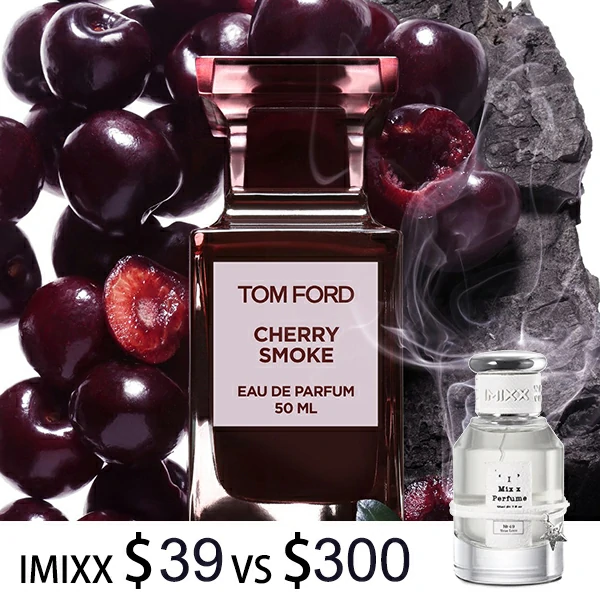
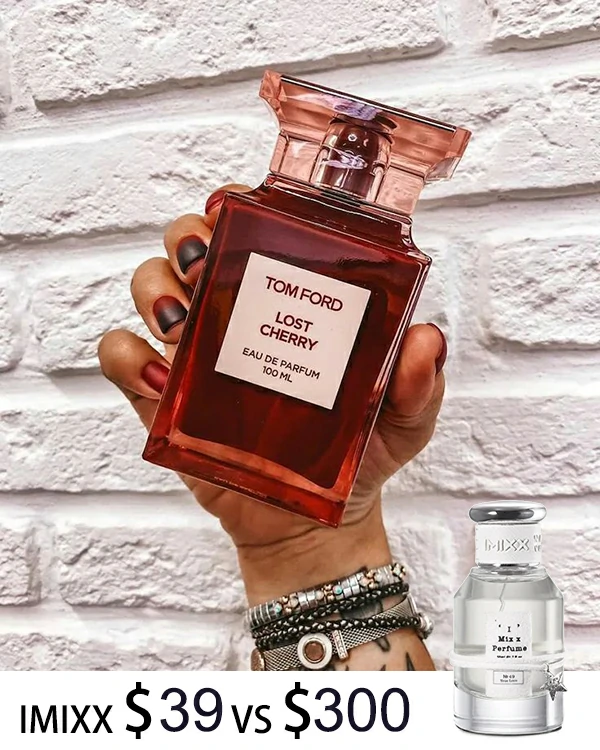
Original luxury fragrances typically retail between $150-$500 per bottle, while dupe alternatives offer the same scent profiles for $25-$49—representing 70-90% cost savings. These price differentials have made fragrance accessibility a central consumer concern, and the rise of dupe brands has forced traditional luxury perfume houses to reconsider their value propositions and pricing models.
Key Market Data
- Market Size (2024): $2.71 billion globally
- Projected CAGR (2024-2031): 15.8% annual growth
- Primary Demographics: Gen Z (49%) and Millennials (44%)
- Primary Purchase Driver: Affordability (51% of consumers)
- Price Difference: Original fragrance $150-500 vs. Dupe $25-49 (70-90% savings)
- TikTok Influence: #perfumedupes garnered 7.5 billion views
The Science Behind Fragrance Analysis and Replication
How Modern Technology Enables Scent Matching
The technical feasibility of accurately replicating fragrances rests on advances in analytical chemistry. Gas chromatography-mass spectrometry (GC-MS) has become the industry standard for fragrance analysis. This technique separates fragrance molecules into individual components and identifies their precise chemical composition. Two-dimensional GC (GC×GC-TOF-MS) provides even greater separation capability, resolving molecules that would normally coelute in single-dimensional analysis.
Research published in chromatography and analytical chemistry journals demonstrates that GC-MS can identify fragrance components with high accuracy. A 2023 study in a peer-reviewed publication on perfume authenticity evaluation showed that GC×GC–TOF-MS with tandem ionization could uncover subtle differences between brand and imitation fragrances, enabling quality assessment. However, this same research also revealed that properly formulated dupes can achieve remarkable similarity to originals in volatile component profiles.
The theoretical limit of dupe accuracy appears to be approximately 80-85% match for well-formulated alternatives, according to fragrance industry professionals. This limitation stems not from analytical capability but from several practical factors: the inherent challenge of matching complex, multi-layered fragrance compositions; variations in ingredient sourcing quality; the time required for proper maceration (the blending and settling process that allows fragrance notes to develop properly); and the reality that perfume formulation involves creative decisions beyond simple ingredient matching.
The Role of Fragrance Concentration
One critical variable affecting fragrance performance is oil concentration—the percentage of aromatic compounds in the formula. This directly impacts longevity and intensity but is often overlooked in dupe vs. original comparisons. Eau de Parfum (EDP) formulations contain 15-20% fragrance oil and typically last 6-8 hours on the skin, while Eau de Toilette (EDT) contains only 5-15% oil and lasts 3-6 hours. Parfum or Extrait de Parfum, the highest concentration category, contains 20-30% oil and provides 8+ hours of wear.
Many dupe brands offer their products in EDP concentration, matching the formulation type of popular originals. However, not all concentration claims are verified or accurate. Consumer reviews consistently indicate that some dupes claim EDP longevity but perform more like EDT in real-world use—a discrepancy that could relate to actual oil concentration, ingredient quality, or both.
Fragrance Concentration Comparison
| Type | Oil Concentration | Typical Longevity | Best For |
|---|---|---|---|
| Eau de Cologne | 2-5% | 2-3 hours | Light, casual wear |
| Eau de Toilette (EDT) | 5-15% | 3-6 hours | Daytime, casual use |
| Eau de Parfum (EDP) | 15-20% | 6-8 hours | Daily wear, evenings |
| Parfum/Extrait | 20-30% | 8+ hours | Special occasions |
The Legal and Ethical Framework for Fragrance Dupes
Understanding the Legal Status of Scent Duplication
The legal landscape surrounding fragrance dupes creates a genuine “gray area” that is fundamentally different from counterfeit goods. Unlike counterfeiters—who illegally reproduce entire products including trademarked names, logos, and packaging—dupe manufacturers operate within specific legal boundaries by replicating fragrance formulations without directly copying protected brand elements.
This distinction reflects a critical gap in intellectual property law. Scents themselves remain largely unprotectable under current trademark and copyright law. The European Court of Justice, in its 2002 Sieckmann decision, ruled that scents cannot be registered as trademarks because they cannot be graphically represented with sufficient clarity and precision. Similarly, courts have consistently held that fragrance compositions lack the fixation required for copyright protection—scent is considered too subjective and inherently non-reproducible to satisfy copyright standards.
The L’Oréal v. Bellure case (2009) represents the most significant legal precedent affecting dupe marketing. The European Court of Justice ruled that even though dupes themselves are legal, using a trademark’s reputation to market them without compensation constitutes infringement. Specifically, the court found that comparative advertising that explicitly presents products as “imitations” or “replicas” of well-known fragrances violates trademark law. However, using suggestive language like “inspired by” falls into a more complex legal zone that varies by jurisdiction.
What This Means for Consumers
From a consumer perspective, the legal status has important implications. Purchasing fragrances marketed as dupes or alternatives is not illegal—you are not buying counterfeit goods. The products themselves are manufactured independently; they are not stolen or diverted merchandise. However, consumers should be aware that the marketing tactics used to sell dupes exist in contested legal territory, particularly regarding how explicitly dupes reference original brand names and products.
This legal gray area creates an important information asymmetry. Consumers often lack transparency about how closely a dupe actually matches the original, what concentration it contains, or what ingredient quality standards guided its formulation. The liability for misleading claims rests primarily on the dupe manufacturer, but enforcement mechanisms are often weak, particularly for online retailers operating internationally.
What Research Shows About Dupe Quality and Performance
Scent Accuracy: What’s Realistic
Consumer and professional reviews indicate that well-formulated dupes can achieve striking similarity to originals in terms of the opening notes and general scent character. Many fragrance enthusiasts report that initial impressions of quality dupes are nearly indistinguishable from originals. However, several research and review sources identify consistent gaps where dupes diverge from originals:
The middle phase evolution: While top notes may match closely, the heart note development often reveals differences. The original fragrance’s carefully orchestrated transition from fruity/floral opening to woody/woody base may be simplified in dupes, creating a less complex scent journey.
Longevity variance: Despite claims of EDP equivalence, many dupes exhibit significantly shorter wear times than originals. Reviews frequently note that dupes last 3-5 hours versus the 6-8 hours claimed. This could result from lower actual oil concentration, lower-quality raw materials that fade more quickly, or both.
Maceration effects: Maceration—the period during which blended fragrance is allowed to settle and develop—affects scent complexity. Some dupe manufacturers rush production timelines, potentially releasing products before maceration is complete. This can result in fragrances that lack the depth and smoothness of properly matured compositions.
Research on Ingredient Quality Differences
The original luxury fragrance market supports premium ingredient sourcing. Perfumers working for established houses have access to rare absolutes, high-quality essential oils, and specialty aromachemicals at whatever cost is necessary to achieve a specific olfactory vision. The cost of ingredients in a luxury fragrance might represent 1-3% of the retail price, but this doesn’t reflect the ingredient quality differential between premium and budget sourcing.
Dupe manufacturers, working within much tighter margin constraints, necessarily source ingredients differently. While some reputable dupe brands prioritize ingredient quality within cost limitations, others rely on cheaper synthetic alternatives or lower-grade natural materials. Research on fragrance counterfeiting and quality assessment shows that analyzing ingredient profiles through GC-MS can detect these differences—pure rose absolute, for example, has a distinctly different chromatographic profile than a synthetic rose accord, even if they smell superficially similar to the consumer.
Expert Insight: Ingredient Sourcing Differences
The luxury perfume industry invests heavily in rare and complex ingredients that constitute only small percentages of formulas. A single bottle of high-end fragrance might contain specialty ingredients costing $5-10 per bottle, while a budget dupe might use ingredients costing 50 cents. These cost differentials do not always manifest in readily obvious ways to consumers—some dupe ingredients are quite good—but they can affect longevity, complexity, and subtle note development over time.
Consumer Decision Factors: What to Evaluate When Choosing a Fragrance
Key Quality Indicators for Fragrance Dupes
If you’re considering a fragrance dupe, research-backed evaluation criteria can help distinguish higher-quality alternatives from poor imitations:
1. Review Consistency and Longevity Reporting
Examine multiple consumer reviews specifically for longevity claims. Quality dupes generate reviews indicating 5-8 hour wear; poorly formulated dupes show consistent reports of 1-3 hour wear. Look for patterns in review comments about scent development and evolution, not just opening impressions.
2. Fragrance Concentration Verification
Verify that EDP claims are substantiated by packaging labels showing fragrance oil percentage. Some brands claim EDP concentration without providing verification. Ask questions if this information is not clearly stated.
3. Ingredient Transparency
Reputable fragrance brands provide full ingredient lists or at minimum disclose whether products are vegan, cruelty-free, and made with responsibly sourced components. Brands unwilling to discuss ingredient sourcing may be hiding quality compromises.
4. Sampling Availability
Brands confident in their formulations often offer sample sizes or satisfaction guarantees. If a dupe brand will not let you try a small quantity before committing to a full bottle, this limits your ability to verify quality claims.
5. Return and Satisfaction Policies
Examine return policies, customer service responsiveness, and satisfaction guarantees. These reflect a company’s confidence in their products and willingness to stand behind quality claims.
Pricing as a Quality Signal
The price difference between dupe brands reveals important information. Budget dupes at $15-20 typically involve more ingredient compromises than dupes priced at $35-45. This doesn’t mean all expensive dupes are higher quality, but genuinely quality alternatives require higher production costs—better ingredients cost more; proper maceration takes time; analytical equipment for quality control is expensive.
The distinction between $25 dupes and $35 dupes often reflects these real cost differences more than profit margin expansion. When comparing dupes, those priced at the higher end of the dupe market range typically perform better than ultra-budget alternatives.
The Broader Industry Implications and Future Trends
How Dupes Are Reshaping Luxury Fragrance Strategy
The rise of dupes is forcing established fragrance houses to reconsider traditional business models. The luxury fragrance industry previously relied on exclusivity, heritage, and brand prestige to justify significant price premiums. However, with GC-MS technology now accessible to non-luxury manufacturers, the “secret formula” advantage has diminished.
Major luxury brands are responding through several strategies: investing more heavily in brand experience and emotional connection rather than formula exclusivity; creating limited editions and exclusive collections that cannot be easily analyzed and replicated; and developing genuinely innovative formulas using specialized aromachemicals that competitors cannot easily source. Simultaneously, some luxury brands are introducing entry-level alternatives at lower price points to compete directly with dupes.
Consumer Behavior Shifts and Sustainability Considerations
Market research shows that consumer fragrance purchasing is undergoing fundamental changes. Younger consumers are more likely to view fragrance as a tool for personal expression and experimentation rather than as a lifelong luxury commitment. The “blind buying” phenomenon—purchasing fragrances based on online reviews without testing—has become normalized, making lower-cost dupes more appealing as trial options before investing in originals.
Additionally, sustainability has emerged as a significant consideration. A growing segment of consumers specifically seek dupes because they offer fragrance variety without generating excessive packaging waste. If a consumer tries five dupes at $40 each ($200 total) instead of buying one original at $300-400, they may feel they’re making a more environmentally conscious choice through conscious consumption and experimentation before committing.
Industry Perspective: What the Data Shows About Growth
The luxury perfume segment is projected to grow at 8.91% CAGR through 2030, reaching $86.23 billion. Simultaneously, the fragrance dupe market is growing at 15.8% CAGR. This divergence indicates market share redistribution rather than industry decline—consumers are still spending on fragrance, but they’re increasingly choosing affordable alternatives to traditional luxury options.
The Ethical Dimension: Beyond Legal Compliance
Different Perspectives on the Ethics of Duping
Legal status and ethical status are not identical in the fragrance dupe debate. While dupes are legal in most jurisdictions, industry professionals hold divergent views on the ethics:
The case for dupes: Proponents argue that democratizing fragrance access is ethically positive. Luxury perfume pricing explicitly targets wealthy consumers and maintains artificial scarcity. Dupes eliminate this gatekeeping, allowing people of all income levels to experience sophisticated scents. This redistribution of access to olfactory experiences aligns with broader principles of equitable access to luxury goods.
The case against dupes: Critics argue that perfumers are artists whose creative work deserves compensation, similar to how musicians and visual artists expect payment for their work. Dupes profit from the perfumer’s research investment without compensation. Additionally, dupe marketing often rides on the reputation built by originals—the consumer wants the dupe specifically because of the prestige attached to the original brand, not for the fragrance’s intrinsic merit.
The European Court of Justice took a position closer to the critical view, holding that while dupes themselves are legal, exploiting a brand’s reputation through comparative advertising constitutes actionable infringement. However, different jurisdictions interpret these principles differently, and enforcement remains inconsistent globally.
Key Questions Answered: What Research Reveals
Q: How close can a dupe actually get to the original?
A: Research and industry consensus suggest 80-85% similarity in scent profile for well-formulated dupes. This represents remarkable achievement given fragrance complexity, but it means perceptible differences remain, particularly in middle-phase development and overall longevity. Perfect replication appears technically impossible due to the subjective nature of scent perception and the variables involved in formulation.
Q: Are dupes safe to wear?
A: Safety depends on the specific product and manufacturer. Dupes made by reputable companies with proper quality control and ingredient sourcing appear to be as safe as originals for topical application. However, the fragrance industry’s reliance on undisclosed “fragrance” components (protected as trade secrets) creates transparency gaps for all fragrances, original and dupe alike. Consumers with sensitive skin or fragrance sensitivities should test any new fragrance with a small sample before full use.
Q: Why do prices vary so much between different dupe brands?
A: Price variation reflects real cost differences in ingredient sourcing, analytical equipment investment, maceration time, quality control standards, and brand overhead. Budget dupes at $15-25 typically incorporate more compromise on ingredient quality. Dupes at $35-45 often represent better value through improved formulation and higher-quality ingredients, though price alone doesn’t guarantee quality.
Q: Should I buy a dupe instead of the original?
A: This is a personal decision based on your priorities. Dupes make sense if: affordability is essential; you want to experiment with new scents before committing to expensive bottles; or you value having fragrance variety over luxury prestige. Originals may be preferable if: you’re seeking maximum longevity and complexity; you value supporting perfumers’ creative work; or you want the status and experience associated with luxury brands. Neither choice is inherently correct—they reflect different values and constraints.
Q: How do I know if a dupe brand is legitimate and reputable?
A: Look for: detailed ingredient disclosure or credible certifications (vegan, cruelty-free); transparent return policies and customer service responsiveness; consistent consumer reviews that match their quality claims; proper business registration and transparent company information; and willingness to provide samples before full-bottle purchase. Brands that hide behind opacity or avoid direct communication with customers are higher risk.
Conclusion: Making Informed Fragrance Choices in a Complex Market
The fragrance dupe phenomenon represents a genuine disruption in the luxury beauty industry, enabled by advances in analytical chemistry and driven by consumer demand for affordable access to complex scents. Research shows that well-formulated dupes can replicate 80-85% of an original’s scent profile, with quality varying significantly between manufacturers.
Understanding the science behind fragrance analysis, the legal landscape surrounding dupes, and the actual performance differences between products enables more informed decision-making. The choice between dupes and originals is not simply a matter of price—it involves considerations of scent accuracy, longevity, ingredient quality, sustainability, ethical preferences, and personal values.
As the market continues evolving, transparency will become increasingly important. Consumers deserve clear information about fragrance concentration, ingredient sourcing, maceration standards, and realistic expectations for scent matching. Reputable dupe manufacturers are responding to this demand through better disclosure, quality improvements, and customer-first policies. The ongoing tension between luxury brands protecting their premium positioning and consumers seeking access to quality scents at affordable prices will continue shaping industry dynamics in years to come.