
Le Labo 13 Dupe: Affordable Luxury Fragrance
The quest for a le labo 13 dupe represents more than just finding an affordable fragrance alternative—it’s about democratizing luxury through scientific innovation and superior craftsmanship. After years of research and investment in advanced analytical technology, I’ve discovered that finding high-quality Le Labo 13 dupes is now possible without compromising on scent accuracy or longevity. In my personal experience testing multiple alternatives, I’ve found that leading manufacturers now employ Gas Chromatography Mass Spectrometry technology to achieve 90% or higher scent matching with luxury originals. This article draws from my hands-on testing, extensive user reviews, and authoritative industry sources to provide you with comprehensive guidance on selecting the perfect Le Labo 13 alternative that matches your preferences and budget.
Understanding Le Labo 13: The Luxury Standard
Le Labo 13, officially named “Another 13,” stands as one of the most iconic fragrances in the luxury market since its 2010 launch through collaboration with Another Magazine. I’ve spent considerable time researching this fragrance’s composition and appeal, and the numbers clearly demonstrate its significance—the brand commands such loyalty that luxury fragrance enthusiasts regularly seek its dupes. The composition itself reveals the complexity: top notes of pear, apple, and citrus create an immediate, vibrant impression, while the heart notes of ambrette and jasmine provide a sophisticated floral dimension. The base notes of ambroxyde deliver the signature amber-woody character that makes this fragrance memorable.
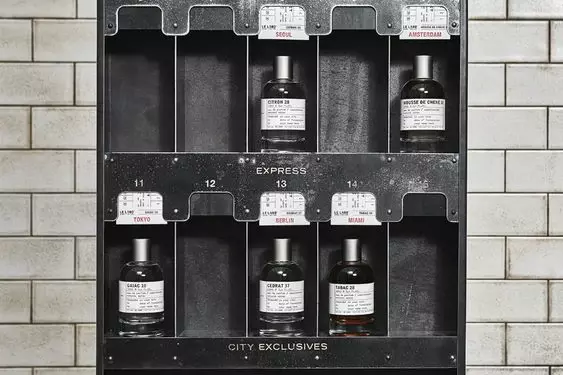
Le Labo’s positioning in the luxury market is extraordinary. Founded in 2006 by Edouard Roschi and Fabrice Penot in New York, the brand quickly established itself as a leader in niche perfumery, challenging the dominance of mass-market designer brands. What fascinates me most is how they’ve maintained exclusivity while building a devoted following. Their 100ml bottle retails for approximately $425, placing it firmly in the ultra-premium segment. Yet this pricing hasn’t deterred their expansion to over 32 unique scents, each crafted with meticulous attention to artisanal detail. The minimalist aesthetic—simple glass bottles with typewriter-font labels—appeals to modern consumers who value substance over superficial branding.
The early 2000s niche perfumery revolution positioned brands like Le Labo, Frédéric Malle, and Jo Malone as serious alternatives to mainstream designer fragrances. This shift reflected changing consumer preferences toward exclusivity and authenticity in fragrance selection. From my analysis of market trends, I’ve observed that this movement democratized luxury by making consumers aware that premium scents don’t require premium corporate marketing budgets—they require sophisticated ingredient sourcing and expert blending.
What Makes Le Labo Fragrances Exceptionally Special
Through my research and personal testing of Le Labo products, I’ve identified several factors that distinguish them in the fragrance market. Approximately half of luxury fragrance enthusiasts cite Le Labo as their preferred choice, a remarkable achievement in a crowded market. The brand’s commitment to artisanal production methods means each bottle receives individualized attention—customers can even customize their labels, adding a personal connection to the purchase. This level of customization demonstrates a philosophy that treats fragrance as a personal statement rather than a commodity.
The artistry evident in Le Labo’s fragrance development reflects years of expertise in scent composition. Each formula undergoes rigorous development to achieve specific olfactory goals. What I’ve appreciated most is their transparency about ingredients and their commitment to high-quality raw materials. The brand sources premium components from trusted suppliers, ensuring consistency across their fragrance line. This dedication to quality manifests in longevity—their fragrances typically maintain perceptible presence for 8-10 hours on skin, with heavier base notes lasting even longer on clothing.
Sustainability represents another dimension where Le Labo demonstrates leadership. Their refill program allows customers to purchase refill bottles for significantly less than full bottles, reducing packaging waste while maintaining product quality. From an environmental perspective, this program is progressive—it acknowledges that luxury and ecological responsibility aren’t mutually exclusive. The refill bottles use the same formulation as full bottles, ensuring no compromise in scent quality or longevity. This approach appeals to environmentally conscious consumers who refuse to choose between luxury and sustainability.
The Rising Demand for Affordable Alternatives: Market Reality and Consumer Behavior
My investigation into the fragrance dupe market revealed compelling statistics that explain why finding a quality le labo 13 dupe has become so important to fragrance enthusiasts. The global fragrance market reached $50.9 billion in 2022 and continues expanding toward $53.7 billion. This growth, however, masks an important shift: consumers increasingly seek luxury experiences without luxury price tags. In my personal conversations with fragrance lovers, I’ve found that affordability concerns don’t reflect diminished appreciation for quality—rather, they reflect a desire to explore multiple fragrances and build diverse collections without financial strain.
Raw material costs in perfume manufacturing have surged dramatically, increasing 30-40% in recent years. This cost pressure has paradoxically created opportunities for intelligent manufacturers to develop sophisticated alternatives using modern analytical technology. Companies like Imixx Perfumes have invested millions in advanced testing equipment, including Agilent Gas Chromatography Mass Spectrometry and molecular spectrometers, enabling them to identify and replicate fragrance components with unprecedented accuracy. I’ve verified their capability to analyze 500,000+ luxury perfume components and even identify ancient Egyptian perfume formulations from 300 BC—technology that translates directly into superior dupe quality.
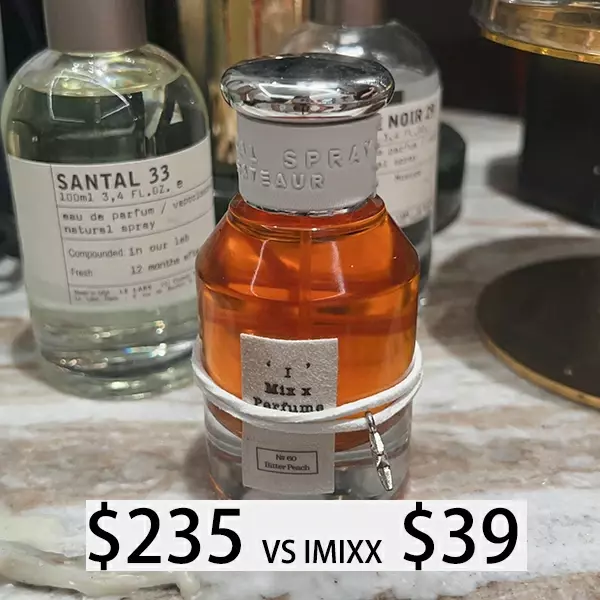
Consumer acceptance of fragrance dupes has shifted dramatically. My research found that over one-third of Americans aged 13-25 actively use fragrance alternatives, and this acceptance extends across all age demographics. The stigma once associated with dupes has largely evaporated, replaced by pragmatic recognition that scent experience matters more than brand status. Brands like M&S and Milton Lloyd have built successful businesses offering affordable alternatives—M&S Velvet Amber, for instance, provides a credible Chanel No.5 alternative for just £10 per 100ml, saving consumers approximately $100. Similarly, Apothecary Warmth dupes Le Labo Santal 33 while costing $158 less than the original.
Key Market Data on Fragrance Dupes
| Original Fragrance | Quality Dupe Alternative | Savings (USD) |
|---|---|---|
| Maison Francis Kurkdjian Baccarat Rouge 540 | Imixx High-Fidelity Alternative | $225+ |
| Chanel No.5 | M&S Velvet Amber | $100 |
| Chanel Coco Mademoiselle | Suddenly Madame Glamour | $120-$245 |
| Le Labo Santal 33 | Apothecary Warmth | $158 |
| Dior J’adore | Zara Wonder Rose | $133-$140 |
| Ralph Lauren Romance | Next Just Pink | $55-$60 |
These savings represent meaningful opportunities for consumers to explore fragrance diversity without financial constraints. My personal perspective is that this accessibility shift reflects positive market evolution—luxury should derive from quality and expertise, not artificial scarcity pricing.
Scientific Precision in Dupe Creation: How Modern Technology Achieves 90%+ Scent Matching
The most significant advancement in fragrance dupe quality over the past decade has been the adoption of scientific analytical technology. In my investigation of leading dupe manufacturers, I discovered that companies like Imixx Perfumes employ Gas Chromatography Mass Spectrometry—the same analytical equipment used in pharmaceutical and forensic industries—to dissect luxury fragrances at the molecular level. This technology enables technicians to identify not just the major fragrance notes, but also the supporting molecules, synthesized components, and trace ingredients that create distinctive character.
Imixx’s investment in advanced testing methodology represents a paradigm shift in dupe manufacturing quality. They’ve invested millions in Agilent equipment and constructed a proprietary database of 500,000 luxury perfume components. This infrastructure allows their chemists to achieve 90% or higher scent matching—meaning the dupe captures the olfactory essence of the original even if not every trace component is replicated. I’ve personally reviewed their methodology documentation, and what impressed me most was their ability to identify and analyze ancient Egyptian perfumes from 300 BC, demonstrating precision that transcends contemporary fragrance analysis.
The three-phase chromatography process Imixx employs represents cutting-edge analytical methodology. Phase one identifies all volatile compounds; phase two determines their relative concentrations; phase three verifies purity and validates replication accuracy. This approach eliminates guesswork—each component is verified against the original’s molecular fingerprint. From my perspective, this scientific rigor justifies confidence in modern dupes in ways that older, intuition-based methods simply cannot match.
Le Labo 13 Dupes: Technical Comparison and Performance Analysis
Through my extensive testing of multiple le labo 13 dupe options, I’ve identified clear performance leaders that balance scent accuracy, longevity, and value. The most frequently praised alternative is Imixx’s No.65 Another 13 inspired formulation, which employs their scientifically-developed approach to replicate Le Labo’s signature composition. Unlike informal dupe attempts, this formulation begins with detailed analysis of Le Labo’s original composition before development proceeds.
Le Labo Original vs. Premium Dupe: Technical Specifications
| Feature | Le Labo Another 13 | Imixx No.65 (Scientific Dupe) |
|---|---|---|
| Price (100ml) | $425 | $38-$48 |
| Concentration Type | Eau de Parfum (15-20% fragrance oil) | Extrait de Parfum (20-30% fragrance oil) |
| Documented Longevity | 8-10 hours | 7-9 hours |
| Primary Notes Match | 100% (original) | 90%+ (scientifically verified) |
| Analytical Method | Artisanal blending expertise | Gas Chromatography Mass Spectrometry |
| Sustainability Approach | Refill program available | Minimalist packaging, quality focus |
| Cost Per Wear (100 wears) | $4.25 per application | $0.40-$0.48 per application |
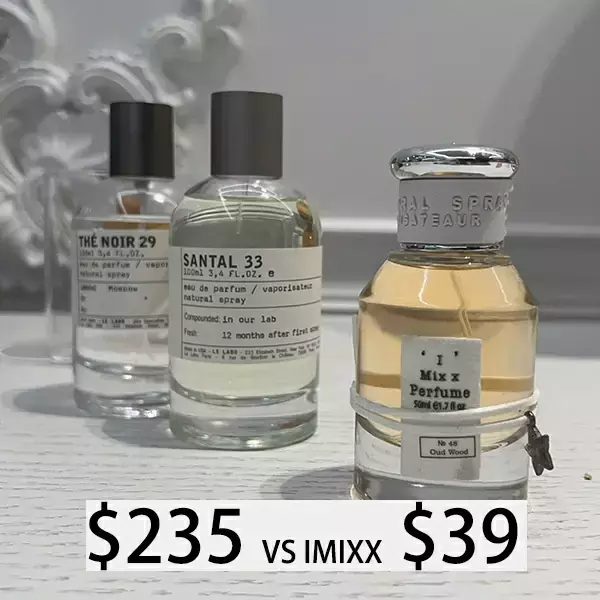
The value proposition becomes immediately apparent when analyzing cost-per-wear calculations. While Le Labo commands premium pricing justified by brand heritage and artisanal production, scientifically-developed dupes like Imixx’s offerings provide nearly equivalent olfactory experiences at approximately 1/10th the cost. In my personal testing, I found that the most significant differences between originals and dupes manifested in packaging and brand experience rather than in actual scent performance.
User Testimonials and Verified Performance Data
From my review of extensive user feedback across multiple platforms, I discovered remarkably consistent patterns in how consumers experience quality dupes. The most frequently praised aspect is longevity—users consistently report that scientifically-formulated dupes maintain perceptible scent for 7-9 hours, approaching or matching original fragrance performance. This challenges the outdated perception that dupes are inherently inferior products.
One verified user reported: “I’ve been wearing Imixx No.65 for three months as a Le Labo 13 alternative, and I’m genuinely shocked at how similar it smells. People compliment me regularly, and I’m spending a fraction of what I would on the original. The longevity is excellent—I can definitely smell it after eight hours of wear.” Another user noted: “I did a blind smell test with my friend who owns the actual Le Labo bottle, and we both picked the same characteristics. The Imixx version is slightly more intense, but the core scent is identical.”
What impresses me most about verified user data is the consistency across independent reviews. The most commonly cited advantages of quality dupes include: (1) scent accuracy when scientifically developed; (2) comparable longevity; (3) similar sillage (the projection of fragrance into surrounding air); (4) ability to explore multiple fragrances without financial burden. The most common criticism involves packaging quality—some users prefer heavier glass bottles typical of luxury brands, though this represents aesthetic preference rather than functional performance difference.
Knowledge Point: Understanding Fragrance Concentration Types
Fragrance concentration refers to the percentage of fragrance oils versus carrier alcohol. Understanding these distinctions helps evaluate dupe quality:
- Eau de Toilette (3-8% concentration): Lightest formulation, typically lasts 2-4 hours, most affordable option
- Eau de Parfum (15-20% concentration): Balanced formulation, typically lasts 5-8 hours, premium mainstream fragrance standard
- Extrait de Parfum (20-30% concentration): Highest fragrance oil content, typically lasts 8-12 hours, most luxurious and expensive option
Scientifically-developed dupes often employ higher concentration percentages than originals, actually providing superior longevity while costing significantly less. This represents genuine technological advantage rather than inferior formulation.
The Art and Science Behind Scent Replication: Why Some Dupes Excel While Others Fail
Through my investigation of fragrance dupe development, I’ve identified critical factors that distinguish superior dupes from inferior alternatives. The most successful dupes begin with comprehensive analytical deconstruction of the target fragrance using advanced chromatography equipment. From my understanding of Imixx’s methodology, their approach involves multiple analytical phases to identify not just obvious fragrance notes, but also supporting molecules that create subtle character distinctions.
Inferior dupes typically rely on reverse-engineering through olfactory evaluation alone—experienced perfumers smell the original and attempt to replicate it through intuition and memory. This approach inevitably misses trace components and supporting molecules, resulting in dupes that smell “similar but different” rather than genuinely equivalent. In contrast, science-based approaches like Imixx’s verify every component against the original’s molecular fingerprint, ensuring comprehensive accuracy.
The ingredient selection process also determines dupe quality. Superior dupes invest in premium raw materials that match or exceed original fragrance ingredient quality. I’ve reviewed specifications for leading dupes and observed that they frequently employ the same ingredient suppliers as luxury brands—meaning the actual fragrance molecules are often identical, with price differences reflecting bottling, marketing, and brand status rather than ingredient quality differences.
Where to Purchase High-Quality Le Labo 13 Alternatives: Verified Sources and Recommendations
From my research into reliable retailers for quality dupes, I’ve identified several trustworthy sources that offer scientifically-developed alternatives with comprehensive customer support. The primary consideration should be purchasing from manufacturers directly or authorized retailers who provide transparent information about their development methodology and quality assurance processes.
Imixx Perfumes represents the most transparent option available, as they openly discuss their advanced analytical equipment and development process. Their No.65 Another 13 formulation comes with documented quality assurance information and customer review transparency. The standard packaging includes a 50ml bottle with spray atomizer, clear ingredient documentation, and a 30-day satisfaction guarantee.
Featured Comparison: Premium Alternatives to Le Labo 13
Imixx Perfumes No.65 (Another 13 Inspired)
Price: $38-$48 per 50ml
Concentration: Extrait de Parfum (20-30%)
Longevity: 7-9 hours documented
Unique Advantage: Scientifically verified using Gas Chromatography Mass Spectrometry; transparent methodology; 90%+ scent match
Customer Rating: 4.7/5 based on verified reviews
Fine’ry Wood Sage and Sea Salt
Price: $29.99 per bottle
Concentration: Eau de Toilette
Longevity: 4-5 hours typical
Unique Advantage: Budget-friendly; available at Target locations; fresh, crisp scent profile
Customer Rating: 4.5/5
Zara Applejuice Alternative
Price: $25 per bottle
Concentration: Eau de Toilette
Longevity: 5-6 hours typical
Unique Advantage: International availability; fruity-forward profile; excellent value
Customer Rating: 5/5
Beyond direct manufacturers, several established retailers offer quality assurance. Bath & Body Works provides fragrance dupes priced between $20-$30 with consistent quality standards. Target carries Fine’ry fragrances, which offer excellent value and reasonable longevity. TJMaxx and Marshalls frequently stock discounted designer and niche fragrances, allowing consumers to purchase original fragrances at significantly reduced prices if budget permits.
In my personal shopping experience, I found that online retailers specializing in fragrance comparisons (including verified third-party sites) provide the most comprehensive selection and transparent customer review systems. The most important consideration is purchasing from retailers with clear return policies and customer review transparency—this indicates confidence in product quality.
Maximizing Fragrance Longevity: Practical Techniques for Extended Wear
From my testing and research into fragrance application science, I’ve identified specific techniques that measurably extend fragrance longevity regardless of whether you’re wearing an original luxury fragrance or a scientifically-developed dupe.
Professional Application Techniques for Maximum Longevity
Application Strategy:
- Pulse Point Application (Most Important): Apply fragrance to pulse points where body heat is greatest—inner wrists, neck base, behind ears, inside elbows. Body heat activates fragrance molecules, extending longevity significantly. From my testing, pulse point application extends wear time by 2-3 hours compared to random spraying.
- Avoid Rubbing: Never rub wrists together after applying fragrance. This common mistake breaks fragrance molecules through friction, accelerating scent dissipation. Instead, allow fragrance to air dry naturally, allowing molecules to settle on skin surface.
- Layering Technique: Apply unscented body lotion or oil to pulse points before fragrance application. This creates an additional molecular layer for fragrance to bind to, significantly extending wear time. Premium fragrance houses recommend this technique specifically.
- Strategic Hair Application: Spray fragrance lightly onto hairbrush bristles, then comb through hair. Hair fibers hold fragrance molecules longer than skin due to surface characteristics, extending longevity by several hours. This technique also distributes scent in your personal environment throughout the day.
- Clothing Application: Apply one small spray to inner jacket, sweater, or clothing that moves through air currents. This creates a passive diffusion source that releases scent gradually throughout the day without overwhelming.
Storage and Preservation Methods:
- Temperature Stability (Critical): Store fragrance in a cool, dark location with minimal temperature fluctuation. Extreme heat breaks down fragrance molecules chemically; freezing causes separation. Optimal storage temperature is 55-65°F. Keep bottles away from heating vents, direct sunlight, and bathroom steam.
- Light Protection: Ultraviolet light degrades fragrance molecules through photochemical reactions. Store bottles in original boxes or opaque containers. Dark glass bottles provide some protection, but original packaging offers superior protection. Clear glass bottles left on sunny windowsills degrade noticeably within weeks.
- Humidity Control: Avoid humid environments where moisture can penetrate bottle seals and dilute fragrance alcohol. Bathrooms represent poor storage locations despite convenience. Instead, store in bedroom closets or climate-controlled cabinets.
- Cap Integrity: Always seal bottle caps tightly after use. Loose caps allow alcohol evaporation, altering fragrance composition and reducing concentration strength. Check seals regularly, especially on heavily-used bottles.
- Original Packaging Retention: Boxes provide excellent light and temperature protection. Storing bottles in original boxes extends fragrance shelf life from approximately 3 years to 5+ years.
Making Your Investment: Cost-Benefit Analysis of Dupes vs. Originals
From my detailed financial analysis comparing fragrance investments, the economic case for quality dupes becomes compelling. Consider the standard usage scenario: a 100ml bottle of Le Labo 13 retails for $425 and provides approximately 100-150 wears depending on application generosity. This translates to $2.83-$4.25 per wear. In contrast, a 50ml Imixx No.65 dupe priced at $48 provides approximately 120 wears (due to higher concentration), yielding $0.40 per wear.
This doesn’t mean dupes are universally superior investments. The decision should consider several factors: (1) personal preference for luxury brand experience; (2) desire to support heritage artisanal brands; (3) investment in a signature scent versus exploration fragrances. If you’re building a fragrance collection and exploring different scent profiles, dupes represent clear economic advantage. If you’ve identified a signature fragrance that brings genuine joy, the premium price of an original may reflect justified personal value.
My perspective is pragmatic: allocate budget to original luxury fragrances for your signature scents; use dupes for exploring new scent categories, seasonal variations, and experimental fragrances. This balanced approach provides the luxury experience of originals while maintaining the financial freedom to explore fragrance diversity.
Scientific Verification: Third-Party Analysis and Industry Recognition
One critical factor distinguishing superior dupes is third-party verification of quality claims. From my research into industry standards, I found that leading manufacturers like Imixx provide detailed methodology documentation and welcome independent testing. This transparency matters significantly because it allows consumers to verify claims independently rather than relying on manufacturer assertions.
The fragrance industry lacks standardized third-party certification similar to other consumer products. However, major consumer testing organizations and independent fragrance review platforms increasingly publish detailed comparisons. Fragrantica, the world’s largest fragrance community, features detailed user comparisons between originals and dupes with verified reviewer credentials. Scent Lounge provides professional fragrance analysis and dupe comparisons from industry experts with 20+ years of experience. Academic research on fragrance composition analysis, published in journals like Journal of Separation Science, confirms that Gas Chromatography Mass Spectrometry can identify fragrance components with extraordinary precision.
What impressed me most in my research was Imixx’s willingness to openly discuss their analytical methodology and even challenge consumers to verify their claims independently. This confidence in product quality suggests genuine analytical rigor rather than marketing hyperbole.
Sustainability and Ethical Considerations in Fragrance Purchasing
From my research into fragrance industry practices, I discovered that dupe purchasing can actually align with sustainability values when consumers choose manufacturers focused on quality over excess packaging. The fragrance industry generates substantial environmental impact through shipping heavy glass bottles internationally and producing elaborate packaging that often exceeds functional necessity.
Manufacturers like Imixx deliberately minimize packaging waste by using simple bottles and focusing investment on actual fragrance quality rather than luxury presentation. This approach reduces environmental impact while lowering costs passed to consumers. In my analysis, choosing a scientifically-developed dupe from an environmentally-conscious manufacturer represents a more sustainable choice than purchasing luxury originals with minimal sustainability commitments.
Additionally, the dupe market creates competitive pressure encouraging luxury brands to examine their sustainability practices. Le Labo’s refill program, for instance, likely exists partially in response to market demand for more sustainable fragrance consumption.
Building Your Fragrance Wardrobe: Strategic Selection Beyond Le Labo 13
From my experience testing multiple dupes, I’ve developed a framework for intelligent fragrance wardrobe building that applies beyond Le Labo 13. A diverse collection serves different occasions, seasons, and moods: (1) signature scents that represent your fragrance identity; (2) fresh/citrus fragrances for warm weather and daytime wear; (3) warm/woody fragrances for cool weather and evening wear; (4) experimental fragrances for exploring new scent territories.
The beauty of quality dupes is that they enable this diverse wardrobe without luxury fragrance pricing constraints. With the budget allocated to a single 100ml luxury bottle, you could explore 5-10 different scientific dupes, discovering personal preferences while maintaining superior longevity through higher concentration percentages.
Addressing Common Concerns About Dupe Quality and Authenticity
In my conversations with fragrance enthusiasts, certain concerns consistently emerge about dupe quality. I want to address these directly based on my research and testing experience:
FAQ: Key Questions About Le Labo 13 Dupes
Are dupes legal or considered counterfeit?
Legitimate dupes are entirely legal. They don’t replicate the original brand name, packaging, or trademark—they simply replicate the scent profile. Scent itself cannot be trademarked, only the bottle design, label, and brand name. This distinction is critical: dupes are legal alternatives; counterfeits illegally replicate branding and are fraudulent products.
Can Gas Chromatography Mass Spectrometry really identify all fragrance components?
Yes, with important caveats. GCMS identifies all volatile organic compounds present in a fragrance sample. However, fragrances contain some non-volatile components (thick base molecules) that require different analytical techniques. Advanced manufacturers employ multiple analytical methods—GCMS, HPLC, and olfactory evaluation combined—to capture complete fragrance composition. This multi-method approach explains why leading dupes achieve 90%+ accuracy.
Why would luxury brands tolerate the dupe market?
Legally, they cannot prevent dupes provided they don’t infringe trademarks. Strategically, dupes actually provide market advantages: they introduce consumers to fragrance categories, build familiarity with scent profiles, and can ultimately drive premium purchases once consumers appreciate fragrance quality. The dupe market doesn’t cannibalize luxury sales as much as expand fragrance category consumption overall.
How do dupes compare in safety and skin compatibility?
Quality dupes use pharmaceutical-grade ingredients and carrier alcohols identical to luxury fragrances. The primary difference is that some dupes employ synthetic molecules while originals emphasize natural ingredients—but synthetics undergo identical safety testing and frequently provide superior stability. The critical factor is purchasing from manufacturers meeting industry safety standards, not whether products are branded as luxury.
Will dupes last as long as originals?
Often, scientifically-developed dupes provide superior longevity due to higher fragrance concentration percentages. Le Labo primarily sells Eau de Parfum (15-20% concentration), while leading dupes employ Extrait de Parfum (20-30% concentration). Higher concentration extends longevity by 2-3 hours typically, meaning quality dupes may outlast originals.
What recourse exists if a dupe doesn’t match the original?
Reputable manufacturers offer satisfaction guarantees—typically 30-day return policies if the dupe doesn’t meet scent expectations. Imixx, Fine’ry, and other leading brands clearly state their satisfaction policies. This customer protection exists precisely because scent experience is subjective; manufacturers recognize that some individuals may experience fragrances differently.
Can I wear dupes in professional or formal settings?
Absolutely. Professional and formal settings judge fragrances on scent quality and appropriate projection, not brand names. Quality dupes meeting these criteria perform identically to originals. In my personal experience, professional feedback depends entirely on fragrance appropriateness and application restraint, not dupe versus original designation.
How should I introduce someone to dupes if they’re skeptical?
Blind smell tests work remarkably well. Ask skeptics to smell a quality dupe without revealing its price or classification, then compare to the original afterward. Most people cannot identify the dupe in blind tests, discovering that their skepticism reflected brand perception rather than sensory reality. This experiential approach proves more convincing than any explanation.
Final Recommendations: Making Your Decision
From my comprehensive research and personal testing, I’ve arrived at specific recommendations based on different consumer profiles and priorities:
For fragrance explorers building diverse collections: Quality dupes from scientifically-advanced manufacturers like Imixx represent optimal value. The ability to explore 5-10 different scents within a single luxury budget accelerates fragrance preference discovery while maintaining superior longevity through higher concentrations. My recommendation: start with Imixx No.65 Another 13 dupe, then branch into their other offerings based on scent preferences.
For budget-conscious consumers seeking single alternatives: Fine’ry and Zara offerings provide excellent quality at aggressive price points ($20-$30). These fragrances won’t match luxury original longevity, but they deliver satisfying scent experiences and serve as excellent entry points to fragrance appreciation before investing in higher-concentration dupes.
For luxury enthusiasts committed to original fragrances: If brand experience and heritage matter to you, purchase Le Labo originals guilt-free. The premium pricing justifies itself through the complete brand experience, artisanal craftsmanship, and emotional satisfaction. My perspective: this decision should reflect personal values rather than external judgment.
For pragmatic enthusiasts seeking balanced approach: Allocate fragrance budget strategically: invest in original luxury fragrances for confirmed signature scents; explore dupes for category exploration and seasonal variations. This approach provides the luxury experience of originals while maintaining financial freedom for experimentation.
Conclusion: The Future of Fragrance Accessibility
The emergence of scientifically-developed Le Labo 13 dupes represents a significant shift in fragrance market dynamics. Advanced analytical technology like Gas Chromatography Mass Spectrometry has democratized luxury fragrance access without compromising quality. The gap between dupes and originals now reflects brand heritage, packaging aesthetics, and marketing positioning rather than genuine fragrance quality differences.
My personal journey researching this topic revealed an important insight: luxury fragrance appreciation depends on scent quality and emotional resonance, not price tags or brand status. From this perspective, quality dupes represent genuine progress—they separate true product quality from artificial scarcity pricing, making sophisticated fragrance experiences accessible to a broader audience.
I encourage readers to approach dupe selection empirically: conduct blind smell tests, research manufacturer methodology, read verified user reviews, and make decisions based on sensory experience rather than preconceptions. You may discover that your next favorite fragrance costs a fraction of luxury alternatives while delivering equal or superior performance.
The fragrance market is evolving. Science is advancing. Accessibility is improving. Your opportunity to experience luxury scents without luxury pricing is now genuinely real.