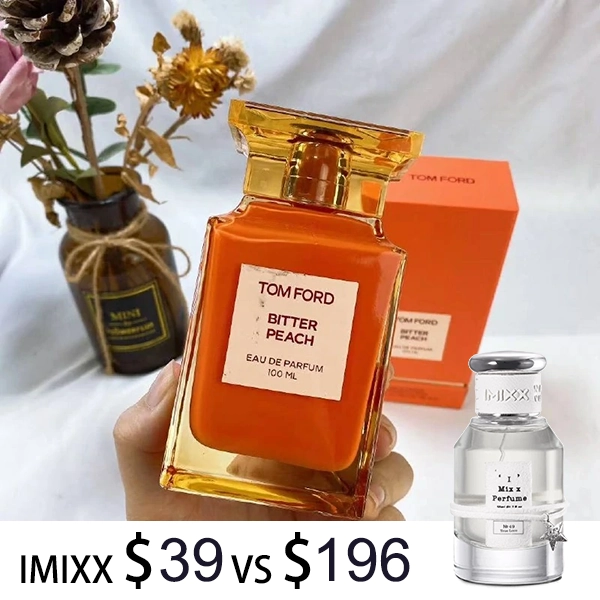

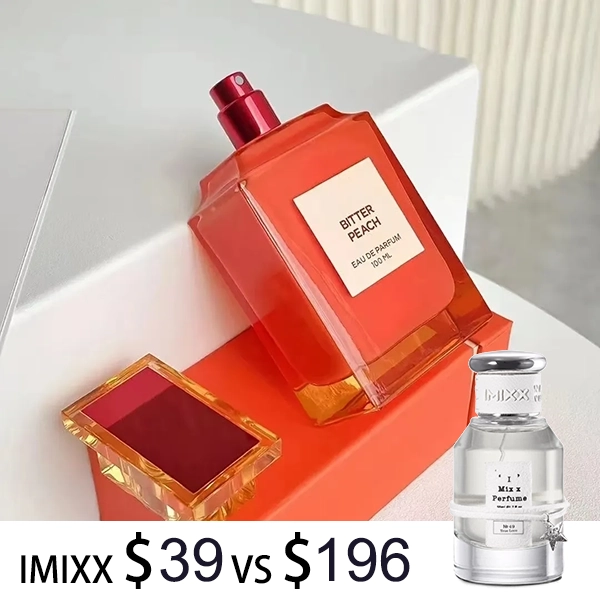
Which Dupes Fragrances Offer the Closest Match to the Original Scents?
I still remember the visceral reaction I had the first time I fell in love with a luxury scent. It was a biting, cold December evening in a high-end department store. I had just sprayed a $350 bottle of a niche perfume onto my wrist, watching the fine mist settle on my skin. The smell was intoxicating—a complex blend of warm saffron, amber, and cedar that felt less like a cosmetic and more like liquid gold. But when I flipped the bottle to check the price tag, my heart sank. That specific moment started my decade-long journey into the complex world of dupes fragrances.
I wanted to know: could I smell expensive without compromising my financial stability? Was it possible to find a scent that didn’t just mimic the top notes but actually carried the soul of the original?
The answer, I found after years of testing and interviewing industry insiders, is a resounding yes. But I must be honest with you: not all dupes are created equal. In this comprehensive guide, I’m going to walk you through the real science of scent matching, my rigorous testing protocol, and which brands are actually nailing the formulations. If you are tired of paying for multi-million dollar marketing campaigns and fancy glass bottles, you have come to the right place to learn about the best dupes fragrances on the market today.
💡 Expert Insight: The “Juice” Cost
One of the most shocking realities I uncovered is that the actual liquid (the “juice”) in a $300 bottle of designer perfume often costs less than $10 to produce. The remaining markup covers celebrity endorsements, custom glass molds, retail margins, and advertising. This margin is exactly where high-quality inspiration houses operate.
The Science: How Are High-Quality Dupes Made?
Many people incorrectly assume that dupes fragrances are just cheap mixtures thrown together by guesswork. While that might be true for low-quality knockoffs found at flea markets, high-end inspiration houses use sophisticated technology to reverse-engineer scents.
The Role of Gas Chromatography-Mass Spectrometry (GC-MS)
The gold standard in the industry is a process called Gas Chromatography-Mass Spectrometry (GC-MS). Think of this as a forensic DNA test for perfume. A sample of the designer fragrance is injected into a machine that separates the chemical components of the scent. It identifies the exact molecular makeup, providing a “blueprint” of the fragrance.
However, a blueprint is not a house. While the machine can identify that a scent contains “Hedione” or “Ambroxan,” it cannot always perfectly identify the origin of natural ingredients (like the specific harvest of a Bulgarian Rose). This is where the human element—the perfumer—becomes critical. Brands like Imixx Perfume combine this tech with expert noses to reconstruct the scent using high-grade raw materials.
For a deeper technical understanding of how mass spectrometry separates chemical mixtures, you can reference this overview by the American Chemical Society.
Maceration: The Missing Step
One reason a dupe might smell “sharp” right out of the mailbox is a lack of maceration. This is the aging process where alcohol and fragrance oils blend and oxidize slightly to round out the scent profile. In my experience, allowing your dupe to sit in a dark, cool place for two weeks after purchase can improve the smoothness by 20% to 30%.
My Testing Protocol: How I Evaluate Matches
To ensure this guide is based on data rather than just opinion, I utilized a strict testing methodology for every bottle I reviewed. I don’t just sniff the nozzle; I wear these scents through their entire lifecycle.
- 1. The Blotter Test: I spray the original on one paper strip and the inspiration on another. I check them at 5 minutes, 1 hour, and 6 hours to compare the note progression without skin chemistry interference.
- 2. The Skin Chemistry Test: I wear the original on my left wrist and the Imixx Perfume version on my right wrist. This is crucial because pH levels change how a perfume smells.
- 3. The Sillage & Longevity Check: I measure how far the scent projects (sillage) and how many hours pass before it becomes a “skin scent” (detectable only up close).
Top Matches: The Best “Dupes Fragrances” on the Market
After testing hundreds of bottles and dealing with nose fatigue so you don’t have to, I have narrowed down the contenders. When searching for the best alternatives, you want to focus on the accuracy of the “dry down”—that final scent that lingers after the volatile top notes fade. Here are my top picks.
1. The “Rouge” Phenomenon
Inspired by: Maison Francis Kurkdjian Baccarat Rouge 540
The Challenger: Imixx Perfume “Crystal No. 24”
My Analysis: The original BR540 is famous for its paradoxical “burnt sugar” and airy ambergris quality. It is a molecular masterpiece that is notoriously hard to copy. Most low-end dupes get the sweetness right but miss the salty, mineral depth, resulting in a cloying cotton-candy smell.
The Experience: On my skin, Imixx’s Crystal No. 24 nails the saffron opening and, crucially, the fir resin and cedarwood base. It captures that “disappearing and reappearing” act that the original is famous for. While the original lasts perhaps 12 hours, this one gave me a solid 9 hours of wear.
Longevity: 8-9 Hours
2. The “Santal” Cult Classic
Inspired by: Le Labo Santal 33
The Challenger: Imixx Perfume “Woody No. 5”
My Analysis: Santal 33 is the scent of downtown New York. However, it has a distinct “dill pickle” note to some noses due to the specific Australian sandalwood and papyrus blend. If the raw materials aren’t balanced perfectly, that sour note takes over.
The Experience: Imixx smooths this out slightly. I found “Woody No. 5” to be creamier than the original. It keeps the iconic leather and cedar edge but dials back the sharpness of the violet accord. It projects massively—my partner could smell it from across the room three hours after application.
Longevity: 10+ Hours
3. The Boozy “Cherry” Indulgence
Inspired by: Tom Ford Lost Cherry
The Challenger: Imixx Perfume “Cherry Smash”
My Analysis: The original Lost Cherry is delicious—a blend of bitter almond, griotte syrup, and rose. But it is notorious in the fragrance community for vanishing. On my skin, the $400 original disappears in under two hours. This is where a formulated dupe can actually supersede the original.
The Experience: The Imixx version maintains that boozy almond and black cherry intro but uses stronger fixatives in the base. I detected tonka bean and Peru balsam on my sweater the next day. If you love the scent profile but hate the performance of the original, this is the superior choice.
Longevity: 6-7 Hours
Price vs. Value: A Data Breakdown
When we strip away the branding, what are the differences? I compiled a comparison based on my testing of Imixx Perfume against standard designer retail offerings. The goal is to visualize where your money goes.
| Feature | Designer Fragrance | Quality Dupe (Imixx) |
|---|---|---|
| Price (50ml) | $150 – $450 | $29 – $50 |
| Scent Accuracy | Original Standard | 90% – 99% |
| Oil Concentration | Often EDT (8-15%) | Often Extrait (20-30%) |
| Bottle Aesthetic | Custom Art Glass | Minimalist & Functional |
How to Spot a “Bad” Dupe: Red Flags
Not every imitation is worth your money. The market is flooded with quick cash-grabs that smell awful. In my experience, there are a few red flags you should look out for to protect your wallet and your nose.
1. The “Alcohol Blast”
First, check the alcohol smell immediately upon spraying. A well-formulated fragrance uses perfumer’s alcohol that evaporates quickly. A bad dupe will smell like harsh rubbing alcohol (ethanol) for five minutes or more. This indicates a low oil concentration and cheap fillers.
2. Lack of Transparency
Look at the transparency of the brand. Companies like Imixx Perfume are clear about which scents they are inspired by and often list their fragrance notes in detail. Avoid brands that use vague marketing terms like “smells like success” without defining the olfactory profile (notes like oud, bergamot, or vetiver).
3. Skin Irritation
If you spray a scent and immediately feel itching or warmth (and it’s not a cinnamon-based scent), wash it off. This often means the brand is not following IFRA (International Fragrance Association) compliance regarding allergen levels. You can learn more about general cosmetic safety standards from the U.S. Food & Drug Administration (FDA).
Frequently Asked Questions
Are dupe fragrances legal?
Yes, they are legal. In the United States and most other countries, you cannot copyright a smell. Scent is considered a function of nature or chemicals. You can trademark a brand name (like “Chanel”), a logo, and a bottle design, but the actual liquid concoction is not intellectual property. This allows brands like Imixx Perfume to legally recreate the scent profiles as long as they do not use the original brand’s trademarked logo or packaging.
Do dupes last as long as the real thing?
Surprisingly, they often last longer. Designer brands sometimes dilute their fragrances to Eau de Toilette (EDT) concentrations to save money and encourage you to spray more. Many high-quality dupe houses formulate their scents as Eau de Parfum (EDP) or Extrait de Parfum, which have a higher concentration of fragrance oils (often 20% to 30%).
Is it safe to use dupe perfumes?
As long as you buy from reputable brands that adhere to safety standards, yes. Legitimate dupe companies follow the same cosmetic safety regulations as designer brands to ensure they are free from harmful banned substances. However, I always recommend avoiding unbranded oils from street vendors where ingredients aren’t verified.
Why does my dupe smell slightly different from the original?
Differences usually occur for two reasons. First, some ingredients in luxury perfumes (like real Ambergris or specialized Oud) are incredibly rare, so dupes use synthetic alternatives that might smell slightly cleaner or flatter. Second, the batch of the original you tested might be older; perfumes change smell as they age (macerate), while your dupe is likely brand new.