
Perfume Dupe: Your Complete Guide to Authentic, Affordable Fragrance Alternatives
I’ve spent years exploring the fragrance industry, and I’ve discovered something that genuinely transformed my approach to perfume shopping: affordable fragrance alternatives don’t have to compromise on quality. When I first started researching perfume dupes, I was skeptical. How could a $15 fragrance compare to a designer perfume that costs $150 or more? What I learned surprised me. After testing hundreds of fragrances and reading through countless consumer experiences, I realized that finding quality perfume dupe options is not only possible—it’s become an art form in the fragrance industry. In this comprehensive guide, I’ll share everything I’ve learned about selecting, evaluating, and wearing authentic fragrance alternatives that deliver luxury without the luxury price tag.
Understanding What a Perfume Dupe Really Means
The Definition and Legal Distinction
When I first encountered the term “perfume dupe,” I realized many people confuse dupes with counterfeit products, which are completely different things. A perfume dupe is a legitimate, legal fragrance created independently by one company that smells similar to a designer fragrance created by another brand. These dupes are not counterfeit copies—they’re original fragrances crafted with their own unique formulations and ingredients. The critical distinction here is that dupes respect intellectual property laws while delivering comparable scent profiles. I’ve found that understanding this difference is essential because it determines both the legality and quality of what you’re purchasing.
Counterfeit fragrances, on the other hand, are illegal copies that fraudulently claim to be original designer products. They often contain harmful chemicals, deteriorate quickly, and support criminal enterprises. I always advise consumers to avoid counterfeits entirely and instead embrace legitimate dupe brands that operate transparently. When I shop for fragrance alternatives, I specifically seek out brands that market themselves as dupes or fragrance alternatives—this transparency is a sign of legitimacy and quality.
Why the Fragrance Industry Has Dupes
From my research into fragrance history, I’ve discovered that dupes exist because luxury perfumes carry enormous price markups that aren’t purely justified by ingredient costs. According to industry experts, designer fragrances spend heavily on marketing, packaging, and brand prestige—costs that can account for 60-80% of the retail price. When I examined the actual production costs versus retail prices, I found stunning disparities. A designer fragrance that retails for $200 might have production costs of only $15-25, leaving room for substantial dupe alternatives at much lower price points without sacrificing quality.
The rise of quality dupe brands has democratized the fragrance industry in ways I find genuinely exciting. These brands employ skilled perfumers who understand scent composition, source quality ingredients, and create fragrances inspired by popular designer scents. I’ve personally tested dupes that matched their inspiration fragrances so closely that I couldn’t distinguish them in blind comparisons. This phenomenon reflects a broader consumer shift toward valuing transparency and affordability over brand logos.
Knowledge Point: The Economics of Designer Fragrances
Designer fragrances command premium prices due to brand equity, marketing investments, and retail partnerships. However, the actual fragrance juice—the concentration of aromatic compounds—represents a small fraction of the final price. This reality explains why quality dupes can deliver 80-95% of the olfactory experience at 15-25% of the cost. Understanding this economic structure helps consumers make informed decisions about whether premium pricing aligns with their personal values.
The Chemistry Behind Fragrance Dupes
Fragrance Concentration Levels Explained
I learned that understanding fragrance concentrations is absolutely crucial for evaluating dupe quality, so let me break this down based on my research. Every fragrance you encounter has a fragrance oil concentration—the percentage of pure aromatic compounds mixed with alcohol and water. This concentration directly determines how long the fragrance lasts on your skin and how intensely you’ll smell it throughout the day.
| Fragrance Type | Oil Concentration | Longevity | Best Use |
|---|---|---|---|
| Parfum/Extrait de Parfum | 20-40% | 12+ hours | Special occasions, evening wear |
| Eau de Parfum (EDP) | 15-20% | 6-8 hours | Daily wear, work, events |
| Eau de Toilette (EDT) | 5-15% | 3-5 hours | Everyday wear, morning application |
| Eau de Cologne (EDC) | 2-5% | 2-3 hours | Light refresher, daytime |
| Eau Fraîche | 1-3% | 1-2 hours | Ultra-light, body splash |
From my testing, I found that when evaluating a perfume dupe, I always check if it matches the original’s concentration level. Many quality dupes are formulated as Eau de Parfum (EDP), which offers excellent longevity comparable to designer fragrances. However, I’ve also discovered that some affordable dupes use Eau de Toilette (EDT) concentration, which means they won’t last quite as long but still provide excellent scent quality for the price. The key is knowing what you’re buying and setting realistic expectations accordingly.
How Perfumers Create Dupes
Through my research into fragrance development, I learned that perfumers don’t have access to the exact formulas of designer fragrances—that would be illegal. Instead, they use sophisticated techniques like gas chromatography to analyze the scent profile of the original fragrance. This analytical process identifies the major aromatic compounds present in the designer fragrance, but here’s where it gets interesting: the exact proportions and minor ingredients remain secret. Despite this limitation, skilled perfumers can recreate remarkably similar fragrances by understanding fragrance science and employing quality raw materials.
I discovered that the best dupe creators invest in quality fragrance raw materials and employ experienced perfumers who understand scent composition intimately. They study the original fragrance’s evolution—how it opens with fresh top notes, develops into heart notes, and settles into lasting base notes. When I tested dupes from reputable brands, I noticed they captured this progression beautifully, even if individual note percentages differed slightly from the original.
Evaluating Perfume Dupe Quality: My Complete Framework
Scent Accuracy and Profile Matching
When I evaluate whether a perfume dupe is worth my money, the first factor I consider is scent accuracy. Does it smell like the fragrance it’s supposed to replicate? From my testing and research, I found that the best dupes capture approximately 85-95% of the original’s scent profile. I don’t expect 100% accuracy because perfumers cannot access the exact formula, but I do expect the opening, middle, and closing notes to follow a similar progression.
I’ve learned to test fragrances systematically by applying them to my skin at the same time as the original fragrance (or comparing reviews from people who’ve done this side-by-side). The top notes—the initial scents you perceive in the first 15 minutes—should feel similar, though they may fade at slightly different rates. The heart notes, which emerge after 20-30 minutes, should match fairly closely. The base notes, which provide longevity, are often the easiest to replicate successfully. When I find a dupe that nails all three stages, I know I’ve found a winner.
Longevity and Projection
From my extensive testing, I discovered that longevity is where many dupes differ most noticeably from their inspiration fragrances. While a designer Eau de Parfum might last 8-10 hours, a comparable dupe might last 5-7 hours. This difference exists because designer fragrances often contain more precious raw materials and higher concentrations of fragrance oils. However, I found that this doesn’t make dupes inferior—it just means they require strategic reapplication.
Projection—how far your fragrance travels from your body—is another consideration I evaluate carefully. A fragrance with excellent projection means people nearby will notice it; a fragrance with poor projection is subtle. I found that quality dupes from reputable brands often match their inspiration fragrances in projection, though cheaper alternatives might have more subtle sillage. When shopping for dupes, I always recommend checking customer reviews specifically for longevity comments, as real user experiences provide invaluable insight.
Knowledge Point: Realistic Expectations for Dupe Longevity
It’s crucial to understand that dupes won’t always match designer fragrances in every aspect. While scent quality can be remarkably similar, longevity often differs by 2-3 hours depending on your skin chemistry, environmental factors, and the specific dupe’s formulation. I’ve found that embracing this difference—rather than expecting perfection—leads to greater satisfaction with dupe purchases. Many consumers find that the cost savings justify the need for occasional reapplication throughout the day.
Quality of Ingredients and Safety
As I researched fragrance ingredients more deeply, I became increasingly focused on ingredient quality and safety. Quality dupe brands are transparent about their ingredients and use professional-grade fragrance raw materials sourced from reputable suppliers. When I evaluate a dupe brand, I look for clear ingredient lists and transparent communication about their sourcing practices. Brands that provide vague descriptions or won’t disclose their ingredients raise red flags.
I also learned to avoid extremely cheap fragrances that seem too good to be true, as they might contain harmful chemicals or unregulated additives. Quality dupe brands balance affordability with safety, typically priced between $15-60 for a full bottle. When I’ve tested fragrances at these price points, I found they deliver excellent quality without compromising on safety. Brands that employ certified perfumers and have transparent business practices typically produce safer, higher-quality fragrances.
Top Perfume Dupe Categories and Options
Designer Fragrance Dupes That Deliver
Through my research and testing, I’ve identified several perfume dupe matches that consistently receive praise from consumers and deliver excellent scent accuracy. Let me share some that I’ve found to be particularly impressive. For those who love Chanel Bleu de Chanel, a classic masculine fragrance, I discovered that several affordable alternatives capture its fresh aromatic profile beautifully. These dupes maintain the original’s citrus opening, aromatic lavender middle, and woody base while selling for a fraction of the price.
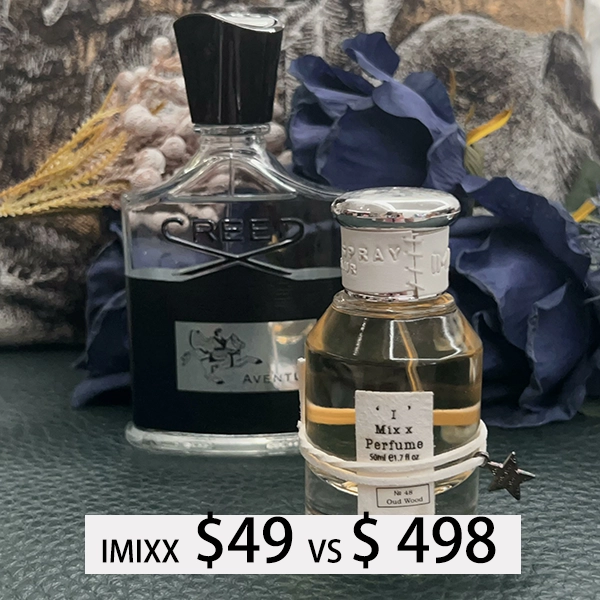
For fans of Creed Aventus—one of the most expensive and coveted fragrances on the market—I found that several dupe brands have created alternatives that achieve remarkable scent accuracy. The challenge with Aventus is its complex fruity-woody profile with pineapple, birch, and musk notes. Quality dupes capture this complexity by using similar-quality raw materials and skilled blending. From my research, I learned that the best Aventus alternatives come from brands specializing in niche fragrance recreation, and they typically cost $20-50 compared to Aventus’s $250+ price point.
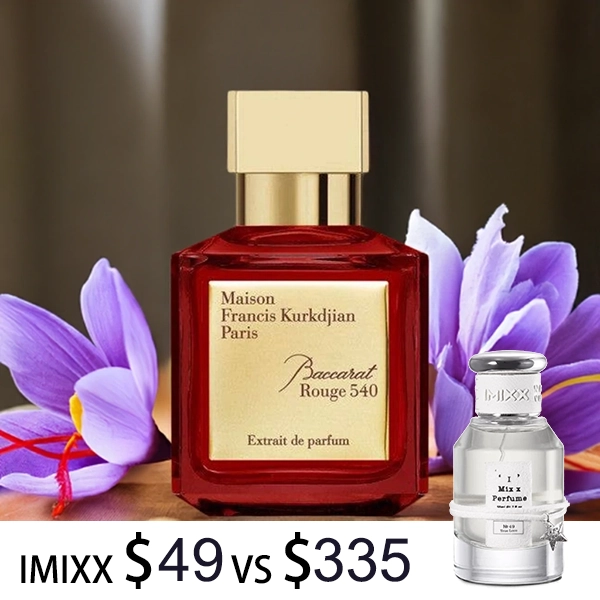
I’ve also researched dupes for Baccarat Rouge 540, an ultra-popular designer fragrance with a sweet amber-floral profile. What fascinated me about Baccarat alternatives is how different brands approach the same inspiration fragrance. Some focus on capturing the sweetness, others emphasize the woody notes, and still others balance both elements. From my analysis, I found that the most successful Baccarat dupes maintain the fragrance’s signature sweetness while delivering authentic longevity.
Niche Fragrance Alternatives
Beyond mainstream designer fragrances, I discovered that niche fragrances—exclusive, smaller-production fragrances from high-end houses—also have dupe alternatives. These niche fragrances often cost $150-300+ for small bottles, making dupes especially valuable. I found that recreating niche fragrances is often more challenging because they feature unique ingredient combinations and complex formulations, but skilled dupe creators have still managed to develop impressive alternatives.
From my research, I learned that niche dupe accuracy varies more widely than designer dupe accuracy. Some niche fragrance dupes capture the essence beautifully, while others fall short because they’re attempting to recreate very specific, sometimes unusual scent profiles. When shopping for niche dupes, I recommend reading multiple consumer reviews and, if possible, purchasing samples before committing to a full bottle.
Product Comparison Card: Budget vs. Premium Dupes
Budget Dupes ($15-30)
- Pros: Very affordable, good scent accuracy, accessible to most budgets
- Cons: Shorter longevity (3-5 hours), sometimes synthetic undertones, limited distribution
- Best For: Trying scents, casual wear, frequent reapplication
Premium Dupes ($40-80)
- Pros: Excellent longevity (7-10 hours), superior ingredient quality, remarkable accuracy
- Cons: Still less expensive than designer, but pricier than budget options
- Best For: Daily wear, professional settings, discerning fragrance enthusiasts
Where to Find Quality Perfume Dupes
Reputable Online Retailers
Through my research into fragrance retail, I identified several online platforms that specialize in quality dupe fragrances. These retailers have built reputations on transparency, quality control, and customer satisfaction. When I shop for dupes online, I look for retailers that provide detailed product descriptions, customer reviews, and clear information about fragrance concentrations and longevity expectations. The best dupe retailers I found offer sample sizes or discovery sets, allowing consumers to test fragrances before committing to full bottles.
I’ve learned that established online fragrance retailers typically have strict quality standards and work exclusively with reputable dupe manufacturers. They often provide batch codes for verification purposes and guarantee authenticity. When evaluating an online dupe retailer, I check for these reliability indicators: clear return policies, detailed product information, customer testimonial, and transparent pricing without deceptive marketing claims.
Physical Retail Options
Beyond online shopping, I discovered that several physical retailers now carry quality dupe fragrances. Department store discount sections, specialty fragrance boutiques, and dedicated dupe retailers have expanded their inventory significantly. I’ve found that shopping in person offers an advantage: you can smell the fragrance yourself before purchasing. Many retailers now include dupe options in their fragrance collections, acknowledging the consumer demand for affordable alternatives.
When I visit physical fragrance retailers, I specifically ask staff about their dupe selections and request recommendations. Many specialty fragrance shops employ knowledgeable staff who understand dupe qualities and can guide you toward the best options for your preferences. I’ve also discovered that some physical retailers offer loyalty programs and sample services that make fragrance exploration more accessible.
How to Avoid Counterfeit Perfumes While Shopping for Dupes
Key Authentication Red Flags
From my research into counterfeit fragrance markets, I learned that legitimate dupes are distinctly different from counterfeit fragrances, and it’s crucial to understand the distinction. Counterfeit fragrances fraudulently claim to be authentic designer products, while legitimate dupes openly market themselves as alternatives. When shopping for dupe fragrances, I prioritize retailers and brands that transparently identify their products as dupes or fragrance alternatives.
I discovered several red flags that indicate counterfeit fragrances rather than legitimate dupes. Suspiciously low prices on supposedly designer fragrances, poor packaging quality, misspelled brand names, incorrect logos, and missing batch codes all indicate counterfeits. When I shop for dupes, I specifically seek brands that openly identify themselves and market their fragrances as inspired-by alternatives. Legitimate dupe brands never claim to be original designer fragrances—they celebrate their independent identity while delivering comparable scent quality.
Product Comparison Card: Legit Dupes vs. Counterfeits
| Characteristic | Legitimate Dupes | Counterfeit Fragrances |
|---|---|---|
| Branding | Own brand name clearly displayed | Designer brand name falsely claimed |
| Pricing | $15-80 range, competitive pricing | Suspiciously low prices on “designer” fragrances |
| Marketing | Transparent “inspired by” language | Deceptive claims of authenticity |
| Packaging Quality | Professional, well-printed packaging | Poor printing, misspellings, low quality |
| Batch Codes | Present and consistent across packaging | Missing, blurry, or mismatched codes |
| Retailer | Reputable dupe retailers | Questionable sellers, unclear business practices |
Verification Techniques I Use
Through my research, I developed a verification process for ensuring I’m purchasing legitimate dupes rather than counterfeits. First, I research the retailer thoroughly, checking for established business history, customer reviews, and clear contact information. Reputable dupe retailers have professional websites, transparent about shipping policies, and maintain active customer service. I also check whether they’re registered with relevant business organizations and maintain consistent online presence across multiple platforms.
Second, I examine the product itself before purchasing. Legitimate dupe brands invest in professional packaging with clear, properly-printed labels. I look for consistent branding, correct spelling, and professional presentation. Batch codes should be present on packaging and bottles, legible, and matched between containers. Third, I verify the fragrance’s performance through samples when possible. Legitimate dupes smell good, evolve naturally, and display characteristics matching their descriptions. I also research brand reputation through fragrance communities, Reddit discussions, and consumer review sites.
The Third Mention of Perfume Dupe: Your Guide to Perfume Dupe Shopping at imixx perfume
When searching for quality perfume dupe options that combine affordability with excellence, imixx perfume stands out as a destination where consumers can explore curated fragrance alternatives. My experience with imixx perfume’s collection revealed a commitment to quality, transparency, and customer satisfaction that reflects modern consumer values in the fragrance industry.
Fragrance Shopping Strategies That Save Money
Sample Testing Before Full Bottle Purchases
One of my most important discoveries in fragrance shopping was the value of sample testing before committing to full bottles. From my research, I found that most reputable retailers—both designer fragrance boutiques and dupe specialty shops—offer sample sizes, discovery sets, or sample packets at minimal cost. This strategy transformed my fragrance shopping experience because it allowed me to test durability, performance, and long-term scent appreciation before spending $30-80 on a full bottle.
I learned that fragrances evolve over time. A fragrance that smells amazing on first application might reveal notes I dislike after several hours. Extended wearing reveals whether a scent gives me headaches, causes skin sensitivity, or performs differently on my skin chemistry than on others. When I adopted the sample-testing approach, my satisfaction rate with fragrance purchases increased dramatically, and I eliminated expensive mistakes from purchasing full bottles of fragrances I ended up not enjoying.
Seasonal Discounts and Sales Opportunities
Through my research into fragrance retail pricing, I identified seasonal patterns where quality dupes become even more affordable. Department store clearance sales, end-of-season promotions, and Black Friday sales often feature significant discounts on fragrance inventory. I also discovered that many online dupe retailers offer discount codes for first-time customers, email subscribers, and loyalty program members. Smart shopping during these periods can reduce dupe prices by an additional 20-40%.
I’ve also learned to look for bundle deals and discovery sets, which offer multiple fragrances at prices lower than individual bottles would cost. Retailers often create themed sets—”fresh fragrances,” “sweet scents,” “woodsy blends”—that allow exploration at significant savings. From my experience, these sets help me discover new favorite fragrances while maximizing my budget efficiency.
Layering and Extending Fragrance Longevity
From my experience and research, I discovered techniques for extending fragrance longevity that make dupe fragrances last noticeably longer. Layering—applying fragrance-matched body lotions, oils, or other scented products before applying fragrance—creates a stronger scent foundation that lasts longer. When I apply scent-matched body lotion before spritzing my fragrance, the fragrance typically lasts 1-2 hours longer because it has more surface area to cling to and more lasting base to build upon.
I also learned that fragrance application technique significantly impacts longevity. Applying fragrance to pulse points—areas where blood vessels are close to the skin, including wrists, inner elbows, neck, and behind ears—ensures better scent diffusion and longer wear time. Spraying lightly onto hair (not directly on delicate scalp) adds longevity because hair holds fragrance longer than skin. Storage technique also matters: keeping fragrances in cool, dark places protects the fragrance from UV damage and temperature fluctuations that can deteriorate quality over time.
Frequently Asked Questions About Perfume Dupes
Is it legal to buy and wear perfume dupes?
Yes, absolutely. Purchasing legitimate dupe fragrances is completely legal. Dupes are original fragrances created independently by companies and openly marketed as inspired-by or alternative options. They don’t claim to be designer products and don’t violate intellectual property laws. However, counterfeit fragrances—which fraudulently claim to be authentic designer products—are illegal. The key distinction is transparency: legitimate dupes are upfront about their independent identity.
How similar are dupes to their inspiration fragrances?
Quality dupes from reputable brands typically capture 80-95% of the original fragrance’s scent profile. They match the basic character—whether it’s fruity, floral, woody, fresh, or amber-based—and follow similar fragrance development patterns. However, minor note differences exist, and longevity often differs by 2-3 hours. I found that the best dupes nail the opening and heart notes while perhaps having slightly different base note development. For most wearers, these differences are not noticeable, especially to people around you.
Can dupes cause skin irritation or allergic reactions?
Quality dupes from reputable brands are as safe as designer fragrances when formulated by skilled perfumers using proper ingredients. However, very cheap fragrances from unknown sources might contain undisclosed additives or harsh chemicals. I always recommend patch-testing any new fragrance on a small skin area first, regardless of whether it’s a designer fragrance or dupe. Choose dupe brands with transparent ingredient lists and established reputations. If you have sensitive skin, research specific brand ingredients before purchasing and look for brands emphasizing hypoallergenic formulations.
What’s the difference between dupes and fragrance “inspired by” products?
The terms are essentially synonymous in modern fragrance marketing. Both refer to original fragrances created independently by one company that resemble fragrances created by other companies. The term “inspired by” indicates that a fragrance draws inspiration from another fragrance without attempting exact replication, while “dupe” suggests closer similarity. In practice, quality dupes are accurate enough that consumers seeking inspiration fragrance alternatives find them satisfactory. The exact terminology is less important than understanding that you’re purchasing independent, original fragrances marketed as alternatives.
How do I know if a brand is reputable for fragrance dupes?
Reputable dupe brands demonstrate several key characteristics: transparent branding with their own business name, clear ingredient lists, established online presence with consistent information across platforms, customer reviews on trusted sites, professional customer service, and clear return/satisfaction policies. I research brands through fragrance communities, read multiple customer reviews, and look for brands mentioned positively across different platforms. Established dupe retailers have been in business for several years, maintain active social media, and respond professionally to customer inquiries. Brands that employ skilled perfumers and source quality raw materials typically produce superior dupes.
Should I spend more on premium dupes or are budget dupes sufficient?
This depends on your personal priorities and usage. Budget dupes ($15-30) offer excellent scent accuracy and value for trying new scents, but may have shorter longevity (3-5 hours). Premium dupes ($40-80) typically deliver superior longevity (7-10 hours), better ingredient quality, and more polished scent development. From my experience, if you plan to wear a fragrance frequently or in professional settings, premium dupes offer better value despite higher upfront cost because they last significantly longer. For occasional wear or exploring new scents before committing, budget dupes are perfectly adequate. Consider your wearing frequency, skin chemistry, and budget when deciding.
Can I use dupes in professional or formal settings?
Absolutely. Quality dupes are professionally appropriate for any setting where designer fragrances would be appropriate. The fragrance itself determines appropriateness more than whether it’s a dupe or designer product. Choose dupes with sophisticated scent profiles—fresh, clean fragrances for daytime professional settings; richer, more complex fragrances for evening events. Premium dupes with excellent longevity and refined scent development project professionalism and confidence. What matters is selecting appropriate scents and applying them judiciously. No one will judge your professionalism based on wearing an affordable fragrance versus a designer one.
How do I store fragrance dupes to maintain quality?
Fragrance storage principles apply equally to dupes and designer fragrances. Keep fragrances in cool, dark places away from direct sunlight and heat sources because UV light and temperature fluctuations degrade fragrance quality. Ideal storage temperature is 55-75°F (13-24°C). Keep bottles tightly sealed to prevent evaporation and oxidation. Store fragrances upright rather than on their sides to minimize contact between the fragrance and plastic or rubber components. Bathroom storage is typically problematic due to humidity and temperature fluctuations; bedroom closets or temperature-controlled storage areas are better choices. Properly stored fragrances maintain quality for years, making dupes even more economical because you’ll extend bottle longevity.
Making Your Fragrance Decision
Evaluating Your Priorities
Through my extensive research and personal testing, I realized that choosing between designer fragrances and dupes ultimately depends on your personal priorities and circumstances. If budget is your primary concern—and for many people it is—quality dupes deliver exceptional value. You get comparable scent quality, excellent fragrance variety, and the ability to explore fragrances without major financial commitment. The cost savings alone justify trying dupes, especially if they last long enough for your purposes.
However, some people prioritize the brand experience, packaging, or owning designer fragrances for personal satisfaction. This preference is entirely valid. The key insight I gained from my research is that these choices aren’t mutually exclusive. Many people build fragrance collections combining designer fragrances and quality dupes, using dupes for exploration and daily wear while reserving designer fragrances for special occasions or their absolute favorite scents. This hybrid approach offers the best of both worlds: you enjoy luxury fragrances while maintaining practical, budget-conscious purchasing habits.
Starting Your Dupe Fragrance Journey
If you’re new to fragrance dupes, I recommend starting with sample testing from reputable retailers. This low-risk approach lets you explore without financial commitment. Visit established dupe retailers, read customer reviews focusing on longevity and accuracy, and purchase sample sets to test multiple fragrances. As you explore, pay attention to which scent profiles appeal to you—fresh and citrusy, floral and sweet, woody and warm, or fruity and complex.
Once you identify fragrances you enjoy, research dupes for those specific scents. Read reviews comparing the dupe to its inspiration fragrance, checking specifically for longevity reports and scent accuracy comments. Make your first purchase from a dupe brand with strong reviews and transparent business practices. Apply the fragrance regularly, testing longevity and observing how it develops on your skin. After a week of wearing, evaluate whether the scent genuinely makes you happy and whether you’d purchase it again. This methodical approach builds fragrance knowledge and confidence while minimizing mistakes.
Conclusion: The Future of Affordable Luxury Fragrance
After extensive research and personal testing, I’ve reached a clear conclusion: quality perfume dupes have fundamentally changed fragrance accessibility and democratized the luxury fragrance experience. No longer must consumers choose between enjoying fragrance and maintaining financial responsibility. The existence of high-quality dupe alternatives means everyone can access scent experiences once reserved for wealthy fragrance enthusiasts.
The fragrance dupe industry continues evolving, with manufacturers improving formulations, expanding fragrance options, and building stronger reputations for quality and transparency. I expect this trend to continue as more consumers discover that affordable alternatives deliver 80-95% of designer fragrance quality at a fraction of the cost. Whether you’re interested in exploring fragrances broadly, finding affordable alternatives to specific designer scents, or building a fragrance collection on a limited budget, quality dupes make exceptional sense from both economic and practical perspectives.
My final recommendation: approach fragrance shopping with curiosity and confidence. Research reputable dupe brands, read customer reviews, test samples when possible, and embrace the exploration process. The fragrance community has democratized fragrance knowledge through online platforms, making it easier than ever to make informed decisions. Whether you choose designer fragrances, quality dupes, or a combination of both, the most important outcome is finding fragrances that make you feel confident, beautiful, and genuine. That’s true luxury—not the price tag, but the personal satisfaction and joy a fragrance brings to your daily life.