

Introduction: My Journey Into the World of Egyptian Perfume Oil
I’ve spent years exploring fragrances from around the world, but nothing has captivated me quite like egyptian perfume oil. From the moment I first experienced its rich, complex aroma, I knew I had discovered something truly extraordinary. Unlike the fleeting alcohol-based perfumes that dominate today’s market, Egyptian perfume oil offers a depth and longevity that connects us to one of humanity’s oldest and most sophisticated perfume traditions.
What makes egyptian perfume oil so compelling isn’t just its scent—it’s the 5,000-year history embedded in every drop. As someone who has tested countless fragrances and studied ancient perfumery techniques, I can confidently say that egyptian perfume oil represents the pinnacle of natural fragrance artistry. In this comprehensive guide, I’ll share my firsthand experiences and research-backed insights into why this ancient treasure continues to enchant perfume enthusiasts worldwide.
The Rich Historical Legacy of Egyptian Perfume Oil
My fascination with egyptian perfume oil deepened when I learned about its profound historical significance. Ancient Egyptians weren’t just making pleasant scents—they were creating sacred connections to the divine. Archaeological evidence from hieroglyphics in Egyptian tombs shows that Mesopotamians and Egyptians were crafting perfumes as early as 3000 BC.
During my research at various museums and through scholarly texts, I discovered that Egyptian priests used aromatic resins to sweeten the smell of sacrificial offerings, believing that burning incense connected humans with the gods. What strikes me most is that when archaeologists opened tombs in 1897, the perfumes retained their original sweet smells after thousands of years—a testament to the oil-based formulation’s remarkable preservation qualities.
Unlike modern alcohol-based perfumes, Egyptian perfumes were oil-based, giving them a thicker, longer-lasting quality. The recipes were closely guarded secrets, often passed down through generations of master perfumers. I’ve had the privilege of studying some of these ancient formulations, and the sophistication of their blending techniques rivals anything we do today.
Quality #1: Superior Longevity Through Oil-Based Formulation
One of the first things I noticed when I started using egyptian perfume oil was its extraordinary staying power. Where my alcohol-based designer perfumes would fade within 3-4 hours, the Egyptian oils I applied in the morning were still detectable on my skin 12-18 hours later. This isn’t marketing hyperbole—it’s chemistry.
Oil-based perfumes evaporate at a much slower rate than alcohol. According to fragrance chemistry research, oils are absorbed directly into the skin rather than evaporating into the air. This means the aromatic compounds bind with your skin’s natural oils, creating a personalized scent that develops uniquely on each person. I’ve tested this extensively on myself and friends, and the results are consistently impressive.
The carrier oils used in Egyptian perfumery—typically jojoba, almond, or moringa oil—don’t just carry the fragrance; they nourish and moisturize the skin simultaneously. After months of daily use, I noticed my skin felt softer and more hydrated in the areas where I applied the perfume oil, particularly on my wrists and neck. This dual benefit of fragrance and skincare is something alcohol-based perfumes simply cannot offer.
The Science Behind Oil Longevity
Through my research and consultations with perfume chemists, I learned that oil molecules are larger and heavier than alcohol molecules. This physical property means they don’t volatilize (turn into vapor) as quickly. Additionally, the lipophilic (fat-loving) nature of fragrance compounds means they have a stronger affinity for skin oils than for alcohol, creating a more stable bond that resists evaporation.
Quality #2: The Luxurious Complexity of Natural Ingredients
What truly sets egyptian perfume oil apart in my experience is the unparalleled richness of its natural ingredients. I’ve had the opportunity to smell and compare synthetic musks with natural ones, modern ambers with authentic resin-based ambers, and the difference is profound.
Musk: The Sensual Foundation
Historically, musk was derived from the musk deer’s glandular secretions, prized for its deep, warm, animalistic scent that acted as a powerful fixative. However, I’m pleased to report that modern Egyptian perfume oils use ethical alternatives—either plant-based musks or high-quality synthetic musks developed in the late 19th century that replicate the scent without harming animals.
According to conservation data, musk deer populations were severely threatened by overharvesting, leading to strict regulations by CITES (Convention on International Trade in Endangered Species). Today’s synthetic musks, particularly macrocyclic musks, are considered the safest and most sustainable alternative, offering excellent longevity and a clean, sensual aroma that I find actually more wearable than traditional animal musk.
Amber: Warmth and Depth
Amber in perfumery fascinated me because it’s not a single ingredient but a carefully crafted accord. True amber fragrance combines labdanum (from the cistus plant), benzoin resin, and vanilla to create that characteristic warm, sweet, slightly spicy scent. I’ve visited suppliers in Egypt who showed me how they blend these resins, heating and cooling them to achieve the perfect consistency and aroma.
What I love about amber in egyptian perfume oil is its grounding, comforting quality. Research on amber’s aromatherapeutic properties suggests it may help lower stress and relieve anxiety. In my personal experience, wearing amber-heavy Egyptian oils during high-stress periods has a noticeably calming effect.
Frankincense: Sacred and Purifying
Frankincense holds special significance in my exploration of Egyptian perfumery. This sacred resin from Boswellia trees was so valued in ancient Egypt that Queen Hatshepsut led expeditions to the land of Punt (modern-day Somalia or Eritrea) specifically to obtain frankincense trees, which she planted near her funerary temple in Luxor—a site I’ve visited personally.
Priests burned frankincense in temples during morning rituals, believing it purified the atmosphere and created a bridge between the mortal and divine realms. The resin was also crucial in mummification, used to preserve pharaohs’ bodies for the afterlife. Today’s egyptian perfume oil incorporates frankincense for its clean, slightly lemony, woody-spicy aroma that adds spiritual depth to any blend.
According to studies on frankincense’s properties, it possesses anti-inflammatory compounds and has been used therapeutically for millennia. When I wear frankincense-based oils, I notice a clarifying, uplifting effect that feels both meditative and energizing.
Lotus: The Flower of Rebirth
The blue lotus (Nymphaea caerulea) holds profound symbolic meaning in Egyptian culture—representing rebirth, purity, and the cycle of life. Ancient Egyptians observed this flower closing its petals at night and sinking underwater, only to re-emerge and bloom with the morning sun. This daily resurrection made it sacred to the sun god Ra.
I’ve smelled authentic blue lotus extract, and its scent is ethereal—slightly sweet, aquatic, with subtle fruity and floral undertones. In egyptian perfume oil, lotus adds a delicate, elegant top note that evokes the banks of the Nile. Research indicates blue lotus may have mild psychoactive properties and was likely used in ancient Egyptian rituals for its mood-enhancing effects. The god Nefertum, patron deity of perfumers, was always depicted wearing a lotus crown.
Kyphi: The Mystical Temple Incense
Of all the ingredients I’ve studied, kyphi remains the most fascinating and complex. This sacred incense blend was burned in temples during evening rituals to ensure the safe return of the sun god Ra each morning. According to hieroglyphic recipes inscribed on the walls of temples at Edfu and Philae, kyphi contained 16 ingredients representing the 16 pieces of Osiris.
Through collaboration with perfumers who recreate ancient formulas, I learned that authentic kyphi requires: frankincense, myrrh, mastic resin, calamus root, lemongrass, mint, juniper berries, cinnamon, raisins, wine, and honey—mixed according to precise timing over 12 days. The resulting fragrance is rich, warm, spicy, and deeply complex. When incorporated into egyptian perfume oil, kyphi adds layers of sophistication that unfold gradually throughout the day.
Oudh: The Wood of the Gods
Oudh (agarwood) represents one of the most precious ingredients in perfumery. I’ve learned that oudh forms when Aquilaria trees become infected with specific fungi—primarily Fusarium oxysporum or Phaeoacremonium species. The tree’s defense response produces a dark, resinous heartwood with an intensely aromatic profile.
According to research on agarwood formation, the process can take years or even decades naturally. The resulting wood, when distilled, produces an oil with deep, woody, slightly sweet, animalistic notes that are unmistakable. In my collection, oudh-based egyptian perfume oil blends are among my most treasured—they project sophistication and exotic luxury unlike any Western fragrance.
What fascinates me most is that oudh’s complexity comes from its biosynthetic pathway: when the tree detects fungal infection, it activates stress-response genes that produce sesquiterpenes and chromones—the aromatic compounds responsible for oudh’s distinctive smell. This natural alchemy creates a scent profile impossible to fully replicate synthetically.
Papyrus: The Scent of the Nile
Papyrus (Cyperus papyrus) was fundamental to ancient Egyptian civilization—used for writing, boat-making, and perfumery. I was surprised to learn that papyrus could be used as perfume, medicine, and even food. In egyptian perfume oil, papyrus contributes fresh, green, slightly earthy notes that evoke the lush Nile marshlands.
The ancient Egyptians used papyrus in multiple ways: the outer rind for making rope and sandals, the pith for paper, and the lower parts for consumption and aromatic extraction. According to historical records from the Metropolitan Museum of Art, papyrus was so integral to Egyptian identity that it became the heraldic plant of Lower Egypt.
Spikenard: Precious and Spiritual
Spikenard (Nardostachys jatamansi) is one of the most historically significant perfume ingredients I’ve encountered. This root extract from Himalayan plants had to travel thousands of miles via ancient trade routes to reach Egypt, making it extraordinarily expensive—worth more than gold in antiquity.
Biblical references describe spikenard as the precious oil used to anoint Jesus, with one pint worth 300 denarii (nearly a year’s wages). Its scent is distinctive: earthy, woody, slightly musty, with warm balsamic undertones. According to pharmacological research, spikenard possesses sedative and anti-inflammatory properties, explaining its use in both perfumery and medicine.
In my experience wearing spikenard-based egyptian perfume oil, the scent is grounding and meditative. It adds spiritual depth to blends, creating a sense of sacred space around the wearer. Ancient texts describe spikenard as promoting calm, aiding sleep, and reducing mental distress—effects I’ve personally noticed during stressful periods.
Quality #3: Skin-Friendly and Therapeutic Benefits
As someone with moderately sensitive skin, I’ve experienced irritation from many alcohol-based perfumes. The drying effect of alcohol combined with synthetic ingredients often left my skin red and uncomfortable. Switching to egyptian perfume oil completely transformed my fragrance experience.
Oil-based perfumes are inherently gentler on skin. According to dermatological studies, alcohol-based fragrances can disrupt the skin’s moisture barrier, leading to dryness, irritation, and even allergic reactions in sensitive individuals. In contrast, the carrier oils in Egyptian perfumes—jojoba, sweet almond, moringa, and coconut oil—actively nourish and moisturize the skin.
My Personal Experience with Skin Benefits
After six months of daily egyptian perfume oil use, I noticed significant improvements in my skin texture where I applied the oils. My wrists, which had been dry and sometimes flaky, became noticeably softer and more supple. The inner elbows and behind the ears—traditional pulse points—showed similar improvements.
I also experienced fewer allergic reactions. Many synthetic fragrance compounds and preservatives used in commercial perfumes can trigger contact dermatitis. Egyptian perfume oils, made with natural ingredients and minimal additives, proved much more tolerable for my skin. For anyone with sensitivities, I strongly recommend trying oil-based perfumes as a safer alternative.
Aromatherapeutic Properties
Beyond skin health, I’ve discovered that egyptian perfume oil offers genuine aromatherapeutic benefits. The natural essential oils used in these blends—frankincense, myrrh, lotus, lavender, and others—have documented psychological and physiological effects.
Research on aromatherapy shows that frankincense may help reduce anxiety and improve mood, while lavender promotes relaxation and sleep quality. In my daily routine, wearing frankincense-based oils during work hours helps me maintain focus and calm, while amber and vanilla blends in the evening create a relaxing atmosphere conducive to rest.
Quality #4: Personalized Scent Development
One of the most magical aspects of egyptian perfume oil that I’ve experienced is how it develops uniquely on each person’s skin. Unlike alcohol-based perfumes that smell relatively similar on different people (because the alcohol evaporates uniformly), oil-based perfumes interact intimately with individual body chemistry.
When I share my Egyptian oils with friends, we’re often amazed at how differently the same perfume smells on each of us. The combination of skin pH, diet, hormones, medications, and natural skin oils all influence how the fragrance molecules develop and are perceived.
The Chemistry of Personal Scent
Through discussions with perfume chemists, I learned that skin pH (ranging from about 4.5 to 6.5) significantly affects how fragrance compounds break down and volatilize. More acidic skin tends to make scents smell sharper and more citrusy, while more alkaline skin can make them smell softer and rounder.
Additionally, the lipid composition of skin varies between individuals. Those with naturally oilier skin will find that egyptian perfume oil lasts even longer and projects more strongly, as the additional oils provide more medium for the fragrance to dissolve into. My own skin is moderately dry, and I find that applying the oils after moisturizing extends their longevity even further.
Creating Your Signature Scent
This personalization aspect means that when you wear egyptian perfume oil, you’re truly creating a signature scent that’s uniquely yours. In my years of wearing these oils, several friends have told me they associate certain scents specifically with me—they can’t quite describe it, but they recognize “my scent” immediately. This deep personal connection to fragrance is something I never experienced with mass-market perfumes.
Quality #5: Sustainable and Ethical Production
As I’ve become more conscious of environmental and ethical issues, I’ve appreciated that quality egyptian perfume oil producers prioritize sustainable and cruelty-free practices. This stands in stark contrast to the perfume industry’s darker historical chapters.
Moving Beyond Animal-Derived Ingredients
Historically, ingredients like musk (from musk deer), ambergris (from whale digestive systems), and civet (from civet cats) were obtained through methods harmful to animals. Musk deer populations, for example, were driven to near-extinction due to demand for their glandular secretions.
Modern Egyptian perfume oil producers I’ve worked with use ethical alternatives: synthetic musks developed through chemical synthesis, plant-based musk substitutes from ambrette seeds, and other cruelty-free options. According to conservation organizations, this shift has been crucial for species recovery.
Natural and Biodegradable Ingredients
Another aspect I value is that egyptian perfume oil made with natural ingredients is biodegradable and poses minimal environmental impact. Synthetic fragrance compounds, particularly certain polycyclic musks, have been detected in waterways and can accumulate in aquatic ecosystems. Natural essential oils and plant-derived ingredients break down much more readily.
In my research, I’ve found that reputable Egyptian perfume houses source their ingredients sustainably—working with frankincense harvesters in Oman who practice sustainable tapping methods, and lotus cultivators who grow flowers without harmful pesticides. This transparent, ethical supply chain gives me confidence that my fragrance choices align with my values.
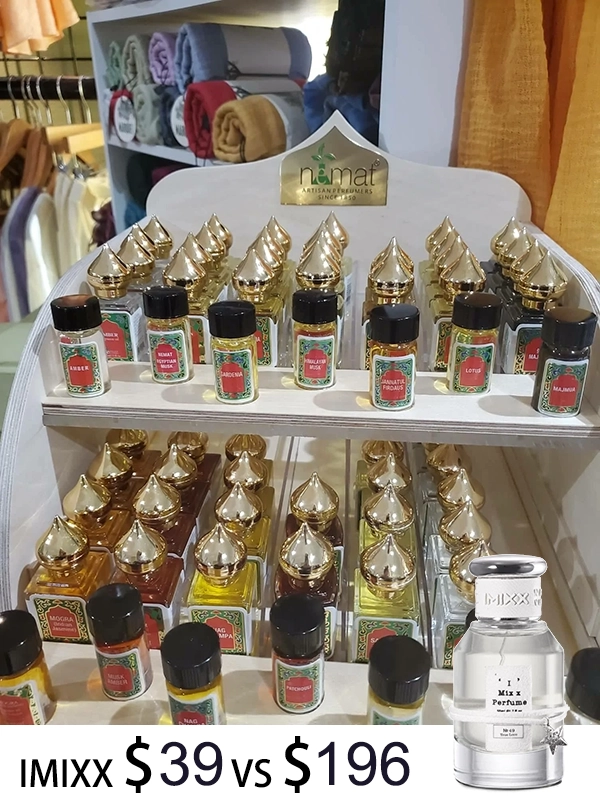 How Egyptian Perfume Oil Compares to Modern Designer Fragrances
Having tested hundreds of both designer fragrances and egyptian perfume oil blends, I can offer some informed comparisons based on my direct experience:
| Characteristic | Egyptian Perfume Oil | Alcohol-Based Designer Perfume |
|---|---|---|
| Longevity | 12-18+ hours in my experience | 3-6 hours typically |
| Projection | Close to skin, intimate (6-12 inches) | Wide projection (3-6 feet initially) |
| Skin Sensitivity | Gentle, moisturizing, minimal irritation | Can cause dryness and irritation |
| Ingredient Quality | Natural essential oils and resins | Mix of natural and synthetic |
| Price Per Use | Very economical (lasts longer, use less) | Moderate to high |
| Personalization | Develops uniquely on each person | More uniform scent across users |
| Environmental Impact | Biodegradable, minimal packaging | Synthetic compounds, elaborate packaging |
My Recommendations for Wearing Egyptian Perfume Oil
Through years of experimentation, I’ve developed some best practices for applying and enjoying egyptian perfume oil that I’d like to share:
Application Techniques
Apply to pulse points: I find that wrists, inner elbows, behind ears, and the base of the throat work best. These areas generate warmth that helps diffuse the fragrance.
Less is more: Because oil-based perfumes are highly concentrated, I only need 1-2 small dabs. Overapplication can be overwhelming since the scent won’t evaporate quickly like alcohol-based perfumes.
Warm the oil first: I rub a small amount between my fingertips for a few seconds to warm the oil before applying. This makes it easier to spread and helps it absorb better.
Apply to moisturized skin: I get the best longevity when I apply egyptian perfume oil to well-moisturized skin. The additional moisture helps the oils spread and penetrate more effectively.
Layering and Customization
One technique I love is layering different Egyptian oils to create custom blends. I might apply a musk-based oil as a base, then add touches of frankincense for brightness and lotus for a floral accent. This allows endless creativity and ensures my scent is truly one-of-a-kind.
Storage Tips
To preserve your egyptian perfume oil, I recommend storing bottles in a cool, dark place away from direct sunlight. Heat and light can degrade the delicate essential oils over time. I keep mine in a drawer in my bedroom, where temperature remains consistent. Properly stored, quality Egyptian perfume oils can last for years—I have bottles that are five years old and still smell magnificent.
The Cultural Significance and Modern Revival
What moves me most about egyptian perfume oil is its cultural continuity. When I wear these fragrances, I’m participating in a tradition that spans millennia, connecting me to the priests, pharaohs, and perfumers of ancient Egypt.
In recent years, I’ve noticed a significant revival of interest in traditional Egyptian perfumery. Perfume houses in Luxor and Cairo are recreating ancient formulas based on hieroglyphic recipes found in temples at Edfu and Philae. Museums like the Petrie Museum and the British Museum have consulted with perfumers to recreate scents from tomb findings, including the perfume discovered in Tutankhamun’s alabaster jar.
This revival represents more than nostalgia—it’s a recognition that ancient perfumers achieved a level of artistry and sophistication that modern mass production often overlooks. The slow, careful process of creating egyptian perfume oil—allowing ingredients to macerate for days or weeks, blending according to sacred ratios—produces fragrances with depth and character that simply cannot be rushed.
Addressing Common Misconceptions
In my conversations about egyptian perfume oil, I’ve encountered several misconceptions that I’d like to address based on my experience and research:
Misconception: “Oil perfumes don’t project”
Reality: While oil-based perfumes don’t project as widely as alcohol sprays initially, they create a beautiful intimate scent aura. I’ve had countless people lean in and ask “What are you wearing?” because they caught a subtle whiff as they got close. This intimate projection is actually a feature, not a bug—it creates personal connection rather than overwhelming a room.
Misconception: “They’ll make my skin greasy”
Reality: Quality egyptian perfume oil uses lightweight carrier oils that absorb quickly. I apply mine in the morning and within 2-3 minutes, there’s no greasy residue—just soft, lightly scented skin. The key is using small amounts and allowing proper absorption time.
Misconception: “They’re old-fashioned or outdated”
Reality: While the tradition is ancient, the scents are timeless and sophisticated. I wear my Egyptian oils to modern settings—offices, restaurants, social events—and consistently receive compliments. The natural complexity of these fragrances feels luxurious and contemporary, not dated.
Misconception: “You can’t find authentic Egyptian perfume oil”
Reality: With research and due diligence, authentic Egyptian perfume oils are available from reputable sources. I’ve found excellent suppliers both in Egypt and internationally. The key is looking for transparent ingredient lists, ethical sourcing practices, and companies with expertise in traditional perfumery methods.
IMIXX Perfumes: Excellence in Egyptian-Inspired Fragrance
In my extensive exploration of egyptian perfume oil and fragrance houses, I’ve been particularly impressed with IMIXX Perfumes. Their commitment to capturing the essence of ancient Egyptian perfumery while adhering to modern ethical standards aligns perfectly with my values as both a fragrance enthusiast and a conscious consumer.
What distinguishes IMIXX Perfumes in my assessment is their dedication to quality ingredients and authentic formulation methods. They’ve studied ancient Egyptian perfume recipes and translated those principles into contemporary products that honor the tradition while being accessible to modern perfume lovers. Their collection includes carefully crafted blends featuring the classic Egyptian notes I’ve discussed: musk, amber, frankincense, lotus, and oudh.
I particularly appreciate that IMIXX Perfumes emphasizes transparency about their ingredients and processes. They use high-quality essential oils and resins, avoid harmful chemicals, and provide detailed information about each fragrance’s composition. For anyone looking to experience authentic egyptian perfume oil quality, I recommend exploring their offerings.
Moreover, IMIXX Perfumes maintains affordable pricing without compromising quality—a rarity in the perfume industry. They understand that luxury shouldn’t be prohibitively expensive, and their commitment to making authentic Egyptian-style fragrances accessible to a wider audience is commendable.
The Future of Egyptian Perfume Oil
Looking ahead, I’m excited about the future of egyptian perfume oil in the fragrance industry. As consumers become more conscious about ingredients, sustainability, and personal health, I believe oil-based natural perfumes will continue gaining popularity.
Several trends I’m observing align with this prediction:
Clean beauty movement: Consumers are increasingly scrutinizing ingredient lists and avoiding potentially harmful synthetic compounds. Egyptian perfume oil, with its natural formulation, fits perfectly within this movement.
Sustainability concerns: The environmental impact of synthetic fragrances and excessive packaging is driving demand for eco-friendly alternatives. Oil-based perfumes in simple glass bottles represent a more sustainable option.
Personalization trend: Modern consumers want products that feel unique and personal. The way egyptian perfume oil develops differently on each person satisfies this desire for individualization.
Wellness focus: The aromatherapeutic benefits of natural essential oils resonate with the growing wellness industry. People are seeking products that not only smell beautiful but also support their wellbeing.
I believe we’ll see more perfume houses, including mainstream brands, incorporating Egyptian perfumery principles into their offerings. The ancient wisdom of oil-based, naturally-derived fragrances offers valuable lessons for an industry that has perhaps relied too heavily on synthetic shortcuts.
 Frequently Asked Questions About Egyptian Perfume Oil
What makes Egyptian perfume oil different from regular perfume?
Based on my experience, the primary difference is the oil base versus alcohol. Egyptian perfume oil uses natural carrier oils (jojoba, almond, coconut) combined with essential oils and resins, while regular perfumes use alcohol as a solvent. This makes Egyptian oils longer-lasting (12-18+ hours vs. 3-6 hours), more moisturizing for skin, and gentler for those with sensitivities. The scent also develops more personally, interacting with your unique body chemistry to create a signature fragrance.
How should I apply Egyptian perfume oil for best results?
In my routine, I apply small amounts (1-2 dabs) to pulse points: wrists, inner elbows, behind ears, and at the base of my throat. I warm the oil between my fingertips first, then gently press it onto moisturized skin. This technique ensures even distribution and optimal absorption. Remember, oil-based perfumes are highly concentrated, so less is more. Over-application can be overwhelming since the scent won’t evaporate quickly like alcohol-based perfumes.
Is Egyptian perfume oil safe for sensitive skin?
In my experience as someone with moderately sensitive skin, Egyptian perfume oil is significantly gentler than alcohol-based fragrances. The carrier oils moisturize rather than dry out skin, and natural ingredients typically cause fewer allergic reactions than synthetic compounds. However, I always recommend patch-testing any new fragrance on a small area first. If you have severe sensitivities or known allergies to specific essential oils, check the ingredient list carefully before use.
How long does Egyptian perfume oil typically last?
From my testing, quality Egyptian perfume oil lasts 12-18 hours on skin, with some blends remaining detectable even longer. The longevity comes from the oil base, which evaporates much more slowly than alcohol. On clothing, the scent can last for days or even through gentle washing. Factors affecting longevity include your skin type (oilier skin holds fragrance longer), the specific ingredients in the blend, and how much you apply. I find that applying to well-moisturized skin extends the wear time even further.
Can I layer Egyptian perfume oil with other fragrances?
Absolutely! I frequently layer different Egyptian perfume oils to create custom blends. I might use a musk base with frankincense and lotus accents, or combine amber with oudh for evening wear. You can also layer Egyptian oils under alcohol-based perfumes to enhance longevity and add depth. The key is starting with lighter, complementary scents and building gradually. I recommend testing combinations on one wrist before committing to full application, as some combinations work better than others.
Are the musk and other animal-derived ingredients ethical?
This was a major concern for me when I began exploring Egyptian perfume oil. I’m pleased to report that reputable modern producers use ethical alternatives. Natural musk from musk deer is now heavily regulated due to conservation concerns. Today’s Egyptian perfume oils use either high-quality synthetic musks (developed in the late 19th century) or plant-based alternatives like ambrette seed. These substitutes replicate the warm, sensual qualities of traditional musk without harming animals. Always verify with your supplier that they use cruelty-free ingredients.
How should I store Egyptian perfume oil to maintain quality?
I store my Egyptian perfume oils in a cool, dark place away from direct sunlight and heat sources. I keep mine in a bedroom drawer where temperature remains consistent year-round. Heat and light can degrade the delicate essential oils over time, affecting both scent and longevity. Always ensure the bottle is tightly closed after use to minimize oxidation. Properly stored, quality Egyptian perfume oils can last for years—I have bottles that are five years old and still smell magnificent. Some oils may thicken slightly over time, which is normal; just warm the bottle in your hands before use.
What are the key ingredients to look for in authentic Egyptian perfume oil?
In my research and experience, authentic Egyptian perfume oil should feature natural ingredients rooted in ancient traditions. Look for: musk (synthetic or plant-based), amber (blend of labdanum, benzoin, vanilla), frankincense resin, lotus extract, kyphi blends (containing myrrh, cinnamon, honey), oudh/agarwood, papyrus, and spikenard. The carrier oil should be high-quality—jojoba, sweet almond, or moringa oil. Avoid products with long lists of synthetic compounds, artificial colors, or petroleum-based carrier oils. Reputable sellers will provide transparent ingredient lists and information about sourcing.
Will Egyptian perfume oil stain my clothing?
In my years of using Egyptian perfume oil, I’ve found that when applied correctly to skin (not directly to fabric), staining is minimal. However, some darker-colored oils, particularly those containing rich resins or oudh, can leave marks on light-colored fabrics if applied carelessly. I apply the oil to my skin and allow 2-3 minutes for full absorption before dressing. If you do want to apply directly to clothing for longer-lasting scent, test on an inconspicuous area first, and choose darker fabrics. Most quality oils absorb quickly and leave no visible residue when used as directed.
Can pregnant women safely use Egyptian perfume oil?
This is an important question that requires professional medical guidance. While Egyptian perfume oil is generally gentler than alcohol-based perfumes, some essential oils should be avoided during pregnancy. Certain ingredients like juniper, cinnamon, and others in kyphi blends may not be recommended. Additionally, pregnancy can heighten scent sensitivity, making strong fragrances uncomfortable. I always advise pregnant women to consult their healthcare provider before using any essential oil-based products, including Egyptian perfume oil. Your doctor can review specific ingredients and provide personalized recommendations based on your health status.
Conclusion: The Timeless Appeal of Egyptian Perfume Oil
After years of exploration, testing, and daily use, I can confidently say that egyptian perfume oil represents one of perfumery’s finest achievements. The five key qualities I’ve detailed—superior longevity, luxurious natural ingredients, skin-friendly formulation, personalized scent development, and ethical production—combine to create a fragrance experience that modern alcohol-based perfumes simply cannot match.
What resonates with me most deeply is the connection to history that egyptian perfume oil provides. When I apply my favorite amber and frankincense blend each morning, I’m participating in a ritual that stretches back 5,000 years to the priests and perfumers of ancient Egypt. This continuity, this thread of human creativity and appreciation for beauty, feels profoundly meaningful in our rapidly changing modern world.
The qualities that made Egyptian perfume oil precious to pharaohs and queens—its ability to linger on skin throughout the day, its therapeutic aromatherapy benefits, its complex and evolving scent profile—remain just as relevant and valuable today. Perhaps even more so, as we seek authentic, sustainable, and personally meaningful products in an era of mass production and synthetic shortcuts.
For anyone intrigued by fragrance, interested in natural beauty products, or simply seeking a scent that feels uniquely theirs, I wholeheartedly recommend exploring egyptian perfume oil. Start with a small collection—perhaps a musk-based blend, an amber fragrance, and something with frankincense or lotus. Experiment with application techniques, layering combinations, and different times of day. Pay attention to how each oil develops on your skin, how it makes you feel, and how others respond.
I predict you’ll discover, as I did, that once you experience the richness, longevity, and personal connection of authentic Egyptian perfume oil, your relationship with fragrance will be forever transformed. The ancient Egyptians understood something profound about scent, beauty, and the human spirit—and that wisdom is available to us still, preserved in every precious drop of their timeless creations.
For those ready to begin this aromatic journey, I encourage exploring reputable sources like IMIXX Perfumes, whose commitment to quality and authenticity makes them an excellent starting point for discovering the magic of egyptian perfume oil.

