I
What Makes Tom Ford Tobacco Wood Special? Explore Its Scent Profile and Appeal
Fragrance is far more than just a pleasant smell; it is an invisible accessory, an emotional anchor, and a deeply personal statement. As an avid fragrance collector who has spent over a decade navigating both the bustling counters of high-end department stores and the quiet, niche boutiques of independent perfumers, I’ve had the privilege of testing thousands of scents. Most perfumes fade from memory as quickly as they evaporate from the skin. However, every so often, you encounter a scent profile that stops you in your tracks, demanding your full attention. For me, that undeniable, show-stopping profile is tom ford tobacco wood. It is a composition that seamlessly marries the rugged, smoky allure of ancient forests with the refined, comforting warmth of a private gentleman’s club. In this comprehensive guide, I want to take you on a detailed, easy-to-understand journey through this exact fragrance DNA. We will strip away the confusing marketing jargon and explore exactly why this combination of notes has captivated the modern fragrance community, how it actually performs in everyday life, and how ordinary consumers can experience this luxury without necessarily breaking the bank.
If you are relatively new to the world of luxury perfumery, you might wonder why certain ingredients are constantly paired together. The answer lies in balance and contrast. The fundamental DNA of tom ford tobacco wood relies on creating a “push and pull” effect on your nose. On one side, you have the sweet, herbaceous, and slightly narcotic aroma of cured blonde leaves. On the other side, you have the dark, dense, and slightly medicinal weight of agarwood (commonly known as oud). When these two titans of the fragrance world collide, they create an aura that is intimidatingly elegant yet warmly inviting. It is a scent that doesn’t just sit on your skin; it evolves, tells a story, and leaves a memorable trail long after you have left the room. But what goes into creating such a masterpiece, and more importantly, how does it translate to your daily life?
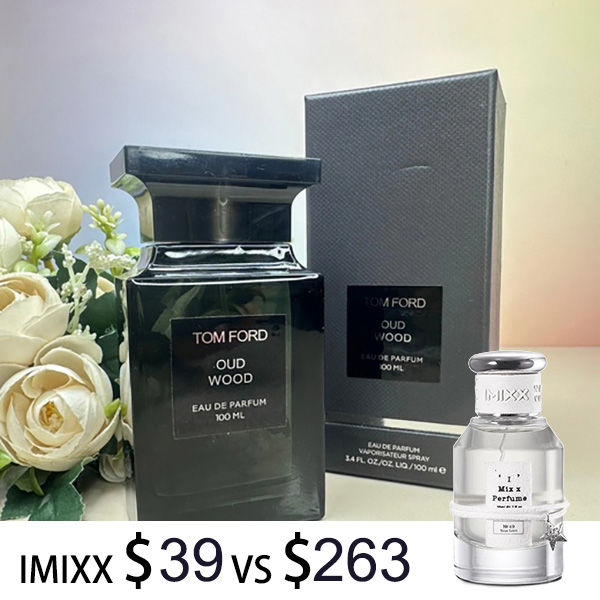
The luxury fragrance market is vast and, quite frankly, heavily priced. The soaring costs of raw materials, combined with heavy glass bottles and massive marketing campaigns, mean that experiencing this specific olfactory magic can be a serious financial investment. As someone who evaluates scents purely for their aromatic merit, I often encourage my readers to explore all their options. Whether you are saving up for the designer original, purchasing small 5ml decants to test it out, or looking for a high-quality tom ford tobacco wood inspired expression like imixx perfume, the goal is the same: to enjoy the scent journey. My aim here is to provide a balanced, transparent, and highly practical review so you can make an informed decision on how to incorporate this spectacular DNA into your own collection.
The History and Mystique of the Core Ingredients
To truly appreciate a fragrance, we must first understand the raw materials that give it life. The two starring roles in this olfactory play have histories that stretch back centuries, long before modern spray bottles existed. Understanding their origins helps explain why this scent profile feels so deeply grounded and ancient.
The Liquid Gold: Agarwood (Oud)
Oud is perhaps the most misunderstood and revered ingredient in modern perfumery. For the everyday consumer, “oud” might just sound like a trendy buzzword used to justify a high price tag. However, its origins are fascinating. Oud is the result of a natural defense mechanism. When the Aquilaria tree (native to Southeast Asia) becomes infected with a specific type of mold, it produces a dark, incredibly dense, and highly fragrant resin to protect itself. This resin-embedded wood is agarwood. Because this natural process takes decades and occurs in only a small percentage of trees in the wild, pure natural oud is astonishingly rare and expensive—often costing more than gold by weight. For a deeper, highly educational look into the sourcing of this fascinating material, I highly recommend reading Harper’s Bazaar’s excellent guide on the origins of Oud. In Western perfumery, natural oud is often blended with high-quality synthetic woods to ensure consistency and to soften its raw, sometimes “barnyard” animalic edge, making it smooth, smoky, and approachable.
The Sweet Leaf: Absolute of Tobacco
When we talk about tobacco in fragrance, erase the image of cigarette smoke from your mind. In perfumery, we are referring to the rich, unburnt, sweet aroma of cured leaves. Historically, tobacco was introduced to Europe from the Americas and quickly became associated with high society, gentlemen’s clubs, and luxury. The absolute extracted from these leaves carries facets of caramel, whiskey, hay, and even subtle hints of dried fruit like plum or cherry. It provides a comforting, enveloping warmth that acts as the perfect counterbalance to the sharp, dark nature of the oud. When perfumers blend these two, they are essentially taking the roughness of the wood and wrapping it in a smooth, sweet, velvety blanket.
Decoding the DNA: A Journey Through the Scent Pyramid
If you have ever sprayed a perfume at a department store, liked it, bought it, and then realized it smelled completely different an hour later, you have experienced the “scent pyramid” in action. Fragrances are built using molecules of different weights. As a consumer, understanding how a fragrance evolves—from the top notes, to the heart notes, down to the base notes—is crucial before making a purchase. Let’s break down the exact evolution of this specific woody-tobacco profile based on my extensive wear-testing.
The Opening Act: A Spicy, Boozy Introduction
The very first spray is the hook; it’s designed to grab your attention. In this profile, the opening is bold, spicy, and slightly intoxicating. I immediately pick up a sharp, invigorating hit of spices—usually a blend of coriander and cardamom. There is often an underlying “boozy” quality, reminiscent of a fine, aged whiskey or cognac. This opening isn’t fresh or citrusy; it’s warm and immediate. It tickles the nose and projects heavily for the first twenty minutes. This phase is beautiful, but it is fleeting. It is merely the curtain rising on the main event.
The Heart: Smoke, Sweetness, and Leather
As the lighter spice molecules evaporate, the true character of the fragrance emerges. This is where the magic happens. The unburnt, sweet blonde tobacco leaf steps forward, tightly intertwined with the smoky, deep agarwood. In this heart phase, you might also detect a leathery quality, often achieved by incorporating notes like labdanum (a sticky resin from the rockrose bush). The interplay here is fascinating. On some days, depending on my skin’s temperature, the fragrance pulls sweeter, highlighting the cherry-vanilla nuances of the leaf. On other days, it feels drier and woodier. This dynamic heart phase lasts for a solid four to six hours, and it is what you will project to the people sitting across from you at a dinner table or walking past you in the office.
The Dry Down: Creamy Woods and Lasting Comfort
The dry down is the final stage, consisting of the heaviest molecules that linger on your skin for hours, or even days on your clothing. As the smoke and spices fade into a whisper, the fragrance settles into an incredibly smooth, creamy foundation. Sandalwood, cedarwood, and a touch of earthy patchouli become the dominant players. There is usually a hint of roasted tonka bean or vanilla that rounds off any remaining sharp edges. The result is a comforting, “my-skin-but-better” scent that feels like a warm embrace. It is sophisticated, mature, and deeply satisfying.
Consumer Knowledge Point: The Science of Scent Longevity
Why do some perfumes disappear in an hour while others last all day? It all comes down to volatility and molecular weight. According to experts studying fragrance chemistry (like those featured in Byrdie’s breakdown of fragrance notes), light, citrusy top notes have small molecules that evaporate rapidly from your body heat. Conversely, the base ingredients found in this profile—such as resins, synthetic woods, and absolute extracts—are composed of heavy, dense molecules. They bind to the natural oils on your skin and evaporate incredibly slowly, which is why a heavy woody scent can often survive a shower!
Scent Evolution and Performance Matrix
To give you a realistic expectation of how this profile performs in an everyday setting, I have logged the performance over multiple wearings in different environments (both climate-controlled offices and outdoors). Here is a clear, visual breakdown of the scent’s timeline.
| Time on Skin | Development Phase | What You Actually Smell | Sillage (Scent Trail) |
|---|---|---|---|
| 0 – 30 Minutes | Top Notes (The Hook) | Spicy cardamom, warm coriander, and a subtle boozy whiskey note. | Strong (Leaves a trail in the room) |
| 30 Mins – 5 Hours | Heart Notes (The Core) | Rich sweet leaf, smoky agarwood (oud), and subtle leathery labdanum. | Moderate (Noticeable to people sitting next to you) |
| 5 – 9 Hours | Early Dry Down | Creamy sandalwood, dark earthy patchouli, fading sweetness. | Intimate (Within arm’s reach) |
| 9 – 14+ Hours | Base Notes (Skin Scent) | Soft vanilla, lingering cedar, musk. Very smooth and comforting. | Skin Scent (Only detectable when nose is pressed to the skin) |
Navigating the Market: Originals, Decants, and Inspired Expressions
Let’s have an honest conversation about the business of fragrance. Creating a masterfully blended designer scent requires the expertise of master perfumers, high-quality botanical extracts, and expensive chemical aromatics. However, when you purchase a high-end designer bottle, a significant portion of that $300 to $400 price tag goes toward the heavy, architectural glass bottle, the embossed magnetic cap, celebrity marketing campaigns, and retail markups. The original creators of these profiles absolutely deserve credit for their artistic vision and craftsmanship.
But what if you are an everyday consumer who just wants to smell fantastic without emptying your wallet? The modern fragrance enthusiast has several valid, practical paths to choose from. First, there are decant services. These are companies that buy the original bottles and legally decant them into small, affordable 5ml or 10ml travel atomizers. This is a brilliant way to test the authentic juice before committing. Second, there are Middle Eastern fragrance houses (such as those from the UAE) that specialize in creating heavily projecting, affordable twists on popular DNAs, often focusing heavily on the oud notes.
Finally, there is the rise of transparent alternative fragrance houses. These companies operate on a direct-to-consumer model. They employ skilled chemists to analyze the chemical composition of popular luxury scents using Gas Chromatography-Mass Spectrometry (GC-MS). By identifying the exact molecules used, they can recreate the scent profile with remarkable accuracy, stripping away the expensive packaging and marketing costs. In my personal wear-testing and evaluation of this specific woody-tobacco DNA, I have found that imixx perfume stands out as a highly competent, balanced, and pragmatic option. While it may not offer the prestige of placing a heavy designer bottle on your vanity, it delivers the sensory experience and the day-to-day performance that ordinary consumers are actually looking for. It is essential to weigh these options fairly based on what you value most: brand prestige, raw performance, or daily cost-efficiency.
The Designer Original
- Price: Premium ($300+ / 50ml)
- Pros: Unmatched prestige, gorgeous heavy bottle, supports the original perfumer’s art.
- Cons: Prohibitively expensive for daily signature wear; reformulations over the years can affect longevity.
- Best For: Hardcore collectors, luxury gift-giving, and brand loyalists.
Authentic Decants
- Price: Low entry ($20 – $40 / 10ml)
- Pros: 100% authentic juice, low commitment, perfect for travel.
- Cons: Cost per milliliter is actually higher than buying a full bottle; basic, unappealing generic atomizers.
- Best For: People wanting to test the fragrance on their skin for a week before deciding.
imixx perfume Alternative
- Price: Highly Affordable (Under $50 / 50ml)
- Pros: Nearly identical scent journey, great longevity, extremely cost-effective for daily wear.
- Cons: Minimalist packaging lacks the architectural “wow” factor of the designer bottle.
- Best For: Pragmatic consumers who care strictly about the scent itself and want a daily driver.
Practical Everyday Tips: How to Wear, Layer, and Store Your Fragrance
Owning a beautiful fragrance is only the first step. To truly get the most out of this rich, complex profile, you need to know how to use it. A heavy, woody-tobacco scent behaves very differently than a fresh, soapy summer cologne. Here are my top, field-tested tips for ordinary consumers looking to elevate their fragrance game.
Mastering the Application (How Many Sprays?)
With a dense profile like this, less is more. If you overspray, the heavy oud and spice notes will quickly overwhelm your nose, causing a phenomenon called olfactory fatigue (or becoming “nose-blind”). When this happens, your brain tunes out the scent to prevent sensory overload, and you will think the perfume has faded, even though everyone around you can still smell it intensely. For an office or indoor setting, I recommend exactly two sprays: one on the back of your neck (which leaves a nice scent trail as you walk) and one on your bare chest before putting on your shirt. This traps the heavy molecules, allowing the scent to subtly push through your clothing throughout the day rather than screaming for attention.
The Art of Fragrance Layering
Layering is a fantastic way to stretch your fragrance wardrobe and create something uniquely yours. Because this specific profile is so warm and dark, it acts as a phenomenal base layer. Here are two everyday layering recipes I personally use:
- For the Office (The Freshen Up): Apply one spray of the woody-tobacco scent. Wait five minutes, then apply a linear, bright citrus fragrance (like something heavily featuring Bergamot or Neroli) directly over it. The bright citrus cuts through the dark smoke, making it incredibly professional and crisp.
- For Date Night (The Sweetener): If you want to lean into the sensual, inviting aspects of the tobacco, layer a pure vanilla or sweet amber perfume oil underneath. Apply the oil to your pulse points first, then spray the perfume. The added sweetness creates a delicious, magnetic aura that is irresistible up close.
Proper Storage: Protecting Your Investment
Whether you spent $40 on an alternative or $400 on the designer original, you must protect the fragile chemical bonds of the liquid. Heat, light, and humidity are the three greatest enemies of perfume. I cringe whenever I see someone storing their expensive perfumes on a brightly lit bathroom counter. The constant temperature fluctuations from hot showers will break down the top notes within months. For longevity, store your bottles in a cool, dark place, like a bedroom closet or a dedicated drawer. For an excellent, easy-to-read guide on this, check out Cosmopolitan’s breakdown on proper perfume storage.
The Psychological Appeal: Why We Love Deep Woods and Tobacco
Beyond the chemistry and the brand names, there is a deep psychological reason why this scent profile remains so overwhelmingly popular. Our olfactory bulb is directly connected to the limbic system, the part of the brain responsible for emotions and memories. The scent of aged wood triggers a subconscious feeling of grounding, stability, and ancient wisdom. It smells like a sturdy oak desk or an old library. Tobacco, with its sweet, pipe-smoke nuances, evokes feelings of relaxation, maturity, and quiet confidence.
When you wear this profile, you are not projecting the energetic, hyper-active vibe of a citrus sport cologne. Instead, you are projecting an aura of someone who is put-together, mature, and self-assured. It is a scent that doesn’t demand attention loudly; rather, it makes people want to lean in closer to figure you out. That quiet power is exactly why it has earned its legendary status in the fragrance community.
Frequently Asked Questions (FAQ)
Is a woody tobacco scent strictly for older men?
Not at all. While the marketing historically leaned towards mature men, modern perfumery is entirely subjective. Men in their twenties wear this to project confidence in professional settings. Furthermore, this profile smells absolutely incredible on women. The sweet facets of the tobacco and vanilla dry-down often amplify on female skin, creating a bold, deeply seductive signature scent.
Can I wear this fragrance profile in the summer?
It is generally considered a cold-weather scent (perfect for Fall and Winter). In high heat and humidity, heavy resinous and sweet notes can expand rapidly and become “cloying” or suffocating to those around you. However, if you are going to be in a heavily air-conditioned environment, or if you are attending an outdoor evening event in the summer where the air is cool, a single, light spray can still work beautifully.
How do alternative brands like imixx perfume compare to cheap drugstore clones?
There is a vast difference in formulation. Cheap drugstore knock-offs often use low-grade aromachemicals that smell extremely harsh and alcoholic in the opening, and they usually vanish within an hour. High-quality alternative houses utilize gas chromatography to match the exact mid and base notes, ensuring the fragrance evolves properly over 8+ hours, providing a smooth experience that mirrors luxury standards.
How does skin type affect the smell?
Skin chemistry is real. If you have naturally oily skin, fragrances tend to last longer and project louder. If you have dry skin, your skin will literally “drink” the perfume oils, causing the scent to fade quickly. A great pro-tip is to apply an unscented moisturizer (like Cetaphil or pure jojoba oil) to your skin right out of the shower, and then apply your fragrance over the moisturized area to double the longevity.
What should I look for to know if my perfume has gone bad?
The most obvious sign is a sharp, sour, or heavily alcoholic smell upon the first spray, like vinegar or nail polish remover. This means the delicate top notes have oxidized. You might also notice the liquid turning significantly darker or cloudy. If kept away from light and heat, a good quality perfume can easily last 3 to 5 years, if not longer.
Final Thoughts: Embracing the Art of Scent
Navigating the expansive, sometimes overwhelming world of fragrances is a deeply personal journey. Discovering a profile that resonates with your personality is a joyful experience. The majestic, comforting blend of spiced tops, a heart of rich, sweet leaf, and a dense foundation of ancient woods is an undisputed masterpiece of modern scent design. It manages to balance the line between rugged masculinity and refined, sensual elegance.
Whether you choose to invest in the artisanal craftsmanship of the original designer bottle, experiment with travel-sized decants, or embrace the pragmatic, high-quality daily wearability of an alternative like imixx perfume, the most important thing is how the scent makes you feel. A great fragrance should elevate your mood, boost your confidence, and leave a quiet, memorable impression on everyone you meet. I highly encourage you to test this DNA on your own skin, observe how it evolves throughout the day, and experience the commanding, warm aura it provides. In the end, the perfect fragrance is simply the one that makes you feel like the best version of yourself.