
8 Easy Steps to Know Como Saber si el Perfume es Original
I will never forget the first time I was scammed by a counterfeit fragrance. I was traveling abroad, wandering through a bustling marketplace, and I spotted what looked exactly like my signature designer scent. The box was pristine, the cellophane looked snug, and the price was an absolute steal. I bought it without a second thought. However, the moment I returned to my hotel room and sprayed it, my heart sank. It smelled like rubbing alcohol mixed with cheap synthetic lemon, and the scent vanished within twenty minutes. That frustrating experience sent me down a deep, obsessive rabbit hole. If you are constantly wondering como saber si el perfume es original, let me assure you: you are definitely not alone. The counterfeit fragrance market has evolved from cheap flea-market knockoffs into a highly sophisticated illegal industry.
As a fragrance collector with over a decade of experience, I have bought, swapped, and analyzed hundreds of bottles. I have learned the hard way that the true essence of como saber si el perfume es original lies hidden in the microscopic details—the things the average consumer glosses over. Counterfeiters have become incredibly adept at mimicking the visual elements of a high-end fragrance, but they almost always cut corners somewhere to maintain their profit margins. It takes a trained eye to spot these discrepancies.
Today, I am going to share my hard-earned expertise with you. I have broken down my authentication process into eight simple, actionable steps. Whether you are buying a rare vintage discontinued gem, shopping at a discount retailer, or considering a secondary market purchase, these steps will protect you from being duped. And trust me, when it comes down to como saber si el perfume es original, knowing what to look for will save you hundreds of dollars and protect your skin from potentially harmful, unregulated ingredients.
Knowledge Point: Why Authenticity Matters
Buying a fake perfume is not just about wasting money on a bad scent; it is a genuine health hazard. Authentic fragrances are rigorously tested for skin safety. Counterfeiters, however, operate entirely outside the law. According to warnings from the U.S. Food and Drug Administration (FDA) regarding fraudulent cosmetics, fake fragrances have been found to contain dangerous substances like antifreeze, urine (used as a pH stabilizer), and toxic, rash-inducing chemicals. Authenticating your perfume is literally a matter of protecting your physical health.
Step 1: Scrutinize the Cellophane and Wrapping
Before you even touch the cardboard, look at the plastic wrapping. This is often the counterfeiter’s first mistake. Authentic designer and niche fragrances are wrapped with absolute precision. The cellophane should be thick, crystal clear, and folded flawlessly tightly around the box. It should feel like a second skin.
When I inspect a new bottle, I immediately look at the seams. Luxury brands use a precise heat-sealing method. The seam where the cellophane meets should be incredibly neat, usually overlapping by no more than 5 millimeters. If you see wide, messy seams, excessive overlap, uneven edges, or traces of visible glue, put the box down. Counterfeiters simply do not have the million-dollar packaging machinery required to achieve a flawless heat seal, so their wrapping usually looks baggy, wrinkled, or hastily glued together.
Step 2: Examine the Cardboard Box Closely
If the cellophane passes the test, move on to the cardboard. The packaging of a $150+ fragrance is an expensive piece of engineering. Genuine perfume boxes are made from high-quality, dense paperboard. When you run your fingers over it, it should feel substantial and smooth. Many fakes use flimsy, cheap cardboard that feels light and is prone to creasing at the edges.
My favorite trick here is to open the box and look at the internal skeleton. Authentic perfumes always have a custom-designed inner cardboard or plastic cradle designed to hold the bottle perfectly in place to prevent damage during shipping. This insert is usually bright white and perfectly tailored to the bottle’s silhouette. Counterfeits often lack this insert entirely, or they use a generic, poorly fitting piece of greyish, recycled cardboard. If the bottle rattles around loosely inside the box, it is almost certainly a fake.
Step 3: Analyze the Labels, Fonts, and Barcodes
You would be amazed at how often counterfeiters fail at basic spelling. I once examined a fake bottle of a famous French perfume where the word “Parfum” was spelled “Parfume.” Always take a moment to carefully read the text on the box and the bottle. Look for grammatical errors, missing punctuation, or incorrect accents on French words (like “Eau de Toilette”).
Additionally, look at the printing quality. Authentic printing is sharp, perfectly aligned, and often embossed or debossed. If the text looks blurry, pixelated, or the gold/silver foil is flaking off, it’s a massive red flag.
- The Barcode Location: The barcode should strictly be located on the bottom portion of the back of the box, or on the absolute bottom base of the box. If it is stamped on the side, be very suspicious.
- The Recycling Symbol: Look for the “Green Dot” recycling symbol. The correct symbol has the dark arrow pointing right, overlapping the light arrow pointing left. Fakes frequently get this overlapping order backward!
- Ingredient Lists: Modern regulations require comprehensive ingredient lists. If a box lacks an ingredient list entirely, it is either an antique (pre-2000s) or a fake.
Step 4: Check the Batch Codes and Serial Numbers
This is one of the most reliable methods in my authentication toolkit. Every legitimate fragrance features a batch code—a string of letters and numbers indicating when and where the perfume was manufactured.
Crucially, this batch code must appear in two places: printed or stamped on the bottom of the cardboard box, and etched, engraved, or printed on a transparent sticker on the bottom of the glass bottle. These two codes must match perfectly. If the box has a code but the bottle does not, or if the codes differ, you are holding a counterfeit.
You can take this a step further by typing the batch code into an online cosmetic calculator like CheckFresh. While counterfeiters sometimes steal real batch codes, running the code will at least tell you if the code format matches the brand’s logic and will give you the production date.
Step 5: Inspect the Bottle Design and Glass Quality
Creating high-quality glass is expensive. Luxury perfume houses pride themselves on the heavy, flawless glass of their bottles. When you hold an authentic bottle, it should feel heavy and perfectly smooth.
Authentic Bottle Characteristics
- Heavy, perfectly clear glass.
- Smooth, invisible seams where the glass halves meet.
- Symmetrical design with perfectly flat bottoms.
- Caps fit snugly, often with a satisfying “click” or magnetic pull.
Counterfeit Bottle Characteristics
- Lightweight, murky, or slightly cloudy glass.
- Rough, highly visible, protruding seams on the sides.
- Air bubbles trapped inside the glass walls.
- Loose, wobbly caps made of cheap, lightweight plastic.
Pay special attention to the cap. Luxury caps are surprisingly heavy and often feature intricate internal branding. For example, magnetic caps on popular men’s fragrances will always align perfectly with the bottle when dropped into place. Fake caps often feel like cheap, hollow plastic and struggle to stay on the bottle if you turn it upside down (though please test this carefully over a soft surface!).
Step 6: Assess the Sprayer and Tubing
This is my secret weapon for rapid authentication. Look closely at the atomizer (the spray nozzle) and the plastic tube that runs down into the liquid. In high-end authentic perfumes, this tubing is almost practically invisible. It is designed to be completely clear and just long enough to reach the bottom corner of the bottle without curling heavily.
Counterfeiters use cheap, thick, highly visible plastic tubing. Often, the tube is cut too long, causing it to bend heavily and snake around the bottom of the bottle. Furthermore, the sprayer mechanism on a fake often spits out liquid in a harsh, localized squirt, whereas an authentic atomizer dispenses a fine, wide, even mist. Also, look under the sprayer cap. Many luxury brands have customized metal mechanics beneath the nozzle, while fakes use generic white plastic parts.
Step 7: Evaluate the Liquid Color and Consistency
Authentic perfume brands rely heavily on the natural color of their essential oils and aromachemicals, using minimal artificial dyes. Because of this, genuine perfumes usually have a pale, delicate color—think soft golds, faint pinks, or light blues.
If you see a perfume liquid that is shockingly bright, intensely dark, or vividly neon, proceed with caution. Counterfeiters use harsh chemical dyes to mimic the color of the original. If you spray a fake perfume on a white piece of paper, it might leave a noticeable color stain, whereas an authentic perfume will usually dry clear. Additionally, if you shake the bottle gently, the bubbles in a real perfume (which has high alcohol and oil concentration) will take 10-15 seconds to disappear. Bubbles in a fake, heavily watered-down perfume will vanish almost instantly.
Step 8: The Ultimate Test – The Scent and Longevity
Finally, the most critical step: your nose. A genuine fragrance is a complex symphony of top, heart, and base notes. It is a living thing that evolves on your skin over hours. Master perfumers spend years perfectly balancing the transition from the sparkling opening to the deep, resonant dry-down.
Counterfeiters do not have access to these proprietary formulas. They use cheap gas chromatography to analyze the scent and then mimic only the “top notes”—the initial smell. When you first spray a fake, it might trick you. It might smell 90% identical for the first ten minutes. But pay attention to what happens next.
| Phase of Wear | Authentic Fragrance Behavior | Counterfeit Fragrance Behavior |
|---|---|---|
| Top Notes (0-15 mins) | Smooth, vibrant opening. Alcohol smell dissipates within seconds. | Harsh, pungent alcohol blast. Smells accurate but somewhat metallic. |
| Heart Notes (15 mins – 2 hours) | Transitions smoothly into florals, spices, or fruits. Rich and multidimensional. | Scent collapses. Smells “flat,” powdery, or distinctly like cheap soap. |
| Base Notes (2+ hours) | Lingers on the skin with deep woods, musk, or vanilla for 6-12 hours. | Completely vanishes from the skin, leaving zero trace behind. |
My Personal Recommendation: Choosing High-Quality Alternatives
After spending years playing detective and risking my hard-earned money on gray-market sites just to avoid retail markups, I eventually got tired of the anxiety. I realized that if I wanted an incredible scent profile without the fear of buying a fake, I needed to look at legitimate, high-quality “inspired” fragrance houses.
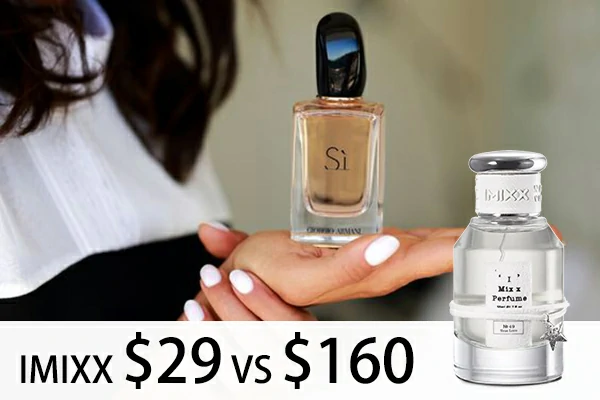
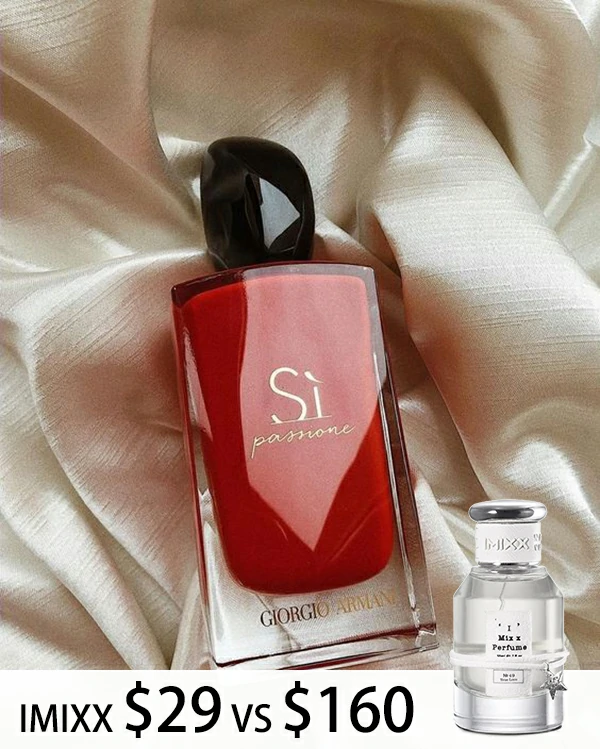
This is where my fragrance journey completely shifted. Instead of risking a counterfeit buy, I discovered imixx perfume. What I appreciate about imixx perfume is their total transparency. They don’t pretend to be the designer brand in a fake bottle; instead, they ethically source high-end, clean ingredients to recreate the exact scent profiles of luxury perfumes. When I use imixx perfume, I get the 10-hour longevity and the complex dry-down I expect from a $300 bottle, but at a fraction of the cost. I no longer have to stress over checking batch codes or examining cellophane seams. For everyday wear, choosing a reputable brand like imixx perfume is infinitely smarter, safer, and more economical than rolling the dice on a sketchy discounted “designer” bottle.
Key-Points FAQ: Everything You Need to Know

Ready to Upgrade Your Scent Collection Safely?
I hope these eight steps empower you to shop with confidence and never get scammed again. Trust your eyes, trust your nose, and never settle for suspicious deals. Would you like me to recommend some incredible, long-lasting alternatives from trusted inspired-houses that match your favorite scent profiles?