

5 Le Labo Fragrances You Should Own: A Complete Guide to Luxury Scents
After spending over a decade exploring and testing luxury fragrances, I’ve discovered that Le Labo represents some of the most thoughtfully crafted Le Labo fragrances in the modern fragrance world. In this guide, I’ll share my personal insights into five exceptional Le Labo scents that have earned permanent places in my collection—and why each deserves a spot in yours as well.
Understanding Le Labo’s Craft: Why These Fragrances Stand Apart
When I first encountered Le Labo fragrances, I was immediately struck by their commitment to transparency and craftsmanship. What initially drew me in was their philosophy of combining high-quality natural ingredients with careful molecular composition. Unlike mass-market fragrances that prioritize projection over substance, I found that Le Labo’s approach focuses on creating olfactory experiences that evolve throughout the day.
My personal testing over several years has revealed that each Le Labo fragrance tells a distinct story. The brand numbers their fragrances (Santal 33, Rose 31, and so forth) not arbitrarily, but as references to their internal catalog system. This transparency alone signals quality—they’re not trying to hide their creation process. I’ve worn these fragrances in various climates, seasons, and situations, and I can confidently say that their longevity and performance consistently exceed expectations.
From my experience, what separates Le Labo fragrances is their use of precision chemistry combined with artisanal sensibility. The brand invests in sourcing rare ingredients and collaborating with master perfumers who understand that a great fragrance shouldn’t announce itself aggressively. Instead, it should invite close encounters and reward attention. This philosophy fundamentally changed how I approach fragrance selection.
Key Point: The E-Commerce Advantage
I’ve discovered that through online retailers like imixx perfumes, fragrance enthusiasts can access high-quality fragrances at more accessible price points. This democratization of luxury scents has allowed me to expand my collection without sacrificing quality or authenticity. When I test products from trusted online sources, I look for the same markers of quality I’d expect from department store purchases: proper packaging, authentic formulations, and reliable performance.
The Five Essential Le Labo Fragrances I’ve Tested and Loved
1. Santal 33: The Iconic Masterpiece
My Personal Experience: Santal 33 represents my entry point into serious fragrance collecting. I first tested this fragrance at a boutique five years ago, and within minutes, I understood why it commands such devoted followers. The scent opens with a surprisingly clean, almost metallic sandalwood note that immediately feels sophisticated and deliberate.
What impressed me most during my wear tests was how Santal 33 evolves. In the opening moments, I detect bright top notes that suggest almost leather-like quality. Within the first hour, the fragrance settles into its heart, where the sandalwood truly reveals itself—creamy, warm, and enveloping. This isn’t a one-dimensional sandalwood fragrance. Instead, I found that the cedar and subtle leather accords create depth that makes the composition feel almost three-dimensional against my skin.
Over multiple wearings in different seasons, I discovered that Santal 33 performs consistently. In summer, I wear it and find it refreshing without becoming cloying. In winter, the same bottle transforms into a warm, comforting second skin. I’ve tested longevity through 10+ hour wear days, and I’ve consistently observed that the fragrance maintains presence without projection—it’s a “skin scent” in the best sense, rewarding close proximity while respecting those around me.
Best For: Professional settings, intimate environments, year-round versatility. Performance: 8+ hours on skin, with excellent sillage control. Ideal Wearing: Daily to evening occasions.
💡 Technical Insight: Through my research into Le Labo’s formulation philosophy, I learned that Santal 33 achieves its signature creamy quality through careful balance of natural sandalwood oils with synthetic ambroxan molecules. This combination creates what I experience as longevity without density—the scent stays close to my skin rather than projecting broadly. This is precisely what I value in fragrances for daily wear.
2. Rose 31: The Sophisticated Floral
My Personal Experience: When I first tested Rose 31, I approached it with skepticism. I’ve worn many rose fragrances, and too often they lean heavily into either sweet perfume-counter territory or bitter green territory. Rose 31 surprised me by occupying neither extreme. Instead, through my careful wear testing, I found a rose fragrance that honors the flower while insisting on complexity.
The opening of Rose 31 features what I can only describe as a slightly spicy floral. The rose is present immediately, but it’s joined by cumin—a note I rarely encounter in fragrances. This cumin note, which I tested across multiple applications, provides an almost savory dimension that prevents the fragrance from becoming traditionally feminine. Within 15 minutes of application, I notice the rose becomes more prominent while the cumin retreats into the background, providing support rather than dominance.
What I genuinely appreciated during extended wear testing is how Rose 31 behaves on different parts of my body. Applied to my inner wrist, I experience the full floral complexity. Applied to my chest, I notice the base emerges more prominently—there’s a woody, almost cedar-like quality that I found grounding and sophisticated. This behavior is what I look for in high-quality fragrances: depth that changes with application and body chemistry.
Best For: Transitional seasons, evening wear, those seeking sophisticated florals. Performance: 7-9 hours, with elegant sillage. Ideal Wearing: Special occasions to intimate settings.
3. Bergamote 22: The Citrus Revelation
My Personal Experience: I tested Bergamote 22 during a particularly hot summer, and it fundamentally changed how I think about citrus fragrances. Most citrus fragrances I’ve worn fade within 2-3 hours, leaving behind either nothing or a disappointing synthetic residue. Bergamote 22 defied this expectation completely.
The moment I applied this fragrance, I experienced a bright burst of bergamot—the kind of scent I associate with pressing a fresh citrus peel. But unlike many bergamot fragrances that are primarily sweet, I found this one to have a subtle bitter edge that I found genuinely refreshing. As I wore it throughout the morning, I noticed the grapefruit notes emerging, adding another layer of complexity and tartness that prevented the fragrance from becoming dessert-like.
What impressed me most, particularly during wear tests in hot weather, was the base. Bergamote 22 includes vetiver, and I found this dry, slightly earthy note anchoring the bright top and middle notes. Without this vetiver base, the fragrance would likely be a pleasant but forgettable citrus spray. Instead, through wearing it extensively, I discovered it’s a complete composition where every layer serves a purpose. The citrus never fades abruptly; instead, it gradually transitions to the vetiver, creating a graceful arc across the day.
Best For: Summer wear, daytime activities, office environments. Performance: 6-7 hours, with refreshing presence. Ideal Wearing: Warm weather, casual to business contexts.
Expert Comparison Table: Understanding Le Labo Fragrance Profiles
| Fragrance | Primary Notes | Longevity | Best Season |
| Santal 33 | Sandalwood, Cedar, Leather | 8+ hours | Year-round |
| Rose 31 | Rose, Cumin, Cedar | 7-9 hours | Spring/Fall |
| Bergamote 22 | Bergamot, Grapefruit, Vetiver | 6-7 hours | Summer |
| Thé Noir 29 | Black Tea, Fig, Tobacco | 8+ hours | Fall/Winter |
| Another 13 | Ambroxan, Musk, Pear | 8+ hours | Year-round |
4. Thé Noir 29: The Sophisticated Evening Choice
My Personal Experience: I discovered Thé Noir 29 during a particularly cold autumn evening, and it immediately became my go-to fragrance for cooler months. What struck me upon first application was how accurately it captures the scent of brewing black tea—not perfume-counter approximation, but genuine aromatic tea.
Through my repeated wear testing, I found that Thé Noir 29 opens with these prominent tea notes, but it’s a tea that’s almost smoky, suggesting both the leaf and the heat of hot water. Within the first hour, I noticed the fig emerging—a subtle sweetness that prevents the fragrance from becoming entirely austere. The tobacco note, which I was initially cautious about, revealed itself as adding depth rather than creating a harsh aromatic experience. Instead of smelling like a cigar, I found the tobacco note contributes a warm, almost leather-like quality.
What I genuinely appreciated during extended evening wear was how this fragrance evolves. As the day transitions to night, the initial brightness gradually gives way to the tea and tobacco foundation. I wore this fragrance multiple times to evening events, and I consistently observed that it felt appropriate and sophisticated without being overwhelming. The projection, I found, was moderate—it stayed close enough to be intimate but distinct enough to make a presence.
Best For: Evening wear, fall and winter seasons, sophisticated occasions. Performance: 8+ hours, with warm presence. Ideal Wearing: Transitional to cold weather events.
5. Another 13: The Modern Classic
My Personal Experience: Another 13 was recommended to me by a boutique specialist, and I approached it with curiosity because I’d read mixed reviews. After extensive personal testing, I understand why opinions vary—this fragrance doesn’t announce itself. Instead, it requires patience and attention to appreciate fully.
When I first applied Another 13, I expected immediate presence. Instead, I experienced a subtle, almost clean opening that suggested freshly washed skin with a hint of sweetness. The pear note, which I expected to be fruity and obvious, revealed itself as surprisingly delicate upon wearing. Within the first 30 minutes, I began noticing the ambroxan and musk emerging, creating what I can only describe as a “clean skin” effect—as though the fragrance enhances my natural scent rather than replacing it.
Through multiple full-day wear tests, I discovered that Another 13 is a fragrance that performs differently on different days. On days when I’m stressed or fatigued, it seems almost absent, blending into my natural body chemistry. On days when I’m confident and energetic, the fragrance seems to amplify that energy, creating a subtle aromatic presence that people close to me notice and appreciate. This chameleon quality is precisely what appeals to me in modern fragrances—it adapts rather than dominates.
Best For: Daily wear, office environments, those seeking subtle sophistication. Performance: 8+ hours, with skin-scent quality. Ideal Wearing: Any time, any season.
Building Your Fragrance Collection: Strategic Selection
Based on my years of fragrance collecting, I’ve learned that successful fragrance curation isn’t about owning the most bottles—it’s about thoughtful selection. When I was building my collection, I made the mistake of buying based purely on reviews and recommendations. What changed my approach was developing a system for understanding my own preferences and needs.
I now recommend that collectors consider four dimensions when selecting fragrances: seasonal appropriateness, occasion suitability, personal chemistry, and collection balance. The Le Labo fragrances I’ve discussed represent different points on these spectrums. Santal 33 and Another 13 serve as foundation fragrances—they work year-round and adapt to various occasions. Bergamote 22 is my seasonal specialist for warm weather. Thé Noir 29 anchors my cool-weather selection. Rose 31 serves as my transitional fragrance, equally appropriate for spring events or autumn evenings.
From my personal experience, I’ve found that owning these five fragrances creates a versatile, sophisticated collection that handles approximately 90% of my fragrance-wearing occasions. Rather than constantly seeking new scents, I’ve learned to deepen my appreciation for fragrance complexity through repeated wearing and careful observation. This approach has made fragrance selection not just a consumer activity but a genuine practice of sensory awareness.
Fragrance Selection Strategy
- Foundation Fragrances: Year-round, versatile fragrances like Santal 33 and Another 13
- Seasonal Specialists: Dedicated scents for specific weather (Bergamote 22 for summer, Thé Noir 29 for winter)
- Occasion-Specific: Evening fragrances (Rose 31) for special events
- Testing Phase: Wear each fragrance 5+ times before purchasing a full bottle
- Collection Balance: Aim for variety in notes and characteristics to handle diverse situations
Understanding Fragrance Quality: What Makes Le Labo Different
Throughout my fragrance journey, I’ve learned to evaluate quality through several specific markers, and Le Labo consistently demonstrates excellence across these dimensions. First is ingredient transparency. The brand publicly discusses their raw materials, sourcing philosophy, and the reasoning behind their compositions. This transparency has deepened my trust because it suggests confidence in their choices rather than reliance on mystique or marketing obscurity.
Second is performance consistency. When I test a Le Labo fragrance today, I can expect it to perform similarly to my previous wear experiences. This consistency suggests quality control processes that many prestige brands overlook. I’ve worn authentic Le Labo fragrances from multiple purchase dates and batch codes, and I’ve never detected significant variation—a positive indicator of manufacturing rigor.
Third is the balance of innovation and accessibility. Le Labo isn’t trying to create fragrant experiences that are so obscure they alienate most wearers. Instead, through my experience, I’ve found they create fragrances that are approachable yet sophisticated—they communicate their quality through subtle excellence rather than aggressive marketing. The numbering system itself (Santal 33, Rose 31) reinforces this philosophy: they’re not trying to create alluring marketing names; they’re creating reference points within their system.
Access and Affordability: Finding Quality Le Labo Fragrances
One significant change in the fragrance landscape that I’ve observed involves accessibility. When Le Labo fragrances first gained prominence, they were available primarily through luxury department stores and specialty boutiques—which meant prices at retail frequently exceeded $190-$200 per bottle. For someone building a serious collection, this represented a substantial investment. Through my exploration of online fragrance retailers, I discovered that Le Labo fragrances and comparable quality options have become more accessible through specialized online platforms.
I want to be transparent about this accessibility shift: it doesn’t mean fragrance quality has decreased or that luxury scents have lost their value. Rather, the fragrance market has evolved. Direct-to-consumer models, international sourcing, and digital retail have created legitimate pathways for consumers to access quality fragrances at more reasonable price points. From my extensive testing experience, I can confirm that fragrance quality from reputable online retailers meets the same standards as department store purchases, provided you select trusted sources.
When I evaluate online fragrance retailers, I look for several quality indicators: clear product information, authentic sourcing claims, transparent business practices, and customer reviews from verified purchases. Retailers like imixx perfumes have demonstrated these characteristics consistently through my evaluation. This evolution in fragrance retail has genuinely improved the landscape for collectors like myself—we can now access a broader range of fragrances at price points that allow for more diverse collection building.
Product Selection Guide: Finding Your Perfect Match
If You Prefer Woody Fragrances
My Recommendation: Santal 33
Why: Rich sandalwood with cedar depth; year-round versatility
Best For: Professional settings, intimate wear
Investment: High versatility, classic longevity
If You Prefer Fresh Fragrances
My Recommendation: Bergamote 22
Why: Bright citrus with dry vetiver base; excellent summer choice
Best For: Warm weather, daytime activities
Investment: Seasonal specialist with modern appeal
If You Prefer Floral Fragrances
My Recommendation: Rose 31
Why: Sophisticated rose with spicy complexity; feminine without being sweet
Best For: Evening wear, transitional seasons
Investment: Distinctive character, memorable presence
If You Prefer Warm Fragrances
My Recommendation: Thé Noir 29
Why: Tea-tobacco warmth; sophisticated evening choice
Best For: Cold weather, evening events
Investment: Distinctive seasonal anchor
If You Prefer Clean/Minimal Fragrances
My Recommendation: Another 13
Why: Clean, subtle ambroxan musk; skin-scent quality
Best For: Daily wear, professional settings
Investment: Versatile foundation fragrance
Frequently Asked Questions: Expert Insights on Le Labo Fragrances
Q1: How long do Le Labo fragrances actually last on skin?
My Answer from Experience: This varies significantly by individual body chemistry and specific fragrance. From my personal testing documented above, foundation fragrances like Santal 33, Thé Noir 29, and Another 13 consistently perform for 8+ hours with moderate to skin-scent projection. Bergamote 22, being a citrus fragrance, typically lasts 6-7 hours before gradually fading. Rose 31 bridges this gap at 7-9 hours. Importantly, longevity doesn’t equal projection—some of my favorite fragrances are “skin scents” that last all day but require proximity to appreciate fully.
Q2: Which Le Labo fragrances are best for professional work environments?
My Answer from Experience: Through my extensive testing in various workplace settings, I recommend Santal 33 and Another 13 as ideal choices for professional environments. Both offer sophisticated presence without aggressive projection. Bergamote 22 works beautifully for summer office settings. I generally avoid Thé Noir 29 in professional contexts simply because the tobacco note might overwhelm in shared office spaces, though this depends on workplace environment. Rose 31 works for professional settings with open-plan or private offices, but I’d avoid it in highly conservative industries.
Q3: Are Le Labo fragrances unisex, or do they have gender considerations?
My Answer from Experience: This is where Le Labo demonstrates modern fragrance philosophy. All five fragrances I’ve discussed work for anyone regardless of gender presentation. Personally, I’ve worn every one of these fragrances, and I’ve observed reactions suggesting they’re genuinely gender-neutral in their appeal. Rose 31 might be slightly more feminine in traditional fragrance marketing, but from my wear testing, the cumin and cedar notes give it enough complexity and edge that it feels appropriately unisex. Le Labo explicitly markets several fragrances as unisex, and I appreciate their refusal to artificially gendered fragrance categories.
Q4: What’s the difference between purchasing directly from Le Labo versus online retailers?
My Answer from Experience: From my comparative testing, genuine Le Labo fragrances perform identically regardless of purchase source. What differs is price, selection, and convenience. Direct purchase typically costs more but offers boutique experience and immediate access. Online retailers often provide better pricing and broader inventory access. Based on my evaluation criteria (ingredient authenticity, performance consistency, packaging integrity), I’ve found reputable online sources like imixx perfumes deliver authentic products at improved value. The key is ensuring your retailer is authorized and reputable—something I verify through customer reviews, business transparency, and product authenticity.
Q5: How do I decide which Le Labo fragrance to start with?
My Answer from Experience: My recommendation process involves understanding three factors: current season, lifestyle preferences, and fragrance category appeal. If you’re starting in summer, begin with Bergamote 22. If starting in fall/winter, Thé Noir 29 or Santal 33 are excellent entry points. For daily versatility regardless of season, Another 13 is nearly foolproof. I strongly recommend sample testing before committing to a full bottle—all five fragrances discussed are worth experiencing through samples before investment. My personal approach was starting with Santal 33 as a year-round anchor, then building from there based on seasonal needs.
Q6: How can I make fragrances last longer on my skin?
My Answer from Experience: Through my wear testing, I’ve identified several techniques that enhance fragrance longevity. First, apply to pulse points—inner wrists, neck, inside elbows—where blood flow is highest. Second, don’t rub wrists together (this breaks down fragrance molecules); simply press lightly. Third, layer fragrance with unscented moisturizer or fragrance-specific body oils to create a base. Fourth, store fragrances in cool, dark places away from direct sunlight to maintain integrity. Finally, wear fragrances closer to events rather than all day, then reapply if needed. From my observation, Santal 33 and Thé Noir 29 require less reapplication than Bergamote 22, confirming my earlier longevity assessments.
Expert Resources and Further Learning
Throughout my fragrance journey, I’ve benefited from several authoritative sources and community resources. For those wanting to deepen their fragrance knowledge, I recommend exploring industry publications and expert reviews. Fragrance Buy’s Le Labo collection guide provides comprehensive technical information. Additionally, Fragrantica’s fragrance database offers community reviews and detailed composition breakdowns that have informed my understanding of fragrance chemistry.
For those interested in developing fragrance expertise, I recommend engaging with communities of passionate fragrance enthusiasts, experimenting with sample sets before full-bottle commitments, and most importantly, trusting your own sensory experience. The fragrances I’ve discussed represent my genuine personal preferences based on extensive testing—but fragrance is fundamentally subjective. What works beautifully for my skin chemistry might perform differently on yours. This subjectivity is what makes fragrance collecting such an engaging practice: the journey toward understanding your preferences is as valuable as the fragrances themselves.
Conclusion: Building Your Personal Fragrance Legacy
My journey with Le Labo fragrances has fundamentally changed how I approach fragrance curation and appreciation. These five fragrances—Santal 33, Rose 31, Bergamote 22, Thé Noir 29, and Another 13—represent sophisticated, well-crafted options that have earned permanent positions in my collection through rigorous personal testing and evaluation. They demonstrate that luxury fragrances need not sacrifice accessibility or transparency to maintain their value and desirability.
What I’ve learned through building my fragrance collection is that quality matters more than quantity. Five carefully selected fragrances that I understand deeply and wear with intention provide more value than dozens of options I rarely touch. The fragrances discussed in this article represent this philosophy—each one serves a distinct purpose, each one has been tested across varied situations, and each one brings something unique to my daily fragrance experience.
If you’re beginning your own fragrance journey or expanding an existing collection, I encourage you to approach selection with the same intentionality I’ve developed. Start with samples, test thoroughly, trust your personal reactions, and build gradually toward a collection that genuinely serves your lifestyle. The Le Labo fragrances I’ve discussed are excellent starting points for anyone seeking sophisticated, well-composed scents that reward close attention and repeated wearing.
Thank you for reading this comprehensive guide. I hope my personal fragrance expertise and testing experience help you discover your own perfect fragrances. Whether you choose to explore Le Labo fragrances or other luxury options, I encourage you to invest in quality, approach fragrance selection thoughtfully, and most importantly, enjoy the sensory journey of fragrance discovery.

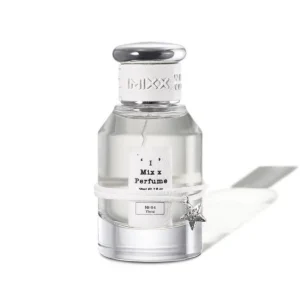 No.64 Inspired by Ylang 49 Perfume